

Pulau Ubin Family Guide: Bumboats, Bikes and Chek Jawa
In this article
- Why Pulau Ubin is worth the effort
- Getting there: the bumboat from Changi
- Cycling and bike rental in the village
- Chek Jawa Wetlands: the must-do with kids
- Camping on Pulau Ubin with kids
- Other stops worth a detour
- Wildlife: look, do not feed
- The rustic realities parents must know
- Best ages and stroller-friendliness
- Eat at Changi Village either side of the trip
- A relaxed half-day plan
- FAQ
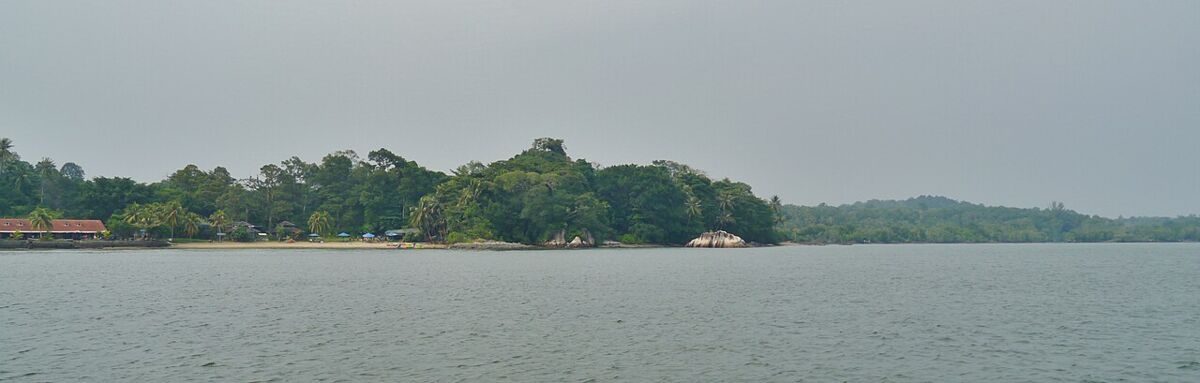
Step off the bumboat at Pulau Ubin and Singapore exhales. No malls, no traffic lights, no high-rise blocks, just dirt tracks, kampong houses and the squeak of rented bicycle wheels. This little island off the northeast coast shows your kids the Singapore the rest of the country left behind decades ago. It suits active families with primary-school kids best, but with a bike child seat it works for toddlers too, and with a tent it becomes a proper overnight adventure. Here is how to plan it well, rustic realities included.
Why Pulau Ubin is worth the effort
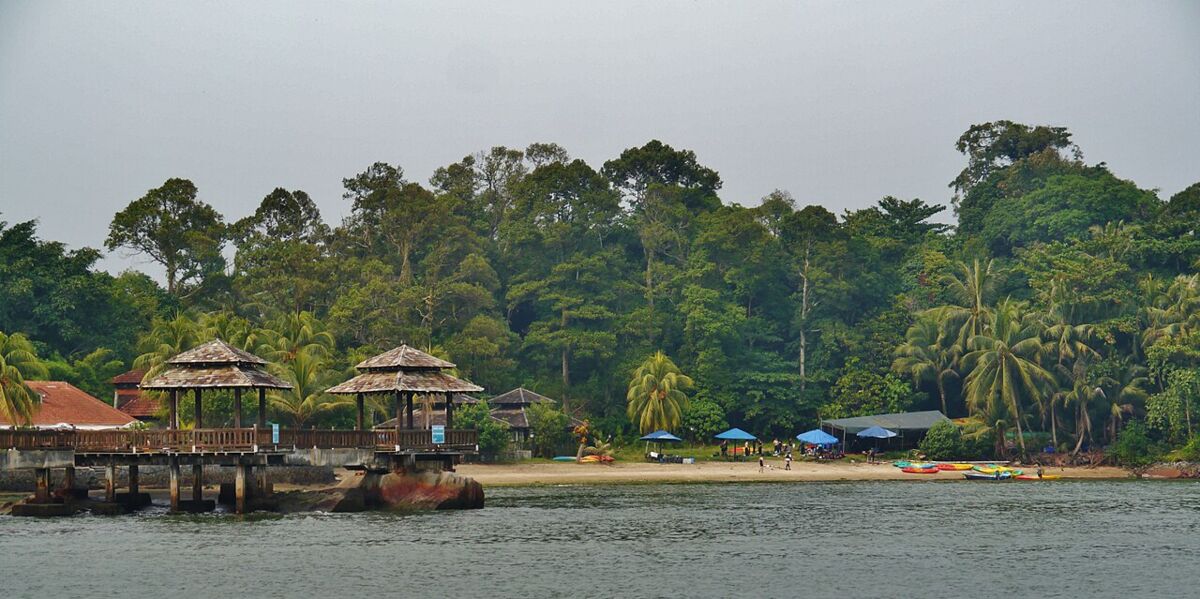
Pulau Ubin is one of the last corners of Singapore that still moves at a rural pace, and that is the point. Your kids cycle on real gravel paths instead of pavements, watch wild boar trot across a track, crouch over mudskippers and climb a tower into the treetops. It is hands-on, screen-free and compact: the main loop is only around 8km, so you can hit the headline sights in a day without anyone melting down by lunch. Just set expectations first; this is not a polished theme park but a hot, rustic, sometimes muddy island, and that wildness is the appeal. If your family enjoys this, it pairs well with our Bukit Timah Nature Reserve family guide and the rest of our family activity guides.
Getting there: the bumboat from Changi
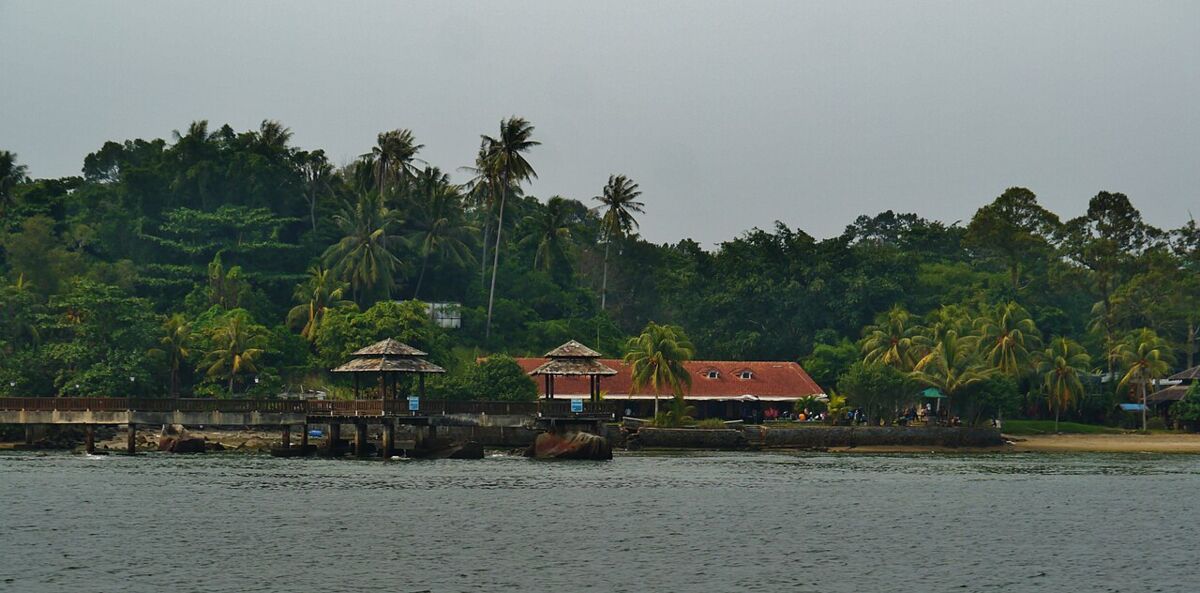
Every trip starts at Changi Point Ferry Terminal, beside Changi Village at 51 Lorong Bekukong. From there, traditional wooden bumboats putter across to Pulau Ubin in about 10 minutes. There is no fixed timetable: according to NParks, the boats usually run on demand from about 6am to 7pm daily and leave once roughly 12 passengers have boarded. On a quiet weekday morning you may wait for it to fill, so pack patience and arrive early.
NParks gives the fare as a guide of around $4 per person each way, plus about $2 for a bicycle, and operators may add a fuel surcharge, so check the official page for the current rate. To reach the terminal car-free, take bus 2, 29, 59 or 109 to Changi Village from MRT stations such as Tampines or Tanah Merah. If you drive, there is paid public parking at Changi Village, but you cannot bring the car across, so the island is on foot, bike or hired van only.
One non-negotiable: bring more cash than you think you need, in small notes. The bumboat fare, bike hire and the island eateries are all cash-based, with no convenient ATMs once you cross. Withdraw everything at Changi Village before boarding, plus a buffer for snacks and the return crossing.
Cycling and bike rental in the village
The classic way to explore Ubin is by bicycle, and the cluster of rental shops in Ubin Town, a two-minute walk from the jetty, is your first stop. Before you commit, ask specifically for smaller children's frames, a child seat, or a tandem if you have a young or non-cycling child; not every shop has every option, so ask at two or three. Day rates are modest and vary by bike type, from a few dollars for a basic city bike to more for a geared mountain bike. Confirm the rate, and whether it is hourly or daily, before you ride off. Then do a safety check: squeeze both brakes hard, test the bell, and set the seat so your child can touch the ground. Helmets are a must for kids.
Flat beginner trails near the village
If you have young or nervous riders, stay on the gentle, well-formed roads that fan out from Ubin Town. These are mostly flat, wide and easy to follow, passing kampong houses, the Sensory Trail and old plantation land. This is also where the route to Chek Jawa begins, with a few short slopes near the quarries but nothing technical, the sweet spot for a low-stress ride with plenty of stops.
Rugged mountain-bike trails for bigger kids
At the other end of the scale is the Ketam Mountain Bike Park on the western side, a purpose-built network of graded trails. Blue routes are gentler and suit confident beginners, while black routes are technical and meant for experienced riders, not first-timers or small children. It is a great outlet for sporty teens, but keep younger kids on the easy village roads. A full island loop is roughly 8km, about half a day with stops. Prefer not to cycle? Walk the trails or hire a local van near the jetty, a sanity-saver in the midday heat.
Chek Jawa Wetlands: the must-do with kids
For most families the highlight is the Chek Jawa Wetlands at the island's eastern tip, about 3km from the jetty (NParks calls it a roughly 40-minute walk, quicker by bike or van). Six habitats collide here, from sandy and rocky shores to seagrass lagoon, coral rubble, mangroves and coastal forest, all linked by an accessible boardwalk that even small legs can manage.
The boardwalk splits into a Coastal Loop of around 600m and a Mangrove Loop of around 500m, roughly 90 minutes together at a kid-friendly pace, with lookout platforms, a floating pontoon and shaded shelters for spotting crabs, mudskippers and shore birds. The big thrill is the Jejawi Tower, a seven-storey, 21-metre viewing tower that lifts you into the canopy. NParks lists Chek Jawa's hours as 7am to 7pm daily; check the official page first, as facilities and tours can be affected by maintenance.
Camping on Pulau Ubin with kids
Pulau Ubin is one of the few places in Singapore where you can pitch a tent in genuine wilderness, a memorable first camp for older kids. There are three designated campsites: Jelutong, closest to the jetty and easiest with young children; Mamam, on the quieter northeast coast; and Endut Senin, further inland. Per the official NParks camping page you must apply for a permit at least two weeks ahead. Residents with a Singpass account apply through the AXS system, and groups over 40 need an additional Organised Group Activity Permit. Confirm current fees and terms on the official page.
Facilities are basic, so plan to be self-sufficient: tent, sleeping mats, plenty of water, food, a torch, a power bank, a first-aid kit and wet wipes. Wild boar wander through campsites at night, so never keep food in or near the tent and pack all rubbish out. It is a brilliant, slightly wild experience for confident families, but not for a child who needs a flushing toilet at 3am. If overnight feels like a stretch, a day trip delivers most of the magic with none of the logistics.
Other stops worth a detour
- Sensory Trail: a gentle, well-signed loop near the village planted with fruit trees, spices and herbs to sniff and identify, one of the easiest, most stroller-tolerant walks on the island.
- German Girl Shrine: a small, quirky shrine wrapped in island folklore, easy to fold into a cycling loop and a good story prompt.
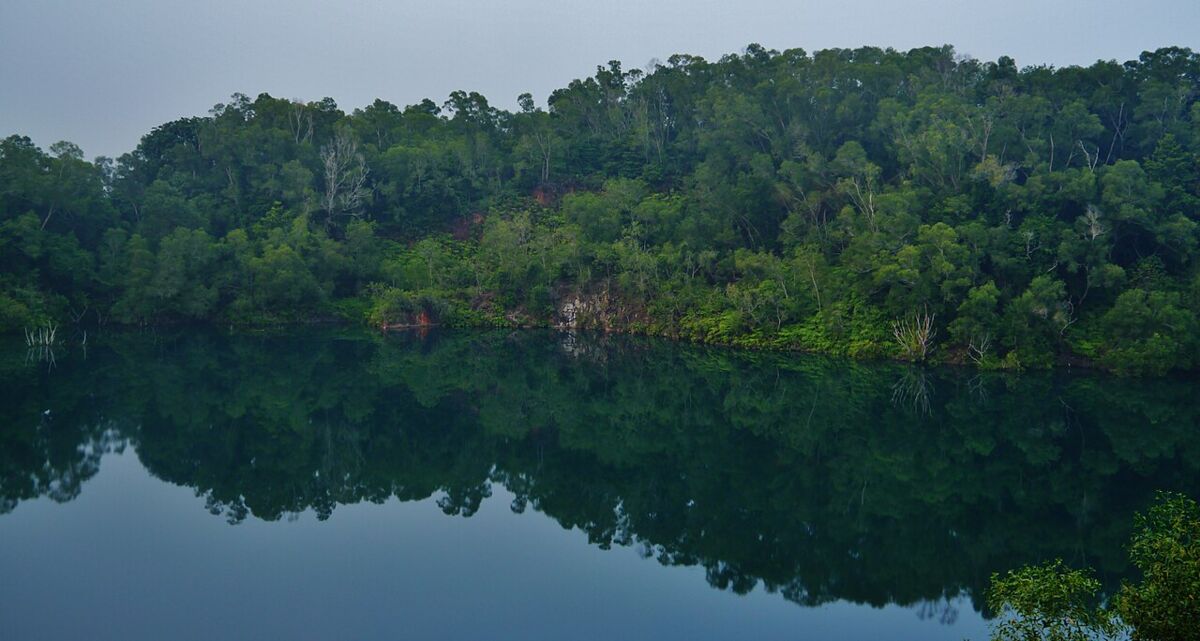
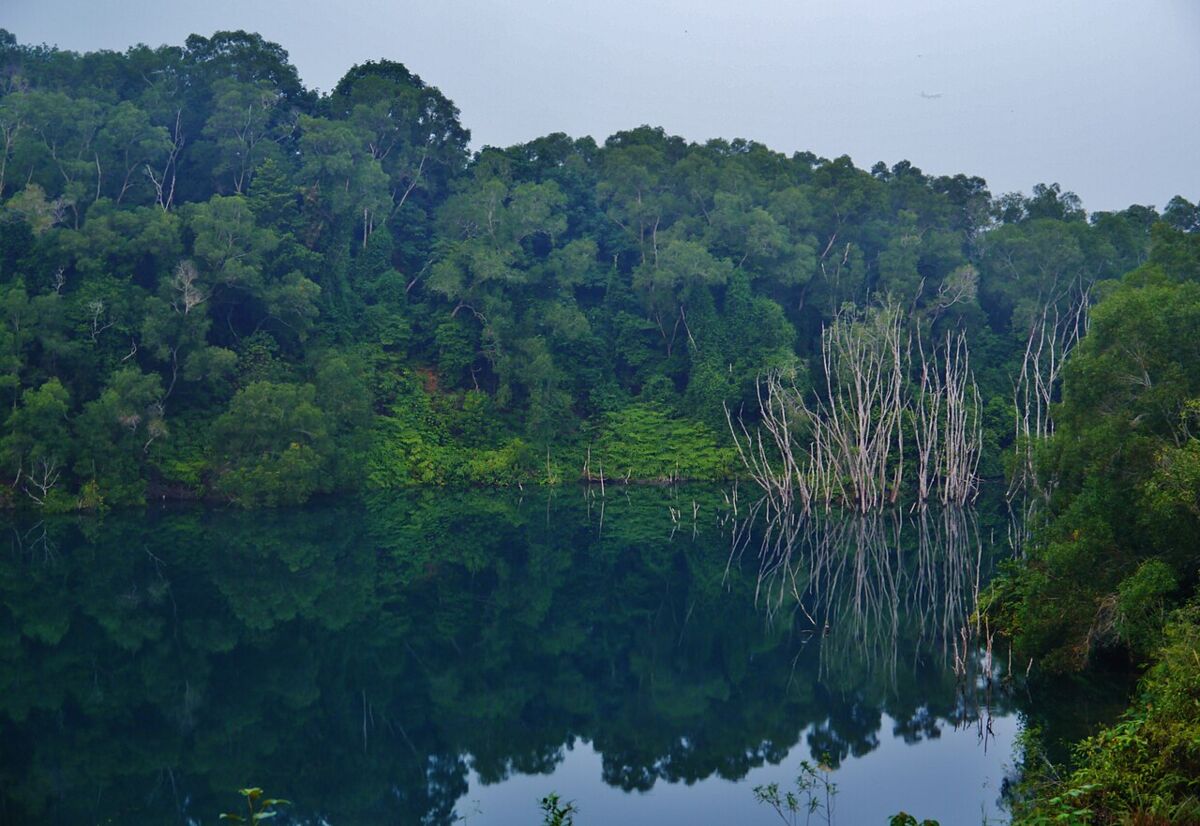
- Quarries and Puaka Hill: the old granite quarries have filled with strikingly green water, and a short uphill walk to the Puaka Hill viewpoint earns one of the best panoramas on Ubin.
- Butterfly Hill: a small flowering knoll planted to draw butterflies, a quick pause for little nature-spotters.
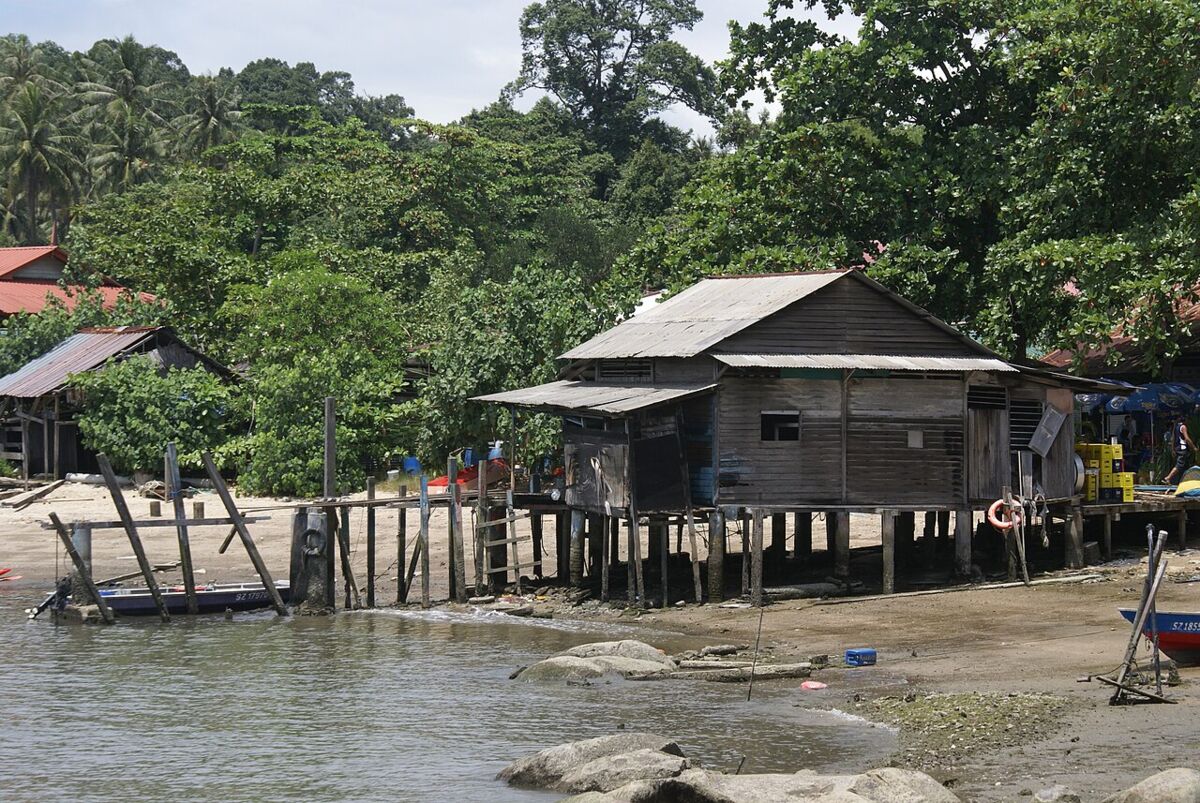
- Ubin Town: the rustic kampong village by the jetty, with provision shops, eateries and a wayang stage, worth a wander before the boat home.
Wildlife: look, do not feed
Pulau Ubin is genuinely wild by Singapore standards. You may meet wild boar, long-tailed macaques, monitor lizards, hornbills and a cast of shore creatures. It is thrilling for kids, but the golden rule is simple: do not feed any wildlife, and keep food zipped inside your bag rather than dangling in a plastic carrier, which macaques are quick to snatch. Feeding makes boar and monkeys bold and sometimes aggressive. Keep a calm distance, never corner or chase an animal for a photo, and hold smaller children's hands near wildlife.
The rustic realities parents must know
Pulau Ubin is rewarding precisely because it is undeveloped, which means mainland comforts are thin on the ground. Go in prepared and the hiccups stay small.
- Toilets are limited: basic public toilets sit in Ubin Town and near Chek Jawa, but long stretches between have none. Plan stops deliberately, not at the last minute with a small child.
- Food and shops are sparse: a few simple eateries cluster near the jetty, several closing by late afternoon, so do not count on buying lunch deep in the island. Pack a picnic.
- Full sun and mud: much of the cycling is in open sun, and tracks turn muddy and slippery after rain, with no shelter on demand.
- Bring it in: water (more than you think), snacks, hats, sunscreen, insect repellent, covered shoes with grip, a first-aid kit, wet wipes and cash. Reapply repellent near the mangroves.
- Rainy-day backup: bumboats can pause in bad weather. If the forecast looks grim, save Ubin and pick an indoor outing such as the ArtScience Museum or the Children's Museum.
- Start early: mornings are cooler, the light is better for wildlife, and you dodge the midday heat and weekend crowds.
Best ages and stroller-friendliness
Primary-school children are the sweet spot: old enough to pedal a small bike or sit happily in a child seat, and curious enough to love the boardwalk, tower and wildlife. Toddlers and preschoolers can come too, ideally in a bike child seat or a carrier. Strollers struggle on Ubin's gravel, so a carrier is the better choice; the village roads, Sensory Trail and Chek Jawa boardwalk are the most buggy-tolerant if you do bring wheels. Teens and sporty parents get the most from the Ketam mountain-bike trails.
Eat at Changi Village either side of the trip
Because the island's food is basic, most families build the proper meal into the journey at Changi Village, beside the ferry terminal. The hawker centre there is a much-loved spot for a local lunch or early dinner, and the breezy waterfront lets kids burn off the last of their energy. For more family ideas, browse the rest of our guides.
A relaxed half-day plan
- Withdraw cash at Changi Village, then walk to the ferry terminal and hop on the next bumboat once it fills.
- Land at Ubin Town, rent bikes (ask for kids' frames, a child seat or a tandem) and do your brake-and-seat check.
- Cycle the flat village roads, pausing at the Sensory Trail and Butterfly Hill, then ride toward Chek Jawa.
- Park bikes at Punai Hut, walk the Chek Jawa boardwalk timed for low tide, and climb the Jejawi Tower.
- Loop back via the German Girl Shrine and Puaka Hill if energy allows, then catch the bumboat back for a meal at Changi Village Hawker Centre.
FAQ
Is Pulau Ubin suitable for young children?
Yes, with planning. Toddlers and preschoolers do well in a bike child seat or on the boardwalk on foot, while primary-school kids can ride small bikes themselves. The unpaved tracks, open sun and lack of shops mean you must pack water, snacks, sun and insect protection, and keep the day relaxed rather than racing to see everything.
How long should we spend on the island?
A half to full day suits most families: a morning bumboat over, a cycle out to Chek Jawa, time on the boardwalk and tower, then back for a late lunch at Changi Village. Keen campers turn it into an overnight, but that needs a permit and self-sufficient kit.
Do we need to book the bumboat in advance?
No. The bumboats run on demand and leave once around 12 passengers board, so you simply turn up at Changi Point Ferry Terminal. On quiet weekdays you may wait for it to fill. For the return, allow buffer time, do not leave it too close to the evening cut-off, and check current details on the official NParks site.
How much does camping on Pulau Ubin cost and how do we book?
There are three designated campsites: Jelutong, Mamam and Endut Senin. Residents apply for a permit via the AXS system with a Singpass account at least two weeks ahead, and groups over 40 need an extra permit. Always confirm current fees, rules and availability on the official NParks camping page, as terms can change.
When is the best time to visit to avoid crowds?
Weekday mornings are quietest and coolest. Weekends and public holidays bring more visitors, longer bumboat waits and busier bike shops. Whenever you go, time your Chek Jawa stop for low tide so the marine life is visible, and start early to beat the heat and the queues.
Ready for more outdoor adventures? Keep exploring our Admiralty Park guide and the rest of our family activity guides.
Admiralty Park Family Guide: Singapore's Playground With the Most Slides
Family guide to Admiralty Park, the Singapore playground with the most slides. Play zones by age, inclusive swings, mang...
11 min read
Archery in Singapore: A Family Guide to Beginner Sessions for Kids
Archery in Singapore for families: how beginner sessions work, suitable ages for kids, indoor vs outdoor ranges, safety ...
9 min read
ArtScience Museum Family Guide: Future World, Tickets and Tips for Singapore Parents
A Singapore parent's guide to the ArtScience Museum: Future World with kids, tickets, the Family Friday free-child deal,...
9 min read