

Sungei Buloh Wetland Reserve: A Family Guide to Mangroves, Birds and Boardwalks
In this article
- Why Singapore families love Sungei Buloh
- The Junior Adventure Trail: the part younger kids will beg for
- The trails and boardwalks: matching the route to your kids
- Best time to visit and birdwatching season
- What to bring
- Strollers, accessibility and best ages
- Toilets, nursing and facilities
- Getting there
- Opening hours and cost
- Rainy-day backup and what is nearby
- Frequently asked questions
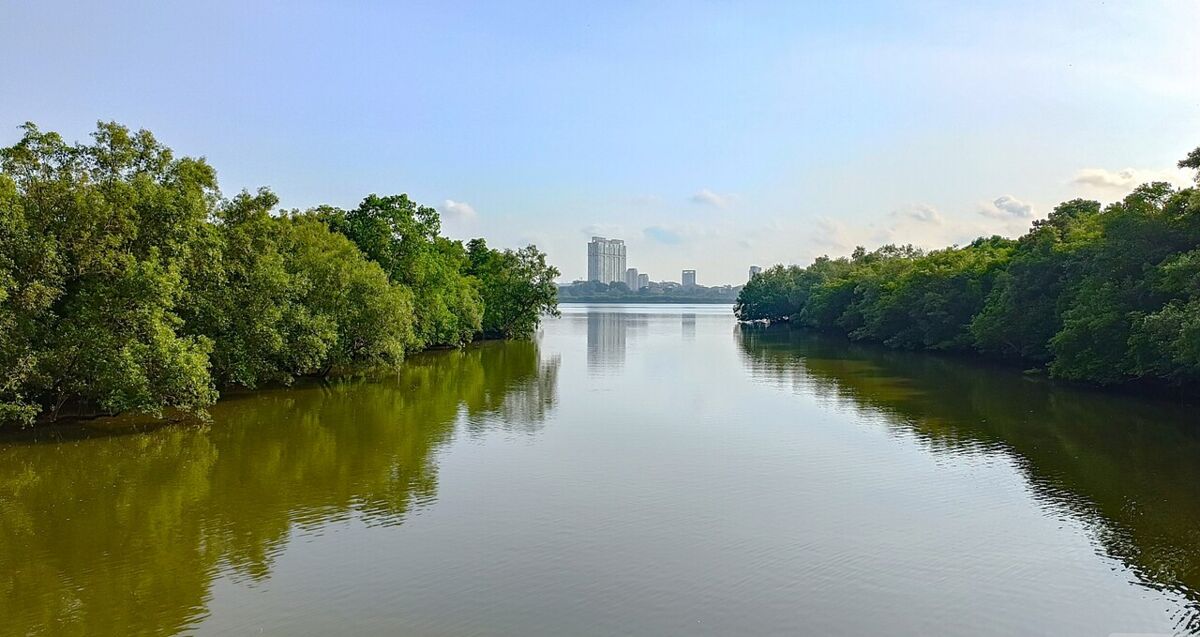
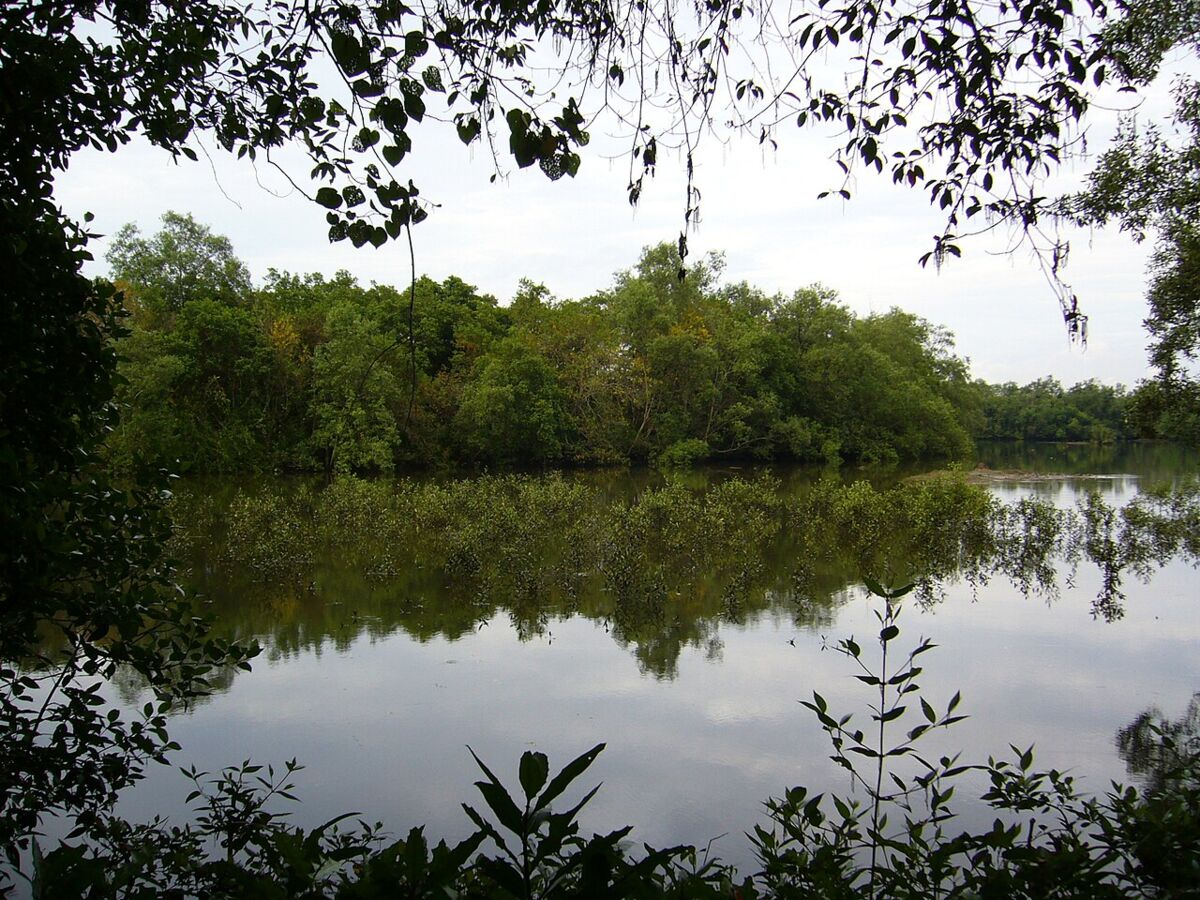
If your children are at the age where they would rather poke at a real crab than tap a screen, Sungei Buloh Wetland Reserve is one of the best half-day outings in Singapore. Tucked into the far northwest near Kranji, this 202-hectare mangrove and mudflat is the country's first ASEAN Heritage Park, and it is genuinely wild: mudskippers skitter across the mud, monitor lizards patrol the trails, hundreds of bird species drop in, and yes, real estuarine crocodiles live here. This guide is best for families with primary-age and older kids who can walk in the heat and follow the rules, though there is a brilliant little play trail for younger ones too. Here is how to plan it, what to pack, and how to keep everyone safe.
Why Singapore families love Sungei Buloh
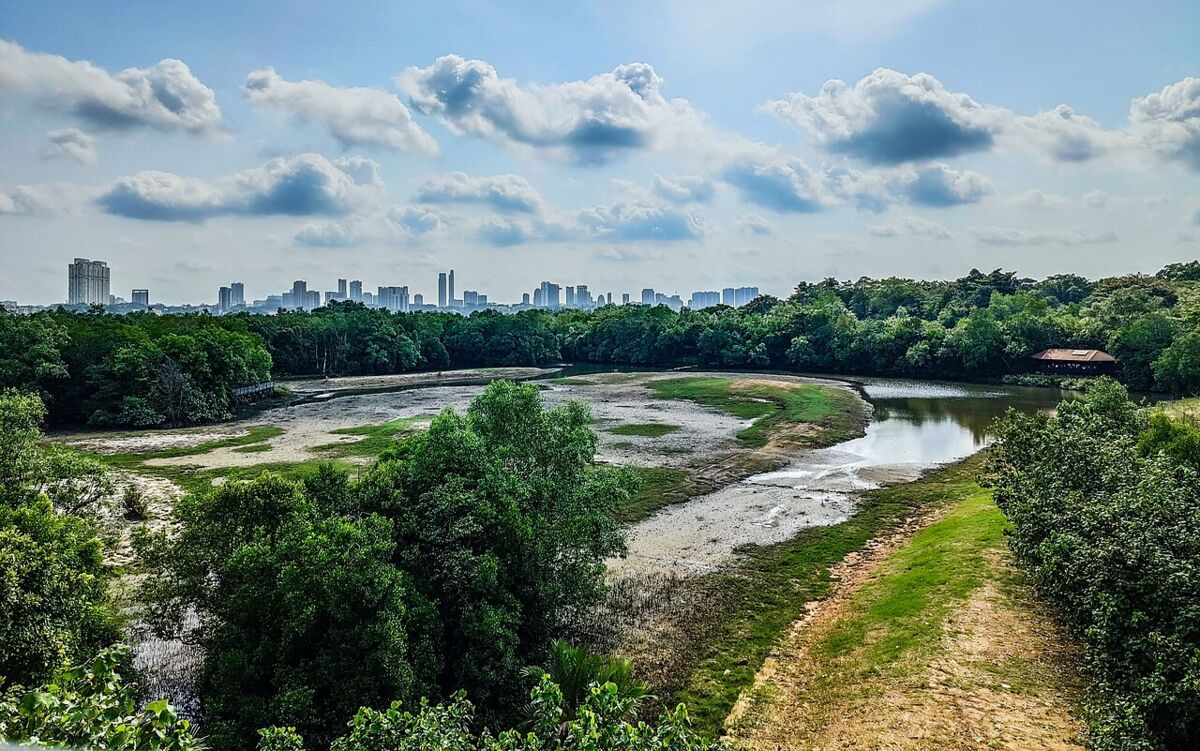
Most local attractions are engineered for children. Sungei Buloh is the opposite, and that is exactly the draw. The wildlife is not on display behind glass; it is busy living its life across protected mangrove, forest and tidal ponds, and your kids get a front-row seat from raised boardwalks and trails. It is the rare outing that rewards patience and quiet eyes rather than the loudest voice in the room.
- Mudskippers and crabs: The exposed mudflats teem with mudskippers flicking across the surface and fiddler crabs waving an oversized claw. Easy, satisfying wins for younger kids who like to spot and count.
- Monitor lizards: Large Malayan water monitors, some well over a metre long, cruise the trail edges and waterways. They are impressive and harmless if left alone, and a perfect lesson in giving wild animals room.
- Smooth-coated otters: Families of otters are sometimes seen fishing and porpoising through the ponds and channels. There is no schedule for them, which is half the thrill when a sighting happens.
- Birds, and lots of them: NParks records more than 200 bird species here, and it is a globally important stopover on the East Asian-Australasian Flyway for migratory shorebirds. Bring binoculars and there is always something to track.
- The crocodile factor: Estuarine (saltwater) crocodiles are resident. Spotting one from a safe boardwalk distance is the kind of thing kids talk about for weeks. Approaching one is dangerous, so this is firmly a stay-on-the-path, hold-hands kind of place.
The Junior Adventure Trail: the part younger kids will beg for
If you are visiting with smaller children, head for the Junior Adventure Trail near the Visitor Centre first. It is the most playful, family-friendly stretch in the reserve, themed around the mangrove world the kids are about to explore. There is a pond to peer into, kid-sized obstacle features designed to look like mangrove roots to duck under and stepping stones to hop across, plus pulley-style boat play that lets little ones imagine hauling themselves through the swamp like a crab or mudskipper.
It is a smart way to burn off some energy and warm up the imagination before the longer, quieter trails where the real rule is keep close and keep calm. Even toddlers who are not up for a 2km walk can get a proper outdoor morning out of this section alone. As always near water and mangrove edges, stay hands-on with the youngest ones.
The trails and boardwalks: matching the route to your kids
There are several trails of different lengths, so you can size the walk to your children's stamina rather than forcing it the other way round. Taking on everything in one tropical-morning go is a lot for small legs, so pick one or two and keep the pace relaxed. NParks rates all of the main routes as easy, but easy still means full sun and humidity, so plan accordingly.
- Mangrove Boardwalk (about 500m): The gentlest, most pram-friendly option. A short, flat, smooth boardwalk weaving through the mangroves, ideal for first-timers and brilliant for spotting mudskippers and crabs in the mud below. There is also a longer mangrove route of around 3km for families who want more.
- Forest Trail (about 300m): A short, shaded loop through secondary forest, a cooler change of scene and a good listen-for-birds stretch.
- Mid-Canopy Walk (about 150m): A short elevated boardwalk that lifts you into the understorey of the forest for a different view and the chance to hear forest birds up close.
- Coastal Trail (about 1.3km): Runs out to a string of kingfisher observation pods and Eagle Point, with views across the Straits of Johor towards Johor Bahru. A satisfying turnaround point with a real sense of arrival.
- Migratory Bird Trail (about 1.95km): The longest loop, passing the tidal ponds where shorebirds gather in season. Best for older kids who enjoy a proper walk and a bit of birdwatching.
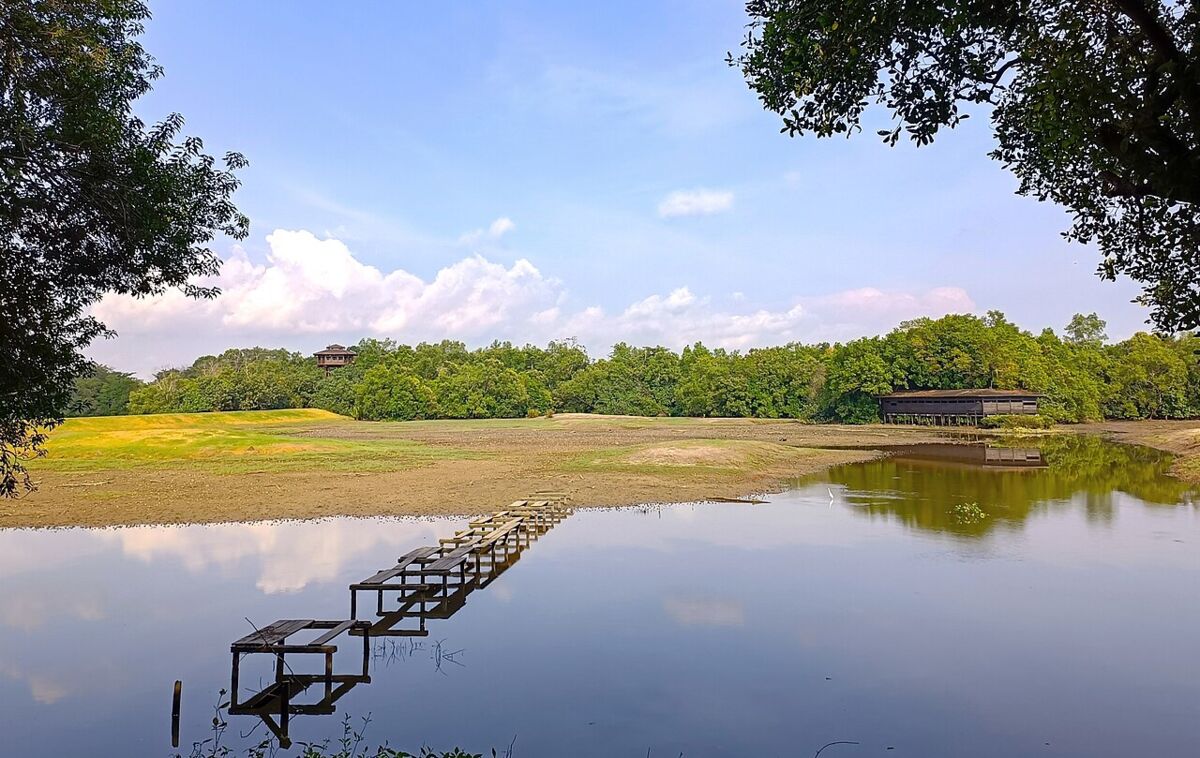
Look out for the Aerie Tower, an 18-metre lookout that gives older kids a wide view over the reserve, and the Mud Experience rope bridge that drops you closer to the mangrove floor. NParks also runs free guided walks suitable for families, typically on Saturday mornings, with registration required and a capped group size. They are a lovely way to learn what you are actually looking at, so check the official site for the current schedule before you go.
Best time to visit and birdwatching season
For the coolest, calmest, least crowded experience, arrive close to opening in the morning. Wildlife is more active, the boardwalks are quieter, and you beat the worst of the heat. For birdwatching specifically, the migratory season runs roughly from August or September through to March or April, when shorebirds from the northern hemisphere stop over at the tidal ponds. Tides also matter: a falling or low tide exposes more mudflat, which usually means more birds, crabs and mudskippers to spot. If you want to time it precisely, the official NParks page and tide tables are worth a quick check the night before.
What to bring
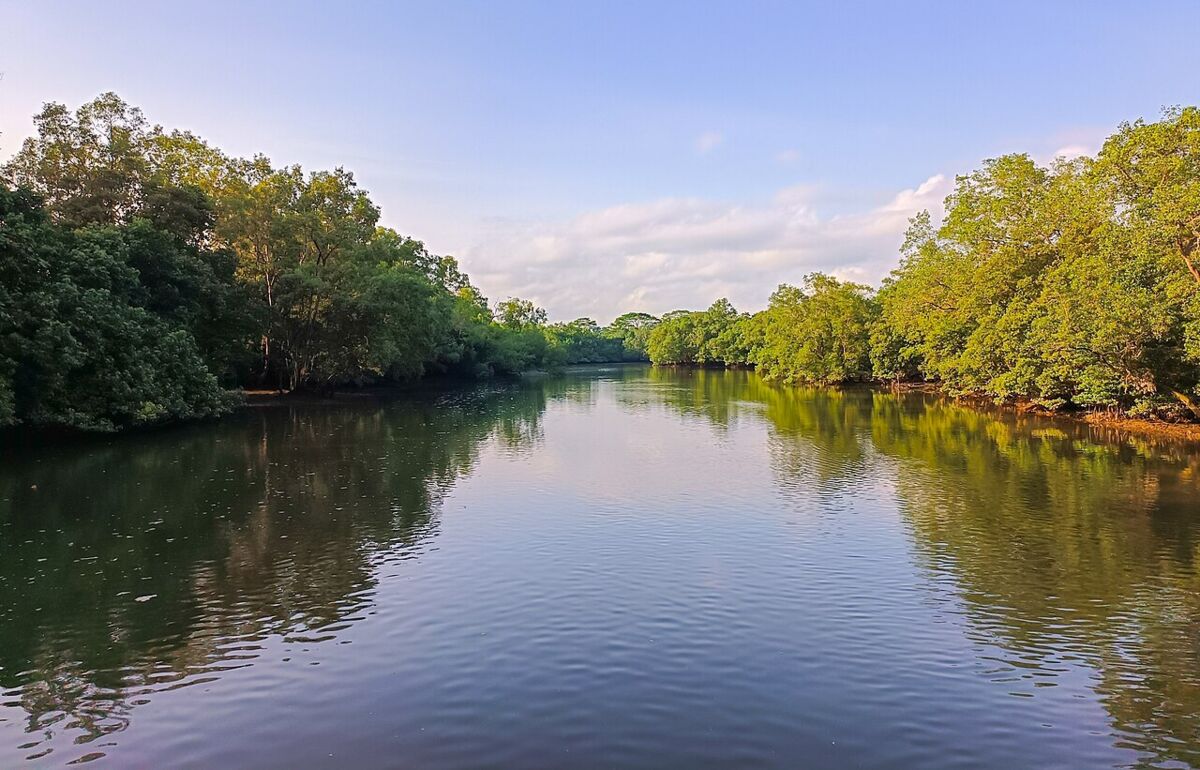
Sungei Buloh is exposed, humid and a long way from the nearest convenience store, so a little prep is the difference between a magical morning and a meltdown.
- Plenty of water for everyone, since on-site refreshment is limited
- Insect repellent, because mangroves mean mosquitoes
- Sun protection: hats, sunscreen and light, covered clothing
- A small umbrella or light rain jacket, as weather here turns fast
- Binoculars for the birds (even a cheap pair delights kids)
- Covered, comfortable walking shoes, not slippers
- Wet wipes, hand sanitiser and a small first-aid kit
- Snacks or a packed lunch if you plan to stay through to midday
Strollers, accessibility and best ages
Sungei Buloh works best for children who can walk a fair bit in the heat and reliably stay on the path, which in practice means roughly preschool-age and up, with the older the easier. That said, the Mangrove Boardwalk and the Junior Adventure Trail near the Visitor Centre are the most forgiving for younger ones and for prams, with smooth, even surfaces. Some of the longer boardwalks and trail sections are narrower or have steps, so a baby carrier is the more practical choice for the trickier stretches if you have a baby or a tired toddler. The reserve has wheelchair-accessible areas, but coverage is not total across every trail, so if accessibility is essential, check the current access details on the NParks page first.
Toilets, nursing and facilities
Both the Visitor Centre and the Wetland Centre have toilets and information counters, and there are sheltered rest points along the way. Facilities such as nursing or diaper-changing rooms can change, so if you are travelling with a baby it is worth confirming what is available on the official site before you set off, and packing a portable changing mat as a backup. Plan toilet stops around the two centres rather than expecting facilities deep along the trails.
Getting there
This is the trickiest part for families, because the reserve sits in the rural northwest with limited public transport. There are two entrances, each with its own free car park: the Visitor Centre at 60 Kranji Way and the Wetland Centre at 301 Neo Tiew Crescent. Both have toilets and free parking, so driving is the most straightforward option, especially with young kids and a boot full of water and gear.
By public transport, take the MRT to Kranji station on the North-South Line, then board bus service 925 (Mondays to Saturdays) or 925M (Sundays and public holidays) towards the reserve. Bus routes and any Kranji-area shuttle arrangements do change over time, so confirm the current service before you rely on it. Taxis and ride-hailing reach the Visitor Centre easily, but they are scarcer for the trip back, so it is worth booking your return in advance or planning a buffer.
Opening hours and cost
- Opening hours: the reserve is open daily, typically from the morning until early evening, with a last entry shortly before closing. Hours and any seasonal or weather-related closures can change, so check the official NParks page before you go.
- Cost: entry is free.
- Weather closures: the reserve may close sections or the whole site during bad weather or flooding, and do not enter during thunderstorms. Check for advisories on the day.
- Rules: no cycling, jogging, pets, drones or loud music; this is a quiet nature reserve, which actually suits a calm family wander.
Rainy-day backup and what is nearby
Because Sungei Buloh is fully exposed and closes in bad weather, always have a wet-weather plan. The surrounding Kranji countryside has a cluster of farm-style stops that pair well with a wetland morning and give you somewhere to retreat if the sky opens. Bollywood Veggies is a much-loved local farm with a bistro that serves hearty meals from its own produce, a popular lunch after a hot walk. Nearby Kranji Marshes is a large freshwater marsh with its own birdlife and trails if you want more nature. If the forecast looks grim, it is easy to swap in an indoor outing instead, such as the hands-on exhibits at the ArtScience Museum or the Children's Museum Singapore.
If your kids catch the nature bug here, the rugged trails and lookouts of Bukit Timah Nature Reserve make a great next step, while bird-mad families will love the walk-through aviaries at Bird Paradise. For more fresh-air ideas across the island, browse our blog for family guides and outing inspiration.
Frequently asked questions
Is Sungei Buloh suitable for young children and toddlers?
Yes, with realistic expectations. Toddlers and preschoolers do best on the short Mangrove Boardwalk and the Junior Adventure Trail play area near the Visitor Centre, where surfaces are smooth and the distances are manageable. The longer trails suit primary-age and older kids who can walk in the heat and follow safety rules. Whatever the age, keep little ones close at all times because of the crocodiles and the water's edge.
Will we actually see a crocodile?
There is a genuine chance, but sightings are never guaranteed and you should never go looking for one off the trail. Treat any sighting as a watch-quietly-from-a-distance moment, keep children close, do not provoke or feed it, and follow the NParks signs. Most families do not see one, and the otters, monitor lizards and birds make the trip worthwhile either way.
How long should we set aside?
A relaxed visit covering one or two trails plus the Junior Adventure Trail takes around two to three hours. Add lunch at a nearby farm and you have a comfortable half-day out. In the heat, fewer trails done slowly beats trying to walk the whole reserve.
Is it free, and do we need to book?
Entry is free and you can simply turn up. You only need to register in advance if you want to join one of the free guided walks, which have limited places. Check the NParks page for the current schedule and registration link.
Are strollers okay?
On the Mangrove Boardwalk and around the Visitor Centre, yes. Across narrower boardwalks and trail sections with steps, a baby carrier is the easier choice. If you bring a pram, plan to park it and switch to carrying for the trickier stretches.
For full, up-to-date details on opening hours, trail and platform closures, guided walks and any safety advisories, always check the official NParks page below before you head out.
Admiralty Park Family Guide: Singapore's Playground With the Most Slides
Family guide to Admiralty Park, the Singapore playground with the most slides. Play zones by age, inclusive swings, mang...
11 min read
Archery in Singapore: A Family Guide to Beginner Sessions for Kids
Archery in Singapore for families: how beginner sessions work, suitable ages for kids, indoor vs outdoor ranges, safety ...
9 min read
ArtScience Museum Family Guide: Future World, Tickets and Tips for Singapore Parents
A Singapore parent's guide to the ArtScience Museum: Future World with kids, tickets, the Family Friday free-child deal,...
9 min read