

Tiong Bahru Family Guide: Heritage, Hawker Food and Cafes with Kids
In this article
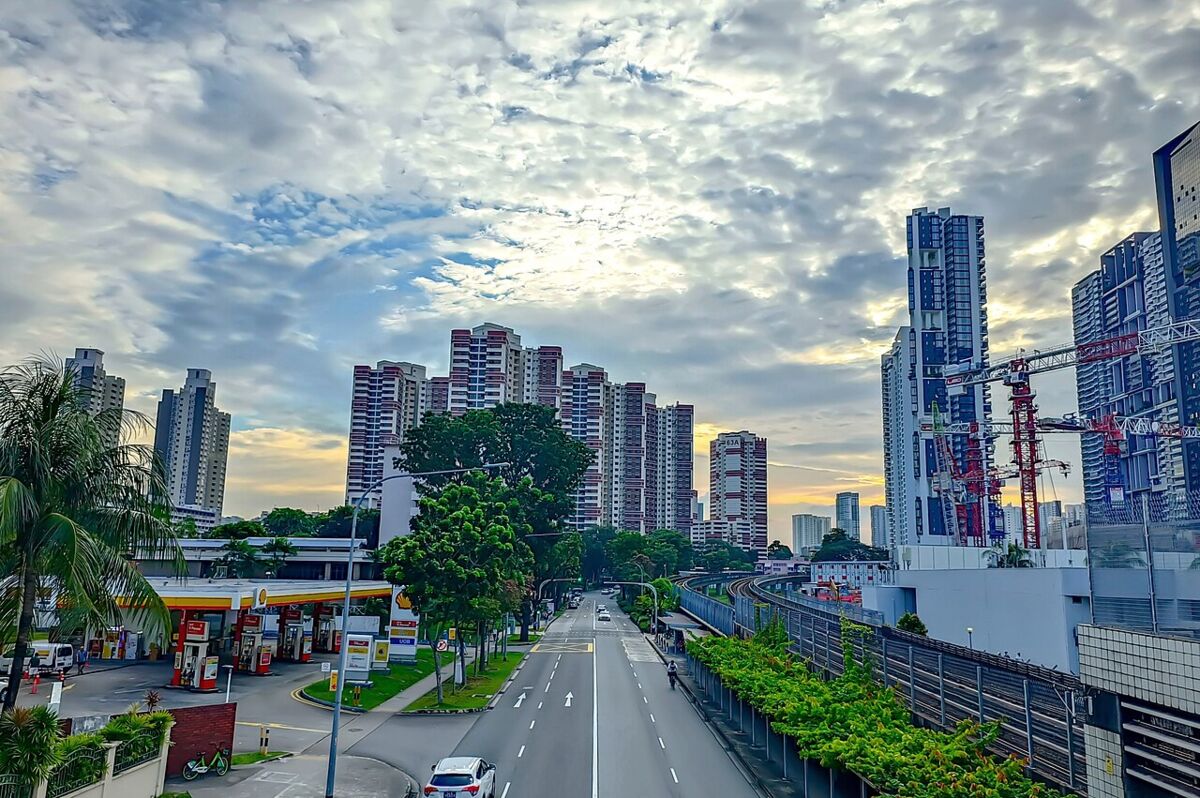
Tiong Bahru is one of the few Singapore neighbourhoods where a single morning gives you a proper hawker breakfast, a slow wander past curved 1930s flats and street murals, and a flat white in a tiny cafe, all inside a handful of shady, low-rise streets. It is flat, walkable and unhurried, which is exactly what you want when you are pushing a pram or wrangling a toddler. This guide is best for families with babies through to lower-primary kids, mixed-age groups travelling with grandparents, and anyone who wants heritage and good food in one easy half-day. Below: what to eat, what to see, how to get there with a stroller, and a backup plan for when it rains.
Why Tiong Bahru works so well with kids
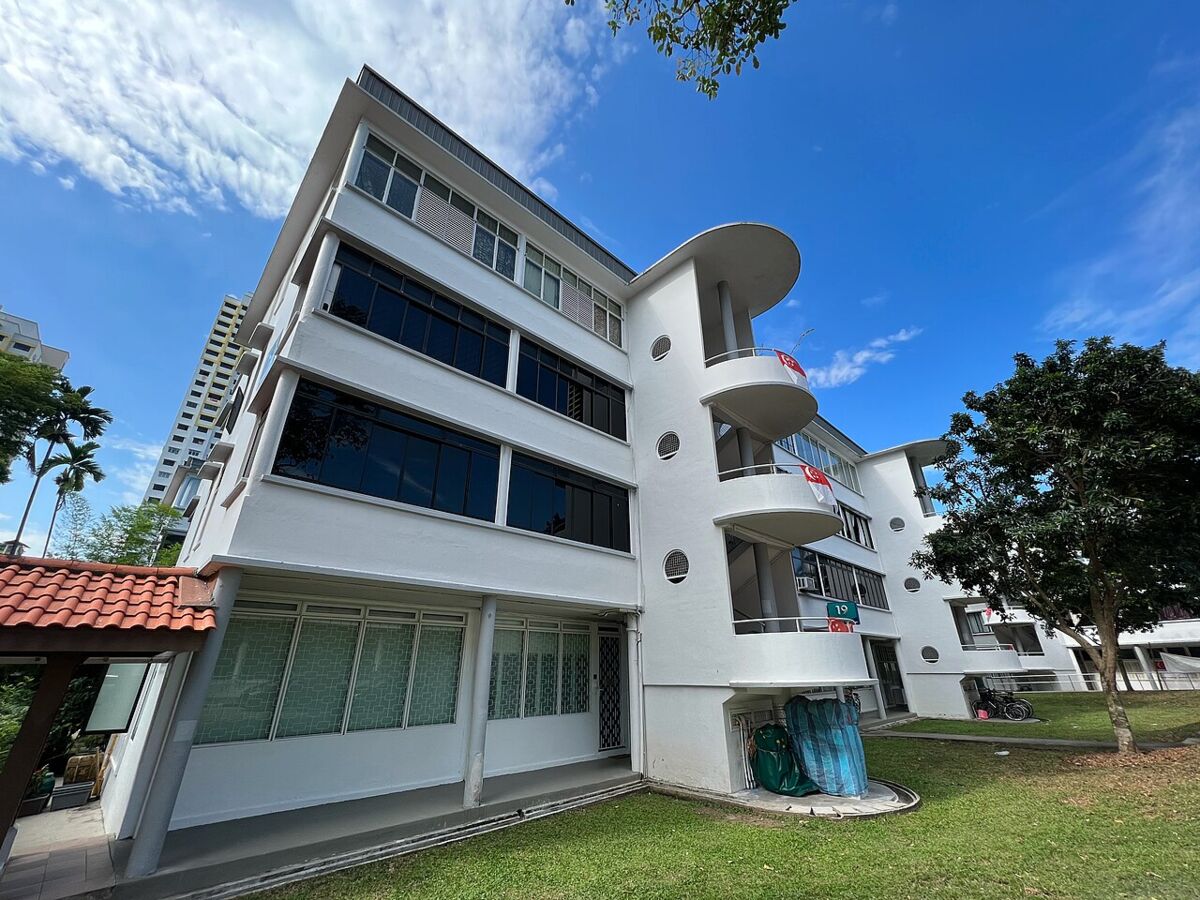
Tiong Bahru is widely described as Singapore's oldest housing estate, built from the 1930s by the Singapore Improvement Trust (the colonial body, formed in 1920, that came before HDB). The heart of it is a cluster of pre-war walk-up blocks in a streamlined art-deco style: rounded corners, long horizontal lines and breezy spiral staircases. Twenty of these blocks were gazetted for conservation by the Urban Redevelopment Authority in 2003, so the old character has survived even as cafes and small shops moved in.
For parents the real draw is the pace and the scale. The core streets form a loose loop you can cover slowly on foot, there is shade, and there is always somewhere close by to stop for a drink, a snack or a sit-down. You are never far from a toilet, a kopitiam table or a bench. It rewards a gentle, no-fixed-plan kind of morning, which suits small attention spans and afternoon naps far better than a packed itinerary.
Eat: the market, the food centre and what to try
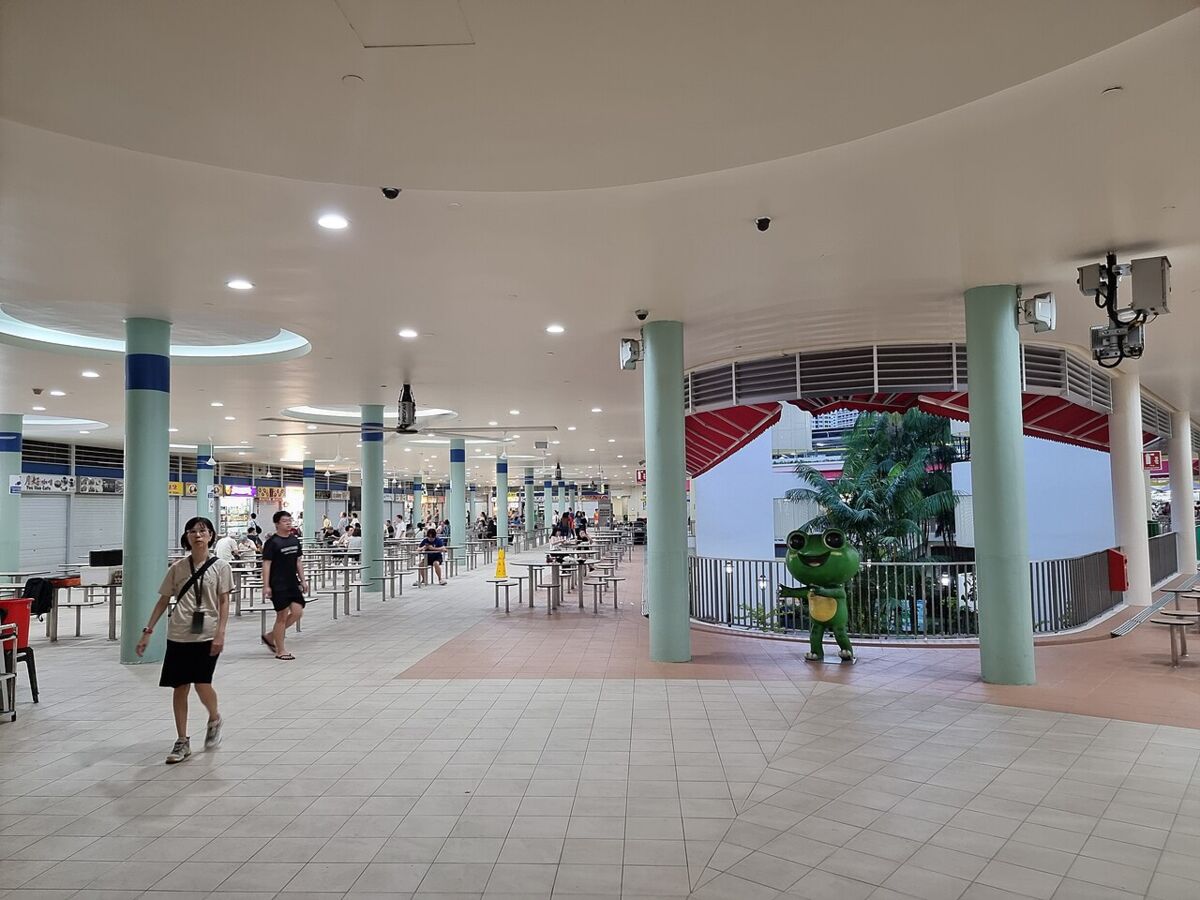
The two-storey Tiong Bahru Market and Food Centre at 30 Seng Poh Road is the anchor of any family visit, and the reason most people come. The ground floor is a traditional wet market selling fish, vegetables, fruit, flowers and dried goods. Walking a child slowly through it is a free sensory lesson in where food comes from, far more interesting to a curious kid than a supermarket aisle. Upstairs is one of Singapore's best-loved hawker centres, with a big spread of cooked-food stalls, several of which have carried Michelin Bib Gourmand recognition over the years.
What to eat at Tiong Bahru
This is heritage hawker territory, so think classic Singapore breakfast and lunch dishes rather than anything fancy. Rather than chase one specific stall (queues, closures and rest days change constantly), it helps to know the categories and pick whatever has a steady local line. Good shared, kid-friendly options to look for include:
- Chwee kueh - soft steamed rice cakes topped with savoury preserved radish; mild, soft and very easy for toddlers.
- Lor mee - thick noodles in a starchy braised gravy; filling and not spicy if you ask for no chilli.
- Roasted meats and Hainanese chicken rice - reliable crowd-pleasers that almost every child will eat.
- Prawn noodles and fishball or fishcake noodles - order the soup version and keep the chilli on the side.
- Soft buns (pau) and traditional kueh - perfect for a stroller snack or to take to the park.
- Pig's organ soup and other old-school dishes - more for the grown-ups and grandparents who grew up on them.
Order in stages rather than all at once so nothing goes cold, and split adult portions for younger children. If you want to build a wider Singapore food bucket-list around this trip, our roundups of the best hawker centres for families and the best chicken rice in Singapore are good companions, and for dessert afterwards there is always ice cream.
Hawker-with-kids survival kit
- Bring a packet of tissues to chope (reserve) a table the local way before you queue for food, and ideally split your group so one adult holds the table.
- Pack wet wipes, a small hand towel and hand sanitiser; hawker tables are wiped but communal.
- High chairs are rare in hawker centres, so a clip-on travel chair or a sturdy stroller you can pull up to the table makes life much easier.
- Cash is still king at older stalls; bring small notes and coins even though many now take PayNow or cards.
- Go early for the freshest market produce and the shortest queues; by late morning the popular stalls can have long lines and some sell out.
The indie cafes and bakeries
The streets around the market, especially Yong Siak Street and Eng Hoon Street, are the cluster of independent bakeries, coffee shops and brunch spots that put Tiong Bahru on the map. Expect good coffee, croissants and pastries, sourdough and the occasional all-day breakfast. Many are small, so they fill up fast on weekend mornings and not all have high chairs or step-free entrances.
A practical approach with young kids: grab pastries to go and eat them on a bench or at the park rather than trying to keep a toddler seated through a slow weekend brunch. If you do want a proper sit-down, go on a weekday or right when cafes open, and call ahead to check for a high chair and pram space. Specific shops and concepts genuinely do change from year to year here, so do a quick search to confirm what is open before you set out. For more on Singapore's bake scene, see our pick of the best bakeries in Singapore.
Things to do with the kids
Run off energy at Tiong Bahru Park
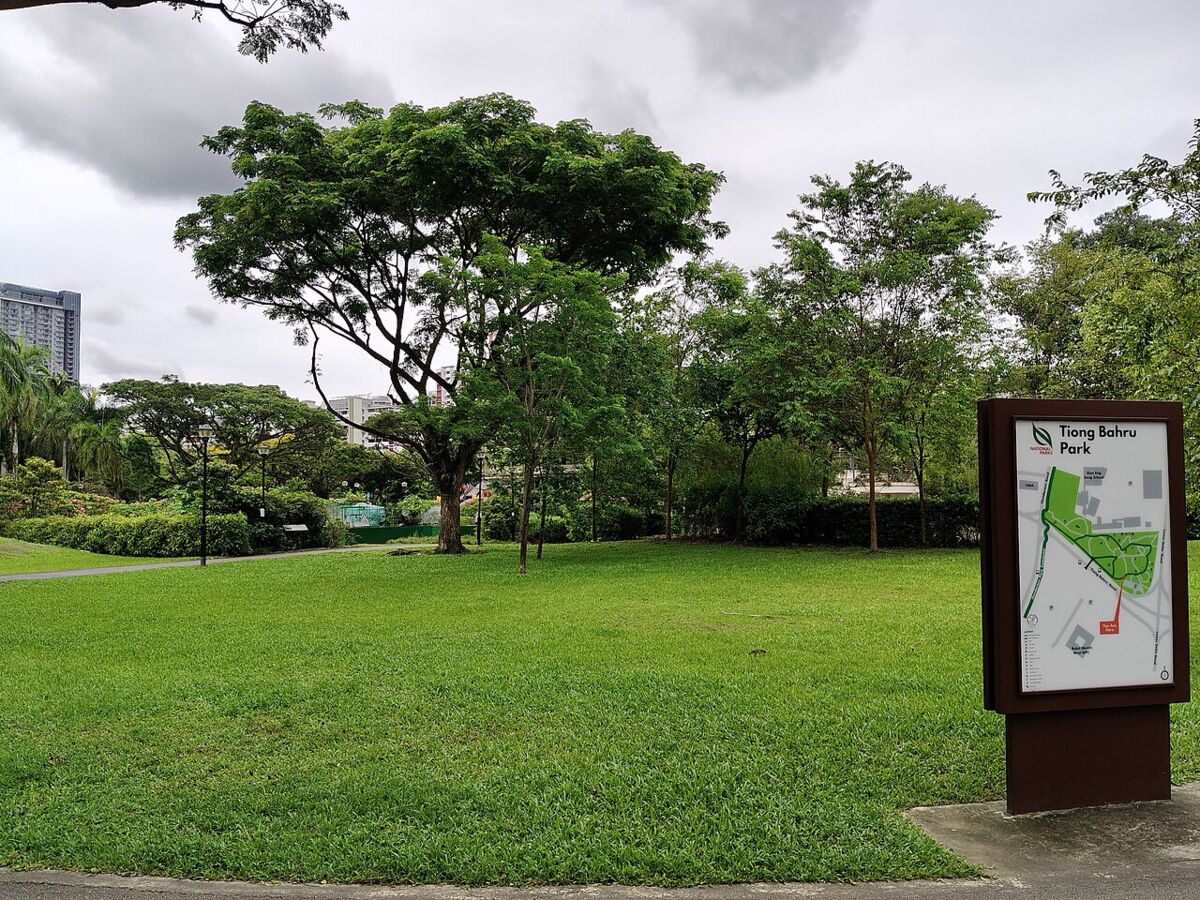
A short walk from the market, Tiong Bahru Park is the family highlight and the reason this outing works for high-energy kids. The NParks-managed park covers about 3.3 hectares and its playground centres on a much-loved life-sized tilting train structure, alongside the usual slides and swings, with sheltered seating for tired parents nearby. NParks lists the park as wheelchair-accessible and elderly-friendly, and it connects to the Henderson Park Connector if you fancy a longer walk. The park is open and free to enter; always confirm current details on the official NParks page before a special trip.
Hunt for the heritage murals
Local artist Yip Yew Chong painted a set of large nostalgic murals around the neighbourhood, and finding them turns an ordinary walk into a mini treasure hunt. The best known is the Bird Singing Corner scene near Seng Poh Lane, depicting old uncles gathering to admire their songbirds, a genuine Tiong Bahru tradition that still happens nearby on some mornings. There are others scattered through the surrounding streets showing old market and street-life scenes. Use them to talk to your children about what daily life looked like here decades ago; older kids enjoy ticking each one off.
Walk the heritage streets and the air-raid shelter
Seng Poh Road, Eng Hoon Street, Tiong Poh Road and Yong Siak Street are all easy, mostly flat ambles. The National Heritage Board runs a self-guided Tiong Bahru Heritage Trail with around ten points of interest and information boards, which adds a little structure and history if you want it. Look out for the distinctive horseshoe-shaped block at Moh Guan Terrace and Guan Chuan Street, and the surviving pre-war civilian air-raid shelter at Block 78 Guan Chuan Street, built around 1939, which you can view from the outside. The trail also passes the long-standing temple and the Seng Poh Garden with its dancing-girl sculpture. Download the official trail booklet before you go so you can point things out as you walk.
Practical parent intel
Best age range
Tiong Bahru suits a wide range. Babies and toddlers do fine because it is flat and pram-friendly, with the park and stroller naps to fall back on. Pre-schoolers and lower-primary kids get the most out of it: the playground train, the mural hunt and the wet-market sights all land at that age. Teens may find a heritage-and-coffee morning quieter than they like, though the cafes and record and book shops can win them over.
Stroller and accessibility notes
- The heritage streets are mostly flat, paved and easy to push a pram along; Tiong Bahru Park is listed by NParks as wheelchair-accessible with step-free paths.
- The food centre has lift or ramp access between floors, but tables can be tightly packed at peak times, so a slimmer stroller is easier to manoeuvre.
- Some individual cafes and shops sit up a step or two, and the upper floors of the old walk-up flats are stairs only, with no public lifts; stick to street level and the park for the smoothest run.
- For nappy changes and feeds, your most reliable options are the family or accessible toilets at the market and food centre and at Tiong Bahru Park; dedicated nursing rooms are limited, so a nursing cover or a quiet cafe corner is handy.
Crowd timing
Weekday mornings are calmest for both the market and the cafes. Saturday and Sunday mornings get busy from mid-morning as the brunch crowd arrives, and the wet market is at its liveliest (and most crowded) at the weekend. If you want the heritage and food experience with the fewest people and the shortest queues, a weekday school-holiday morning is the sweet spot.
Rainy-day backup
Tiong Bahru is largely an outdoor, on-foot outing, so weather matters. If it pours, the covered food centre and market still work for a long, leisurely meal, and the indoor cafes, the independent bookshop and small homeware and record shops give you sheltered browsing between showers. If the rain really settles in, it is an easy MRT hop to a mall or an indoor play space; our wider bakery and food guides can help you regroup somewhere dry.
Getting there and what it costs
The easiest way is the MRT. Tiong Bahru station is on the green East-West Line, and the market and food centre are roughly an 8-minute walk away via Tiong Bahru Road and Seng Poh Road. Tiong Bahru Park is about a 5-minute walk from the station. Buses also serve Tiong Bahru Road. If you drive, parking around the market is limited and gets tight at weekends, so MRT is usually the calmer choice with a stroller.
On cost: the outing itself is essentially free to wander. Entry to Tiong Bahru Park, the murals and the heritage streets costs nothing, so your spend is really just food and coffee. A hawker breakfast for a family stays very affordable, while the indie cafes are pricier; budget more if a sit-down brunch is the plan. We have deliberately not quoted exact stall prices because they change often, so treat any number you see online as a rough guide and confirm at the counter.
Frequently asked questions
Is Tiong Bahru good for young children?
Yes. It is low-rise, flat and walkable, and it combines an easy hawker meal, a mural treasure hunt and a strong playground at Tiong Bahru Park. That mix suits everyone from babies in prams to lower-primary kids, which is why it is a popular mixed-age and multi-generation outing.
Is Tiong Bahru stroller-friendly?
For the most part, yes. The heritage streets are flat and easy to push along, and Tiong Bahru Park is listed by NParks as wheelchair-accessible. The catches are that some individual cafes and shops have a step or two at the entrance, the food centre tables can be tightly packed at peak hours, and the upper floors of the old walk-up flats are stairs only. Street level and the park are your smoothest routes.
What is the best food to eat at Tiong Bahru?
For families, look for shareable heritage classics like chwee kueh, lor mee, roasted meats, Hainanese chicken rice, prawn noodles and soft pau, several of them at stalls that have carried Michelin Bib Gourmand recognition over the years. Go early for the freshest produce and shorter queues, and keep chilli on the side for younger eaters.
How long should we spend in Tiong Bahru?
A relaxed half-day is ideal. A typical flow is breakfast at the food centre, a play and run-around at Tiong Bahru Park, then a slow loop of the murals and heritage streets with a cafe stop, finishing as nap time approaches. Trying to add much more usually just tips little ones over the edge.
What should we bring?
Tissue packets to chope a hawker table, wet wipes and hand sanitiser, water, a hat and sunscreen for the walking, a light rain cover for the stroller, and small cash for older stalls. A clip-on travel high chair helps at the food centre where built-in high chairs are scarce.
Hungry for more neighbourhood mornings and weekend plans? Browse our family hawker guide, our chicken rice and bakery roundups, and the best ice cream for a sweet finish across Singapore.
Gluten Free and Allergy-Friendly Eating Out in Singapore: A Parent's Guide
A practical parent's guide to gluten free and allergy-friendly eating out in Singapore: allergens, hawker safety, talkin...
9 min read
Cat Cafe Singapore: A Family Guide to Animal Cafes
A parent's guide to the cat cafe Singapore scene and animal cafes: how they work, age rules, etiquette, welfare, and wha...
10 min read
Bak Kut Teh in Singapore: A Family Guide to the Comforting Pork Rib Soup
A parent's guide to bak kut teh in Singapore: peppery vs herbal styles compared, what to order for kids, spice tips and ...
10 min read