

Trampoline Parks in Singapore: A Family Guide for Kids and Teens

In this article
- What a trampoline park actually is
- What to expect on your first visit
- Safety: the rules every parent should know
- What is the best age, and which park suits which child
- Well-known trampoline parks in Singapore
- Getting there, parking and stroller access
- What to wear and what to bring
- Birthday parties at a trampoline park
- Crowd-timing and etiquette tips
- Frequently asked questions
There is something about a floor of springy trampolines that turns even the most reluctant child into a giggling, bouncing blur. A trampoline park is one of the easiest ways to burn off serious energy in air-conditioned comfort, which makes it a go-to for rainy afternoons, school holidays and birthday parties. This guide is for parents weighing up a first visit: what happens when you arrive, how the safety rules work, which ages each park suits, what to bring, parties, and how to pick a venue. Where we name a real park we link its official site, because prices, session times and age rules change often.
What a trampoline park actually is
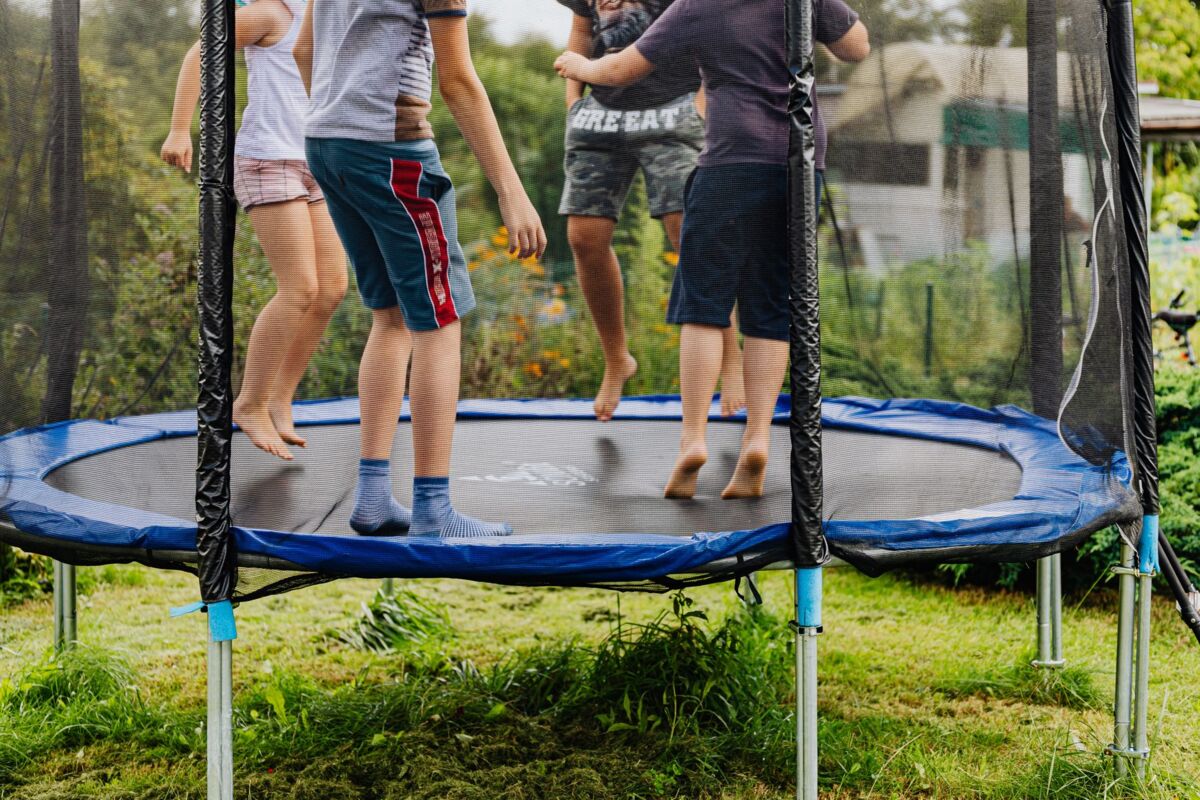
A trampoline park is an indoor venue built around interconnected trampolines, usually including angled wall-trampolines you run up, deep foam pits to leap into, and extras like dodgeball courts, basketball dunk lanes, ninja obstacle courses and climbing walls. Most parks split the space into zones by difficulty and age, so a cautious six-year-old and a daredevil teen each find a corner to suit them.
The appeal for families is simple. Jumping is a genuine workout that builds balance, coordination and core strength, the venue is weatherproof, and an hour or two leaves kids pleasantly worn out. It is also self-paced, so a child can stay gentle while a sibling pushes for big air. For more all-weather plans, our best playgrounds in Singapore guide pairs well.
What to expect on your first visit
Knowing the routine saves queue-side stress. Most parks sell timed jump sessions rather than open-ended entry, so you book a slot in one-hour or two-hour blocks, with price scaling to duration. Booking online locks in your slot and lets you do the paperwork ahead.
- A signed waiver for every jumper: parks require a liability waiver per person, with a parent or guardian signing for a child. Completing it online beforehand saves queueing at a kiosk.
- Grip socks: nearly every park requires proper non-slip grip socks on the trampolines (more below). Bring your own park-branded pair or buy one at the counter.
- A short orientation: staff or signage run through the core rules, and some venues brief first-timers before they step on.
Arrive ten minutes early for check-in, socks and lockers, since a timed session's clock usually starts at your booked time, not when you finish queueing.
Safety: the rules every parent should know
Trampoline parks take safety seriously, and the smoothest visits happen when parents reinforce the rules rather than leaving it to staff. The framework is broadly consistent, though each park sets its own specifics, so read the guidelines on the day.
Grip socks are usually compulsory
Most parks require special grip socks, non-slip socks with rubber dots or soles, for hygiene and to stop feet sliding on the mats. Ordinary socks and bare feet are typically not allowed. BOUNCE Singapore, for example, states that anyone jumping must wear its grip socks. Whether a pair is single-use or reusable, and included or charged separately, varies by venue, so check first.
Age, height, weight and supervision
- Adult supervision: younger children usually need a supervising adult nearby, and many parks cap how many kids one adult may watch. Rules differ, so check before you book.
- Height and age zones: some areas are reserved for little ones, while higher-difficulty zones such as foam pits may carry a minimum age or height. BOUNCE, for instance, keeps children under 110cm in dedicated areas away from larger jumpers.
- One jumper per trampoline: no double-bouncing, wrestling or rough play. This is the most-ignored rule and a common cause of injury, since two children on one mat can collide or launch each other.
- Weight limits: certain attractions, especially foam pits and bag jumps, cap the weight per person. Zone signage will tell you.
Toddler and junior sessions
Many parks set aside time or zones for the youngest jumpers, when bigger kids are kept out and staff slow the pace down. BOUNCE runs a Junior Jumper area for children aged four and below who can walk unassisted, and other parks offer quieter slots for under-fives. If you have a little one, check the website and time your visit for one of these calmer windows rather than the weekend rush.
What is the best age, and which park suits which child
There is no single right age; it depends on the child and the zone. Toddlers and pre-schoolers do best in a dedicated junior area on flat, low trampolines with a parent within arm's reach. Primary-aged children thrive on a free-jump floor with foam pits, while tweens and teens are the natural audience for wall-runs, dunk lanes, ninja courses and performance trampolines.
For a mixed-age group, choose a park with clearly separated zones so a careful little one and a bold sibling are both happy, and lean towards dodgeball and obstacle elements for a competitive crew. If your toddler is still finding their feet, a soft-play or net playground may suit better, since bouncy mats reward a child who can already run and land with control.
Well-known trampoline parks in Singapore
These are some of the established names families talk about. Opening hours, prices, session lengths and age rules change often, so we are not quoting figures. Tap through to each official site for current rates, booking and any toddler or junior session times before you set out.
- BOUNCE Singapore (Cineleisure, Orchard area) is a freestyle playground with a large free-jump arena, performance trampolines, a Slam Dunk zone, a Big Bag landing jump, dodgeball, a climbing Wall and an X-Park obstacle course, plus a Junior Jumper area for the youngest. See bounceinc.com.sg.
- AMPED Trampoline Park (Raeburn Park, near Outram) bills itself as Singapore's first indoor trampoline park, with a free-play jump floor, a large air court, a ball pit and a game hub, and advertises ample on-site parking. See ampedsingapore.com.
- SuperPark Singapore (Suntec City) is not a pure trampoline park but a big indoor activity centre with a trampoline and freestyle area among many zones, a strong pick for mixed ages who tire of bouncing alone. See superpark.com.sg.
- Katapult Trampoline Park (ORTO leisure park, north near Yishun) traditionally offers a big main court of interconnected trampolines plus ninja and climbing challenges. Northern leisure-park tenants change, so confirm it is open and check hours on its official site.
One venue parents sometimes lump in with trampoline parks is AIRZONE at City Square Mall in Farrer Park. Worth knowing: it is a suspended net playground, with huge nets strung across the mall atrium plus slides and a ball pit, rather than a park of interconnected trampolines, so set expectations before you arrive. It is still a fun mall outing paired with a meal and shopping.
There are smaller neighbourhood venues too, plus specialist gyms that teach proper trampolining and gymnastics rather than open-jump play. If a park is not on this list, it is not necessarily worse; we simply stick to well-established names. For other indoor, weatherproof ways to wear the kids out, our guides to indoor climbing for kids and bowling with kids pair well.
Getting there, parking and stroller access
Most trampoline parks sit in or near malls and are easy to reach by public transport, part of their appeal on a wet day. BOUNCE at Cineleisure and SuperPark at Suntec are short walks from the Orchard and Esplanade or City Hall MRT areas. AMPED at Raeburn Park advertises on-site parking if you prefer to drive, while Katapult sits at ORTO in the north, where checking the latest MRT-plus-bus route on its official site is wise first.
Mall locations make an outing far more manageable. Lifts and ramps mean you can usually wheel a stroller right to the door, and toilets, baby-change and nursing rooms are typically nearby even when the park is compact. You can grab lunch, sort a nappy change and let a tired child cool down without leaving the building. Pair the trip with a meal from our eat guide.
What to wear and what to bring
- Comfortable, stretchy clothes: shorts or leggings and a t-shirt. Skip skirts, dresses and anything with zips, hard buttons or sharp bits that could catch or scratch. Tie back long hair.
- Grip socks and water: bring your branded socks from a previous visit or buy a pair, and pack a water bottle, since bouncing is thirstier work than it looks.
- A locker for valuables: phones, keys and jewellery come off and stay off the trampolines. A light layer helps spectators, who can get cold in the air-conditioned cafe.
Birthday parties at a trampoline park
Trampoline parks are a popular birthday venue: the activity entertains guests with almost no effort from you, and a tired, happy crowd heads home on time. Most parks sell party packages bundling jump time with a private or shared room, food, grip socks and a host. Packages and minimum guest numbers vary, so enquire well ahead, as weekend slots book out fast.
A few tips smooth the day. Confirm whether grip socks are included for every guest, ask whether you can bring your own cake, and check the package age range matches your guest list. Send the waiver link to parents in advance, and remind families to dress kids in clothes they can jump in. The wider Fussy Mama blog has more party ideas.
Crowd-timing and etiquette tips
When you go matters as much as where. The calmest sessions are weekday mornings and early afternoons during school term, when nervous children have room to find their feet. Weekends, public holidays and school holidays are busiest, so book ahead and consider the first slot of the day.
- Respect the one-jumper rule even when the floor is empty; it is the biggest courtesy and safety habit.
- Take turns at foam pits and bag jumps, which bottleneck quickly. Teach kids to clear the landing area before the next leap.
- Watch the clock yourself so the session ends without a meltdown; a warning helps little ones transition off the floor.
- Jump first, eat after, since intense bouncing after a big meal can cause nausea.
Frequently asked questions
What age can kids start at a trampoline park?
It depends on the park and zone. Several have junior sections for very young children who can walk unassisted, while higher-difficulty zones carry minimum age or height limits. BOUNCE runs a Junior Jumper area for children four and below. Check the park's website for its current policy first.
Do I need to buy grip socks every time?
Not necessarily. At many parks you buy a pair and keep it for future visits, but policies vary and some are single-use. They must be the proper grip type, since ordinary socks and bare feet are usually not accepted. Confirm the policy and pack a clean pair if reuse is allowed.
Can parents jump too?
Usually yes, with their own grip socks and a signed waiver, and many parks run adult or open-jump sessions. Even if you would rather watch, some venues ask spectators to stay in the cafe area during busy periods.
Is a trampoline park safe for toddlers?
It can be, in the right setting. Look for a dedicated toddler or junior zone where bigger kids are kept out, keep your child within arm's reach, and stick to flat, low trampolines rather than foam pits. A child who can run and land with control manages better than one still unsteady.
How long should we book for?
For most children an hour is plenty, especially under-eights, who tire faster than they admit. Energetic older kids and teens often want two hours, particularly with dodgeball, ninja or dunk zones to explore. You can usually extend on the day if the park is quiet.
Is it a good rainy-day option?
It is one of the best. Trampoline parks are air-conditioned and weatherproof, and mall-based ones sit near food, toilets and nursing rooms, making them an easy plan B when an outdoor outing gets rained off. Just book ahead, since everyone has the same idea on a wet weekend.
A trampoline park is one of those rare outings that delivers exercise, laughter and a guaranteed early bedtime in one afternoon. Plan around the quieter sessions, brief the kids on the safety basics, and always check the official site for the latest prices, age rules and session times. For more family ideas around the island, explore the Fussy Mama blog.
Admiralty Park Family Guide: Singapore's Playground With the Most Slides
Family guide to Admiralty Park, the Singapore playground with the most slides. Play zones by age, inclusive swings, mang...
11 min read
Archery in Singapore: A Family Guide to Beginner Sessions for Kids
Archery in Singapore for families: how beginner sessions work, suitable ages for kids, indoor vs outdoor ranges, safety ...
9 min read
ArtScience Museum Family Guide: Future World, Tickets and Tips for Singapore Parents
A Singapore parent's guide to the ArtScience Museum: Future World with kids, tickets, the Family Friday free-child deal,...
9 min read