

Tufting in Singapore: A Family Guide to Rug Tufting Workshops
In this article
- What is rug tufting, exactly?
- Who does tufting suit? (Mind the age limits)
- What happens in a session, and how long it takes
- Private vs group, and how to choose a workshop
- Roughly what does it cost?
- Safety, what to wear and what to bring
- Where the studios are, and getting there
- Make a half-day of it: food and pairing ideas
- Good to know before you book
- Frequently asked questions
You have almost certainly scrolled past one: a chunky, squishy rug shaped like a cloud, a smiley face or a favourite cartoon character, all punched out by hand in a single afternoon. That craft is rug tufting, and it has quietly become one of Singapore's most satisfying hands-on activities for teens, adults and families who want a day out that ends with something you actually made. Before you book, though, there is one thing every parent needs to know up front: a tufting gun is a powered tool, so most studios set a minimum age. This guide walks you through how a tufting workshop works, who it really suits, what it costs, and the practical bits (closed shoes, booking ahead, getting there) so you can plan a smooth session. In short, it is best for tweens, teens and parent-child pairs rather than little ones.
What is rug tufting, exactly?
Tufting is the craft of punching loops of yarn through a stretched piece of backing fabric (usually a coarse weave called monk's cloth) to build up a soft, fluffy design. Most studios use an electric or pneumatic tufting gun, a handheld tool that drives a needle in and out very quickly as you trace your pattern across an upright frame. You pick a design, transfer the outline onto the cloth, choose your yarn colours, then fill it in section by section. When you are done, the studio trims, carves, glues and finishes the back so you leave with a real, usable piece.
The end result is not always a floor rug. The same technique makes wall hangings, cushion fronts, coasters, mirror surrounds and even small stools, so a family group can each make something different in the same session.
It is also genuinely calming. Once you find the rhythm of the gun, watching your picture appear under your hands is oddly meditative, which is why so many people describe tufting as a stress-reliever. That blend of creative and tactile makes it a strong pick for a half-day out, alongside other ideas in our things to do hub.
Who does tufting suit? (Mind the age limits)
This is the part parents most need to get right. Because a tufting gun is a powered tool with a fast-moving needle, almost every studio sets a minimum age, and the policies vary a lot from one place to another. In Singapore you will commonly see minimums set somewhere around 12 to 16 years old for operating the gun independently. Some studios will allow a younger child to take part only when an adult is right beside them and a parent has signed an indemnity form; others simply do not accept young children at all.
So realistically, a standard tufting workshop suits older kids, tweens, teens and adults far more than preschoolers or lower-primary children. It is a lovely parent-and-teen activity, and it works well for birthday outings, friend groups and date afternoons. If you are picturing a craft your six-year-old can lead, this is probably not it.
A gentler option for younger children
If you have little ones who want in on the fun, ask about punch needle instead. Punch needle uses a simple, non-powered hand tool to push yarn through fabric, so some studios run kid-friendly punch-needle sessions where primary-age children can make a small rug, coaster or hoop art. It is slower and far less risky than a gun, which makes it a better match for the under-12s. Not every tufting studio offers it, so check before you assume it is on the menu.
What happens in a session, and how long it takes
Workshops are built for complete beginners, with a host guiding you from the first stitch to the finished piece. No sewing or art experience is needed. A typical session runs roughly like this:
- Pick or sketch your design. Many studios keep a folder of beginner-friendly templates if you are stuck for ideas.
- Watch a short safety demo on how to hold, start and steer the tufting gun.
- Transfer your design onto the stretched backing cloth, usually by tracing the outline.
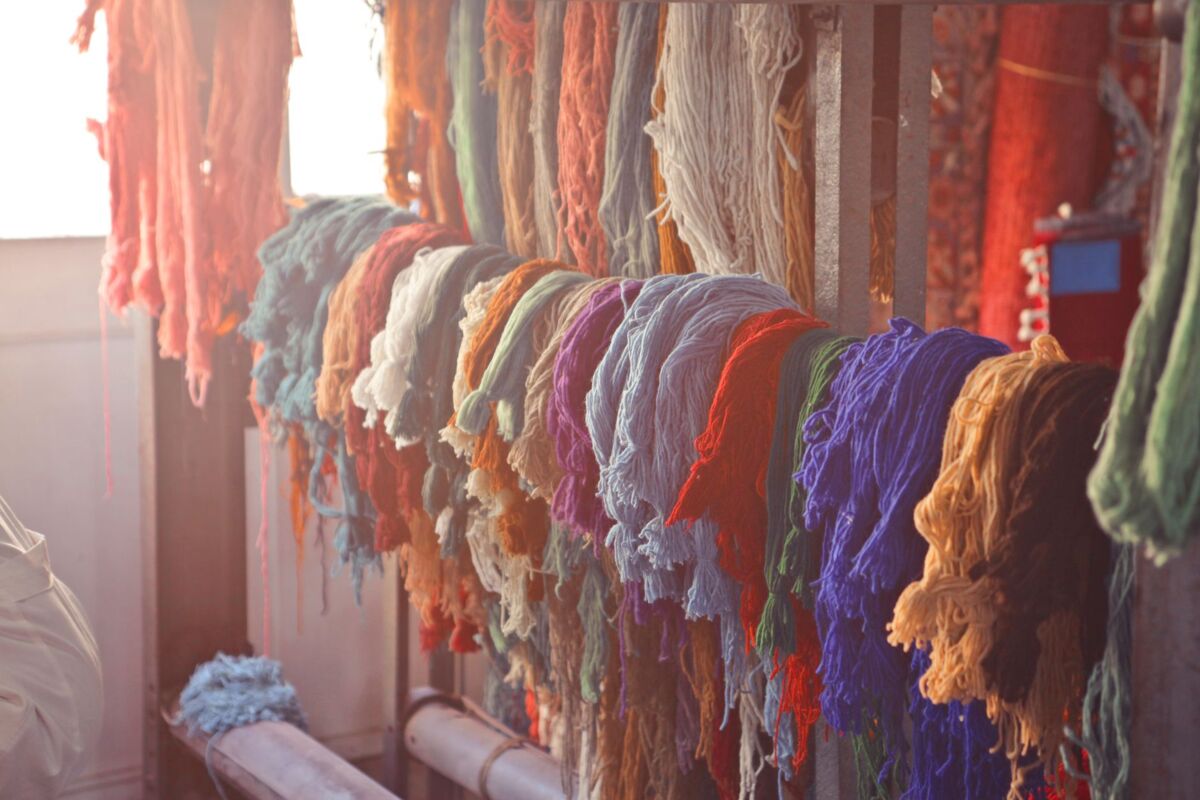
- Choose your yarn colours from the studio's wall of options.
- Tuft your design in, section by section, with the host on hand whenever you snag.
- Hand it over for trimming, carving, gluing and finishing while you take photos.
Session lengths in Singapore commonly run from around two to two-and-a-half hours for a small piece, up to roughly four hours or more for a larger frame. Smaller frames (think around 30 to 50 cm) are the easiest to finish in one sitting, which is the sweet spot for families and first-timers. Bigger frames are rewarding but tiring, so factor in that hands and shoulders get sore. Expect to wear closed shoes, tie back long hair, and accept that your first rug will be charmingly wonky. That is half the fun.
When can you take it home?
This catches people out. Some studios finish your piece on the spot so you walk out with it the same day, but many need extra time to glue, dry and add a felt backing, then have you collect it later or post it to you. Drying and finishing can take anywhere from a few hours to a couple of weeks depending on the studio and size. Ask about the collection or delivery timeline when you book so nobody leaves disappointed.
Private vs group, and how to choose a workshop
Studios usually offer two formats. A group or open session seats you alongside other walk-in bookings, which is more affordable and sociable. A private session books out the space for just your party, which is calmer, more flexible on timing and better for a family with mixed ages or a birthday group. For a parent-and-teen first try, either works; for a larger family booking, private often makes the experience smoother. When you are weighing up options, look at:
- Minimum age and supervision rules, since this decides whether your child can join at all.
- Session length and frame size, matched to your group's patience and energy.
- Private versus group, and the price difference between them.
- Beginner-friendliness, including whether templates and step-by-step guidance are provided.
- What is included, so you know if the gun, yarn, backing and finishing are all in the price.
- What you make, since some studios specialise in rugs while others do mirrors, coasters or cushions.
Roughly what does it cost?
Pricing depends heavily on session length, the size of your frame and whether you book a group or private slot, and it changes over time, so treat any figure you see online as a guide rather than gospel. As a rough sense, small pieces and short sessions sit at the lower end while large frames and private bookings cost more. The honest answer is to check the studio's official site or message them for current pricing before you commit, since older blog listings go stale quickly. To plan a family activity budget, our tools hub can help.
Safety, what to wear and what to bring
Tufting is very doable for beginners, but the gun deserves respect. A few sensible habits keep the session safe and comfortable:
- Wear closed-toe shoes. Most studios require them, since the needle works at speed and yarn offcuts cover the floor.
- Dress down. Wear clothes you do not mind getting fluffy or glue-marked. Bits of yarn get absolutely everywhere.
- Tie back long hair and remove dangling sleeves or scarves that could catch in the frame.
- Listen to the safety demo and keep fingers clear of the needle path. Hosts are watching, but young tufters need reminding.
- You usually do not need to bring materials. The gun, backing cloth, yarn and finishing are typically included, but confirm this when booking.
- Bring a water bottle and expect tired hands, especially on longer sessions. Short breaks help.
Where the studios are, and getting there
Singapore has a healthy cluster of tufting studios, mostly tucked into central and city-fringe pockets that are easy to reach by MRT or bus. You will find them in areas like the Circular Road and Clarke Quay riverside near Raffles Place, around Kampong Bahru and the Outram or Pearl's Hill stretch, and out toward Paya Lebar. Most are a short walk from a station, though a few sit in industrial or heritage buildings that need a little map-checking on the day.
Because studios open, relocate and update their booking slots often, always check the official website for the current address, opening hours and directions before you set off. For more weekend plans around these neighbourhoods, browse the wider play section and pair the day with another easy outing like a trip through Chinatown with the family if your studio sits on that side of town.
Make a half-day of it: food and pairing ideas
Tufting works beautifully as the centrepiece of a half-day out rather than a standalone errand. A Circular Road or Clarke Quay studio drops you minutes from riverside cafes and casual restaurants; the Outram and Pearl's Hill side puts hawker fare, kopi and bubble tea within easy reach; and a Paya Lebar booking sits close to several malls for a fuss-free meal afterwards. Because the craft is indoor and air-conditioned, it also makes a reliable rainy-day backup when an outdoor plan falls through.
If your tufters are the active sort, you can stack the day with another hands-on activity nearby. Energetic teens often enjoy a session of bouldering and climbing beforehand, while families who like a target-sport challenge can look into archery for families. Hungry already? Our family dining hub has more kid-friendly spots to round things off.
Good to know before you book
- Book ahead. Slots fill fast on weekends and school holidays, and most studios run by appointment rather than walk-in.
- Confirm the age policy in writing. Do not assume your child can join; message the studio and get the minimum age and supervision rules clear.
- Check what is included so there are no surprise add-ons for yarn, finishing or larger frames.
- Ask about sizes and timing. Bigger frames cost more and take longer, and they may not finish in one sitting.
- Clarify collection or delivery. Find out whether you take your piece home that day or pick it up or have it posted later.
- Arrive a few minutes early so the safety briefing and design choice do not eat into your tufting time.
Frequently asked questions
Is tufting safe for children?
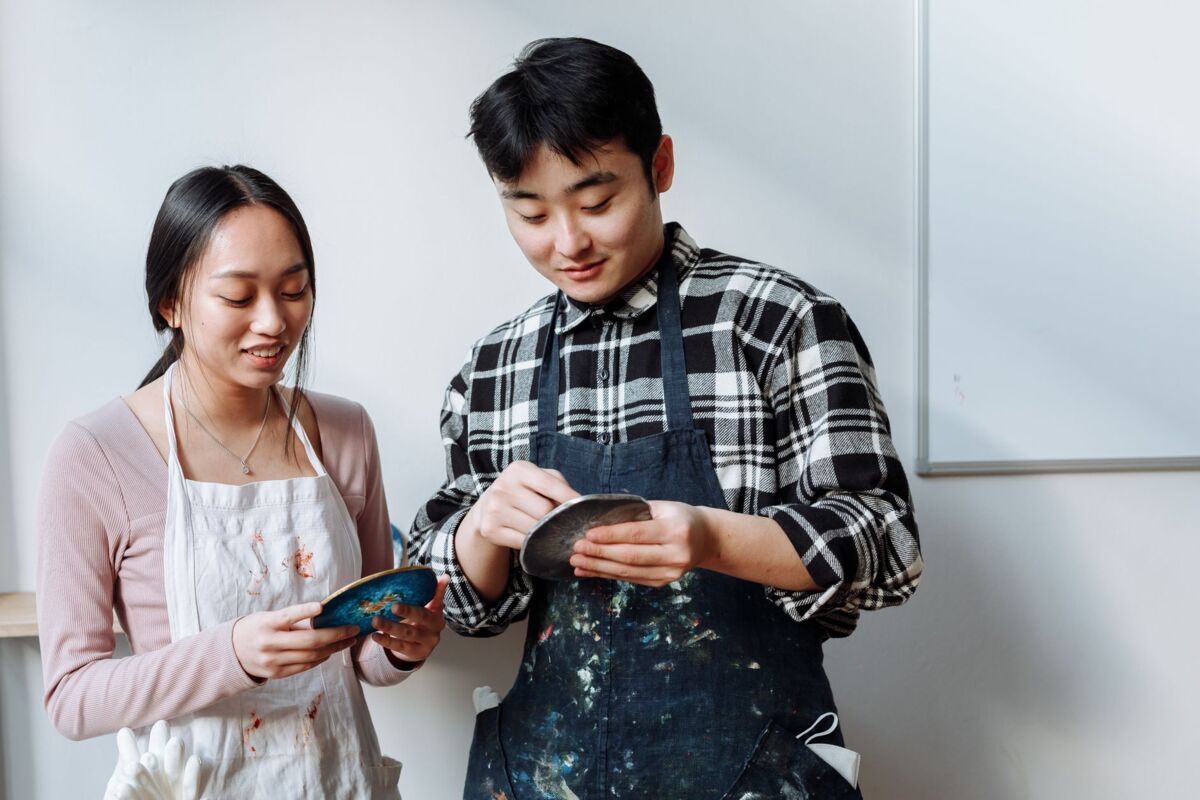
The tufting gun is a powered tool, so safety depends on the child's age and the studio's rules. Most studios set a minimum age (often somewhere from 12 to 16) and may require adult supervision or a signed indemnity for younger participants, while some do not accept young children at all. For primary-age kids, a punch-needle class is the gentler, safer alternative. Always check the studio's policy before you book.
What is the minimum age for a tufting workshop in Singapore?
There is no single rule. Minimums commonly land around 12 to 16 years old for using the gun independently, with some studios allowing younger kids only under close adult supervision. Because each studio sets its own policy and they change over time, confirm the exact age limit directly with your chosen studio.
How long does a tufting workshop take?
Most sessions run from around two to two-and-a-half hours for a small piece, up to roughly four hours or more for a larger frame. First-timers and families usually do best with a smaller frame that can be finished in one sitting.
How much does a tufting workshop cost?
Prices vary by studio, session length, frame size and whether you book a group or private slot, and they change over time, so we are not quoting fixed figures. Larger frames and private bookings cost more. Check the studio's official website or message them for current pricing.
Do we need any experience?
None at all. Workshops are designed for complete beginners, with a host guiding you through every step. Coming in with a simple design idea helps, but the studio handles the rest.
What do we take home?
Usually a finished rug, wall hanging, mirror surround, cushion or coaster, depending on what you chose to make. Some studios let you take it the same day, while others need time to glue, dry and back the piece, then have you collect it or post it to you. Ask about the timeline when booking.
Tufting is one of those rare activities that is photogenic, hands-on and sends everyone home with something they genuinely made together. Sort out the age question with your chosen studio first, dress for the fluff, and you are set for a memorable family afternoon. For more local outing ideas, keep exploring our play section.

Admiralty Park Family Guide: Singapore's Playground With the Most Slides
Family guide to Admiralty Park, the Singapore playground with the most slides. Play zones by age, inclusive swings, mang...
11 min read
Archery in Singapore: A Family Guide to Beginner Sessions for Kids
Archery in Singapore for families: how beginner sessions work, suitable ages for kids, indoor vs outdoor ranges, safety ...
9 min read
ArtScience Museum Family Guide: Future World, Tickets and Tips for Singapore Parents
A Singapore parent's guide to the ArtScience Museum: Future World with kids, tickets, the Family Friday free-child deal,...
9 min read