
Baby Choking First Aid: What Every Singapore Parent Should Know

In this article
Few moments are more terrifying than watching your baby go silent over a mouthful of food. This guide is for Singapore parents, grandparents, and helpers who want to understand how infant choking happens, how to tell a real emergency from harmless gagging, and the back blows and chest thrusts that first-aid courses teach for a baby under one. It is best read calmly, in advance. It is not a substitute for hands-on training, and does not replace a doctor or the emergency services. If you do one thing after reading, sign up for a certified infant CPR and first-aid course so the steps live in your hands, not just your head.

Why babies and toddlers are at higher risk
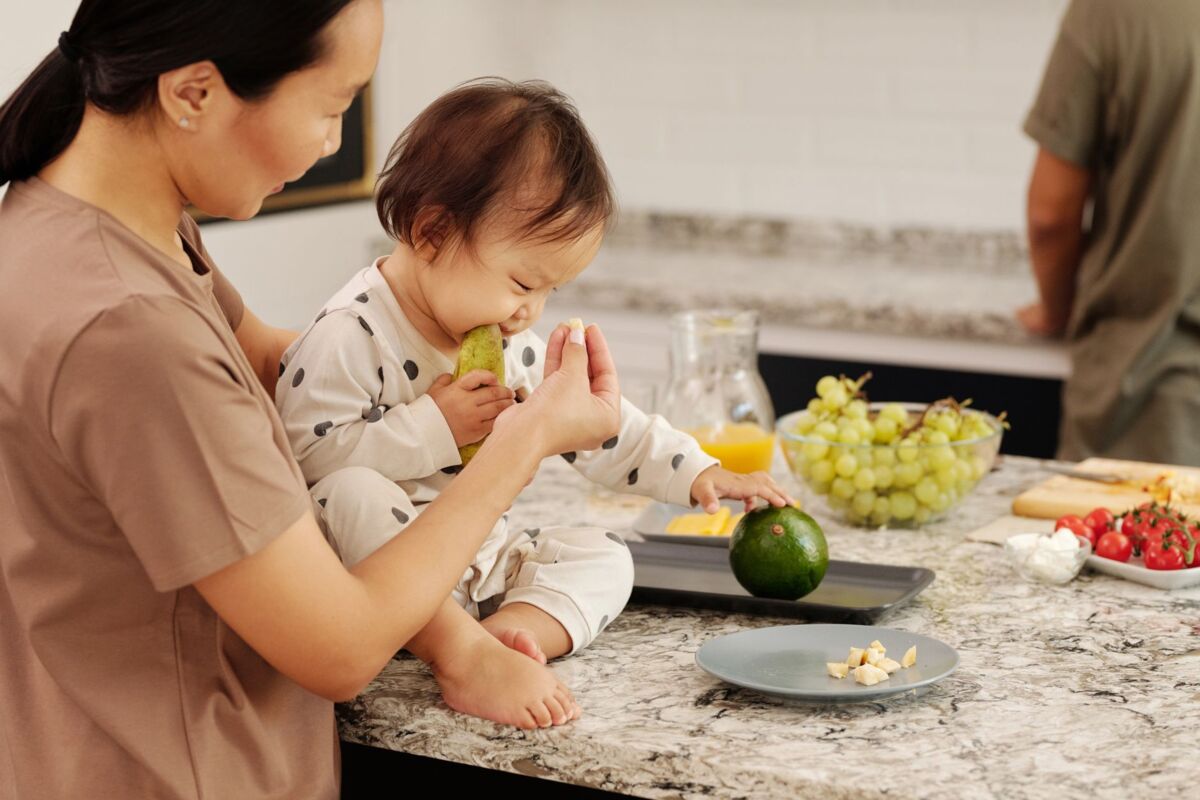
Little ones explore the world with their mouths, and their airways are narrow, roughly the width of a drinking straw. Their chewing and swallowing skills are still developing, so a piece of food or a small object can block the airway in seconds. In Singapore, health authorities note that most fatal choking incidents involve children under five, with the majority in babies and toddlers under two, exactly when curiosity peaks and constant supervision matters most.
The usual culprits fall into two groups. Foods that are round, firm, smooth, or sticky are the classic risk: whole grapes and cherry tomatoes, whole nuts, hard sweets, popcorn, chunks of raw apple or carrot, fishballs, sausages, and large spoonfuls of nut butter. The second group is everyday objects within a crawling baby's reach: button batteries, coins, marbles, pen caps, small toy parts, burst balloons, beads, and jewellery, all known hazards in Singapore homes.
Prevention comes first
The safest choking emergency is the one that never starts. None of these habits are complicated, but together they remove most of the everyday risk:
- Cut high-risk foods down to size. Quarter grapes and cherry tomatoes lengthwise, slice sausages and fishballs rather than leaving them round, and cook or grate firm fruit and vegetables soft.
- Hold off on whole nuts, hard sweets, popcorn, and large chunks for young children. Follow age guidance from your paediatrician or HealthHub, introducing textures gradually as chewing improves.
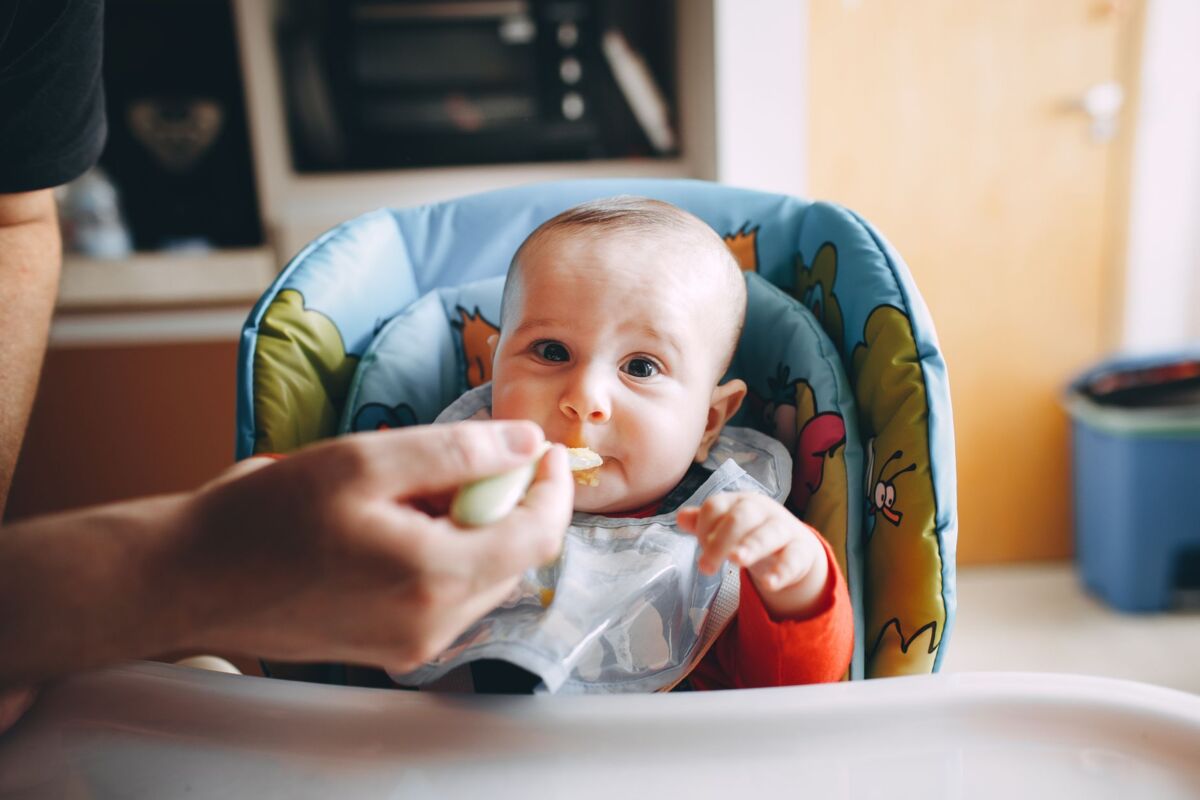
- Make mealtimes calm and seated. Have your child sit upright, ideally in a high chair, and never feed a baby who is crying, lying down, or moving around.
- Turn off screens at the table, since a distracted toddler is more likely to choke.
- Scan the floor at a baby's eye level, keeping coins, button batteries, magnets, and tiny toy parts out of reach.
- Let your baby set the pace, with no second spoonful until the first is swallowed.
Choking risk and feeding milestones go hand in hand, so get weaning right from the start. Our guide to starting solids in Singapore walks through textures by age, and the baby-proofing checklist covers the small objects and batteries worth locking away before your little one crawls.
True choking versus gagging: know the difference
Gagging looks dramatic but is usually a good sign. It is the body's reflex pushing food away from the airway, and a gagging baby will typically make plenty of noise, cough or splutter, go red, and bring the food forward. As alarming as it looks, the safest thing is to stay close, stay calm, and let your baby work it out. A slap on the back can actually turn a gag into a choke.
True choking is quieter, and that silence is the warning. The airway is blocked, so the usual noise stops. Watch for:
- A weak, ineffective cough, or no sound at all despite obvious effort
- Difficulty breathing, or a high-pitched whistling or crowing noise on breathing in
- A look of panic, with wide eyes; an older baby may clutch at the throat
- Skin, lips, or face turning blue, grey, or dusky
- Going floppy, limp, or losing consciousness
The simple rule taught in courses: if the cough is forceful and the baby is still making noise, encourage it and stay close. The moment the cough turns weak or silent, or the baby cannot breathe, treat it as choking and step in straight away.
Infant first aid: back blows and chest thrusts
What follows mirrors what Singapore first-aid courses, including the Singapore Heart Foundation and Singapore Red Cross, teach for a conscious choking baby under one year old. For infants, the technique alternates back blows with chest thrusts, and does not use abdominal thrusts. Read it to understand the shape of the response, then learn it properly on a manikin, because positioning and the right amount of force are hard to get right from text alone.
Step 1: Up to five back blows
Support the baby face down along your forearm, cradling the jaw and head in your hand without pressing on the throat. Rest that forearm on your thigh so the head is lower than the chest, letting gravity help. With the heel of your other hand, deliver up to five firm blows between the shoulder blades, checking after each to see whether the object has come out.
Step 2: Up to five chest thrusts
If back blows have not cleared the blockage, turn the baby face up along your other forearm, again resting on your thigh with the head lower than the chest. Place two fingers on the centre of the breastbone, just below the nipple line, and give up to five chest thrusts, aimed at forcing air up to pop the object out.
Step 3: Check, then repeat the cycle
After each round, look inside the mouth. If you can clearly see the object, remove it with a single hooking sweep of your little finger. Never do a blind finger sweep, because feeling around without seeing can push the blockage deeper or damage the throat. If the airway is still blocked and the baby is conscious, keep repeating the cycle of up to five back blows then up to five chest thrusts, and make sure 995 has been called.
If your baby becomes unresponsive
This is the part parents most need to hear in advance, because it is when seconds count. If the baby stops responding, goes limp, and is not breathing normally, stop the choking routine and start infant CPR immediately, making sure 995 has been called and an AED is on the way. Infant CPR uses two fingers on the centre of the chest, compressing about a third of the chest depth (roughly 3 to 4 cm) at 100 to 120 a minute, in cycles of 30 compressions to 2 gentle breaths, with your mouth sealed over both the baby's mouth and nose. Each time you open the airway, glance inside and remove an object only if you can see it. This is exactly the skill a hands-on course drills in.
After a choking episode: when to still see a doctor
Even after the object comes out, some situations need a medical review. Take your child to a doctor or A&E if:
- The baby lost consciousness at any point, even briefly
- Chest thrusts or CPR were performed, as internal injury is possible and not always visible
- There is an ongoing cough, noisy breathing, drooling, or trouble swallowing, which can mean something is still lodged
- You suspect a button battery or sharp object was swallowed, even if the baby looks well, as button batteries can cause severe internal burns within hours
When to call 995
In Singapore, call 995 for an ambulance immediately if your baby:
- Cannot breathe, cry, or make any sound
- Is turning blue or grey, going floppy, or losing consciousness
- Is still choking after your first attempts at back blows and chest thrusts
- Has swallowed or may have swallowed a button battery, magnet, or sharp object, even if they seem fine
If you are completely alone, the advice taught in courses is to start first aid right away and call 995 as soon as you can, putting the phone on speaker so your hands stay free. The 995 call-takers are trained to coach you through choking relief and CPR while the ambulance is on its way, so stay on the line. It also helps to save your usual clinic's number alongside 995, and to know your nearest hospital with a children's A&E before you ever need it.
Take a hands-on infant CPR and first-aid course
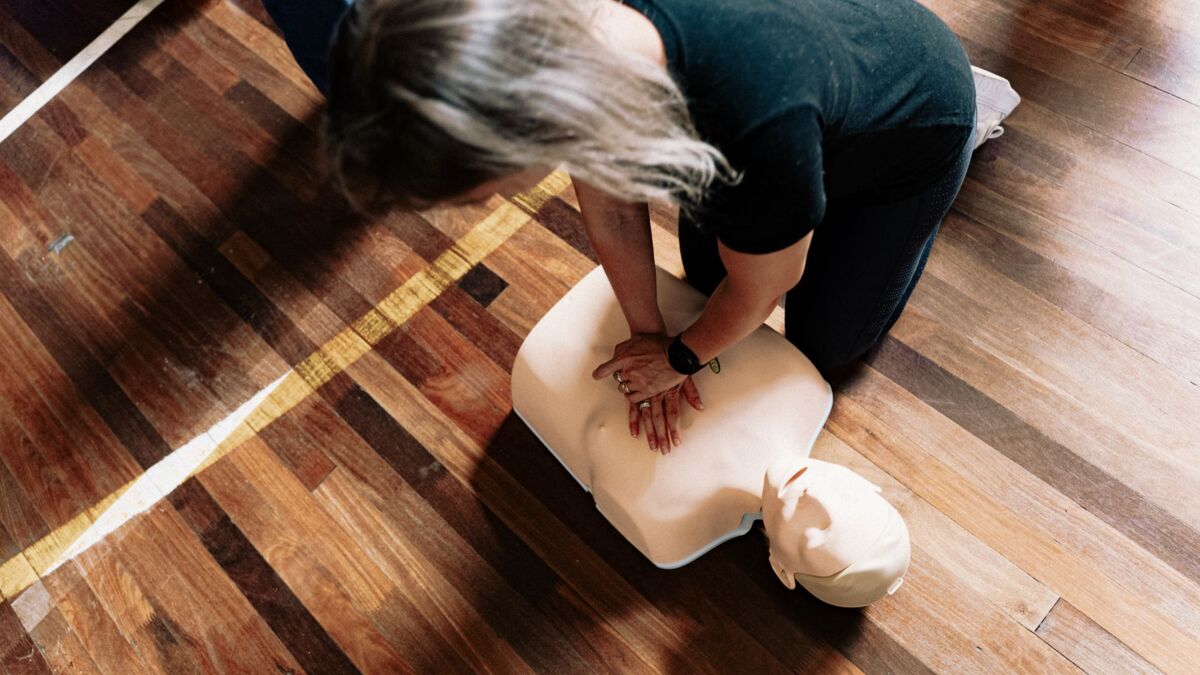
Reading about back blows and infant CPR is a useful start, but in a real emergency it is muscle memory that takes over. A short, hands-on course lets you practise on an infant manikin until the moves feel natural, corrects positioning mistakes you would never spot alone, and covers situations a single article cannot. Many Singapore parents find the few hours among the best-spent of the whole baby-prep season.
In Singapore, look for an infant and child first-aid or CPR course run by a provider accredited by the Singapore Resuscitation and First Aid Council (SRFAC). Well-known options include the Singapore Red Cross, the Singapore Heart Foundation, and St John Singapore, alongside smaller training centres and parent-focused specialists. Courses range from short parent-and-helper sessions of a few hours to fuller child first-aid certifications over a couple of days, often blending online and classroom learning. Confirm current dates, format, and fees on the provider's official site, as these change.
Our strong recommendation is to have at least one parent, and ideally both parents plus any regular caregiver or domestic helper, complete a certified infant CPR and first-aid course before or soon after baby arrives. Everyone who looks after your baby should know the same steps, so the response is the same no matter who is holding the baby.
While you are getting prepared, it helps to know the other infant health red flags. Our guides on when a baby fever is worth worrying about and newborn care basics cover the everyday judgement calls that come up most, and you can browse the rest in our Learn hub.
Frequently asked questions
How many back blows and chest thrusts do you give a choking baby?
For a conscious baby under one, courses teach up to five back blows between the shoulder blades, then up to five chest thrusts with two fingers on the centre of the breastbone just below the nipple line, repeating the cycle until the object clears, the baby breathes or cries, or the baby becomes unresponsive. Check the mouth after each round and remove an object only if you can clearly see it.
Why can't I use the Heimlich manoeuvre on a baby?
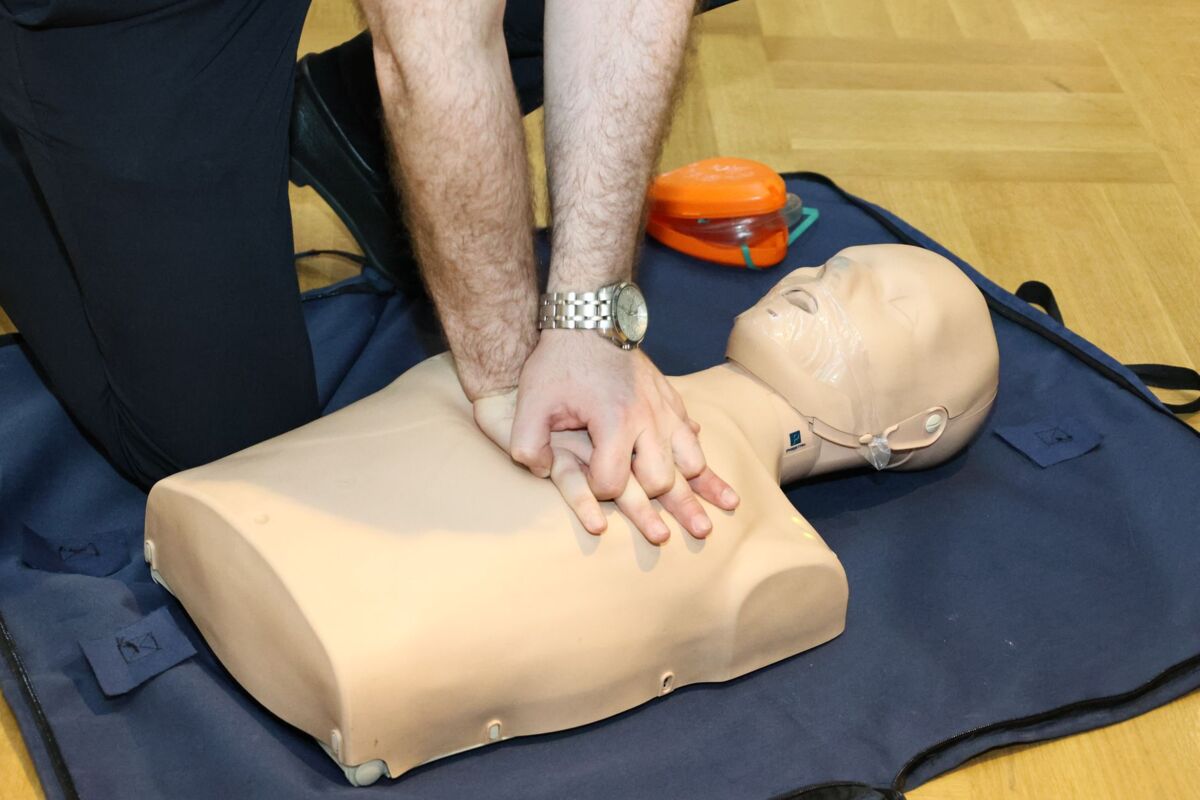
Abdominal thrusts, the Heimlich manoeuvre, are not used on babies under one. An infant's liver and other organs sit higher and closer to the surface, so abdominal force can cause serious internal injury. Babies get back blows and chest thrusts instead. Abdominal thrusts are taught for children over one, which is why a course matching your child's age matters.
Should I do a finger sweep to fish out the object?
No blind finger sweeps. If you can clearly see the object, remove it with a single hooking motion of your little finger. Sweeping a finger around when you cannot see anything risks pushing the blockage deeper or injuring the throat, so it is avoided in modern first aid.
What is the difference between gagging and choking?
Gagging is loud and active: the baby coughs, splutters, goes red, and pushes food forward, the airway protecting itself, so stay calm and let it run its course. Choking is quiet because the airway is blocked. If the baby cannot make noise, has a weak or silent cough, struggles to breathe, or turns blue, treat it as choking and act at once.
My baby choked but seems fine now. Do I still need to see a doctor?
Often the baby is fine once the object is out. But see a doctor if your baby lost consciousness, needed chest thrusts or CPR, has a lingering cough, noisy breathing, drooling, or trouble swallowing afterwards, or may have swallowed a button battery or sharp object even while looking well.
Where can I learn infant first aid and CPR in Singapore?
Look for an infant and child first-aid or CPR course from an SRFAC-accredited provider such as the Singapore Red Cross, Singapore Heart Foundation, or St John Singapore, plus parent-focused training centres. Sessions range from a few hours to a couple of days. Confirm current dates, format, and fees on the provider's own website.


Colic vs Reflux in Babies: A Singapore Parent's Guide to Soothing and Knowing When to Worry
Tell baby colic, reflux and wind apart in Singapore: what's normal, soothing tips that help, safe-sleep rules and the re...
10 min read
Baby Eczema in Singapore: Calm Skin in a Hot, Humid Climate
A calm, practical guide to baby eczema in Singapore: hot, humid-climate triggers, soak-and-seal moisturising, managing t...
11 min read
Baby Fever in Singapore: When to Worry and When to Wait
Baby fever in Singapore explained: what counts as a fever, why under 3 months is urgent, red flags, safe home care, febr...
10 min read