

Baby Eczema in Singapore: Calm Skin in a Hot, Humid Climate
In this article
- What baby eczema actually is
- Eczema or cradle cap? Telling them apart
- Why Singapore's climate makes it harder
- The cornerstone: moisturise often, the right way
- Soak and seal: making baths work for you
- Managing the itch-scratch cycle
- Prescription treatments: what parents should know
- Reducing triggers at home
- When to see a doctor
- Frequently asked questions
- The reassuring part
If your baby's cheeks, neck folds or the creases behind the knees keep turning dry, pink and itchy, you are far from alone. Eczema is one of the most common skin conditions in Singapore babies, and our warm, sticky weather can make it feel like a flare is always around the corner. The reassuring truth: eczema is not curable, but it is very manageable, and most children's skin settles a great deal with steady, gentle care, with many improving as they grow. This guide is for parents of babies and toddlers who want a clear, no-panic plan for daily skin care in our climate, plus the honest signs that mean it is time to see a doctor. It is general information, not a diagnosis, so please pair it with advice from your GP, polyclinic, paediatrician or a skin specialist.
What baby eczema actually is
The common type of eczema in babies is called atopic dermatitis. It is a long-term, recurring condition in which the skin's outer barrier does not lock in moisture as well as it should. Water escapes too easily and irritants slip in too easily, so the skin turns dry, itchy, red, and sometimes rough, scaly or weepy. Rather than staying constant, it tends to settle and then flare in cycles.
Eczema is genuinely common here. Local health information notes that around one in five school-age children in Singapore is affected, so this is well-trodden ground for paediatricians and family doctors. In babies it often shows up first on the cheeks and scalp, then later in the elbow creases, behind the knees and around the neck as your child grows.
It is not contagious, and it is not something you caused. It often runs in families that have a history of allergic conditions such as asthma and a sensitive nose (allergic rhinitis), because the same skin-barrier and immune tendencies tend to travel together. There is no instant cure, but the day-to-day picture is very treatable, and HealthHub notes that good moisturising, sensible self-care, and medication from a doctor when needed can keep symptoms well under control.
Eczema or cradle cap? Telling them apart
Many parents mix up cradle cap with eczema, so it helps to know the difference. Cradle cap is the yellowish, greasy, flaky or crusty patches you see on a newborn's scalp, and sometimes the eyebrows or behind the ears. It usually appears in the first weeks or months, does not seem to itch or bother your baby, and tends to clear on its own. Eczema, by contrast, is itchy, can appear anywhere, and comes and goes in flares.
To ease cradle cap along, you can gently massage a little baby-safe oil or plain moisturiser into the scalp to soften the crusts, leave it a short while, then wash with a mild baby shampoo and loosen the flakes with a soft brush. Do not pick or scratch the crusts off, as that can break the skin and invite infection. If a patch looks very red, spreads, weeps fluid, or you simply are not sure whether it is cradle cap or eczema, have your doctor take a look.
Why Singapore's climate makes it harder
Our weather is a double challenge for eczema-prone skin. You might assume high humidity is good for dry skin, but the bigger problem here is heat and sweat: when a baby gets hot and sweaty, the salt in sweat irritates sensitive skin and sets off the itch almost instantly. Then there is the daily swing between hot, humid outdoors and cold, dry air-conditioning indoors, which strips moisture and leaves skin even drier. The same warmth and humidity also help dust mites and skin bacteria thrive, both of which can stir up flares.
Common triggers worth keeping an eye on in our climate:
- Heat and sweat from the humidity, prams, baby carriers, and one layer too many
- Cold, dry air-conditioning that pulls moisture out of the skin
- Fragrances and harsh ingredients in soaps, bubble baths, laundry detergents and wet wipes
- Rough fabrics, wool, and clothing tags rubbing against the skin
- Dust mites in bedding, soft toys, carpets and the family bed
- Saliva and food smeared on the cheeks and chin during teething and weaning
- Skin infections, coughs and colds, which can tip eczema into a flare
The cornerstone: moisturise often, the right way
If you take away one thing, let it be this: frequent moisturising is the foundation of eczema care. A good layer of emollient (moisturiser) rebuilds the skin barrier, holds water in, and keeps the dryness and itch at bay between flares. It is not a luxury step, it is the treatment that does most of the quiet work.
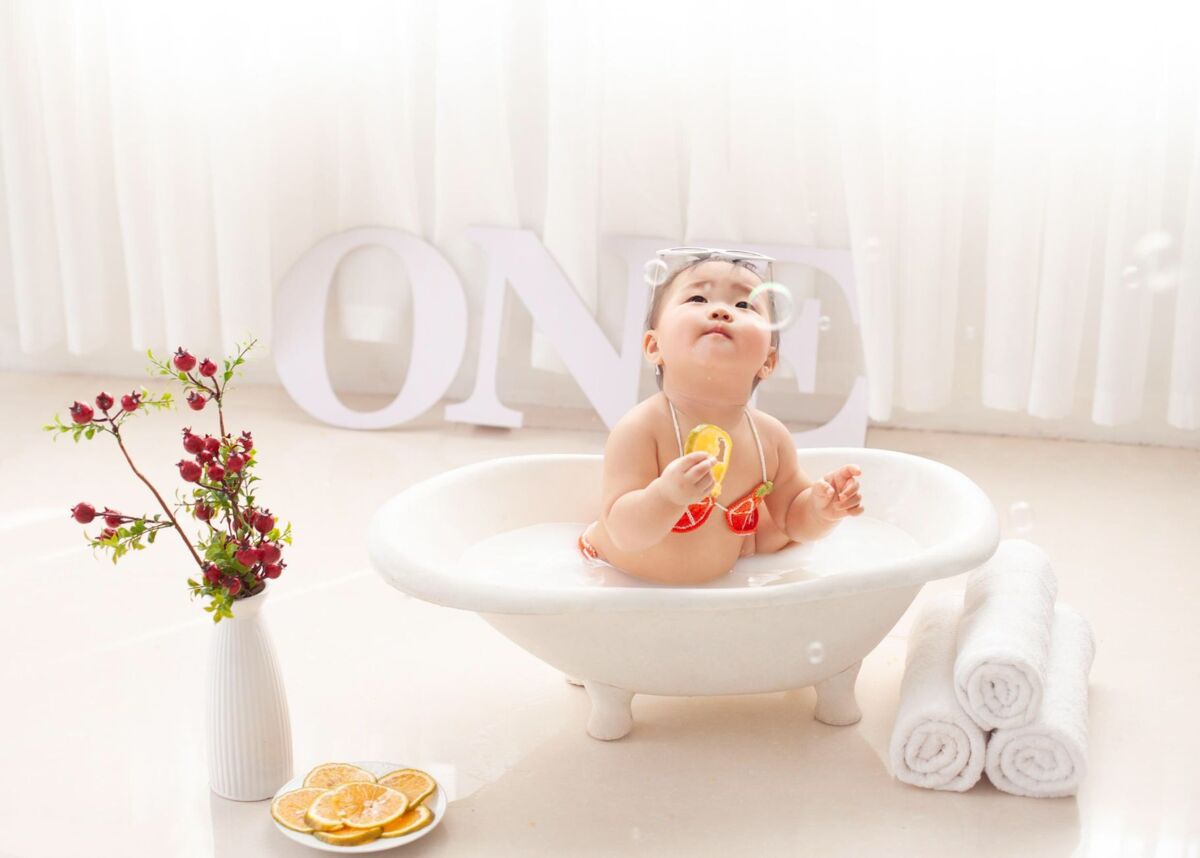
- Moisturise at least twice a day, and more whenever the skin looks or feels dry. Be generous; smooth it on in the direction the fine hairs lie rather than rubbing back and forth.
- Choose fragrance-free, dye-free products made for sensitive or eczema-prone skin. Thicker creams and ointments hold moisture better than thin, watery lotions.
- Use a mild, soap-free, fragrance-free cleanser instead of regular soap or bubble bath, which strip natural oils.
- Keep your baby's nails short and consider light cotton mittens at night so that any scratching does less damage.
- Introduce new products one at a time, so if something does not agree with your baby's skin you can spot it quickly.
Soak and seal: making baths work for you
Baths can either dry skin out or top it up, depending on how you do them. The approach many doctors recommend is sometimes called soak and seal: hydrate the skin in the water, then immediately seal that moisture in with emollient before it evaporates.
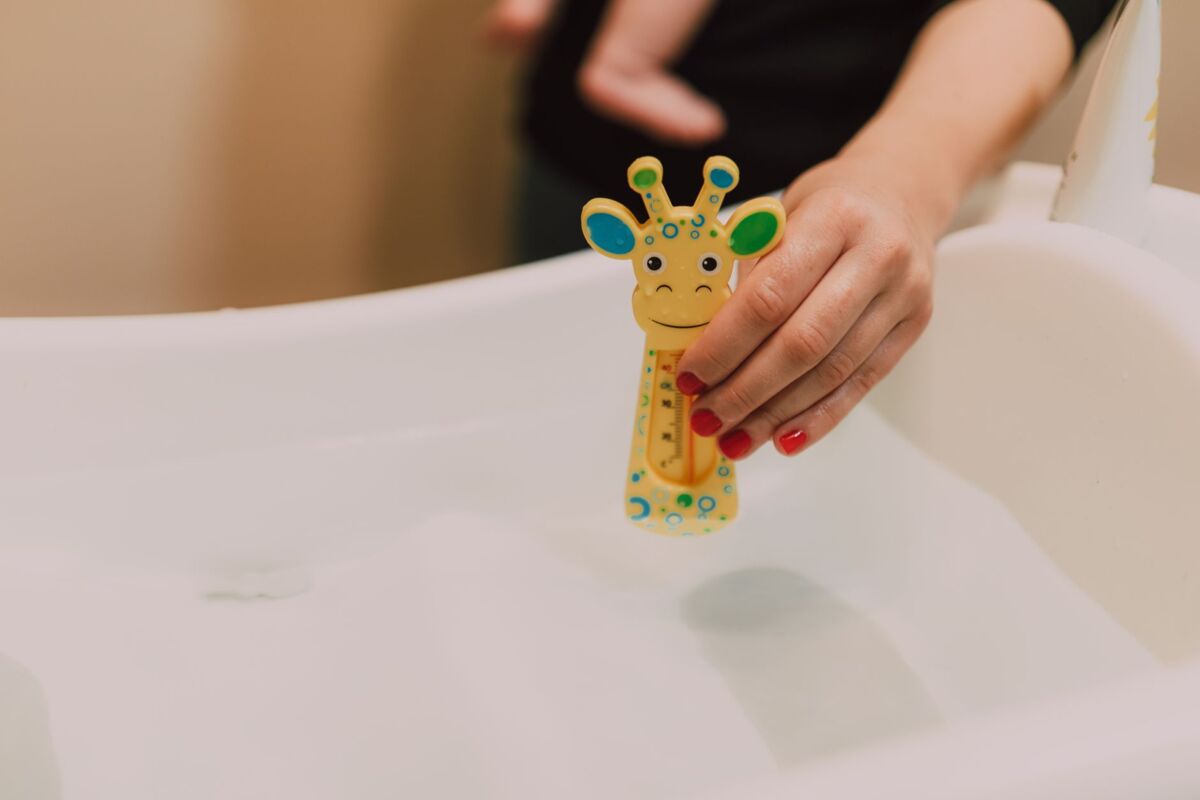
- Keep baths short and lukewarm, not hot. Hot, long soaks strip the skin's natural oils and leave it drier afterwards. Around five to ten minutes is plenty.
- Wash with a gentle, soap-free, fragrance-free cleanser only where needed, and skip the bubble bath.
- Pat the skin gently with a soft towel until it is just slightly damp, rather than rubbing it dry.
- Within a few minutes, while the skin is still a little moist, apply a generous layer of moisturiser all over to lock the water in.
For stubborn dry, itchy patches, a doctor may suggest a cool, damp compress or guide you through wet wrap dressings, where a moist layer is worn under a dry one for a few hours to calm and rehydrate the skin. These are helpful techniques, but do the wraps under medical guidance rather than improvising at home. For the wider routine of bathing, skin and daily care, our newborn care basics guide walks through the gentle fundamentals.
Managing the itch-scratch cycle
Itch is the hardest part of eczema. Scratching damages the skin, which makes it itchier, which leads to more scratching, and a flare can spiral from there. You cannot stop a baby wanting to scratch, but you can blunt the urge and protect the skin while it heals.
- Keep up the moisturising even more than usual during a flare, since well-hydrated skin itches less.
- Apply a cool, damp compress to an itchy patch for a few minutes to take the edge off.
- Keep your baby cool; sweat and overheating make the itch worse, so loose cotton and a comfortable room temperature help.
- Trim nails and use soft cotton mittens or long sleeves at night, when scratching often peaks.
- Distract and comfort, and where a child is old enough, gently redirect them to press or pat an itchy spot instead of scratching it raw.
Eczema often flares at night and can disrupt sleep for the whole household. If poor sleep is becoming a pattern, mention it to your doctor; it is a real reason to review the plan, not something to tough out. A doctor may suggest an antihistamine in some cases to help with rest, but only on their advice.
Prescription treatments: what parents should know
When regular moisturising is not enough to settle a flare, a doctor may prescribe a treatment such as a topical steroid cream to bring the inflammation down, or a non-steroid option in some cases. Used as directed, these are an established and effective part of eczema care.
A few honest points. First, follow your doctor's instructions on which product, how much, where, and for how many days; the right choice depends on your baby's age, the body area and the severity, which is why it needs a professional rather than a one-size answer. Second, try not to fall into steroid phobia: under-treating a flare out of worry can let the eczema drag on and the skin break down further, which carries its own risks. Many parents feel more confident once a doctor shows them how to use a cream safely. Third, never borrow someone else's prescription cream or use an adult product on your baby without checking first. If you are anxious about any treatment, that is a conversation to have with your doctor.
Reducing triggers at home
You will not eliminate every trigger, and you do not need to. The goal is to soften the ones you reasonably can while keeping family life livable.
Dust mites and bedding
Our humidity is friendly to dust mites, which can aggravate eczema and allergies. Washing bedding regularly in hot water, keeping soft toys to a minimum in the cot, and reducing carpets and heavy fabric in the sleeping area can all help. Dust-mite-proof covers for the mattress and pillows are an option worth discussing with your doctor if allergies seem to be playing a part.
Clothing and laundry
Soft, loose cotton is your friend; it breathes, absorbs sweat and is kinder than wool or rough synthetics. Wash new clothes before first wear, use a fragrance-free or sensitive-skin detergent, skip the fabric softener, and give laundry an extra rinse to clear detergent residue.
Food and weaning
Food can sometimes play a role in eczema, but this is an area to handle carefully. Do not cut foods out of your baby's diet on a hunch, and never restrict a baby's nutrition without medical guidance, as that can do more harm than good. If you genuinely suspect a food trigger or notice reactions around feeds, raise it with your doctor, who can advise on proper assessment. When you are starting your baby on solids, our guide to starting solids in Singapore covers introducing new foods sensibly.
When to see a doctor
Most mild eczema can be managed at home with good skin care. See your GP, polyclinic doctor or paediatrician if you notice any of the following:
- The skin is not improving after a week or two of careful, consistent home care
- Signs of infection: oozing or weeping fluid, yellow or honey-coloured crusting, spreading redness, swelling, warmth, pus, or fever
- Painful clustered blisters or sores that worsen quickly, which need same-day medical attention
- The itch is clearly disturbing your baby's sleep, feeding or mood
- The rash is widespread, very raw, or you are simply unsure what it is
- You suspect a particular food or product is triggering flares and want proper guidance
For a diagnosis and a tailored plan, your regular GP, a polyclinic, or your child's paediatrician is a sensible first stop, and they can refer you to a skin specialist (such as a dermatologist or the National Skin Centre) if the eczema is severe or stubborn. If you would like to find a clinic near you, our paediatrician map can help. And if your little one also runs a temperature, our guide on baby fever and when to worry can help you judge whether it needs urgent attention.
Frequently asked questions
Will my baby grow out of eczema?
Many do. Eczema often eases as children get older and their skin barrier matures, and a good number see it settle significantly by school age. It is not guaranteed for every child, and some carry a tendency to dry, sensitive skin into later years, but the overall outlook is encouraging. The aim is comfortable, well-moisturised skin most of the time, not flawless skin every single day.
Does the haze or air-conditioning make baby eczema worse?
Both can. Cold, dry air-conditioning pulls moisture from the skin, so keep it at a comfortable rather than icy setting and keep moisturising. During hazy spells, poorer air quality can irritate sensitive skin and eyes, so keeping babies indoors with good air filtering on bad days, and staying on top of moisturising, is sensible.
Is it safe to use a topical steroid cream on my baby?
When prescribed by a doctor and used exactly as directed, topical steroids are a well-established and effective part of eczema care for babies. The key is using the product, amount and duration your doctor advises. If you have worries, ask your doctor to walk you through how to apply it safely rather than avoiding treatment altogether, which can let a flare drag on.
Could a food allergy be causing my baby's eczema?
Food can be a factor for some babies, but it is far from the only cause, and most eczema is driven by the skin barrier and environment. Do not remove foods from your baby's diet on your own. If you suspect a food trigger, see your doctor, who can assess properly and guide any changes safely.
How do I keep my baby from scratching at night?
Moisturise well before bed, keep the room cool so sweat does not trigger the itch, dress your baby in soft cotton with long sleeves, trim the nails short, and use cotton mittens if scratching is a problem. A cool compress before settling can help too. If nights are consistently broken by itching, tell your doctor so the plan can be reviewed.
Should I bath my baby less often if they have eczema?
You do not need to skip baths. A short, lukewarm bath with a gentle, soap-free cleanser, followed immediately by a generous layer of moisturiser (the soak and seal idea), can actually help by hydrating the skin and then sealing it in. It is hot, long soaks and harsh soaps that dry skin out, not gentle daily bathing.
The reassuring part
Eczema can be tiring, especially on the nights when the itch wins. But it is common, it is treatable, and for many children it eases with age as the skin barrier matures. Steady, gentle habits do most of the work: moisturise often, keep your baby cool, soak and seal at bath time, soften the triggers you reasonably can, and lean on your doctor for the rest. For more guides on caring for your little one, browse the learn library.

Baby Choking First Aid: What Every Singapore Parent Should Know
Baby choking first aid in Singapore: spot true choking, do infant back blows and chest thrusts, know when to call 995, a...
11 min read
Colic vs Reflux in Babies: A Singapore Parent's Guide to Soothing and Knowing When to Worry
Tell baby colic, reflux and wind apart in Singapore: what's normal, soothing tips that help, safe-sleep rules and the re...
10 min read
Baby Fever in Singapore: When to Worry and When to Wait
Baby fever in Singapore explained: what counts as a fever, why under 3 months is urgent, red flags, safe home care, febr...
10 min read