

Best Baby Swings and Bouncers in Singapore
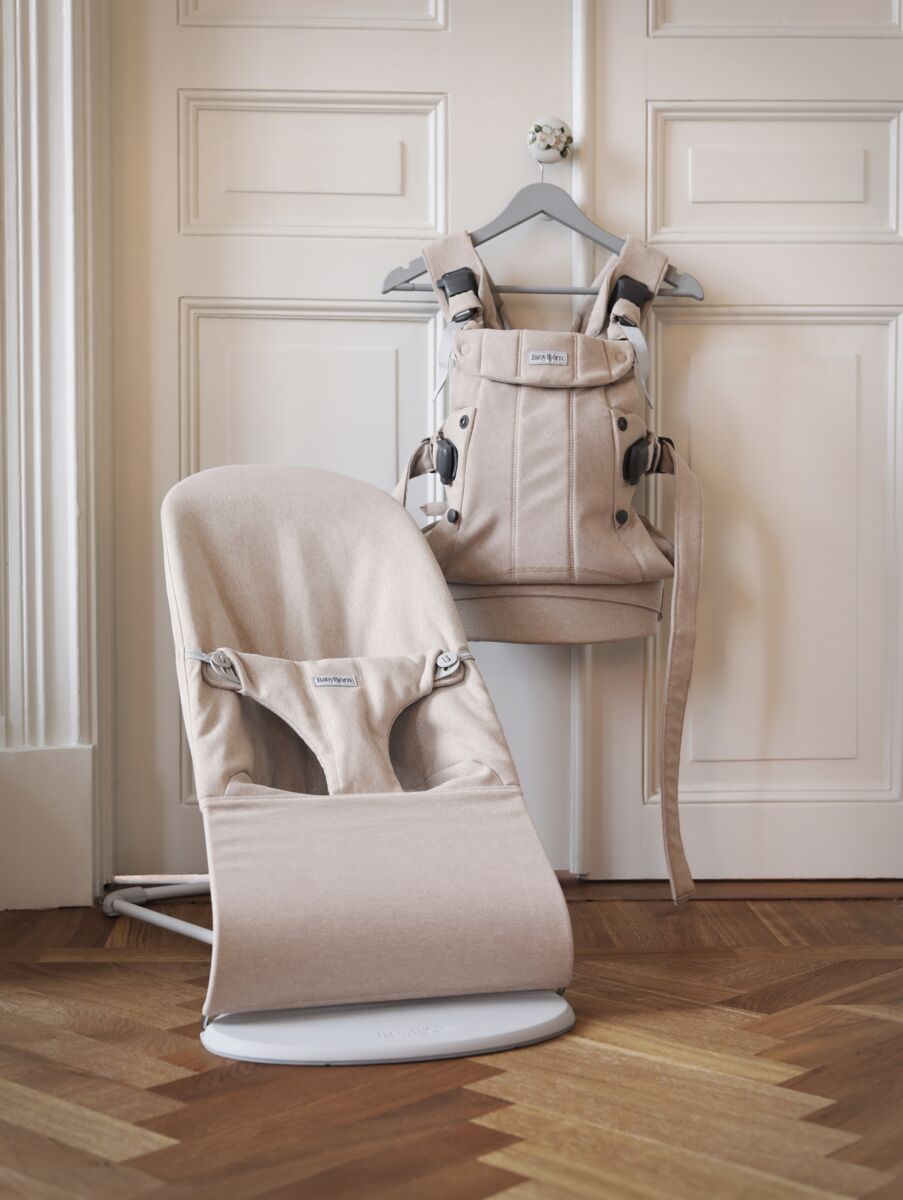
In this article
If you have spent any stretch of the newborn weeks pacing the living room of a three-room HDB flat, you already understand the appeal of a baby swing, bouncer or rocker. These seats buy you two free hands - long enough to eat a proper meal, fold the laundry, or simply sit down. But the category is genuinely confusing: the words swing, bouncer and rocker get used interchangeably by shops and friends, prices range from under fifty dollars to several hundred, and the marketing rarely mentions the single most important safety rule. This guide is written for Singapore parents trying to choose just one of these seats without overspending, fitting it into a small flat, and using it safely. We will cover what each type actually does, what to look for, the brand families you will see in local stores, and a critical safety section that every parent should read before a baby ever falls asleep in one.
Swing vs bouncer vs rocker: what is the difference?
All three are seats that soothe a baby through motion, but the motion and the mechanism differ, and that changes which one suits your home and your baby.
Baby swings
A swing moves the baby in a steady, repeating arc - usually side to side or head to toe - powered by a motor or, on older designs, a wind-up mechanism. Many add features like vibration, music, a mobile of hanging toys, and a few speed settings. Swings tend to be the largest of the three, with a fixed frame, so they ask the most of your floor space. The appeal is hands-free, consistent motion: you put the baby in, choose a speed, and the swing does the rocking you would otherwise do yourself.
Baby bouncers
A bouncer is a lightweight seat on a springy or curved frame that bounces in response to the baby's own movements. Most are not motorised; the gentle bounce comes from your baby kicking or wriggling, or from you tapping the seat with a foot. Some add a battery-powered vibration unit. Bouncers are the most compact and portable of the three, which makes them the natural pick for small flats. They are also the seat babies often use for short awake time - watching you cook, or having a few minutes of play with a toy bar.
Baby rockers
A rocker sits between the two. It rocks back and forth on curved legs or a glider mechanism, either pushed by you or self-powered by the baby. Several modern seats are sold as 2-in-1 bouncer-rockers, where a stand can be locked still for a stationary seat or unlocked to rock. Rockers are usually lighter than swings and offer that soothing back-and-forth without a motor and without taking up a swing's footprint.
The safety rules that matter most
This is the part of the decision that no shop window will show you, and it matters more than any feature on the box. Inclined baby seats - swings, bouncers and rockers all recline the baby at an angle - are designed for awake, supervised use only. They are not sleep products, and using them as one carries a real risk.
Beyond the sleep rule, a few habits keep these seats safe day to day:
- Always buckle the harness, even for a quick sit. Babies wriggle, arch and slide faster than you expect.
- Keep the seat on the floor, never on a kitchen counter, bed or sofa, to remove any fall risk.
- Stop using the reclined seat for naps as soon as your baby shows signs of rolling or pushing up, and follow the weight and age limits printed by the maker.
- Supervise the whole time. These are not a place to leave a baby unattended, in another room, or near pets or older siblings.
- Check the frame, straps and battery compartment regularly for wear, and register the product so you are notified of any recall.
If you want the full picture on where your baby should actually sleep, our guide to the best baby cots in Singapore covers firm, flat sleep surfaces in detail, and our newborn care basics guide walks through safe-sleep positioning from day one.
What to look for when choosing
Once safety is settled, the rest of the decision comes down to fit, features and how much you will realistically use the seat. Here are the things worth checking before you pay.
Safety harness
Look for a secure harness with a buckle that is easy for you to operate but not for the baby. A 3-point harness (waist and crotch) is common on bouncers; a 5-point harness (shoulders, waist, crotch) gives more support and is worth having if you can. The straps should adjust to grow with the baby and sit snugly without digging in.
Recline and support
Newborns need good head and neck support and a fairly flat-but-not-flat recline for awake time. An adjustable recline is useful because the angle that suits a floppy newborn is different from what an older, more upright baby wants. Built-in newborn inserts can help the smallest babies sit centred and supported - just remember none of this makes the seat safe for sleep.
Motorised vs manual
Motorised swings rock without you, which is the whole point for an exhausted parent, but they cost more, weigh more and rely on power. Manual bouncers and rockers are cheaper, lighter and need nothing but a foot or the baby's own kicks. Be honest about whether you want the convenience of a motor enough to give up floor space and pay the premium - plenty of babies are perfectly happy in a simple bouncer.
Weight and age limits
Every seat has a minimum and maximum. Most start from birth and many are rated to around 9 kg for bouncers, with swings sometimes going higher. The practical limit is often the baby's development rather than weight: once a baby can sit up unassisted or push up onto hands and knees, the reclined seat is usually outgrown. Read the manual's limits and treat them as firm, not aspirational.
Washable covers and fabric
Babies posset, drool and have nappy leaks - it is not a question of if but when. A seat cover that unclips and goes in the washing machine will save you a lot of grief. Check that the fabric is breathable, since Singapore's heat means a sweaty baby in a thick padded seat is a fussy baby. Removable, machine-washable covers are one of the most underrated features in this category.
Footprint for small flats
This is the make-or-break factor for many Singapore homes. A full-size swing can dominate a small living room, while a bouncer can tuck into a corner or behind a sofa. Some bouncers and rockers fold flat for storage between uses. Before buying, measure the spot you intend to use and check the seat's dimensions, not just its photo.
Portability
A light seat you can carry from the living room to the kitchen, or fold to bring to grandma's place, gets used far more than a heavy frame stuck in one room. If you move between two homes or visit family often, a foldable, lightweight bouncer earns its keep.
Noise
Some motorised swings hum or click audibly, which can either soothe or annoy depending on your baby and your nerves. If you can, listen to the motor in store or check reviews for noise complaints. Many parents prefer a quiet motor plus optional white noise they can switch off.
Battery vs mains
Battery-powered seats go anywhere but eat through batteries, especially at higher speeds. Mains-powered or rechargeable swings save money over time but tether you to a power point. Some swings offer both, which is the most flexible. Factor the ongoing battery cost into a cheap-looking swing before you decide.
Brand families you will see in Singapore
Walk through any baby department or browse a local marketplace and the same names recur. Knowing what each is broadly known for helps you narrow the field. These are general category descriptions, not specific model claims - always check the exact model's specs and current listing yourself.
- BabyBjorn is well known for minimalist, non-motorised bouncers that fold flat and rely on the baby's own movement, popular with parents who want something simple and compact.
- Nuna sits at the premium end, known for design-led bouncers and rockers with a clean look and machine-washable covers.
- Graco offers a broad range that includes motorised swings with multiple speeds, music and vibration, often at more accessible price points.
- Ingenuity is associated with affordable swings, rockers and combination seats with built-in soothing features.
- Joie is a widely available brand in Singapore across many baby categories, including bouncers and rockers spanning budget to mid-range.
None of these is automatically the right answer. A simple manual bouncer from one brand may suit you better than a feature-packed swing from another, depending on your flat, your budget and your baby's temperament.
Where to buy in Singapore
You have three broad routes, and most parents end up using a mix.
- Department stores and baby chains: larger stores let you see the seat in person, test the recline and harness, and judge the footprint against your own space. This is the best way to assess comfort and build quality before committing.
- Baby specialty stores: smaller specialist shops often carry premium and niche brands, with staff who can talk you through the differences. Useful if you want hands-on advice.
- Online marketplaces: the widest range and easiest price comparison, often with parent reviews. Buy from official brand or authorised seller listings so you get genuine products, valid warranty and recall coverage, rather than grey-market imports.
A smart approach is to test seats in person, then decide whether to buy in store or order the same model online. Baby fairs and expos are another option for deals - if you are planning around one, our stroller buying guide shares the same shop-and-compare logic for big-ticket baby gear.
How much should you spend?
Prices vary widely and shift with sales, so treat these as general bands rather than fixed figures. Simple manual bouncers and rockers are the most affordable entry point. Mid-range seats add vibration, a toy bar, or a 2-in-1 bounce-and-rock function. Motorised swings with multiple speeds, music and remote control sit at the top end. Before stretching for the most expensive option, ask how long the seat will realistically be used - the reclined-seat window is often only the first several months, so a costly swing your baby outgrows quickly may be poorer value than a well-made bouncer.
Do you even need one?
It is worth saying plainly: a swing or bouncer is a convenience, not a necessity. Some babies love the motion; others are indifferent or actively dislike being put down. Because you cannot know your baby's preference in advance, many parents start with one affordable bouncer rather than committing to a large, pricey swing. If your baby takes to it, you will be glad of the free hands. If not, you have not lost much. For the times you need both hands and a settled baby on the move, a good carrier is the other half of this equation - our baby carrier guide covers that side.
Frequently Asked Questions
Can my baby sleep in a swing or bouncer?
No. These are awake, supervised-use seats only. Both the American Academy of Pediatrics and Singapore's HealthHub safe-sleep guidance say babies should sleep on their back on a firm, flat surface in a cot or bassinet. If your baby falls asleep in a swing or bouncer, move them to a flat cot as soon as you safely can.
What is the difference between a swing and a bouncer?
A swing is usually a larger, motorised frame that rocks the baby for you in a steady arc. A bouncer is a lighter, mostly non-motorised seat that bounces in response to the baby's own movements. Swings need more floor space and power; bouncers are more compact and portable.
At what age can a newborn use a bouncer or swing?
Many seats are rated from birth, but always check the specific model's stated minimum and ensure it gives proper head and neck support for a newborn. Use it only for short, supervised awake periods, and stop using the reclined seat once your baby can sit up unaided or starts pushing up and rolling.
Are baby swings worth it for a small HDB flat?
Sometimes, but a full-size swing can dominate a compact living room. For small flats, a foldable bouncer or bouncer-rocker is usually the better fit - light, easy to store, and simple to move between rooms. Measure your space against the seat's dimensions before buying.
How long will my baby use one?
The reclined-seat window is often short, commonly the first several months until the baby can sit up unassisted or hits the weight limit. Because of that short window, buying second-hand or choosing an affordable seat is a sensible way to avoid overspending.
Is a motorised swing better than a manual bouncer?
Not necessarily. A motor gives hands-free, consistent motion, which some tired parents value highly. But manual bouncers are cheaper, lighter and need no power, and many babies settle in them just as well. Match the choice to your space, budget and how much hands-free time you actually need.

Art Jamming in Singapore: A Family Guide to Painting and Art Fun
Your parent's guide to art jamming in Singapore: what it is, the best ages, studio vs cafe vs at-home, what to bring, ro...
11 min read
Baby Fairs in Singapore: A Parent's Guide to Deals, Dates and Smart Shopping
A practical guide to baby fairs in Singapore: where they run, what to buy and skip, how to spot real deals, what to brin...
10 min read
Best Baby Swaddles and Sleep Sacks in Singapore
How to choose safe, breathable baby swaddles and sleep sacks in Singapore's hot climate, when to stop swaddling, and wha...
9 min read