

Best Breast Pumps in Singapore: A Buying Guide
In this article
A breast pump is one of the few baby buys you will use every single day for months, so getting it right matters more than the marketing makes it sound. The honest truth is that there is no single best breast pump in Singapore. The best one fits your body, suits how often you actually pump, and is one you will reach for without dreading it. This guide covers the four main types, the features worth caring about (and the ones that are mostly noise), how to get the all-important flange size right, and where to buy or rent locally, whether you do the occasional bottle or express around the clock. Prices and exact specs change often, so always confirm current model details and price with the seller before you buy.
Who actually needs a breast pump?
Not every breastfeeding mum needs a pump, and not every pumping mum needs the same one. Think about your situation honestly before you spend, because that single decision shapes everything else.
- Occasional pumping: you mostly nurse directly but want a bottle now and then so a partner can feed, or so you can pop out for a few hours. A manual or single electric pump is usually plenty.
- Returning to work: you will pump on a fairly fixed schedule, often in an office nursing room, two to three times a day. Efficiency, portability and quiet running matter a lot here.
- Exclusive pumping: your baby feeds only on expressed milk, so you may pump eight or more times a day. You want speed, comfort, durability and a double pump.
- Supply or latch issues: a premature baby, a baby who cannot latch, or low supply you are trying to build. This is where stronger hospital-grade pumps and a lactation consultant come in.
- Relief and stash-building: easing engorgement or building a freezer stash. A simple silicone collector or manual pump often does the job.
If you are still finding your feet with feeding, a chat with a lactation consultant and a look at our wider baby gear guides are worth doing before you commit to an expensive machine you may not need.
The four types of breast pump, compared
Almost every pump on the local market falls into one of four categories. Here is what each is genuinely good and bad at, and who it suits.
Manual pumps
A hand-operated pump with a lever you squeeze, or a soft silicone cup that uses gentle suction to catch let-down. Brands like Medela, Hegen, Pigeon, Haakaa and Lansinoh all make versions. They are cheap, light, silent and need no power, which makes them brilliant for travel, the occasional bottle, or relieving a full breast. The downside is that they are slow and tiring for both breasts, so they are a poor choice if you pump many times a day.
- Best for: occasional use, travel, catching let-down, a backup pump.
- Pros: affordable, silent, portable, no charging or wires.
- Cons: tiring over long sessions, one breast at a time, slower.
Single and double electric pumps
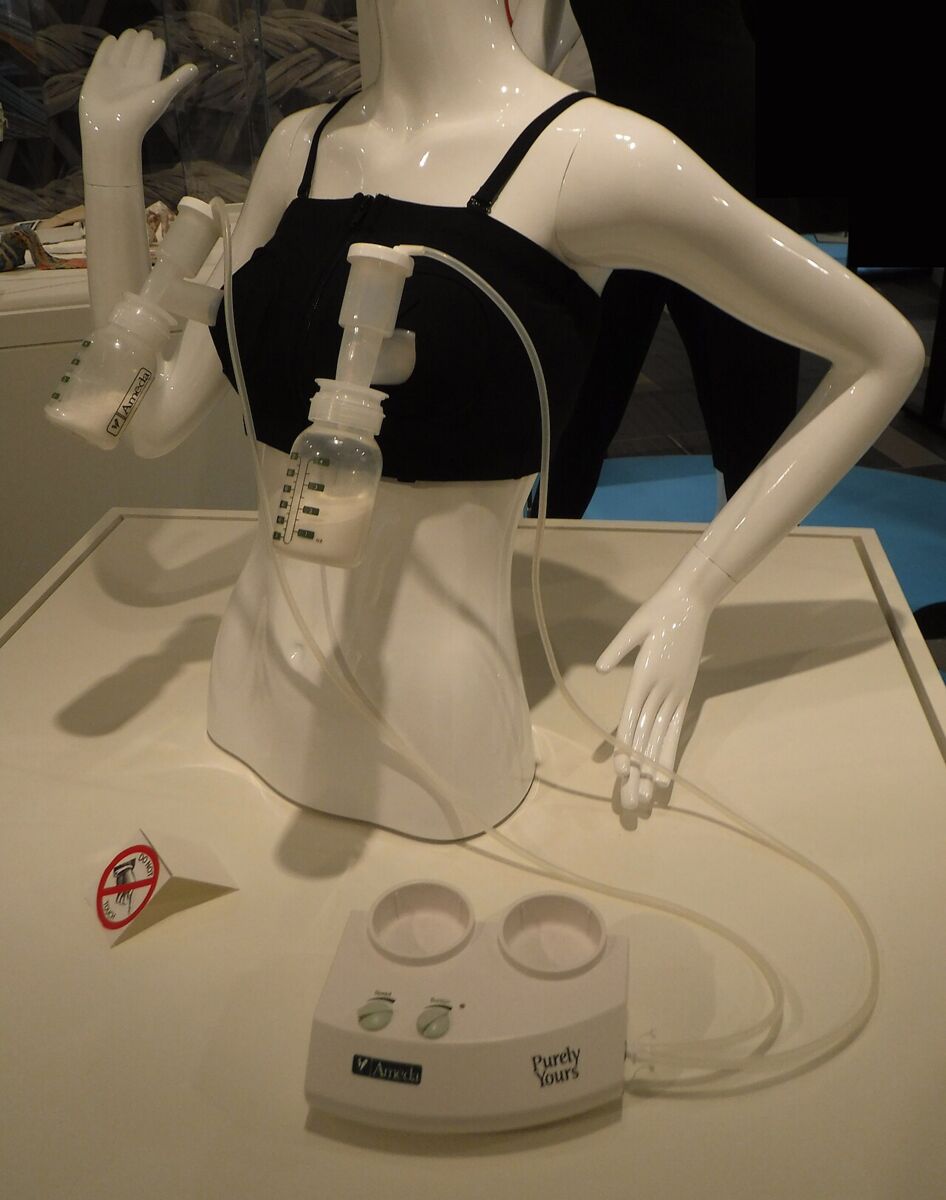
Motorised pumps that do the work for you, with adjustable suction and cycle speeds. A single expresses one breast at a time; a double does both at once and roughly halves your pumping time, which is a big deal if you do it often. Spectra, Medela, Cimilre, Pigeon and Philips Avent are common here. Many are closed-system designs, and the better ones separate a let-down mode from an expression mode. These are the workhorse choice for most working and exclusively pumping mums.
- Best for: returning to work, regular or exclusive pumping.
- Pros: fast, especially double pumps, adjustable, efficient.
- Cons: pricier, needs power or charging, some models are bulky or noisy.
Wearable and hands-free pumps
These sit discreetly inside your bra with no dangling tubes or bottles, so you can pump while working, cooking or carrying a toddler. Elvie, Momcozy and similar brands lead this space, and the freedom is genuinely life-changing for some mums. The trade-offs are real though: smaller motors and capacity, gentler suction than a plug-in pump, and an all-in-one design that can be fiddlier to clean. Many mums keep a wearable for convenience and a stronger plug-in pump for main daily sessions.
- Best for: busy mums who need to move and multitask while pumping.
- Pros: discreet, hands-free, no tubes, very portable.
- Cons: usually weaker suction, smaller capacity, more parts to wash, higher price.
Hospital-grade pumps
The strongest, most durable pumps, built for heavy daily use and designed so multiple mums can use one machine safely with their own accessory kit. Medela Symphony, Ameda and Cimilre make well-known examples. They are the go-to for establishing supply with a premature or unwell baby, for genuine low-supply situations, and for full-time exclusive pumping. They are heavy and costly to buy outright, which is why most families rent them.
- Best for: supply building, premature or NICU babies, intensive exclusive pumping.
- Pros: powerful, gentle yet effective, built to last, efficient.
- Cons: heavy, costly to buy, usually better rented than owned.
How to choose the right pump for you
Once you know your pumping situation, weigh these features in roughly this order of importance.
Flange size and fit
The flange is the funnel-shaped part that goes against your breast. Pumps usually ship with a standard size that suits very few people perfectly. The wrong size means your nipple rubs the sides or too much tissue gets pulled in, which hurts and reduces output. Most brands sell flanges in several sizes, plus insert reducers. If pumping is painful or your output is low, get sized properly. A lactation consultant at KKH or another hospital, or a private clinic, can measure you and recommend the right fit. Treat flange fit as part of the purchase, not an afterthought.
Open versus closed system
A closed-system pump has a barrier between the milk collection and the motor, so milk and moisture cannot travel up into the tubing or mechanism. This prevents backflow, keeps things more hygienic, and makes the pump safer long term. An open-system pump has no such barrier, so milk vapour can reach the tubing, which is harder to clean and dry fully. For most mums, especially daily pumpers, a closed system is the safer choice. Hospital-grade pumps are closed by design, part of why they can be shared safely with separate kits.
Suction and cycle settings
Good pumps separate two phases: a fast, light stimulation mode that triggers let-down, and a slower, stronger expression mode that draws milk out. Being able to adjust suction strength and cycle speed independently lets you find a comfortable, productive setting. More suction is not better; the strongest setting that stays comfortable is what you want. Painful pumping is never the goal and rarely yields more milk.
Noise and portability
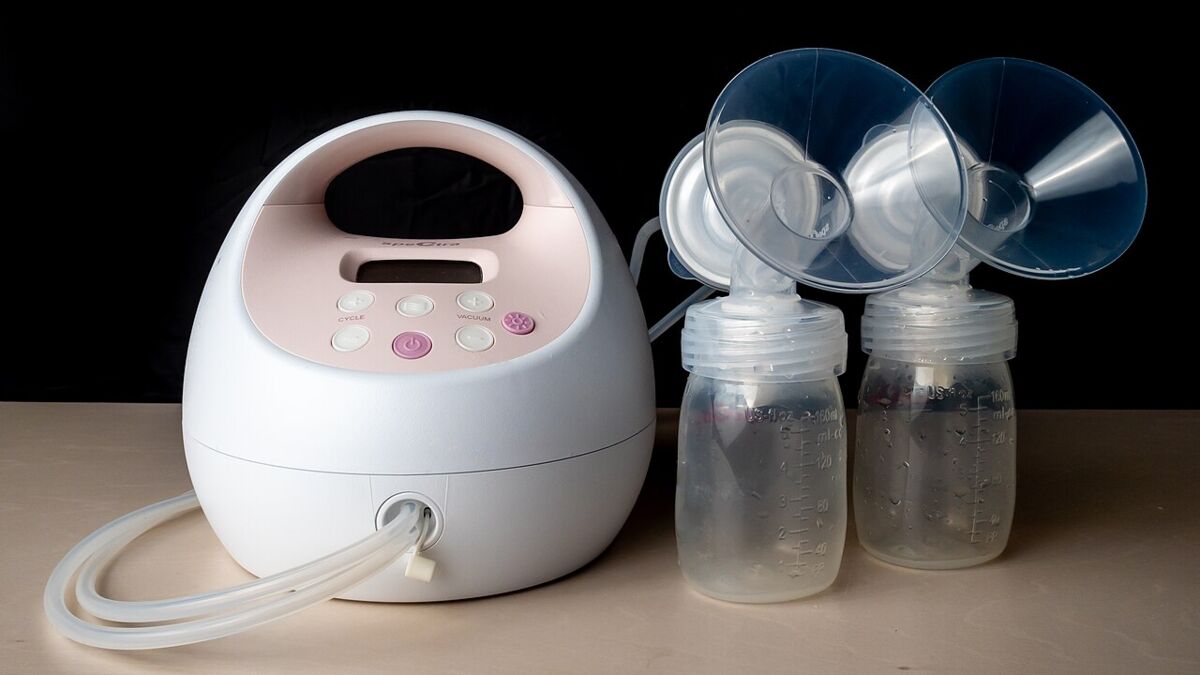
If you will pump in an office nursing room or a shared space, a quiet motor matters for your sanity and privacy. Weight and battery life matter if you carry the pump on a commute. Wearables and battery pumps win on portability; many plug-in pumps now offer rechargeable batteries too. Check whether a model runs on battery or needs a wall socket before assuming you can pump anywhere.
Budget
Pumps range from very affordable manual options to premium wearables and electric doubles. Spend according to use: a heavy daily routine justifies a reliable electric double, while occasional use does not. Factor in ongoing costs too, like replacement valves, membranes and storage bags. Confirm the current price with the retailer, as prices shift with promotions and new models.
Accessories, hygiene and cleaning
The pump is only half the kit; the accessories and cleaning routine make daily pumping liveable.
- Spare parts: valves, membranes and duckbills wear out and weaken suction; keep spares and replace on schedule.
- Storage: milk bags or bottles for the fridge and freezer, plus a marker for dating; use the oldest milk first.
- Cooler bag: for transporting milk home from work.
- Extra flanges or inserts: so you always have a clean, correctly sized set.
- A second set of parts: a lifesaver for daily pumpers, sparing you a wash between every session.
For cleaning, wash all parts that touch milk after each use with warm soapy water and a dedicated brush, then air-dry on a clean rack. Sterilise per the manufacturer's instructions, especially for newborns. With closed-system pumps you generally need not wash the tubing unless you see moisture in it; with open systems, drying the tubing thoroughly prevents mould. You can pick up bottles, sterilisers and storage kit alongside the pump, and our roundup of setting up the nursery covers other essentials to ready before baby arrives.
Renting a hospital-grade pump in Singapore
Because hospital-grade pumps are expensive and heavy, renting is often smarter, especially if you only need that power for a set period such as establishing supply with a newborn. Rental is common in Singapore through hospitals, lactation services and baby specialty retailers, usually by the week or month, with a personal accessory kit you buy separately so the shared machine stays hygienic. If your baby is in the NICU or you are working on a supply issue, ask the hospital's lactation team about rental before committing to a purchase.
Where to buy in Singapore
You will find breast pumps at baby specialty stores, department store baby departments, pharmacy chains and the big online marketplaces. Buying in person lets you feel the weight, hear the motor and ask about flange sizing; buying online is convenient and often cheaper during sales. Baby fairs are a great place to compare pumps side by side and catch bundle deals, and our guide to the local baby fairs calendar can help you time a visit. Wherever you buy, choose an authorised seller so warranty and genuine parts are covered, and confirm the model and price on the day. For more on stocking up before baby arrives, see our maternity essentials guide.
Practical tips that make pumping easier
- Get your flange size checked early; it is the highest-impact thing you can do for comfort and output.
- Pump in a calm spot and stay relaxed; looking at a photo of your baby can help let-down.
- Build a stash gradually; small, consistent sessions add up faster than chasing a full freezer overnight.
- Keep a spare set of pump parts so you are never stuck washing at an inconvenient time.
- Massage and warmth beforehand, plus breast compressions during, can help you express more.
- If output drops suddenly, check your valves and membranes before blaming yourself or the pump.
A quick health note: if you are worried about your supply, painful pumping that will not settle, or your baby's weight gain, speak to a lactation consultant or your doctor. The lactation teams at KKH and other hospitals can troubleshoot far better than any product review. A pump is a tool, not a substitute for proper feeding support.
Frequently Asked Questions
Do I really need a double electric pump?
Only if you pump often. A double electric pump roughly halves your session time and helps maintain supply, which is invaluable for working mums and exclusive pumpers. If you only express occasionally, a manual or single pump is cheaper and perfectly adequate.
Is a closed-system pump worth paying more for?
For most mums, yes. A closed system prevents milk and moisture from reaching the tubing and motor, which is more hygienic, easier to maintain and safer over long-term daily use. It is the sensible default unless you are only pumping very occasionally.
How do I know my flange size is right?
With a correctly sized flange, your nipple moves freely in the tunnel without much surrounding breast tissue being pulled in, and pumping does not hurt. If you feel rubbing, pinching or pain, or your output is low, get measured by a lactation consultant and try a different size or an insert.
Should I buy or rent a hospital-grade pump?
Rent if you need that power only for a set period, such as building supply with a newborn or while your baby is in the NICU. These pumps are heavy and costly to own. You buy your own accessory kit and rent the machine, usually by the week or month, through hospitals or baby retailers.
Are wearable pumps as good as plug-in ones?
They are unbeatable for convenience but often have gentler suction and smaller capacity than a traditional plug-in pump. Many mums use a wearable for on-the-go sessions and keep a stronger electric pump for their main daily expressing. Try one before relying on it as your only pump.
Can I use a second-hand breast pump?
Hospital-grade closed-system pumps are designed to be shared safely with your own personal accessory kit. For personal single-user pumps, especially open-system ones, sharing is not recommended for hygiene reasons. If you do reuse a pump, replace all parts that touch milk and confirm the motor is still strong.

Art Jamming in Singapore: A Family Guide to Painting and Art Fun
Your parent's guide to art jamming in Singapore: what it is, the best ages, studio vs cafe vs at-home, what to bring, ro...
11 min read
Baby Fairs in Singapore: A Parent's Guide to Deals, Dates and Smart Shopping
A practical guide to baby fairs in Singapore: where they run, what to buy and skip, how to spot real deals, what to brin...
10 min read
Best Baby Swaddles and Sleep Sacks in Singapore
How to choose safe, breathable baby swaddles and sleep sacks in Singapore's hot climate, when to stop swaddling, and wha...
9 min read