
Enrichment Classes in Singapore: A Parent's Guide to Choosing Well (Not More)

In this article
- Start here: play is not the thing you cut first
- What counts as enrichment (and how it differs from tuition)
- The common types of enrichment classes
- How to choose by age and interest
- How to choose well: what actually separates a good class
- Make the trial class count
- Signs you are over-scheduling (and how to cut back)
- Frequently asked questions
- Where to go next
Walk past any mall on a Saturday morning and you will see them: toddlers in mini lab coats, little swimmers clutching floats, primary kids lugging violin cases to coding class. Enrichment is woven into childhood here, and the sheer choice can leave any parent feeling behind. This guide is for the parent who wants to choose well rather than choose more. We start with the part most articles skip - why free, unstructured play is a developmental need, not a luxury - then walk through the common types of enrichment classes in Singapore, how to pick by age and temperament, how enrichment differs from tuition, how to use a trial properly, and the honest signs you have packed the week too tight.
Start here: play is not the thing you cut first
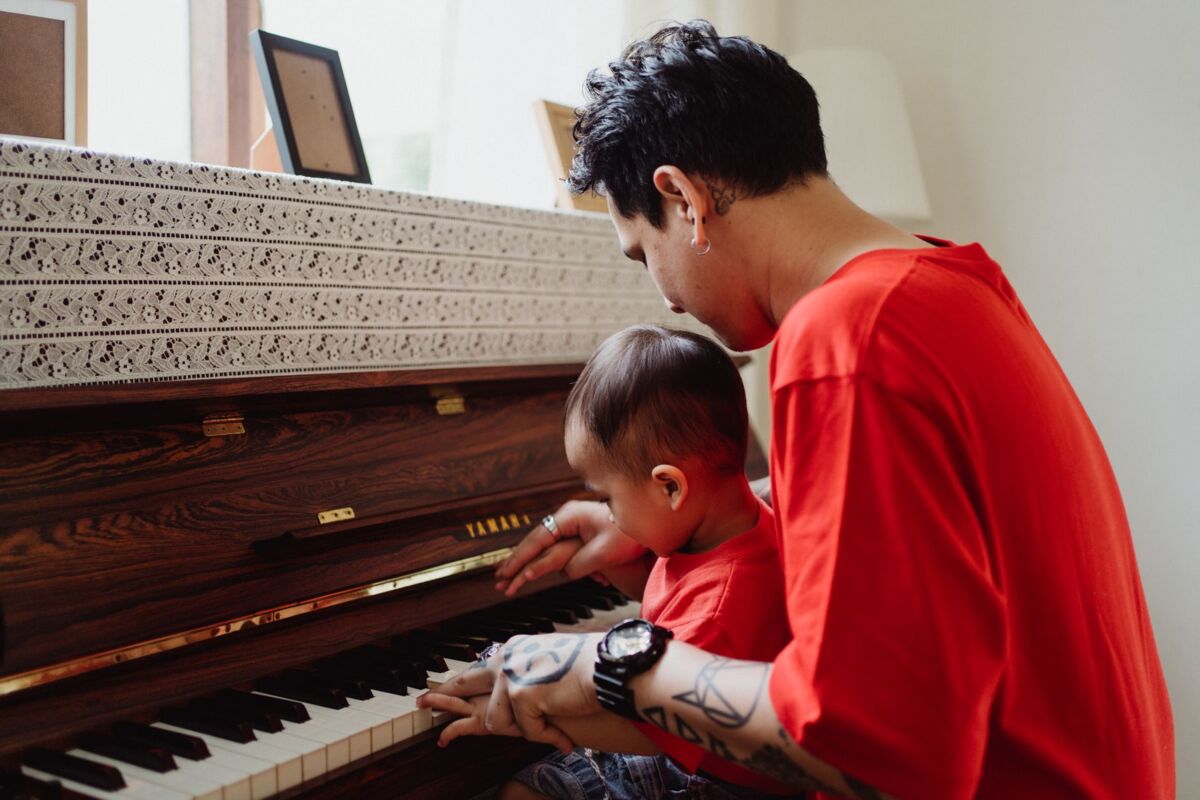
Before we talk about classes, a deliberate reframe. In the kiasu swirl of timetables and waitlists, free play is usually the first thing squeezed out, and that is backwards. Unstructured play - the kind a child invents themselves, with no adult agenda and no worksheet - is where a huge amount of real learning happens: it is how young children build imagination, language, self-regulation, and the social give-and-take of negotiating with a sibling or friend. Singapore's Health Promotion Board and early-childhood experts are consistent on this - play and adequate sleep are foundational, not rewards earned after the enrichment is done.
So the mental model is simple. One or two well-chosen activities, sitting on a base of plenty of free play, rest, and family time, will almost always do more than five classes that crowd all of that out. You are not falling behind by protecting downtime; you are protecting the soil the rest grows in.
What counts as enrichment (and how it differs from tuition)
The two words get used interchangeably but mean different things. Enrichment is broadening and interest-led: it builds a skill, a habit, or a love of something - swimming, music, art, drama, coding, a language - through regular weekly sessions. Tuition is academic: it remediates a subject a child is struggling with, or accelerates a strong one, mapped tightly to the school syllabus.
The practical difference is the why. You choose enrichment because your child is curious or could grow a strength; you choose tuition because there is a specific academic gap or goal. The two can overlap - a Mandarin class can also lift school results - but treating every activity as covert tuition is how a Saturday quietly fills with seven obligations. If your real need is academic support, our guides to English tuition in Singapore and maths enrichment are the better starting points; the rest of this article is about interest-led enrichment.
The common types of enrichment classes
The landscape is enormous, but most of what parents decide between falls into a handful of broad families. Here is what each offers and roughly which ages it suits - treat the ages as a guide, not a rule, because readiness varies hugely from child to child.
Language and Mandarin
Many families add a language class beyond the school curriculum - most commonly Mandarin, but also Malay, Tamil, or a foreign language such as French or Japanese. For young children, immersive, play-led delivery beats rote drilling: vocabulary lands when it arrives as songs, stories, games, and real conversation. This can start in the preschool years and run through primary. Our guide to Chinese enrichment goes deeper on Mandarin specifically.
Music
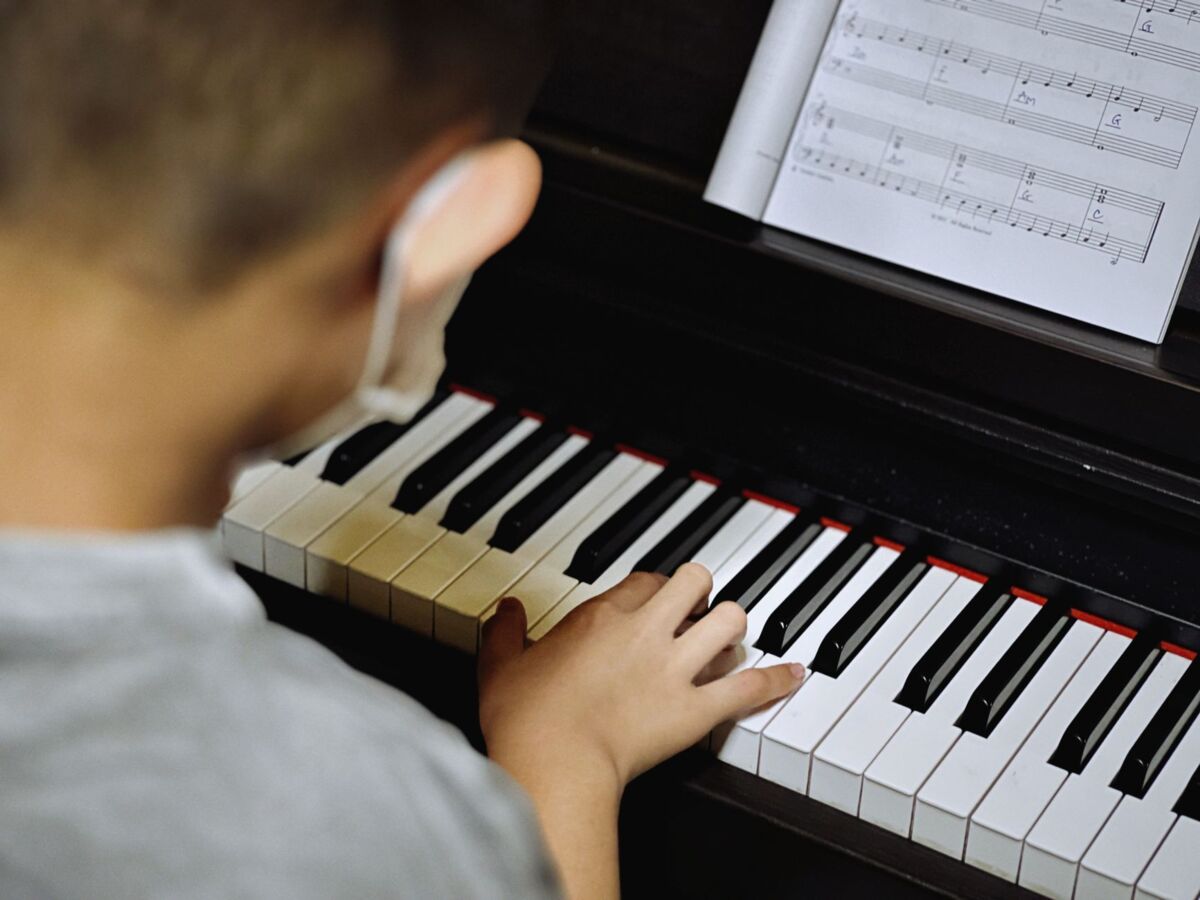
Music spans early-years music-and-movement for babies and toddlers - rhythm, singing, percussion - through to instrument lessons for older kids. It is a gentle entry point because it doubles as social, sensory play for the very young while building real skill as a child grows. Music-and-movement can begin in toddlerhood; instrument lessons usually suit primary age and up, once a child can sit, focus, and practise.
Art and creative play
Art studios run drawing, painting, and mixed-media programmes, often grouped from preschool upwards. Beyond the picture on the fridge, they build fine-motor control, focus, and the confidence to express an idea without a right answer - good for kids who light up the moment you put materials in front of them. Hands-on variants like clay work - see our pottery classes for families - add a tactile dimension young children love.
Sport, gym, and swimming
Swimming is close to a rite of passage here, and many swim schools start play-based water-confidence sessions in babyhood, with structured stroke work coming later. Gymnastics, football, dance, martial arts, and racket sports cover the physical side and burn off real energy - which, on a rainy island where outdoor time is unpredictable, is no small thing. Toddler gym and water play can start early; more technical sport tends to suit preschool age and up.
Speech and drama
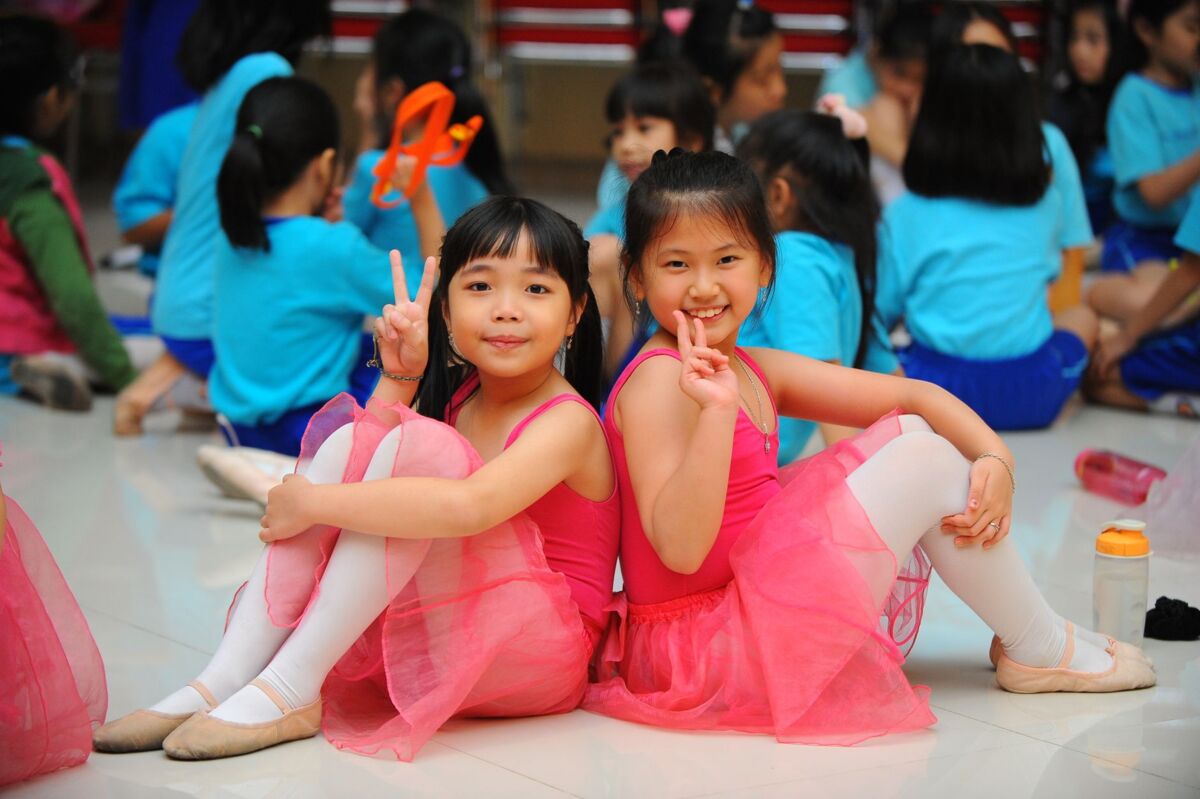
Speech and drama uses stories, role-play, and performance to build clear speaking, listening, and the confidence to stand in front of others. It is a quiet favourite for shy children who need a low-pressure way to find their voice, and the communication skills carry into school presentations and everyday conversation. It works well from the later preschool years onwards.
STEM and coding
Coding, robotics, and maker classes generally start from around age five and run to the teens. Younger children use visual, block-based tools and tangible robots before progressing to text code, electronics, and build-it-yourself projects. The real prize is computational thinking and problem-solving, not the syntax itself. If this is your child's spark, our guide to coding classes for kids breaks down the options by age.
Dance
From toddler movement classes to ballet, jazz, hip-hop, and Chinese or Indian classical dance, this blends physical activity with rhythm, coordination, and performance. Gentle movement suits toddlers; formal technique and exam-track training tends to begin in the preschool-to-early-primary years.
Religious, values-based, and early-years playgroups
Many families enrol children in faith or values-based programmes - weekend religious classes, moral education, or community activities - that build identity and character; these run across all ages and often anchor the weekend rather than add to its busyness. And for babies and toddlers, sensory playgroups and gym-style classes are less about outcomes than exploration, socialising, and getting comfortable in a group - here, one relaxed weekly session is genuinely plenty.
How to choose by age and interest
Match the class to where your child actually is, not where you hope they will be. A rough map many parents here follow:
- Playgroup to kindergarten (about 18 months to 6 years): keep it play-based. Sensory play, music and movement, toddler swim or gym, gentle art, and immersive language fit well. For under-sixes, insist on play, not worksheets and drills. One short class a week, maybe two, is the sweet spot.
- Lower primary (about 7 to 9 years): more options open up - an instrument, coding, sport, art, a second language. This is a good stage to explore a little before narrowing down.
- Upper primary (about 10 to 12 years): let your child begin to specialise in the one or two things they genuinely love, and bring them into the decision. A child who has chosen the activity shows up differently from one who was signed up for it.
Then let interest and temperament lead. A child who narrates everything may thrive in speech and drama; one who builds elaborate Lego cities may love robotics; a mover may need swimming lessons or gymnastics more than another seated activity. Starting something before a child is ready usually just manufactures frustration. With older kids especially, ask them - the buy-in matters more than the brochure.
How to choose well: what actually separates a good class
Once you have a shortlist, the centre matters as much as the subject. These are worth checking, roughly in order of importance for younger children.
- Start from your child, not the trophy cabinet. A centre's competition results say little about whether your specific child will enjoy and grow in the room.
- Play-based delivery for under-sixes. For little ones, the warning sign is a class that looks like school - worksheets, drilling, sitting still for long stretches. Look for movement, stories, hands-on materials, and laughter.
- A warm, qualified educator. Watch how the teacher speaks to the children. Warmth and patience matter as much as paper credentials, though for early-childhood and specialist programmes it is fair to ask about training and experience.
- Sensible class size and ratio. Smaller groups mean more attention, more turns, and a calmer room - especially for toddlers and anything involving water or equipment.
- Convenience for sustainability. The best centre on the island is useless if it is a 45-minute trek every Saturday and everyone arrives frazzled. Near home, near school, or on a parent's regular route is what survives a whole term. Check the practical realities - parking, the nearest MRT, whether you can get there after school - before the timetable, not after.
- Transparent fees and terms. Ask upfront about term length, what is included, make-up policies, and any registration or material fees, so there are no surprises.
- Budget and time honestly. Fees vary widely by subject, length, and location. Rather than chase the priciest option, decide what your family can sustain in both money and weekend hours, then choose within it. Costs change often, so always confirm current fees directly with the centre.
Make the trial class count
Most reputable centres offer a trial, and one confident in its programme will happily let you try before committing. A trial is your single best tool - use it deliberately, not as a formality.
- Book two or three trials before signing up for a term, so you have something to compare rather than judging one class in isolation.
- Watch your child before, during, and after. Are they engaged in the room? Do they chatter about it on the way home? Do the ideas show up in their play that week?
- Watch the educator too. Are they warm, patient, and genuinely tuned in to the children, or just running a script? For under-sixes, is the session playful or is it a worksheet in disguise?
- Check the practical stuff while you are there: class size, whether the space is clean and safe, how the staff handle the children, and how responsive they are to your questions.
- Give it a little time after you commit. One off day does not mean the class is wrong, but a consistent lack of interest across several sessions is a clear signal to rethink.
And if a class genuinely is not working - your child dreads it, gets nothing from it - it is completely fine to stop. Switching or pausing is not failure or wasted money; it is paying attention to your child, which is the whole point.
Signs you are over-scheduling (and how to cut back)
It is easy to fill every slot, partly because everyone around you seems to. But a packed timetable has tells. Watch for these, and treat them as data, not a parenting verdict.
- A tired, cranky child. Persistent irritability, meltdowns over small things, or a kid who seems flat rather than energised by the week.
- No free time. If there is no unhurried afternoon to play, potter, or do nothing, the calendar is too full - for the child and usually for you.
- Sleep and play getting squeezed. When bedtime keeps slipping or open-ended play has quietly vanished, those are the first casualties of over-scheduling, and the most costly developmentally.
- Visible stress or reluctance. Dragging feet, stomach aches on class days, or you nagging everyone out the door every single week.
- Your own frazzle. If you have become a full-time chauffeur with no margin, the schedule is running the family rather than the other way round.
If several of these ring true, cutting back is easy and reversible. Pick the activity your child cares least about and drop it - you do not have to wait for the term to end to stop renewing. Aim for a balanced mix rather than maximum coverage: perhaps one physical or creative pursuit, maybe one academic-leaning one, and crucially, large protected blocks of nothing-planned time. Many child-development voices suggest keeping younger children to two or three activities at most, and fewer is perfectly fine. Quieter weeks are where the library visits, the long bike rides, and the made-up games live - and those are not the gaps in a good childhood, they are a good chunk of it.
Be reassuring with yourself here. There is no enrichment quota to hit, no race you are losing. The kiasu pull is real, but a child does not need to do everything - they need a little of the right thing, with enough room around it to be a kid.
Frequently asked questions
How many enrichment classes should my child do?
For preschoolers, one or two well-chosen classes are usually plenty; many families happily do just one. Primary-age children can handle a little more, but always leave clear room for school work, sleep, and free play. More is not better - a balanced two beats an overloaded five almost every time.
At what age should we start enrichment?
It depends entirely on the activity and the child. Some baby swim and music-and-movement classes begin in the first year, while most instruments and coding suit primary age. Follow your child's readiness and interest rather than a fixed deadline - there is no developmental cliff you have to beat.
Is enrichment necessary?
No. Strong reading and numeracy habits, curiosity-driven learning, and plenty of play at home can be every bit as valuable. Enrichment is a nice-to-have that can spark a passion or build a skill, not a box every family must tick to raise a thriving child.
Are Tamil or Malay enrichment classes available in Singapore?
Yes. Alongside Mandarin, there are dedicated Tamil and Malay enrichment and language programmes, including community-run and weekend options, plus foreign-language schools. Availability and locations vary, so search by your area and ask for a trial, just as you would for any other class.
Where to go next
If you are choosing by activity, our deeper guides to music classes for kids, kids' sports classes, and reading and phonics programmes break each one down further. Whenever you weigh class time against everything else, come back to the balance this guide opened with - a little of the right thing, with plenty of room around it. Browse the full learn hub for more on raising curious, well-rested kids.
One last reminder: always confirm current schedules, age ranges, ratios, and fees directly with each centre's official website before you commit. These change often and vary by branch, and nothing in this guide is a substitute for what the centre tells you today.

How to Choose the Best Preschool in Singapore: A Parent's Guide
How to choose the best preschool in Singapore for your child: centre types, curriculum, fee ranges, ECDA subsidies, wait...
11 min read
Childcare Centres in Singapore: A Parent's Guide to Infant Care, Subsidies and Choosing the Right One
How childcare centres in Singapore work: infant care vs full-day childcare, ECDA operators, subsidies, waitlists, fees a...
10 min read
Children's Libraries in Singapore: A Parent's Guide to NLB
A parent's guide to NLB children's libraries in Singapore: kids' sections, story times, free membership, the NLB app, Li...
11 min read