

Doula in Singapore: birth and postpartum support explained
In this article
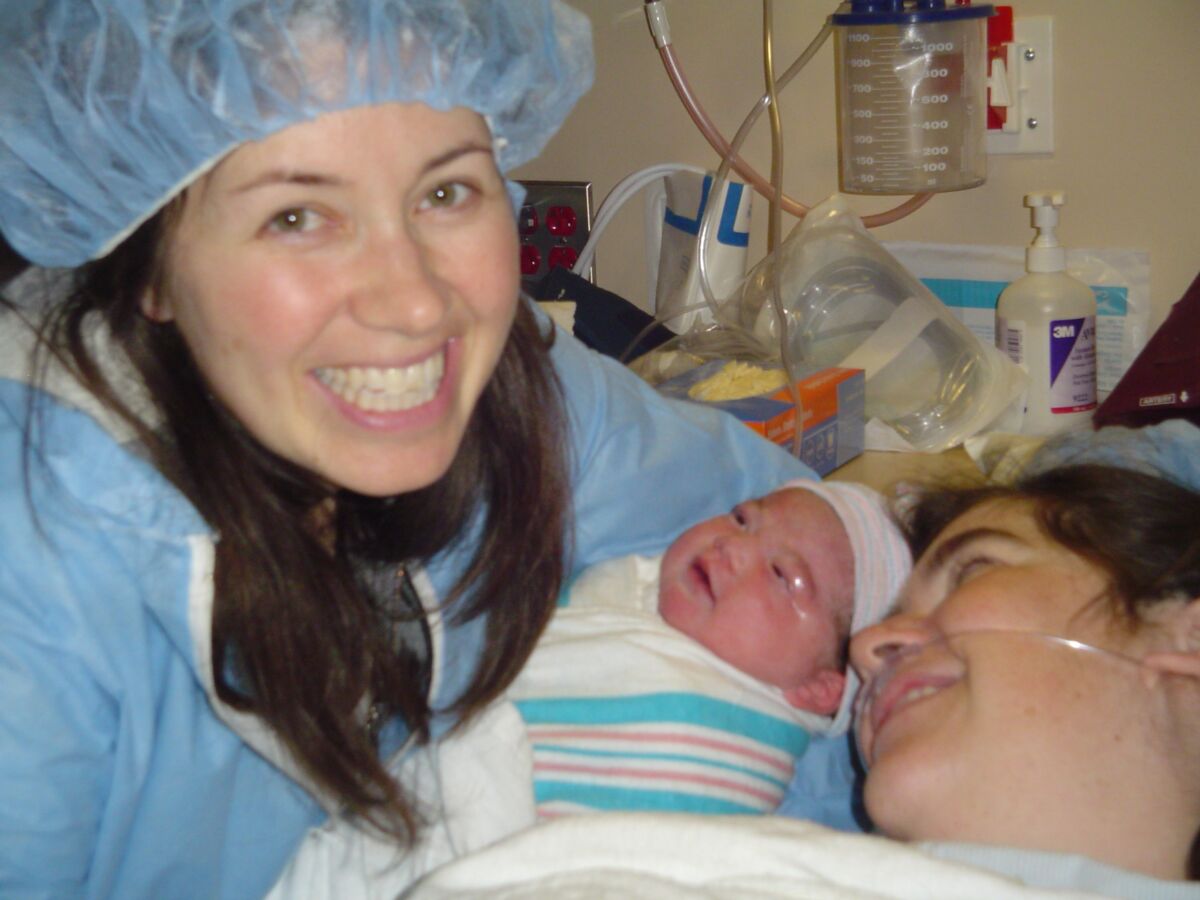
A doula is a trained, non-medical companion who supports you through pregnancy, labour, birth and the early weeks of parenthood. In Singapore, a doula does not deliver your baby, give medical advice or replace your obstetrician or midwife. Instead, a doula offers continuous emotional, physical and informational support, helping you stay calm, informed and as comfortable as possible. If you are searching for a doula in Singapore, this guide explains exactly what they do, the difference between a birth doula and a postpartum doula, typical costs, how to choose one and how to register them with your hospital.
The word doula comes from an ancient Greek term meaning a woman who serves. Today it describes a professional who stays by your side as a constant, familiar presence during one of the most intense experiences of your life. Because hospital staff change with shifts and your obstetrician may only arrive near the pushing stage, many Singapore parents value having one person who is with them from early labour right through to meeting their baby.
What does a doula actually do
A doula's role is supportive rather than clinical. They are there for you, not for your medical chart. During a birth, a doula reads the room, anticipates what you might need and helps you and your partner feel grounded. Their support tends to fall into three broad areas.
- Emotional support: reassurance, encouragement and a calming presence so you feel safe and respected throughout labour.
- Physical support: comfort measures such as massage, counter-pressure for back pain, suggesting positions, breathing guidance and helping you use a birth ball or shower.
- Informational support: explaining what is happening in plain language, talking through your options and helping you ask your care team the right questions so you can give informed consent.
Crucially, a doula does not perform vaginal examinations, monitor the baby's heart rate, administer medication or make medical decisions for you. Those tasks belong to your doctor and the hospital midwives. A good doula works alongside your clinical team, never against it, and respects whatever choices you make, including an epidural or a caesarean.
Birth doula vs postpartum doula
Doulas in Singapore usually specialise in one of two phases, though some are trained in both. Understanding the difference helps you book the right support for the help you actually need.
Birth doula
A birth doula supports you through pregnancy and labour. Most birth doula packages include one or two antenatal meetings to build rapport and discuss your preferences, on-call availability around your due date, continuous support during active labour and birth, and a postnatal check-in afterwards. They join you at home or at the hospital and stay until shortly after your baby arrives. If you are unsure about pain relief, a birth doula can help you think through your choices, which pairs well with reading up on your epidural and labour pain relief options in Singapore beforehand.
Postpartum doula
A postpartum doula supports you in the days and weeks after birth, usually in your home. They help with newborn care guidance, breastfeeding or bottle-feeding support, settling the baby, light household tasks around feeding and rest, and emotional support as you adjust. Postpartum doulas are typically booked by the hour or in blocks of hours, and many families use them for day or overnight shifts. They overlap in spirit with confinement care, so it helps to understand how they compare with a confinement nanny, covered in our confinement guide for Singapore.
Doula, confinement nanny and midwife compared
Singapore parents often confuse these roles because they overlap around birth and the newborn period. The table below sets out who does what, when they help and roughly what each costs. Treat the figures as typical ranges only and confirm current fees directly with each provider.
| Role | When they help | What they do | Typical cost |
|---|---|---|---|
| Birth doula | Pregnancy and labour | Non-medical emotional, physical and informational support during labour and birth; antenatal and postnatal check-ins | Around S$800 to S$3,200 per package |
| Postpartum doula | First days to weeks after birth | Non-medical newborn care guidance, feeding support, light help around rest and recovery, emotional support, often by the hour | Around S$35 to S$55 per hour |
| Confinement nanny | Roughly the first 28 days after birth | Live-in or daily care: cooking confinement meals, newborn care, laundry and household help during the confinement period | Commonly several thousand dollars per month; confirm with the agency |
| Midwife | Pregnancy, labour and postnatal | Clinical, medical care: monitoring labour, delivering babies and providing nursing care, usually as hospital staff | Included in hospital delivery fees |
The key distinction is clinical versus non-clinical. A midwife provides medical care. A doula provides support. A confinement nanny focuses on household and recovery care during the traditional confinement window. Many families combine roles, for example a birth doula for labour and a confinement nanny afterwards, depending on budget and preferences.
How much does a doula cost in Singapore
Doula fees vary with experience, what the package includes and whether you want birth or postpartum support. As a guide, birth doula packages in Singapore typically range from around S$800 to S$3,200, while postpartum doulas typically charge around S$35 to S$55 per hour. These are broad ranges that change over time, so always confirm current fees and exactly what is included before you commit.
When comparing quotes, look past the headline number and check what you are actually getting. A higher fee may include more antenatal meetings, a backup doula, longer on-call cover or extended postnatal visits.
- How many antenatal meetings are included and whether they are in person or online.
- The on-call window around your due date and how early or late they will still attend.
- Whether a backup doula is arranged in case yours is unavailable or attending another birth.
- How many hours of labour support are covered and what happens for very long labours.
- What postnatal support is included, such as a home visit or feeding follow-up.
- Any travel charges, cancellation terms or deposit requirements.
How to choose a doula
The right doula is someone you trust and feel completely at ease with, because they will see you at your most vulnerable. Start your search early, ideally in the second trimester, as experienced doulas can be booked months ahead. The Doulas of Singapore directory is a useful starting point for finding accredited practitioners, and many hospitals can also point you toward doulas familiar with their wards.
Arrange a short call or meeting with two or three candidates before deciding. Use it to gauge their personality, approach and availability around your due date.
- Ask about their training, certification and how many births they have attended.
- Check they are available around your estimated due date and have backup arrangements.
- Discuss your hopes for the birth and see whether they support your preferences without judgement.
- Confirm they are comfortable working with your chosen hospital and obstetrician.
- Be clear that they understand their role is non-medical and that they will defer to your care team.
- Trust your instinct on whether you feel calm and understood in their company.
It also helps to have your own preferences written down so your doula can advocate for you effectively. Putting together a clear birth plan in Singapore gives you both a shared reference point, and attending good antenatal classes in Singapore means you arrive at your meetings already understanding the basics of labour and what to expect.
Registering a doula with your hospital
In Singapore, hospitals require a doula to be registered before they can attend your birth in the delivery suite. A doula is not automatically allowed in simply because you have hired one. This registration protects patients and ensures only suitably trained, accountable companions are present during birth, so it is an important step to sort out well before your due date.
Requirements differ between hospitals and can change, so check directly with your chosen hospital early in your pregnancy. Ask your obstetrician or the maternity ward about their specific policy. Typically you may need to do the following.
- Confirm that your hospital permits doulas in the delivery suite and under what conditions.
- Provide your doula's details and any certification or registration the hospital requires.
- Check whether the doula counts within or in addition to your allowed birth partners.
- Complete any forms or consent the hospital asks for ahead of your admission date.
- Clarify ward policies during labour, since these can also affect who may be present.
Sort this out with plenty of time to spare so there are no surprises when you go into labour. A reputable doula will usually be familiar with the registration process at the major hospitals and can guide you through the paperwork. Add a note about it to your preparation list alongside your hospital bag checklist for Singapore so nothing is forgotten in the final weeks.
Frequently asked questions
Does a doula deliver the baby
No. A doula does not deliver babies or provide any medical care. Your baby is delivered by your obstetrician or a hospital midwife. A doula provides non-medical emotional, physical and informational support before, during and around the birth, working alongside your clinical team rather than replacing it.
Do I still need a doula if my partner will be there
Many couples use a doula even when a partner is present. A doula supports both of you, suggesting comfort measures and reassurance, which often allows your partner to relax and be more present rather than feeling responsible for managing everything. Because a doula has attended many births, they bring calm and experience that complement your partner's support.
When should I book a doula in Singapore
Aim to start looking in your second trimester. Experienced doulas can be booked out months ahead, especially around busier periods, so booking early gives you the widest choice and time to meet a few candidates. It also leaves room to register your doula with your hospital and complete any required paperwork before your due date.
How is a doula different from a confinement nanny
A postpartum doula focuses on non-medical support such as feeding guidance, newborn care advice, emotional support and helping you rest, often by the hour. A confinement nanny is usually a live-in or daily helper during roughly the first 28 days who cooks confinement meals, handles household tasks and helps with newborn care. Some families use both, depending on budget and the kind of help they want.


Antenatal Classes in Singapore: A First-Time Parent's Guide
Antenatal classes in Singapore explained: what prenatal classes cover, KKH/NUH/Thomson options, when to start, costs, an...
10 min read
Writing a Birth Plan in Singapore: A Flexible Guide for Mums-to-Be
How to write a flexible birth plan in Singapore: pain relief, birth positions, skin-to-skin, vitamin K, C-section and po...
9 min read
Breast cancer in pregnancy in Singapore: a calm, careful guide
A gentle, factual guide to breast cancer in pregnancy in Singapore: how it is diagnosed and treated safely, and where to...
9 min read