

Family Dim Sum in Singapore: A Parent's Guide to Yum Cha With Kids
In this article
- What is dim sum, and what is yum cha?
- Why dim sum is so family-friendly
- What to order for kids: a fail-safe spread
- The range of dim sum experiences
- What to look for when you choose a place
- Booking, timing and beating the crowds
- Getting there: MRT, parking and rainy-day backup
- Facilities: nursing rooms, diaper changes and what to bring
- How much does family dim sum cost?
- Good to know before you go
- Frequently asked questions
If you have ever spent a whole meal sawing one big plate into kid-sized pieces while your own food turns stone cold, dim sum will feel like a small miracle. Everything lands in little portions, the table fills with steamers and side plates, and there is almost always something each child will actually eat. In Singapore, weekend dim sum is a genuine family ritual, and one of the gentlest cuisines to enjoy with babies, toddlers and school-age kids in tow. This guide covers what to order, which venue to pick and how to keep the outing calm - whether you are wrangling one fidgety toddler or hosting three generations.
What is dim sum, and what is yum cha?
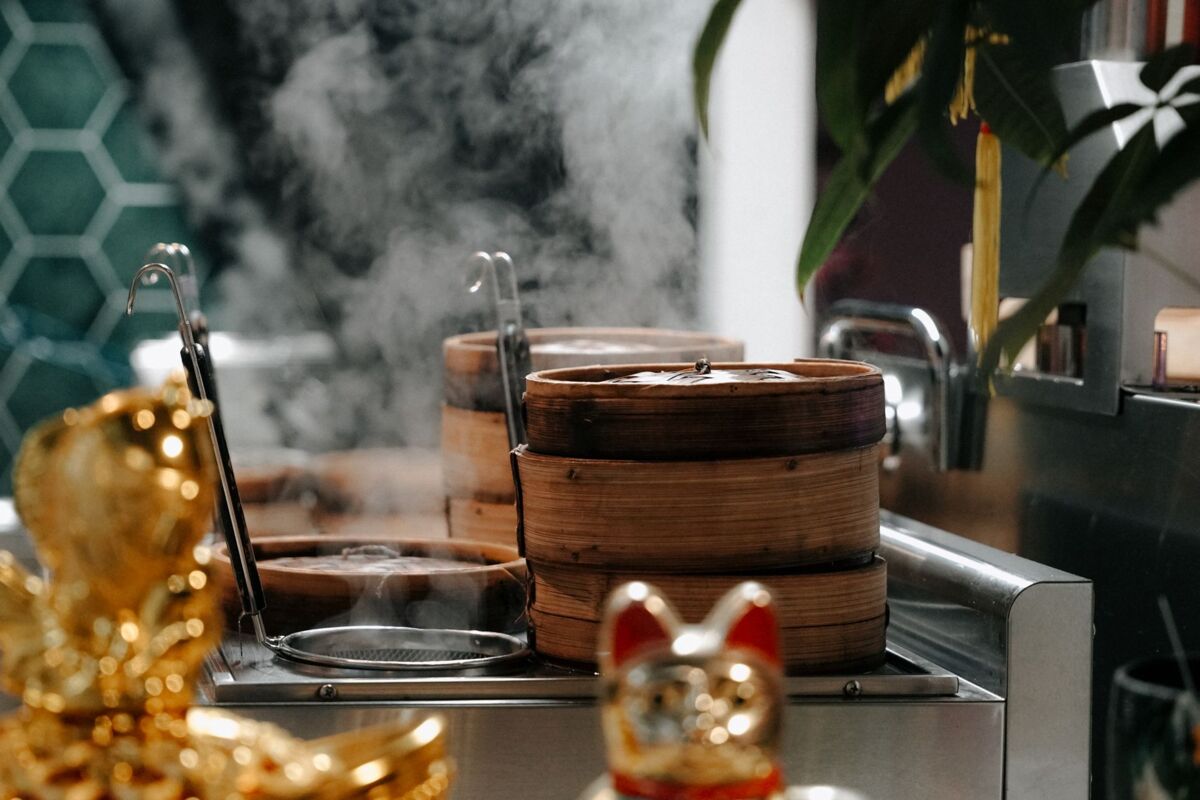
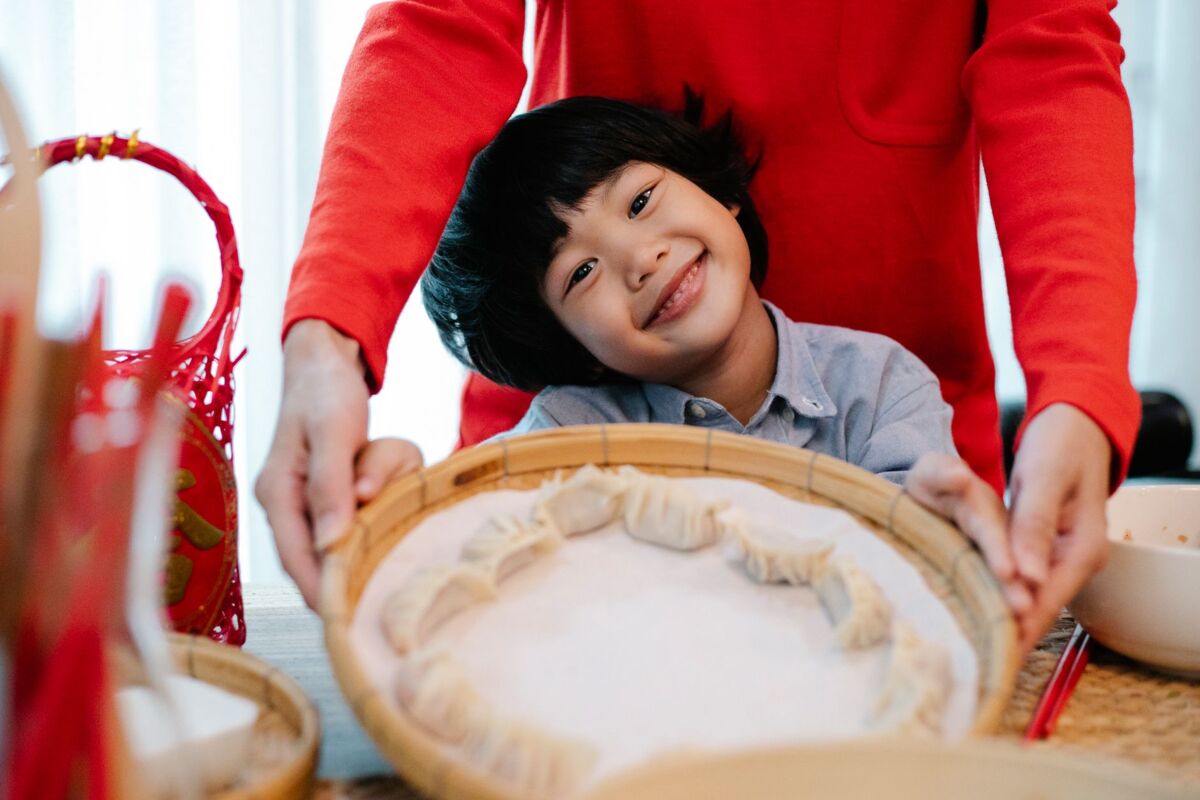
Dim sum is a Cantonese style of eating built around lots of small dishes - steamed dumplings, soft buns, rice rolls and bite-sized snacks - traditionally served with a pot of Chinese tea. The phrase is often translated as "touch the heart," which captures the warm, sharing-focused spirit of the meal. You will also hear the term yum cha, literally "drink tea," which refers to the whole social ritual of gathering over tea and a parade of small plates, usually for a leisurely brunch.
Singapore has a deep Cantonese food heritage, so dim sum is everywhere - from no-frills neighbourhood shops to polished hotel dining rooms. The format suits the way Singaporean families already eat: communal, unhurried and built for sharing. For more local food ideas, browse the wider world of Chinese restaurants in Singapore.
Why dim sum is so family-friendly
A handful of things make dim sum genuinely easy with children:
- Everything is shared. Plates land in the middle of the table, so a picky eater can try a nibble of everything without committing to a whole dish - and if your child loses interest, an adult happily finishes it off.
- Small portions, quick service. Food arrives fast and pre-cut into bite-sized pieces - a lifesaver when you are racing a hungry toddler's patience.
- Mild, familiar flavours. Steamed buns, dumplings and rice rolls are soft and not spicy, easy to chew and unlikely to overwhelm a cautious palate.
- Loads of variety. A typical menu runs to dozens of items, so even the fussiest eater lands on a couple of favourites.
- It is interactive. Older children love ordering - ticking a chit or pointing at a passing trolley turns the meal into a small adventure.
What to order for kids: a fail-safe spread
You do not need to decode the entire menu. A short list of crowd-pleasing classics covers most children:
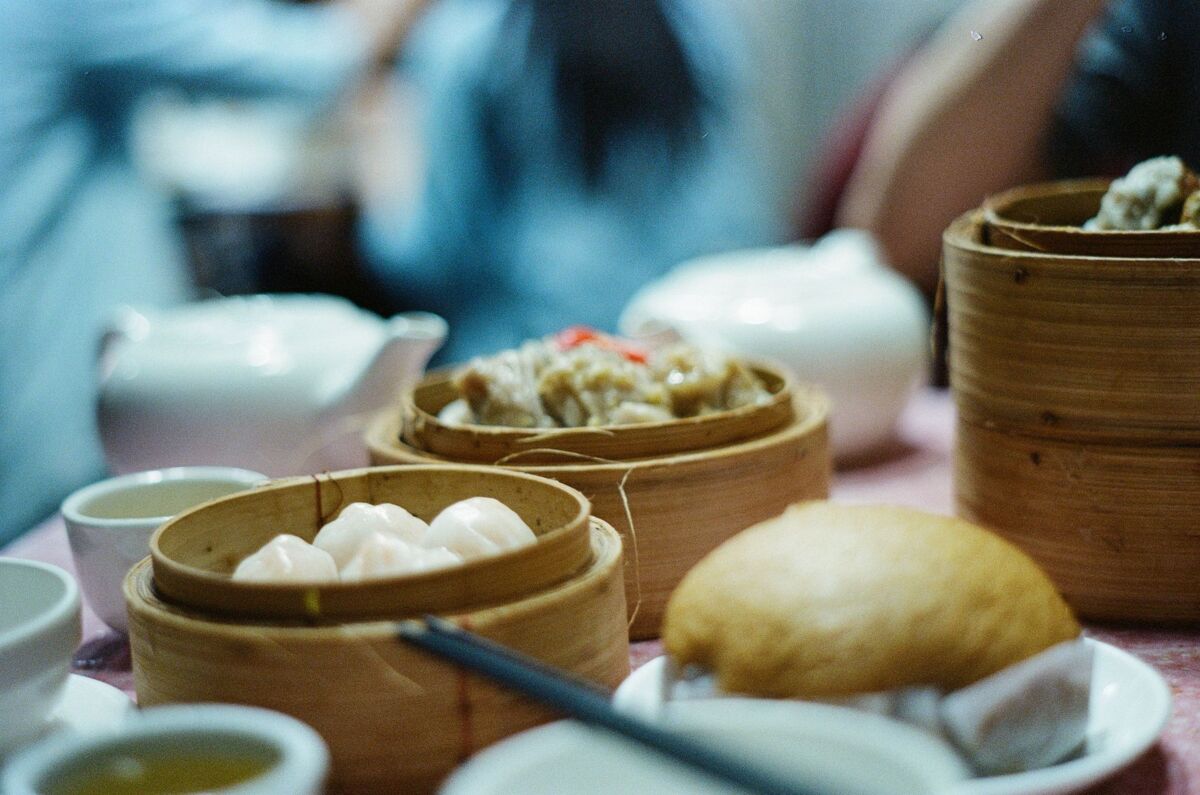
- Char siew bao (barbecue pork buns) - fluffy steamed or baked buns with a sweet-savoury filling. Often an instant hit, easy for small hands to hold.
- Siew mai (open-topped pork and prawn dumplings) - compact, easy to pick up and pop in.
- Har gow (prawn dumplings) - plump prawn parcels in a thin, translucent wrapper; a good first "grown-up" dim sum for older kids.
- Cheong fun (steamed rice rolls) - silky, soft and mild, great for younger children and early eaters.
- Congee - smooth rice porridge, plain or with chicken, one of the gentlest options for babies on solids.
- Steamed custard or lotus buns - a soft, sweet option for the child who skips the savoury stuff.
- Egg tarts - warm, wobbly custard in a crisp shell, the classic sweet ending that buys ten more minutes of peace.
The range of dim sum experiences
Dim sum in Singapore spans a wide spread of styles, formats and budgets. The four broad types below behave quite differently with kids in tow.
Traditional pushcart and trolley spots
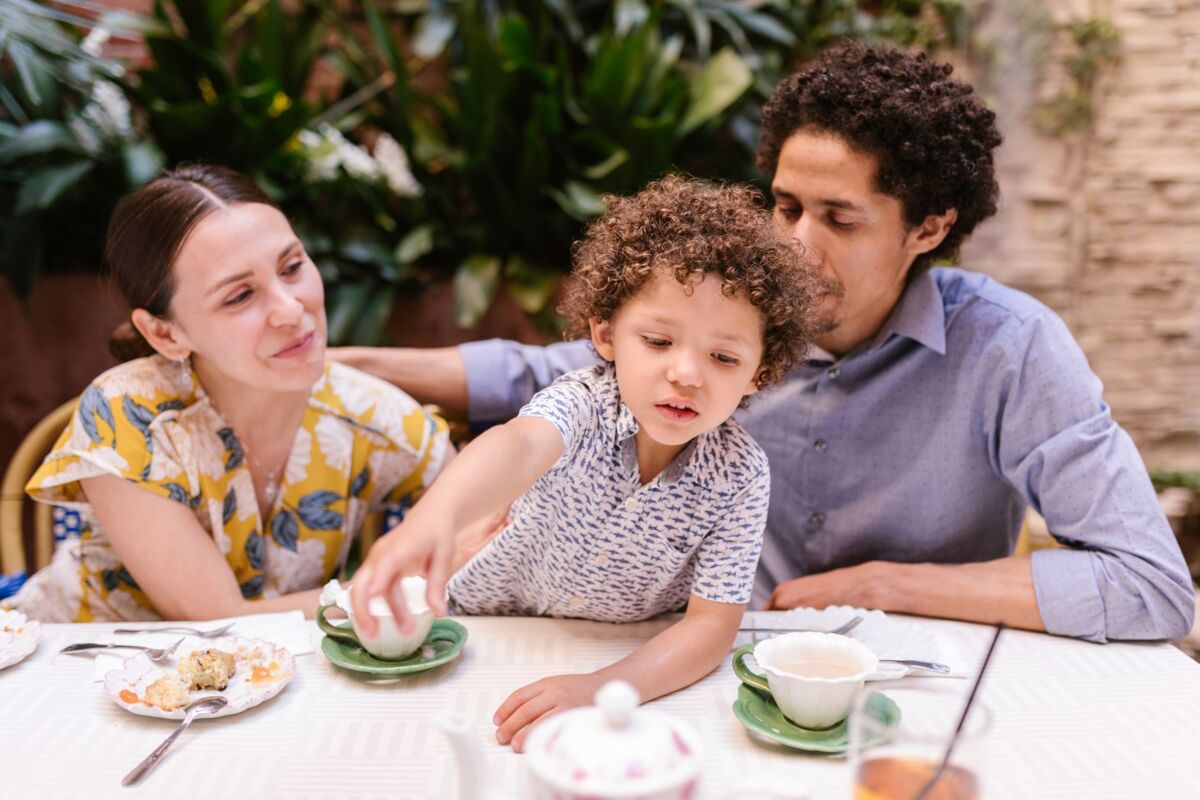
A few old-school places still run the classic pushcart service, where servers wheel steamers past your table and you point at what you want. Children adore this - part picking, part treasure hunt, with no waiting for a menu, and a low-pressure way to try something new. Pushcart service has become less common and often runs only at certain times, so if the trolleys are the reason you are going, confirm the restaurant is still running carts on the day and hour you plan to visit.
A-la-carte, order-by-chit restaurants
The most common format today: you tick the items you want on a paper chit (or a tablet) and they come out fresh from the kitchen. This is brilliant for families because you order exactly what you need, when you need it, and can pace the meal around naps and second helpings. Many are mid-range Cantonese restaurants with high chairs and roomy tables - relaxed enough for a family treat, not so formal that a bit of noise sets you on edge.
Hotel and semi-buffet dim sum
At the smarter end, hotel restaurants serve refined dim sum, sometimes as a semi-buffet or set yum cha where you choose a fixed number of items per person. Presentation is lovely and ingredients premium, and these rooms are quieter and more formal, with some dress codes. They suit milestone celebrations and spoiling the grandparents more than a casual outing with a fidgety toddler - though plenty welcome children, especially at an early seating.
Casual neighbourhood spots and late-night options
These are the relaxed heartland restaurants - some long-running family institutions - where the room is noisy, busy and entirely unbothered by a wriggly child. They are usually the most wallet-friendly, and a handful run unusually long hours, with some serving dim sum late into the night - a useful backup for an early-rising baby or a school-holiday late lunch. Hours, prices and menus change often, so check the official website or call before you head out.
What to look for when you choose a place
Most dim sum restaurants are friendly to families, but a few things make the difference between a smooth meal and a stressful one. Run through this checklist when you call to book:
- High chairs. Most places have them, but on a packed weekend they run out fast, so reserve one when you book rather than hoping.
- Big round tables with a lazy susan. The round table with a turntable is the secret weapon of family dim sum - everyone reaches every dish, and kids love spinning their favourites round to themselves. Ask for one for a larger party.
- Private rooms for big groups. For a multi-generational lunch with grandparents, aunties and several children, a private room contains the noise and gives the little ones room to wriggle. These book out early on weekends and around festive periods.
- Stroller access. Mall-based restaurants are easy to roll into; older shophouse spots can be tight, so ask or pick a mall venue if you rely on a pram.
- Halal dim sum. Halal-certified and Muslim-friendly dim sum does exist, with pork swapped for chicken, beef or prawn - always confirm a venue's current certification directly. See our guide to halal family dining in Singapore for more.
Booking, timing and beating the crowds
Timing is the single biggest lever you have over how pleasant a family dim sum outing is:
- Go early. Weekend dim sum gets very busy from late morning. An early seating - the moment they open, or just before the midday rush - means shorter queues, faster service, a calmer room and fresher food, and lines up neatly with younger children's nap windows.
- Book ahead for weekend yum cha. Popular spots fill quickly on weekends and public holidays, and a reservation spares you queuing with a hungry, overtired child. Book larger groups and private rooms days in advance.
- Avoid the festive crush. Around Chinese New Year and major celebrations, dim sum restaurants are slammed and often switch to set menus, so steer clear of peak dates or book very early.
- Use weekdays if you can. A weekday lunch is far quieter than the weekend, and some venues offer better value mid-week.
Getting there: MRT, parking and rainy-day backup
Dim sum spots are scattered across the island, from Chinatown and the city centre to heartland neighbourhoods, so there is usually one a short MRT or bus ride away. Chinatown is a central, atmospheric choice with several options and plenty to see nearby.
- MRT versus driving. Many dim sum restaurants sit inside or beside malls and MRT stations, easy with a pram and a sleeping baby. If you drive, mall venues have sheltered car parks - a real plus on a wet day - while older shophouse spots may have street parking only.
- Rainy-day friendly. A mall-based dim sum lunch is a great wet-weather plan: you stay dry from car park to table, with toilets, a nursing room and shops within a few steps.
- Make a half-day of it. Pair the meal with something nearby - an ice cream stop afterwards is an easy crowd-pleaser, like our roundup of the best ice cream in Singapore.
Facilities: nursing rooms, diaper changes and what to bring
Standalone restaurants vary a lot in their baby facilities, while mall-based venues give you a safety net of shared amenities just outside the door:
- Nursing and diaper changing. Few restaurants have a dedicated nursing room, but most malls have nursing rooms and diaper-change stations on at least one floor, so a mall-adjacent spot quietly solves the problem. Standalone shophouse restaurants may only have a basic toilet.
- What to pack. A bib (cheong fun and char siew bao are deliciously messy), wet wipes, a small toy, and a sippy cup or water bottle.
- High chair straps. Restaurant high chairs are often the simple wooden kind without a harness, so a portable fabric chair strap is worth packing if your baby is a climber.
How much does family dim sum cost?
Cost varies enormously by venue, so think in tiers. Casual neighbourhood spots are the most affordable and charge per dish; mid-range Cantonese restaurants sit in the middle; and hotel or set yum cha costs the most, often at a fixed per-person price. Most places add a small per-person tea charge plus service charge and GST, and steamers are priced by the basket regardless of how many pieces your child eats. Because prices change frequently, check the current menu before you go, order in waves so you do not over-buy, and remember that two or three children can share one adult portion.
Good to know before you go
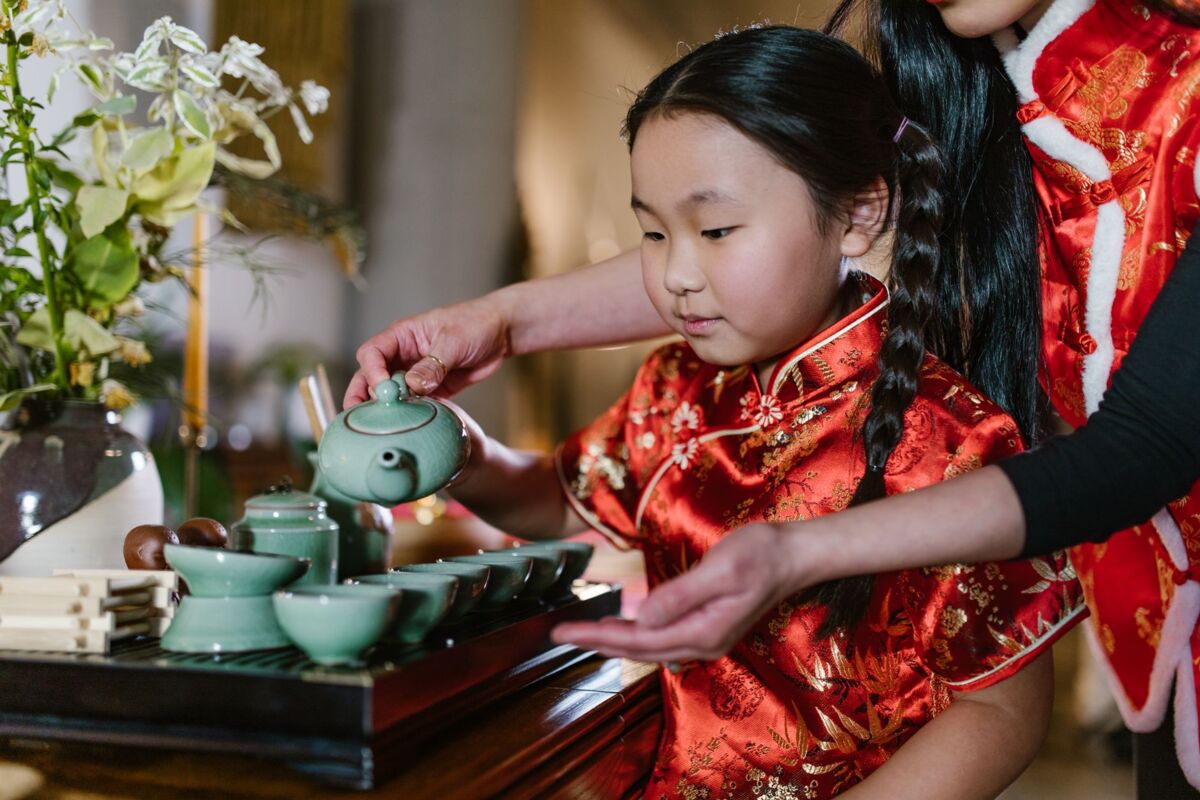
- Tea is part of the deal. Most places bring a pot of Chinese tea and charge a small tea fee per person; plain water for the kids is usually available - just ask.
- Mind the hot steamers. Bamboo baskets and their contents arrive piping hot, so keep them out of little hands and let everything cool before serving.
- Watch for common allergens. Prawn, sesame, peanut, egg and gluten turn up often, and fillings are not always obvious from the outside. If your child has allergies, ask staff about specific items - our guide to allergy-friendly eating in Singapore has more on dining out safely.
Frequently asked questions
Is dim sum suitable for babies and toddlers?
Yes, with a little care. Congee, plain steamed buns, the soft centre of a char siew bao and silky cheong fun work well for babies on solids, while toddlers happily manage siew mai and small bites of most dumplings. Always check the temperature, break food into small pieces, and avoid anything firm or with small bones for the youngest eaters.
Do I need to book for family dim sum?
For weekend brunch and any larger group, booking is strongly recommended - and essential if you want a high chair, a big round table or a private room. Casual neighbourhood spots are sometimes walk-in only, in which case arriving early is your best bet with kids.
Is there halal dim sum in Singapore?
Yes. Several restaurants serve halal-certified or Muslim-friendly dim sum, swapping pork for chicken, beef or prawn. Because certification status can change, always confirm a venue's current halal credentials directly before you go.
How long should I plan for a dim sum meal with kids?
With young children, plan for a focused 45 to 75 minutes. Order your first wave quickly so food arrives before patience runs out, save the sweet buns and egg tarts for the end, and ask for the bill while everyone is still happy.
Which dim sum is best for fussy eaters?
Start with the gentle classics: char siew bao, siew mai, cheong fun and plain congee are mild, soft and familiar enough to win over most cautious eaters. Add a steamed custard bun as a sweet incentive, and let your child choose one item themselves - ownership does wonders.
Dim sum ticks a remarkable number of boxes for family meals out: shared, varied, quick and gentle on small appetites. Pick the style that fits your day, go early, book ahead on weekends, and you have got the makings of a happy multi-generational brunch.
Gluten Free and Allergy-Friendly Eating Out in Singapore: A Parent's Guide
A practical parent's guide to gluten free and allergy-friendly eating out in Singapore: allergens, hawker safety, talkin...
9 min read
Cat Cafe Singapore: A Family Guide to Animal Cafes
A parent's guide to the cat cafe Singapore scene and animal cafes: how they work, age rules, etiquette, welfare, and wha...
10 min read
Bak Kut Teh in Singapore: A Family Guide to the Comforting Pork Rib Soup
A parent's guide to bak kut teh in Singapore: peppery vs herbal styles compared, what to order for kids, spice tips and ...
10 min read