

Chinese Restaurant Dining in Singapore With Kids: A Family Guide
In this article
- Why the round-table format works for families
- The main types of Chinese restaurant, and which suits your family
- Kid-friendly dishes to order
- What to look for when booking with kids
- Best age range and what to bring
- The occasions that bring everyone to the table
- Getting there, parking and making a day of it
- Frequently asked questions
There is a reason the Chinese restaurant is the default for so many Singapore family gatherings. The big round table, the lazy susan spinning dish after dish, three generations talking over one another while a toddler bangs a spoon on the bowl. It is loud, it is warm, and almost nobody leaves hungry. This guide is for any parent planning a meal out with children, from babies on solids to grandparents who want their soup hot. Rather than ranking specific venues, it helps you choose the right type of place, order a spread your fussy eater will actually eat, and book without the day-of stress, because Chinese restaurants in Singapore range from heartland zi char stalls to hotel dining rooms and their menus, hours and prices change constantly. Always confirm details on the restaurant's own website or by phone before you go.
Why the round-table format works for families
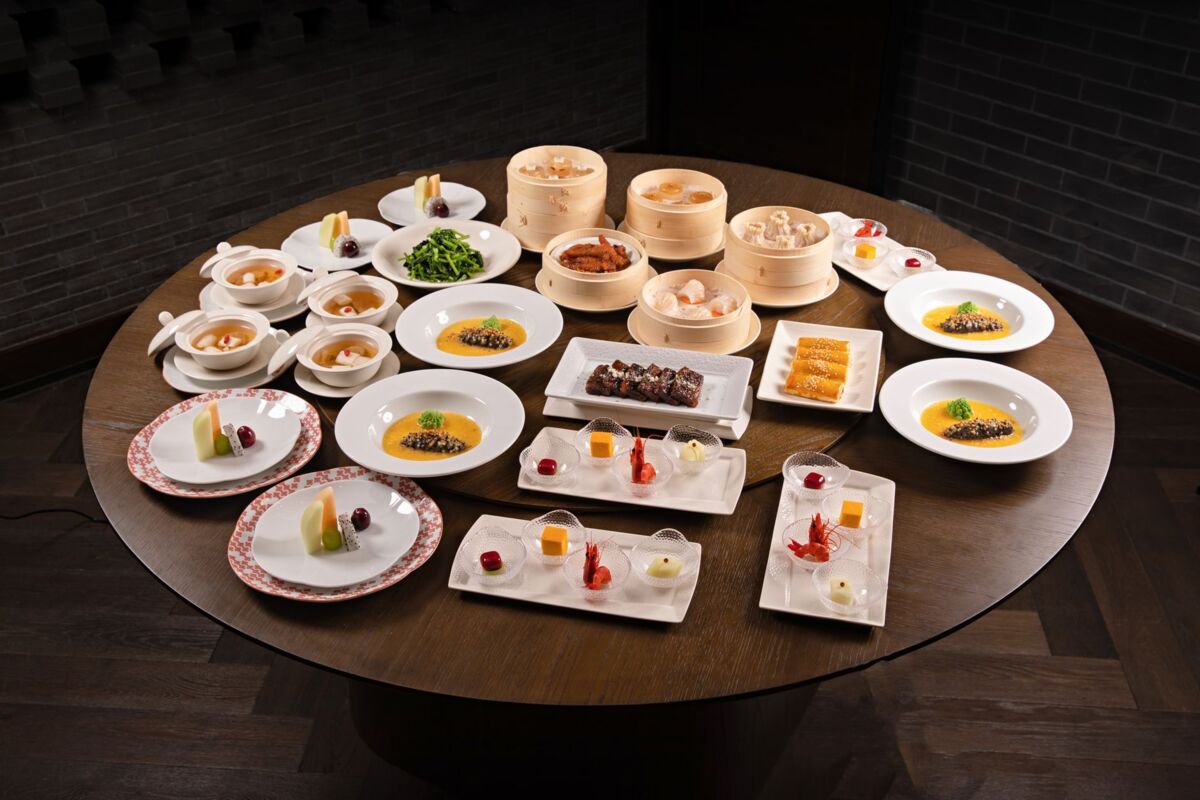
Chinese dining is built for sharing, and that suits families perfectly. Instead of everyone committing to one plate, you order a spread and each person picks at what they like. A picky four-year-old can stick to plain rice and a bit of chicken while the adults work through the seafood. Nobody is stuck with a dish they regret, and you are not paying for a children's main that comes back untouched.
The lazy susan also keeps little ones busy. Spinning the dishes round, helping Por Por reach the prawns, it turns dinner into something kids take part in rather than sit through. The shared format is gentle on fussy eaters too: with no full plate looming in front of them, trying one new dumpling feels low stakes rather than a standoff. Multi-generational meals are easier here than almost anywhere else, because there is genuinely something for the baby, the teenager and the grandparents at the same table.
The main types of Chinese restaurant, and which suits your family
Knowing the format before you book saves a lot of grief: the label on the door hints at the noise level, the price, the high-chair situation and how much spice to expect.
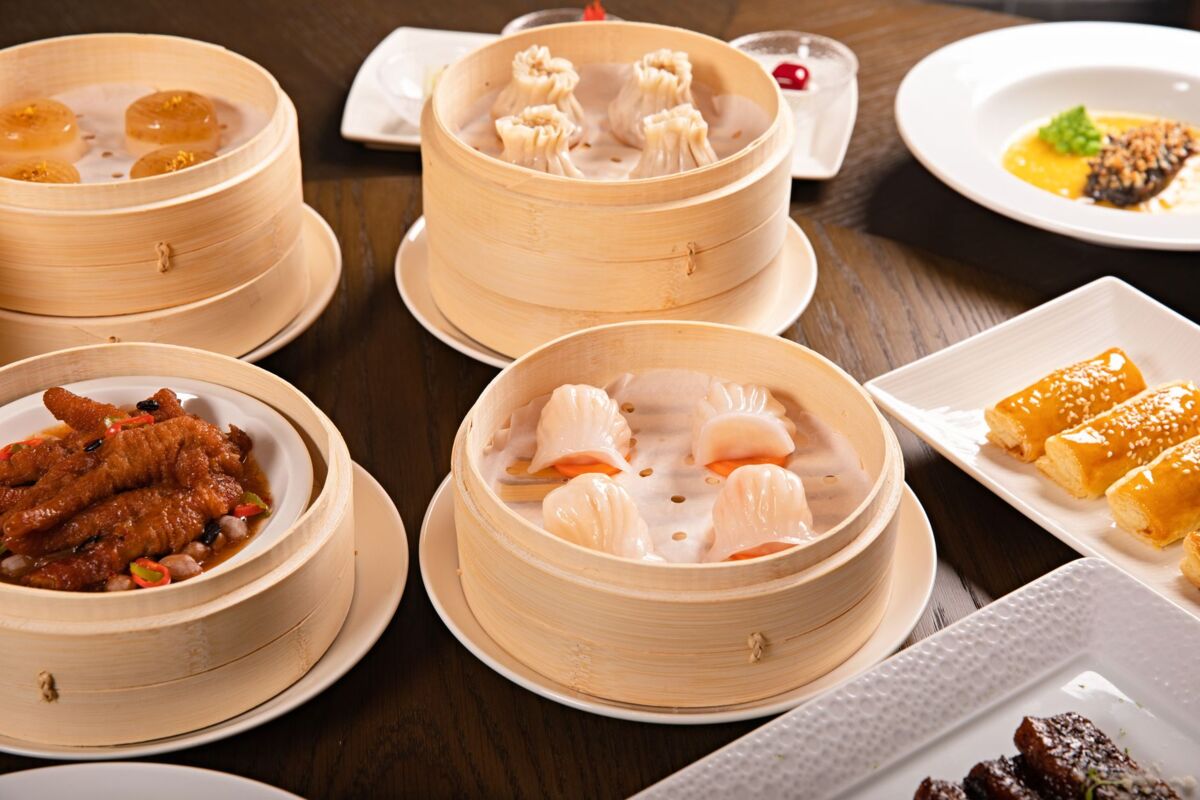
Cantonese and dim sum (yum cha)
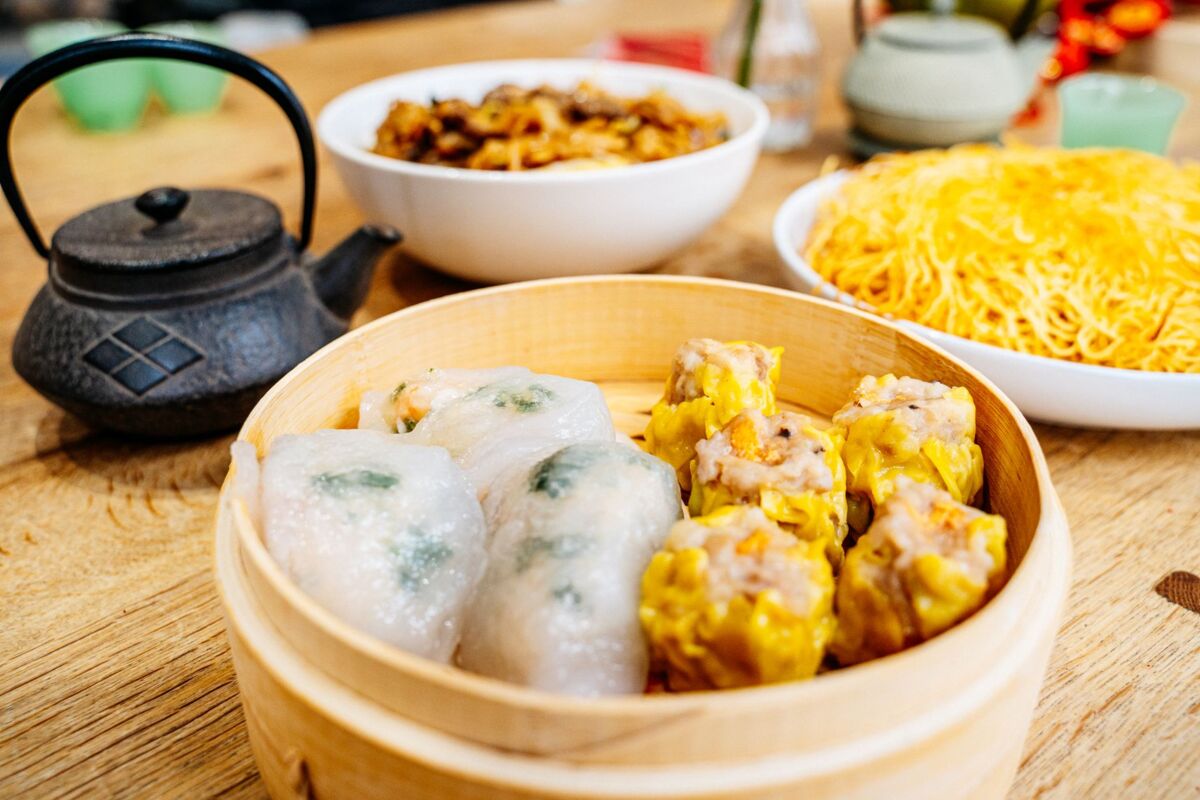
This is the classic family-friendly option and usually the easiest with young children. Dim sum means bite-sized steamed and fried portions in small baskets, eaten over a leisurely lunch known as yum cha. Some traditional halls still do pushcart service, where trolleys are wheeled past your table and you point at what you want, which kids find fascinating; most restaurants now use a-la-carte order chits instead, which is calmer and lets you pace the dishes. Either way, the small portions cool quickly, suit small hands, and something new keeps arriving to hold a toddler's attention. Cantonese kitchens also do the milder steamed and roasted dishes children tend to accept.
Zi char (casual stir-fry)
Zi char is the no-frills neighbourhood option, often in a coffee shop or kopitiam, where you order cooked-to-order stir-fries, soups and rice to share. It is affordable, fast, usually loud enough that no one notices a fussing baby, and full of kid-safe staples like fried rice, sweet and sour pork and steamed egg. The trade-off: older venues may have no high chairs, tight spaces and steps, so call ahead or scout the place first.
Hotpot and steamboat
Steamboat is communal and fun for older kids who enjoy cooking their own food, but the bubbling pot sits at child arm height, so treat it as a real burn risk. Ask for the pot to be placed away from where little ones sit, keep babies and toddlers well back, and serve the youngest from a separate dish rather than letting them reach across. Many places offer a non-spicy broth alongside the spicy mala one, so you can keep a mild side for the children.
Regional and spicy styles
Sichuan, Hunan and some Northern Chinese kitchens can be genuinely fiery, and mala in particular is far too hot for most young palates. You can still eat well here with kids by ordering carefully: ask which dishes are non-spicy, request chilli left out or on the side, and anchor the table with plain rice, steamed greens, dumplings and a clear soup. Tell the staff you are feeding small children and they will usually steer you to the milder half of the menu.
Halal Chinese
Families who eat halal are not shut out of Chinese dining. A growing number of halal-certified Chinese restaurants serve zi char, dim sum and the familiar comfort dishes without pork or alcohol. Look for the official Muis halal certification on display or on the venue's website rather than relying on a generic no-pork sign, and confirm the current status directly, since certification can change.
Kid-friendly dishes to order
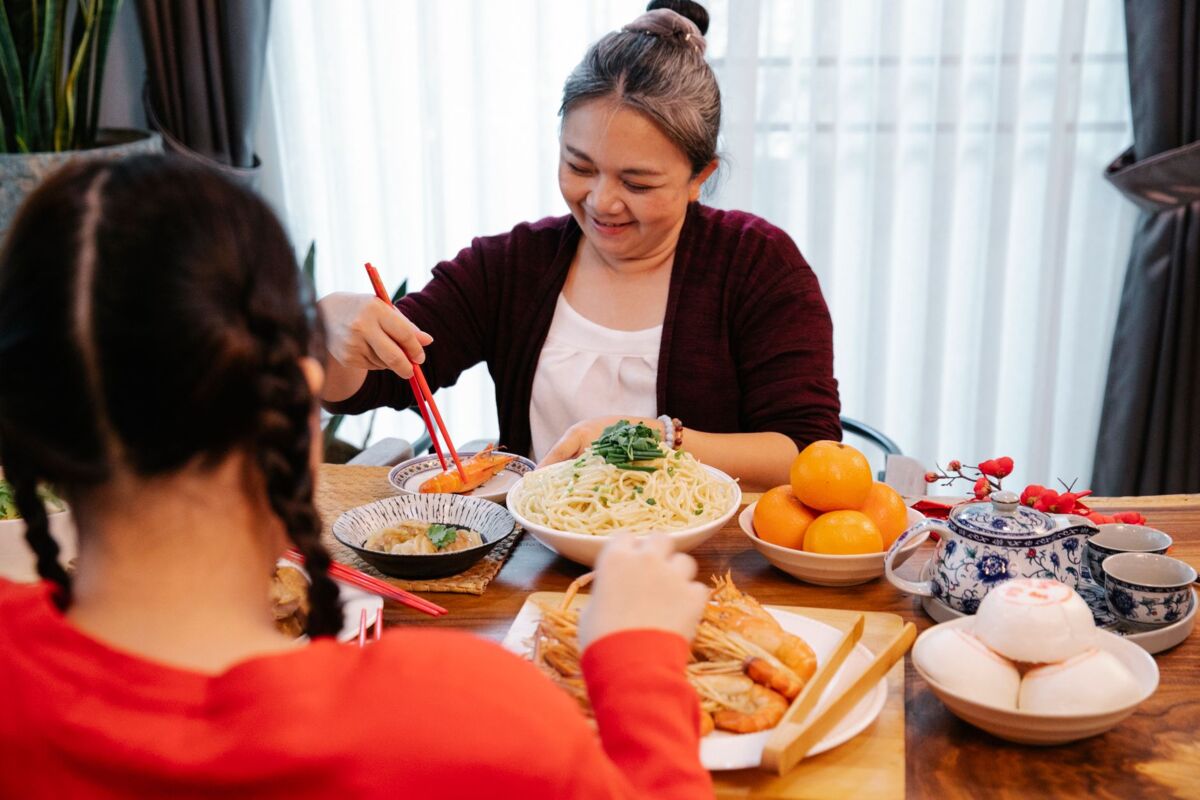
Almost every Chinese menu, from zi char to hotel Cantonese, carries a reliable set of dishes children tend to accept. Anchor the table with a few crowd-pleasers, then add the more adventurous plates around them so the fussy eater always has a fallback.
- Steamed white rice or fried rice. The fallback for almost any reluctant eater, and easy to mix with a little sauce from other dishes.
- Congee or porridge. Plain, or with fish or chicken. Gentle, warm and ideal for early eaters, teething babies or anyone feeling under the weather.
- Steamed fish. Soft, mild and easy to flake. Ask staff to help debone a portion for younger children.
- Steamed tofu and beancurd. Soft, neutral and good for babies on solids and toddlers.
- Sweet and sour pork or chicken. The bright, tangy flavour is a long-time kid favourite.
- Dim sum staples such as char siew bao (barbecue pork buns), siew mai, har gow (prawn dumplings) and custard buns. Many places do animal-shaped buns that delight little ones.
- Noodles, bao and greens. Plain or lightly sauced noodles, soft buns, dumplings and steamed greens are all easy wins, and a simple way to sneak some colour onto a small plate.
To build a balanced spread, start with one carb everyone eats (rice, congee or plain noodles), add one soft protein (steamed fish, tofu or egg), one vegetable, and one or two fun shared plates. Order the mild dishes first so the children have something to eat while richer plates arrive, and keep gravies and very hot soups to the side for the youngest. A quick word with staff usually gets you a less salty, deboned or chilli-free version.
What to look for when booking with kids
Facilities vary hugely between a casual coffee-shop zi char and a hotel dining room, so check these directly with the restaurant before you confirm.
- High chairs. Most established restaurants keep a few, but they run out at peak times, so request one when you book.
- Round tables. A round table with a lazy susan beats a long rectangular one, since everyone can reach the food and you can seat the baby beside whoever is on duty.
- Private rooms. Ideal for big or loud groups, celebrations and giving little ones room to move. Many carry a minimum spend, so ask the figure up front.
- Pram and stroller access. Hotel and mall restaurants are usually easy; older shophouse and coffee-shop venues may have steps, narrow aisles or no room to park a stroller.
- Diaper-change and nursing facilities. Hotel and mall venues usually have these nearby; standalone shophouse restaurants often do not. Our guide to nursing rooms in Singapore maps out where to find them.
- Kids' portions. Few places have a formal children's menu, but most will do plain rice, congee or a milder dish on request.
- Timing and crowds. Weekday lunch, and dim sum in particular, tends to be calmer than a packed dinner service. Weekend yum cha is popular, so book or arrive early.
- Reservations. Round tables and private rooms go fast on weekends and during festive periods, so reserve well ahead, especially for Chinese New Year.
Best age range and what to bring
Chinese restaurants suit almost every age, which is why they are the go-to for whole-family meals. Babies on solids do well on congee, steamed tofu and soft rice; toddlers and preschoolers, the trickiest age to dine out with, are won over by bao, dumplings and the spinning lazy susan; and school-age kids and up eat almost everything on the table. A few things worth packing:
- A clip-on or travel high chair if you are unsure the venue has one, plus a bib and a child-safe spoon.
- Wet wipes and a cloth, because sauces, rice and lazy-susan enthusiasm make for a messy table.
- A small toy or book for the gap between ordering and food, which can be long at a busy yum cha.
- A water or straw cup for the little ones, since hot tea is the default drink.
The occasions that bring everyone to the table
Chinese restaurants are the backdrop for the family milestones that matter. Birthdays, baby's first-month full-moon celebrations, graduations and anniversaries are all classic reasons to book a big round table. For these, a private room is worth asking about: it gives you space for a pram, a quieter corner for a tired baby, and the freedom to let kids be kids.
The biggest of all is the Chinese New Year reunion dinner, traditionally held on the eve of the new year when the whole extended family gathers around one table. A highlight for children is the lou hei, also called yu sheng, a colourful raw-fish salad everyone tosses high with chopsticks while shouting auspicious phrases for prosperity. Kids love the mess and the noise. You can read more about the heritage behind these traditions on the National Heritage Board's Roots portal. Reunion tables book out fast, so reserve well ahead.
Getting there, parking and making a day of it
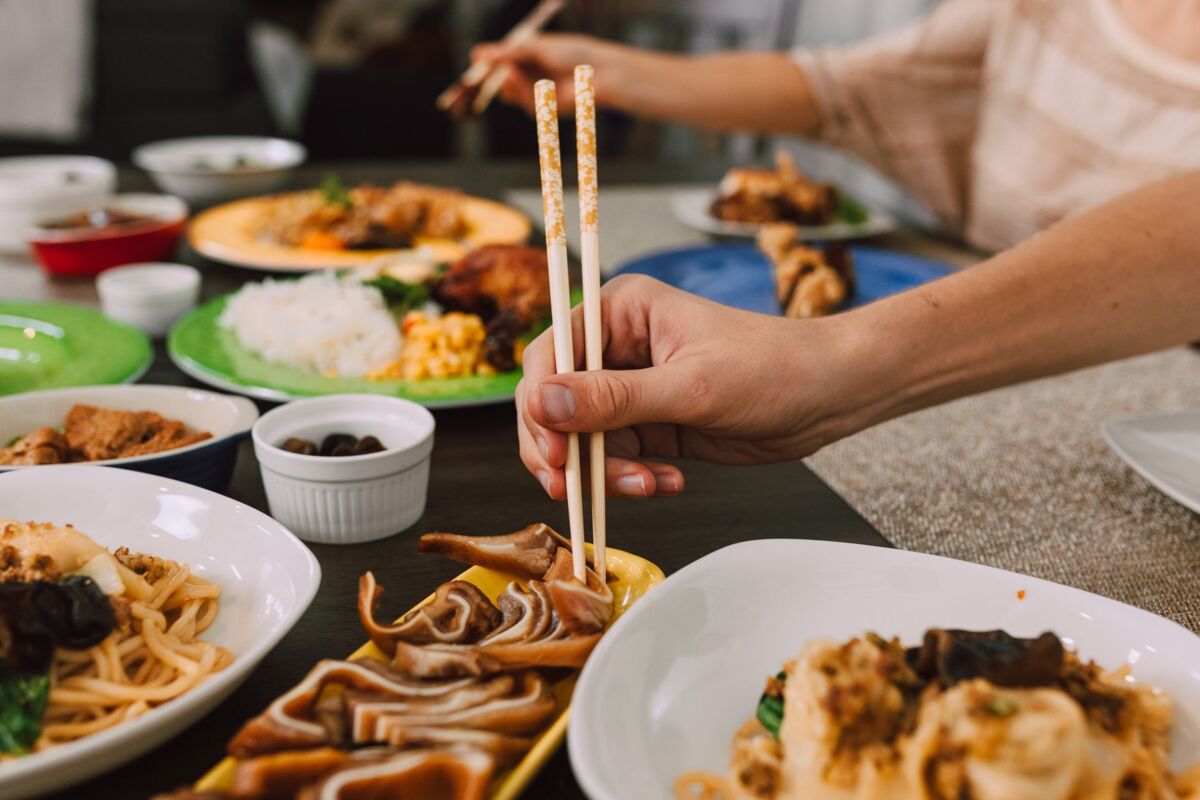
Chinese restaurants are everywhere in Singapore, from heartland coffee shops to city hotels, so there is almost always one near an MRT station or with parking nearby. Mall and hotel venues are the easiest with a stroller and usually sit on top of a car park and an MRT line. Chinatown is popular for an immersive dim sum and yum cha experience, reachable on the North East and Downtown lines, with plenty to explore on foot before or after lunch. If you are driving to a festive lunch, arrive early, since both car parks and tables fill up fast at peak times.
Make a half-day of it: pair a long lunch with a nearby park or some shopping so the kids burn off energy before they are strapped into chairs, with a rainy-day backup like an indoor mall in mind. For ideas around your meal, browse our play guides, and if Chinese dining is not the mood, our roundups of family-friendly hawker centres and buffets for families cover the other crowd-pleasers.
Frequently asked questions
Are Chinese restaurants in Singapore good for babies and toddlers?
Generally yes, and they are one of the easier cuisines to dine out with little ones. Soft dishes like steamed tofu, congee, plain rice and steamed fish suit early eaters, and most established restaurants keep high chairs. Confirm chair availability and stroller access when you book, especially at older shophouse venues.
What should I order for a fussy eater?
Anchor the table with steamed or fried rice, char siew bao or custard buns, sweet and sour chicken, and a mild steamed fish or tofu dish. The sharing format lets a fussy eater graze without committing to a full plate, and trying one new dumpling off a shared basket feels far less daunting than a whole portion of their own.
How do I manage spicy dishes with children?
Tell the staff you are feeding young children and ask which dishes are non-spicy. Request chilli left out or served on the side, order the mild dishes first, and keep plain rice and a clear soup on hand to cool a hot mouth. Be especially careful with Sichuan, Hunan and mala steamboat, which can be very spicy by default.
Do I need to book a private room for a family gathering?
Not always, but a private room is worth it for big groups, celebrations and Chinese New Year, when you want space for prams and a quieter spot for little ones. Rooms often carry a minimum spend, so ask the figure in advance and confirm it suits your group size.
Is steamboat or hotpot safe with young kids?
It can be, with supervision. The pot of boiling stock is a real burn risk at child height, so ask for it to be positioned away from little ones, keep babies and toddlers well back, and serve the youngest from a separate plate rather than letting them reach across the table. Many places offer a non-spicy broth so you can keep a mild side going.
Are there halal Chinese restaurants in Singapore?
Yes. A number of halal-certified Chinese restaurants serve zi char, dim sum and the usual comfort dishes without pork or alcohol. Look for official Muis halal certification on display or on the venue's website rather than a generic no-pork sign, and confirm the current status directly before you book.
For more family dining across the island, head to our eat hub, and when festive season comes around, check what's on for seasonal menus and celebrations.
Gluten Free and Allergy-Friendly Eating Out in Singapore: A Parent's Guide
A practical parent's guide to gluten free and allergy-friendly eating out in Singapore: allergens, hawker safety, talkin...
9 min read
Cat Cafe Singapore: A Family Guide to Animal Cafes
A parent's guide to the cat cafe Singapore scene and animal cafes: how they work, age rules, etiquette, welfare, and wha...
10 min read
Bak Kut Teh in Singapore: A Family Guide to the Comforting Pork Rib Soup
A parent's guide to bak kut teh in Singapore: peppery vs herbal styles compared, what to order for kids, spice tips and ...
10 min read