

Hand, Foot and Mouth Disease (HFMD) in Singapore: A Parent's Guide
In this article
- What is HFMD, and how common is it here?
- Symptoms to look out for
- How HFMD spreads
- How HFMD is diagnosed
- Home care: helping your child feel better
- When to see a doctor
- Childcare and preschool exclusion rules
- Hygiene and disinfection: limiting the spread at home
- Will the rash leave marks? And other parent worries
- The bottom line
- Frequently Asked Questions
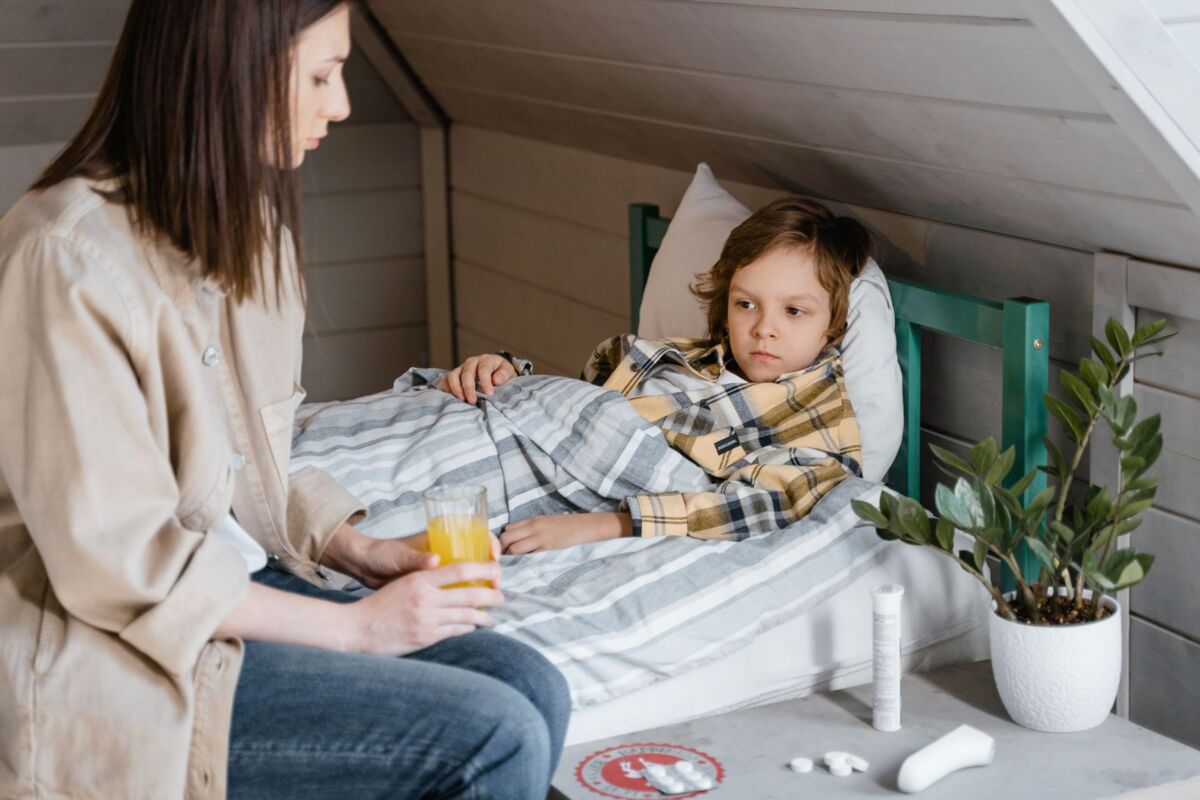
Few things rattle a parent quite like picking up your toddler from infant care and being told another child has hand, foot and mouth disease (HFMD), or spotting a fever plus tiny blisters on your own little one's hands. Take a breath. HFMD is one of the most common childhood infections in Singapore, it circulates all year round, and for the vast majority of children it is mild and clears up on its own. This guide is written for Singapore parents of babies and preschoolers, and it walks you through what HFMD actually is, the symptoms to watch for, how to keep your child comfortable at home, the hygiene and childcare rules that stop it spreading, and the red flags that mean it is time to see a doctor. Reliable, calm, practical information, so you know exactly what to do.
What is HFMD, and how common is it here?
HFMD is a viral infection caused by a group of enteroviruses. The usual culprits are coxsackievirus and other enteroviruses, and one strain in particular, enterovirus 71 (EV71), is worth knowing about because it is the one most likely to cause serious complications. It mainly affects young children, especially those under 5, simply because that age group is in close contact at childcare and tends to put hands, toys and everything else into their mouths. Older children and adults can catch it too, though it is less common and often milder.
In Singapore, HFMD is present all year round, with seasonal outbreaks that flare up regularly, often after school holidays when children mix again and during warmer, more humid stretches. Childcare centres, kindergartens and preschools are where it spreads fastest. If your child attends one, the odds are you will encounter HFMD at some point during the early years, so it helps to know the drill in advance rather than scrambling when it happens.
Symptoms to look out for
Symptoms usually appear about 3 to 5 days after your child is exposed, though the incubation period can range from 2 to as long as 14 days. The illness often opens with a fever and a child who simply seems off: more tired, fussier, or less interested in food than usual. Over the next day or two you may see the classic signs:
- Fever, often mild to moderate, and frequently the very first sign before anything else shows up
- Sore throat and mouth ulcers on the tongue, gums and inside the cheeks, which can make eating and drinking genuinely painful
- A rash or small blisters on the palms of the hands and soles of the feet, and sometimes on the knees, elbows, buttocks or around the nappy area
- Poor appetite, drooling and irritability, especially in babies who cannot tell you their mouth hurts
- Lethargy or a general feeling of being unwell, and occasionally vomiting or loose stools
In babies, the picture can be subtle. A little one who refuses the breast or bottle, drools more than usual, or is clingy and cranky with a fever may have mouth ulcers you cannot easily see. It is worth knowing that not every child gets every symptom, and many infections are so mild they pass almost unnoticed. In fact, a large share of people who catch the virus have few or no symptoms at all, which is part of why it spreads so quietly through a childcare cohort. For help telling a HFMD fever apart from one that needs faster attention, our guide on baby fever and when to worry is a useful companion read.
How HFMD spreads
HFMD is highly contagious, which explains why it tears through childcare settings so quickly. The virus passes from one child to another through several routes:
- Saliva, nasal discharge and droplets from coughs and sneezes
- Fluid from the blisters on the skin
- Stools, which is exactly why nappy changes and toilet hygiene matter so much (this is called faecal-oral spread)
- Contaminated surfaces, toys, cups, utensils and unwashed hands
A child is most infectious in the first week of the illness, but here is the catch many parents miss: the virus can keep shedding in the stools for weeks afterwards, in some cases for as long as 6 to 12 weeks, even once your child feels completely well. The amount of virus drops sharply after recovery, so the highest risk is during the active illness. Still, this lingering shedding is the reason thorough hand washing stays important long after the last blister has faded, particularly after nappy changes and trips to the toilet.

How HFMD is diagnosed
In most cases a doctor diagnoses HFMD clinically, meaning by looking at your child and recognising the tell-tale pattern: fever plus mouth ulcers plus the typical rash on the hands and feet. Laboratory tests are not usually needed for a straightforward case. It is still worth seeing a GP or paediatrician to confirm the diagnosis, especially the first time, if you are unsure, or if your child is a young baby. A doctor can also rule out look-alikes, advise you on what to watch for at home, and issue the medical certificate your childcare centre will ask for before your child returns.
Home care: helping your child feel better
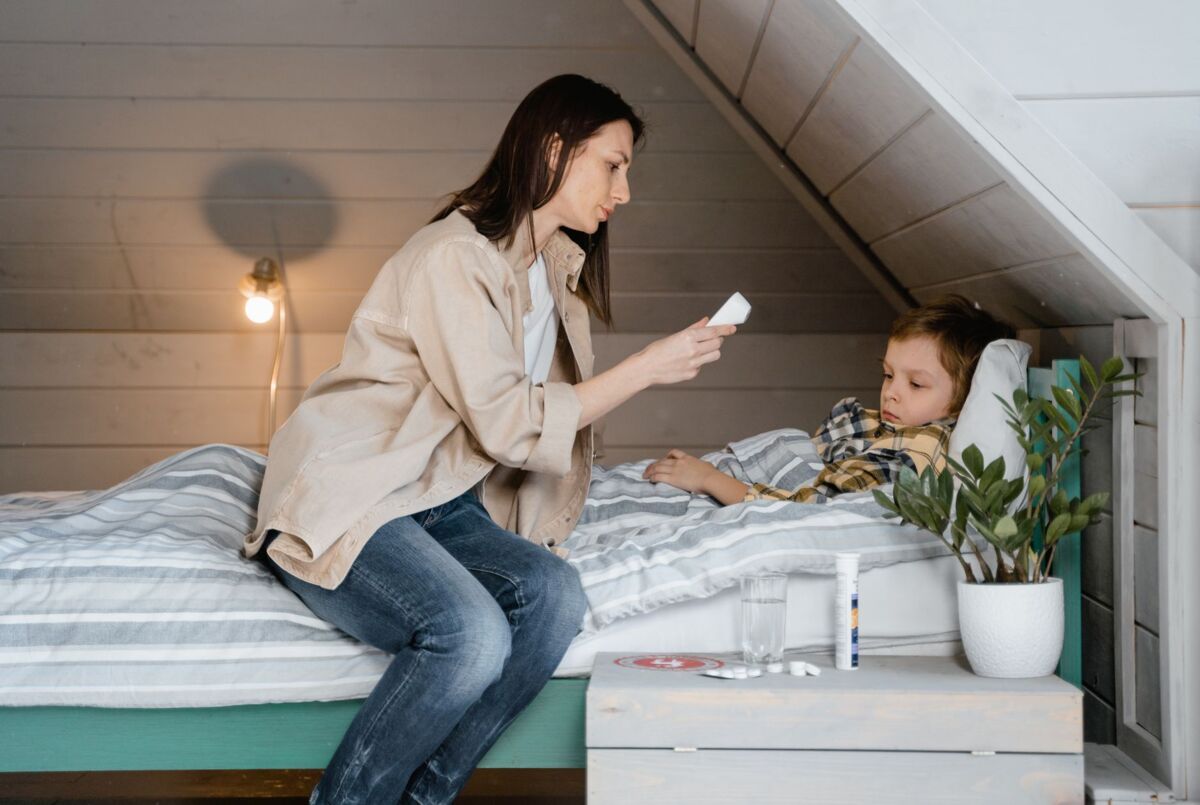
There is no specific medicine that cures HFMD, and because it is viral, antibiotics do nothing for it. Care is entirely supportive: you are keeping your child comfortable while their own immune system clears the infection over roughly a week. The two things that matter most are keeping your child hydrated and easing the pain of those mouth ulcers, because a sore mouth is the main reason children stop drinking and become dehydrated.
- Push fluids, little and often. Painful ulcers make big drinks unappealing, so frequent small sips work better. Cool water, milk or plain fluids are good choices, and a cold drink can soothe a sore mouth.
- Offer soft, cool foods. Yoghurt, porridge, mashed potato, jelly, smooth soups served cool, and similar gentle foods are kinder on ulcers. Skip hot, salty, spicy or acidic items like citrus juice, which can sting.
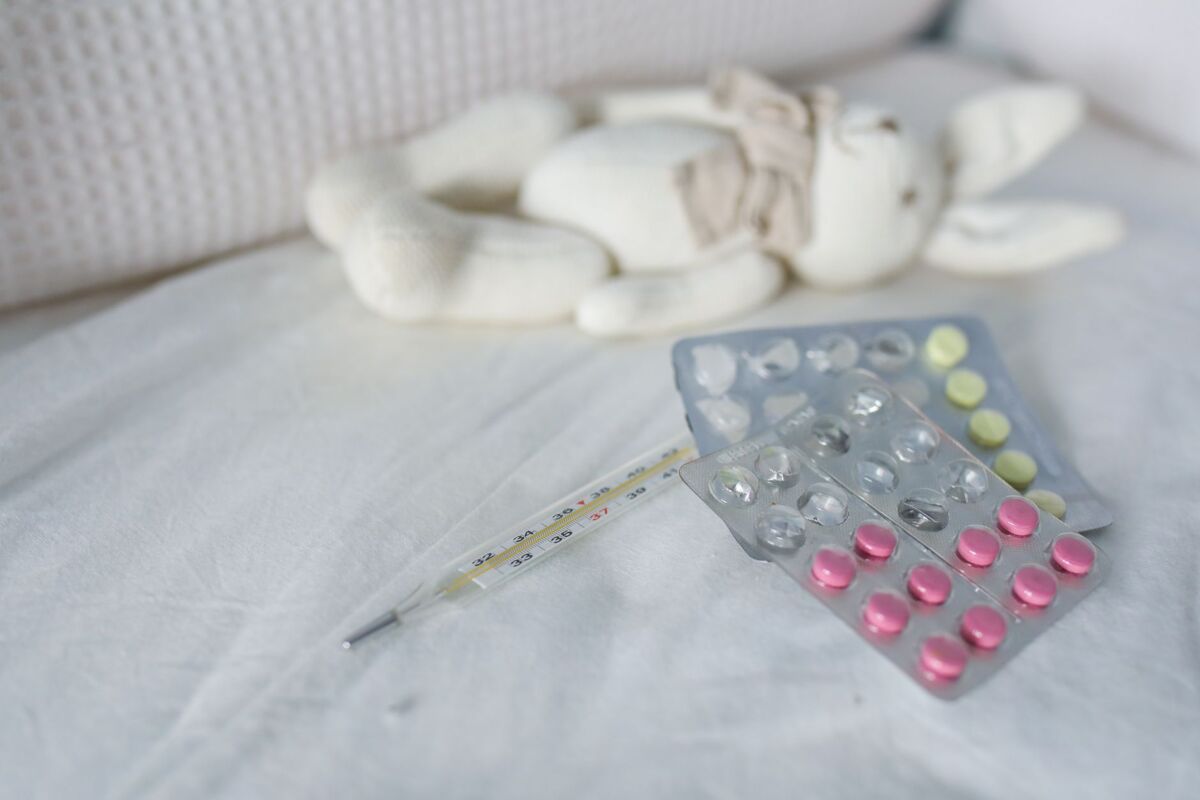
- Manage fever and pain as advised. Paracetamol is commonly used to bring down fever and ease ulcer pain. Always follow the dosing instructions for your child's age and weight, and check with your doctor or pharmacist if you are unsure, especially for young babies. Do not guess doses.
- Prioritise rest at home. Plenty of rest aids recovery and keeps your child away from others while they are infectious.
- Leave the blisters alone. They usually need no treatment and heal by themselves. Try to stop your child scratching or bursting them, and keep the skin clean.
Watch fluids especially closely in babies and very young toddlers, who can slide into dehydration far faster than older children. If you are building your wider toolkit for the early months, our newborn care basics guide covers fever, feeding and comfort fundamentals that come in handy whenever your little one is unwell.
When to see a doctor
Most children sail through HFMD at home, but you should see a doctor to confirm the diagnosis, and it is wise to get medical advice early if your child is a young baby. Beyond that, seek care sooner rather than later, and head for a children's emergency department such as KK Women's and Children's Hospital (KKH) or the National University Hospital (NUH) if you spot any of these red flags:
- Signs of dehydration: refusing to drink, far fewer wet nappies than usual, no tears when crying, a dry mouth, or a sunken soft spot in babies
- A persistent high fever that stays up or does not respond to paracetamol
- Drowsiness, unusual sleepiness, or being very hard to wake
- Persistent vomiting
- Fast or laboured breathing, or your child looking generally very unwell
- Jerking, twitching or limb weakness, an unsteady or startled child, or any other unusual neurological signs
- No improvement after a few days, or a child who seems to be getting worse rather than better
Serious complications from HFMD are uncommon, but they can occasionally affect the heart, lungs or nervous system, and these are most often linked to the EV71 strain. Possible severe outcomes include inflammation of the brain (encephalitis) or heart, which is exactly why the warning signs above are worth taking seriously even though they are rare. A doctor can examine your child and tell you precisely what to monitor at home. Being aware is not the same as being alarmed; the overwhelming majority of children recover fully.
Childcare and preschool exclusion rules
In Singapore, a child with HFMD must stay away from childcare, kindergarten and school to limit the spread. The standard expectation is that your child remains home until they have recovered, typically until all the blisters have dried up, and that they are certified fit by a doctor before returning. Most GPs and paediatricians issue a medical certificate covering the unwell period, and your centre will usually ask to see it. On top of the doctor's MC, individual preschools and infant care centres set their own return-to-school requirements, so always check directly with your centre.
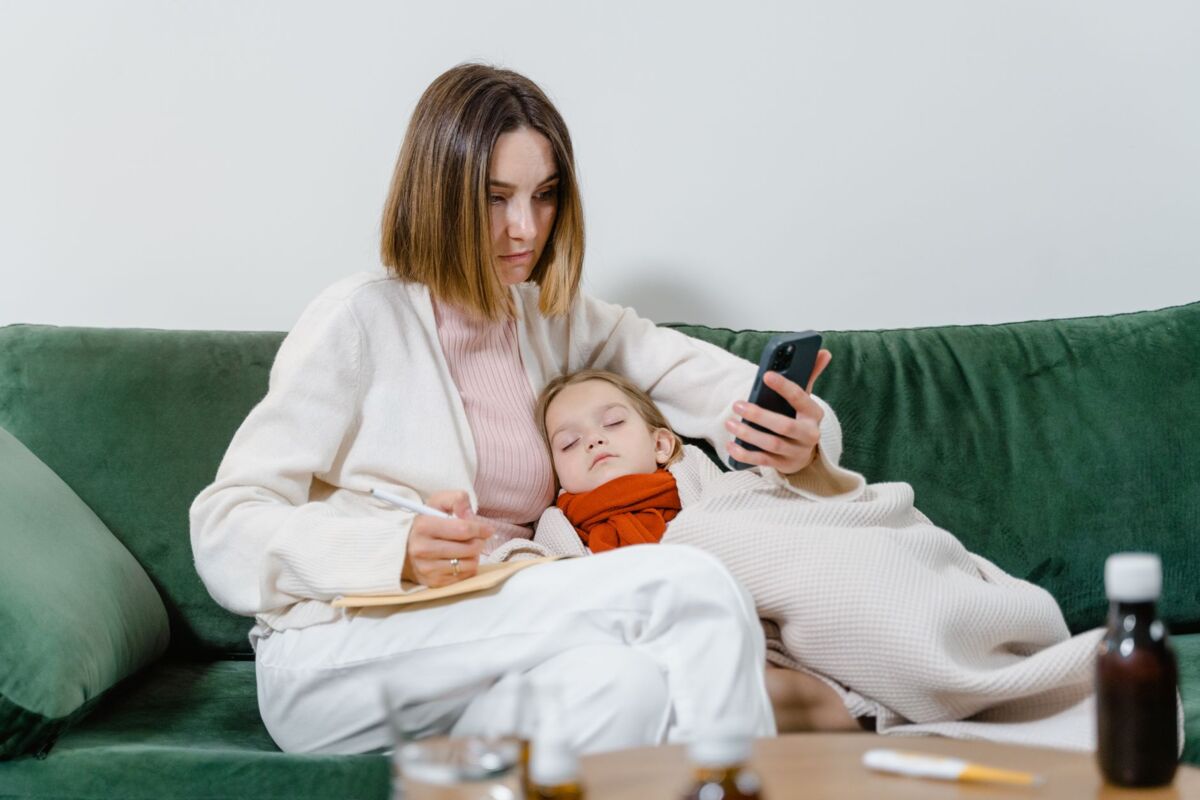
Notify your child's centre as soon as HFMD is diagnosed, not when they are due back. Centres in Singapore monitor HFMD closely, and when a cluster of cases appears, the authorities may recommend or require a temporary closure to break the chain of transmission. The exact thresholds and rules can change over time, so confirm the current requirements with your centre and, where relevant, with the Early Childhood Development Agency (ECDA). One point of reassurance for the paperwork-minded: HFMD is not a legally notifiable disease in Singapore, but it is actively monitored by the health authorities, and childcare closure decisions are managed centrally precisely to keep outbreaks in check.
Hygiene and disinfection: limiting the spread at home
Once HFMD is in the house, good hygiene is your best defence against siblings, parents and grandparents catching it. None of this is complicated; it just needs doing consistently while your child is unwell and for a stretch afterwards.
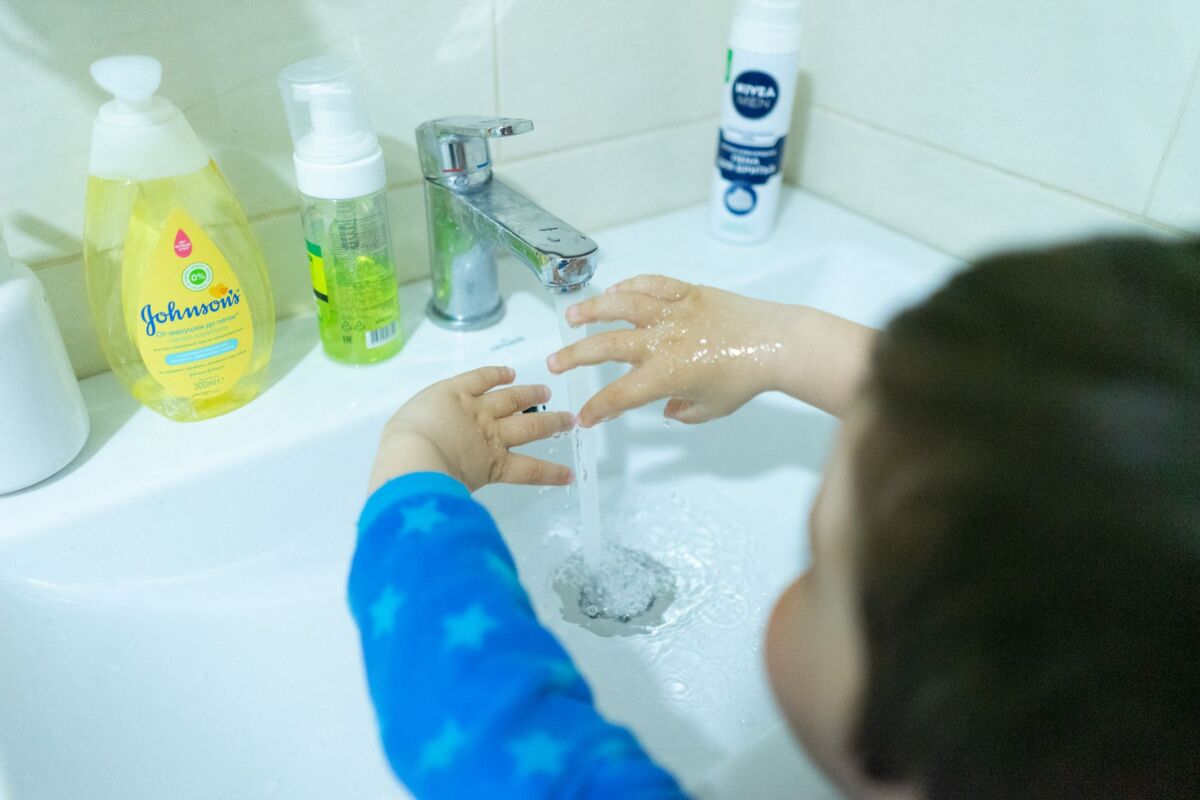
- Wash hands thoroughly with soap and water for at least 20 seconds, especially after nappy changes, after the toilet, and before preparing food or eating
- Clean and disinfect frequently touched surfaces, toys, high chairs and shared items regularly during the illness and for a while after
- Do not share cups, utensils, towels, bedding or toothbrushes
- Teach children to cover coughs and sneezes with a tissue, then bin the tissue and wash hands
- Keep your sick child at home and away from other young children, playgrounds and gatherings until they have fully recovered
There is no vaccine for the common HFMD viruses on Singapore's childhood schedule, so prevention really does come down to hygiene and keeping unwell children home. It is also why HFMD can strike the same child more than once: immunity to one virus does not protect against the others in the family, so a child who had it last year can absolutely catch a different strain this year. If you are mapping out your child's protection more broadly, our overview of baby vaccinations under the National Childhood Immunisation Schedule sets out what is covered and what is not.
Will the rash leave marks? And other parent worries
The HFMD rash typically heals without scarring, and the blisters dry and fade on their own as your child recovers. In some children, especially after a heavier bout, the skin can peel and fingernails or toenails may shed weeks later; this is harmless and the nails grow back. If your child is prone to sensitive or itchy skin generally, our guide to baby eczema in Singapore covers gentle skincare that keeps irritated skin comfortable while it settles. As always, if a rash looks unusual, spreads oddly, or you are simply not sure it is HFMD, have a doctor take a look.
The bottom line
HFMD is common in Singapore, it is usually mild, and most children bounce back fully within about a week to 10 days with rest, fluids and a little comfort. Your job is straightforward: keep your child hydrated, ease the mouth pain, watch for the red flags, follow your childcare centre's exclusion rules, and keep hands and surfaces clean so the rest of the family is spared. Awareness of the rarer EV71 complications is sensible, not a reason to panic. And if you are ever worried, a quick visit to your GP or paediatrician is always worth it for peace of mind. For more practical, Singapore-specific guides on caring for your little one, browse the full Fussy Mama blog.
Frequently Asked Questions
How long does HFMD last in children?
Most children recover within about 7 to 10 days. The fever usually settles within a few days, and the mouth ulcers and skin blisters clear over the following week or so. If your child is not improving after a few days, or seems to be getting worse, see a doctor.
When is my child no longer contagious?
Your child is most infectious during the first week of illness. The general rule for returning to childcare is to wait until they have recovered and the blisters have dried up, and to be certified fit by a doctor first. Keep in mind the virus can linger in the stools for several weeks, so diligent hand washing matters even after your child feels well. Always follow your centre's specific return policy.
Can adults catch HFMD from their child?
Yes. Although HFMD mainly affects young children, parents and other adults can catch it, particularly through close contact, nappy changes and shared items. Adult cases are often milder, but the same hygiene measures, especially thorough hand washing, help protect the whole household.
Can my child get HFMD more than once?
Yes. HFMD is caused by several different viruses, and having one does not give immunity to the others. A child who recovered from HFMD can catch it again from a different strain, which is why ongoing hygiene habits stay useful even after a bout.
Is HFMD a notifiable disease in Singapore?
HFMD is not a legally notifiable disease in Singapore, because it is a common and usually mild childhood illness. It is, however, closely monitored by the health authorities, and childcare centres have exclusion rules and may be asked to close temporarily when cases cluster, to break the chain of transmission.
Is there a vaccine for HFMD?
There is no vaccine for the common HFMD viruses available on Singapore's national childhood schedule. Prevention relies on good hand and surface hygiene and on keeping unwell children at home until they have recovered.
What is EV71 and should I be worried?
EV71 is one of the enteroviruses that can cause HFMD, and it is the strain most associated with the rare but serious complications affecting the brain, heart or lungs. Most HFMD, including many EV71 cases, is still mild. The practical takeaway is simply to know the red flags, such as drowsiness, persistent high fever, fast breathing or any jerking or twitching, and to seek prompt medical care if they appear.
Medical disclaimer: This article is general information for Singapore parents and is not a substitute for professional medical advice. It cannot diagnose your child or replace an examination. Please see a doctor to confirm HFMD and for guidance on care, and seek urgent medical attention if your child shows any of the warning signs described above.

Baby Choking First Aid: What Every Singapore Parent Should Know
Baby choking first aid in Singapore: spot true choking, do infant back blows and chest thrusts, know when to call 995, a...
11 min read
Colic vs Reflux in Babies: A Singapore Parent's Guide to Soothing and Knowing When to Worry
Tell baby colic, reflux and wind apart in Singapore: what's normal, soothing tips that help, safe-sleep rules and the re...
10 min read
Baby Eczema in Singapore: Calm Skin in a Hot, Humid Climate
A calm, practical guide to baby eczema in Singapore: hot, humid-climate triggers, soak-and-seal moisturising, managing t...
11 min read