
Music Classes for Kids in Singapore: A Parent's Guide
In this article
- Why so many Singapore parents start with music
- The main types of music classes
- Best age to start, by stage
- Popular instruments and when to start
- Graded exams (ABRSM and the bigger picture)
- What fees usually cover (and how to compare)
- What a class actually looks like
- Practicalities Singapore parents forget to check
- Practising at home without the battles
- Frequently asked questions
If your baby drums on every saucepan, your toddler sways the moment a tune comes on, or your school-age kid keeps eyeing the piano at a friend's place, you are probably wondering whether to sign up for music classes for kids. Singapore has an unusually deep menu, from wriggly music-and-movement sessions for babies to one-to-one instrument lessons that lead to graded exams. This guide is for parents who want to choose well the first time: how the class types differ, the best age to start, how exams fit in, what fees usually cover, and how to use a trial lesson so you do not lock into the wrong school or the wrong teacher.
Why so many Singapore parents start with music
Beyond the simple joy of a child making sound on purpose, there is genuine developmental upside. Music lights up many parts of the brain at once and supports memory, attention and problem-solving, and early musical play is linked with stronger language and listening skills. Some research also connects early instrument learning with neural development, the brain's ability to adapt and grow, though scientists are still working out how lasting those effects are. Treat music as a rich activity in its own right, not a guaranteed shortcut to a smarter child.
There are practical reasons too. Music is a screen-free habit that quietly trains focus and patience, group sessions teach younger children to take turns and listen to others, and a structured path through graded exams gives an older child a visible sense of progress. For many families it slots neatly alongside the wider enrichment plan, sitting next to options you might be weighing in our guide to enrichment classes in Singapore.
The main types of music classes
Not all music classes are the same thing, and the labels on a school's website can blur together. Broadly, you will meet four formats here, and the right one depends far more on your child's age and temperament than on price.
Early-years music and movement
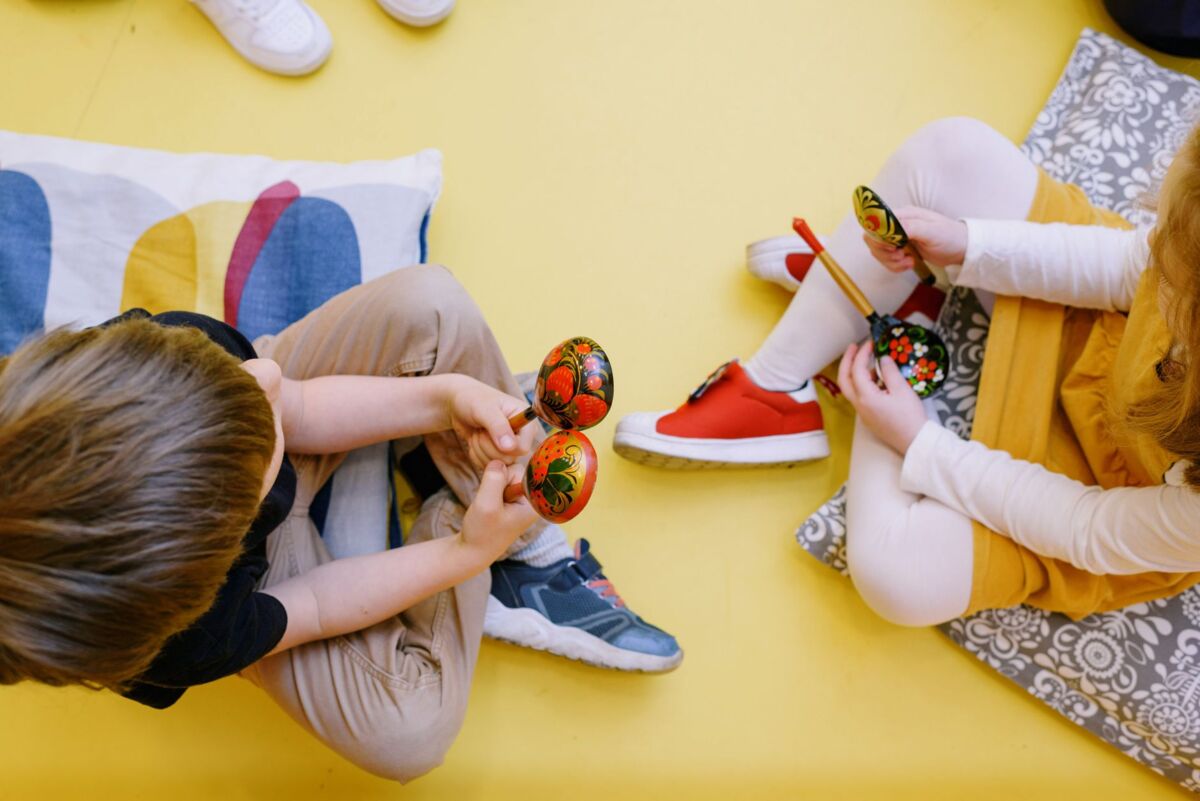
These are the playful, parent-and-child classes marketed for babies and toddlers, often from around six months up to age three or four. A typical session weaves together singing, clapping, marching, rolling on the floor, and exploring simple percussion like shakers, bells and small drums. Search terms like "rhythm in me reviews" usually point here: programmes built around movement and joy rather than formal instruction. The aim is not to teach an instrument yet, but to build a felt sense of rhythm, melody and tempo, develop motor skills, and let your child experience music socially. Sessions are deliberately flexible, so if your toddler wants to twirl at the side instead of joining the circle, a good teacher rolls with it.
Structured group music for preschoolers
From roughly age three to five, many schools offer a more structured group programme that bridges free play and real lessons. Children start to recognise beat and pitch, and may meet a keyboard, recorder or basic percussion in a low-pressure setting. This is the stage to discover what your child gravitates towards before you commit money to one instrument.
Instrument lessons (piano, violin and beyond)
Once a child has the attention span and fine motor control, usually around age four to five depending on the individual, formal instrument lessons open up. Piano and violin are the most common starting points in Singapore, but you will also find cello, guitar, ukulele, drums, woodwind such as flute or clarinet, and voice. These lessons teach technique, note-reading and real pieces, and form the foundation for graded exams if your child later wants them.
Group versus private lessons
Most schools run both, and each has clear trade-offs:
- Group classes, often small groups of a few children, tend to be more affordable, more sociable, and well suited to younger beginners who feed off peer energy and games.
- Private one-to-one lessons give your child undivided attention and usually allow faster, more tailored progress, which suits older or more serious learners and anyone preparing for exams.
- A hybrid path is common and sensible: start in a group to build basics and confidence, then move to private lessons once your child is committed to a specific instrument.
Best age to start, by stage
A simple way to narrow the field is to match the format to your child's stage rather than chasing the earliest possible start.
- Babies and toddlers (roughly 6 months to 3 years): early-years music and movement, ideally with you joining in. The goal is exposure and bonding, not skills.
- Preschoolers (around 3 to 5): structured group music, or a gentle first instrument once attention span and small-hand control allow it.
- School-age (around 5 to 7 and up): formal instrument lessons, group or private, with graded exams as an optional path later if your child stays keen.
Interest matters as much as age. If your child is pulled towards a particular instrument, lean into it, because enthusiasm sustains daily practice far better than a parent's preference does. If they are undecided, a broad group class is a low-stakes way to find out what they enjoy before you buy an instrument.
Popular instruments and when to start
There is no single right first instrument, but a few patterns hold in Singapore:
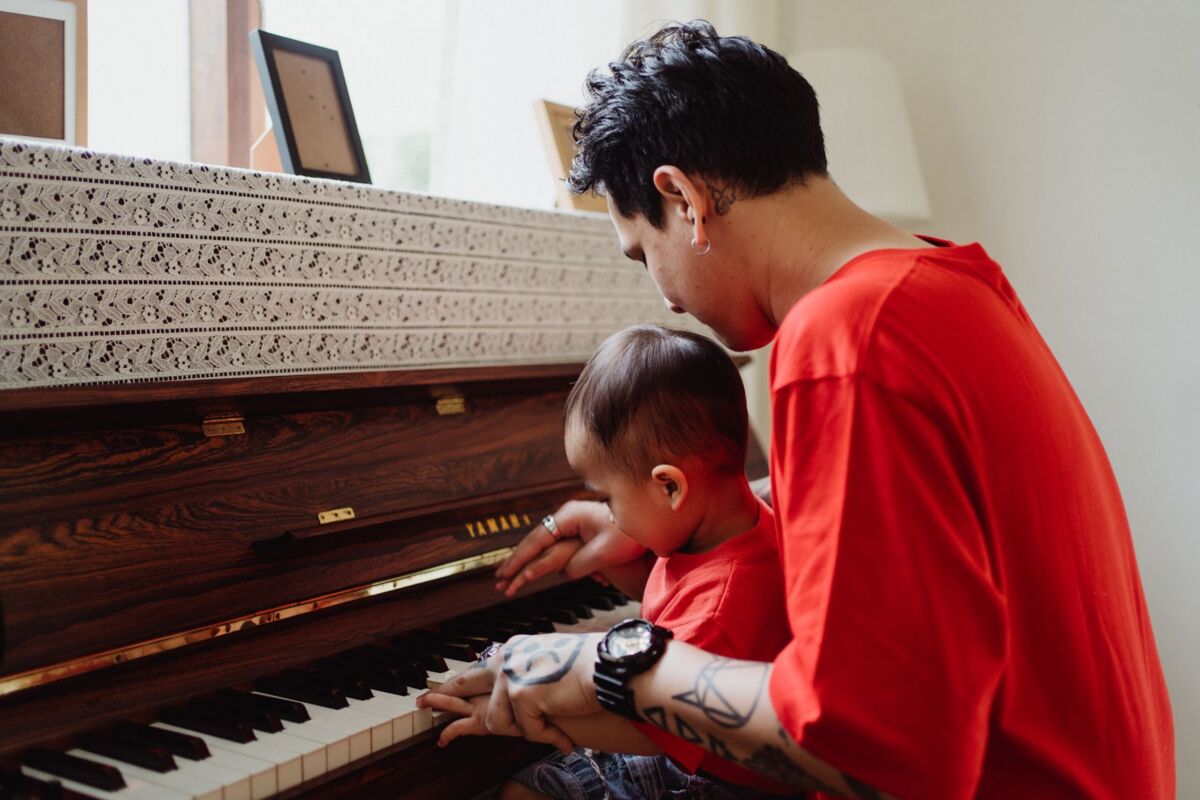
- Piano: a popular first instrument because the layout makes pitch and note-reading visual and logical. Many children start around age four to six.
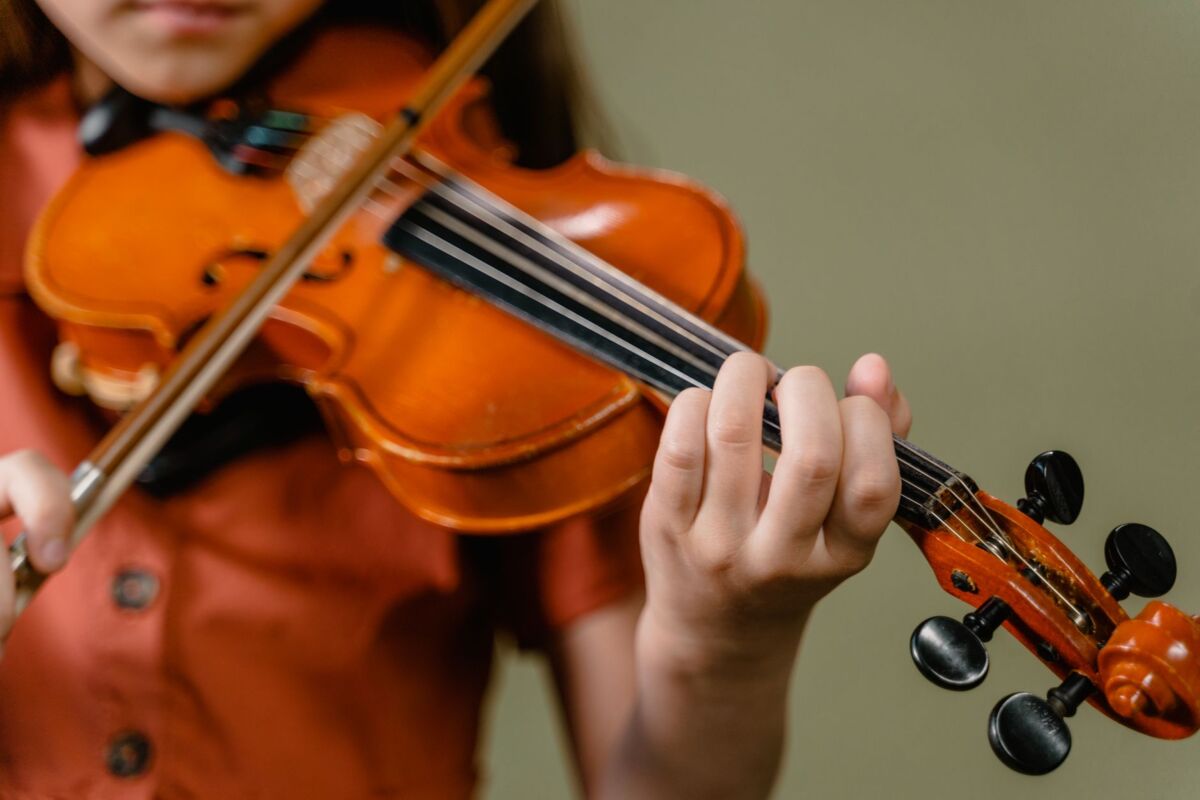
- Violin: available in small fractional sizes for young children, so an early start is possible, though it asks for good posture and ear from the outset.
- Ukulele or guitar: friendly entry points for slightly older kids who want quick, recognisable songs; ukulele suits smaller hands.
- Drums and percussion: great for high-energy children and a natural extension of the rhythm work done in music-and-movement classes.
- Voice: often comes a little later, as some teachers prefer the voice to mature before serious vocal technique.
Do not over-index on starting young. A motivated seven-year-old who practises happily will usually overtake a reluctant four-year-old who was pushed in early. Readiness and enjoyment beat a head start.
Graded exams (ABRSM and the bigger picture)
As children advance, many work towards graded music exams. The most widely recognised pathway in Singapore is ABRSM (the Associated Board of the Royal Schools of Music), which offers exams across many instruments and singing, plus music theory, organised progressively from Grade 1 up to Grade 8 with no age restrictions. There are practical (face-to-face) grades and performance (recorded, submitted online) grades, alongside theory exams. One rule worth knowing early: candidates generally need to pass Grade 5 or above in Music Theory, or an accepted equivalent, before sitting a practical or performance Grade 6, 7 or 8. Trinity College London is another recognised exam board you may come across. For current fees, dates, entry rules and the exact syllabus, always confirm on the official ABRSM Singapore website, since these change.
You do not need exams to enjoy music. Plenty of children play happily for years without ever sitting a grade, so treat ABRSM as one optional route rather than the point of every lesson.
What fees usually cover (and how to compare)
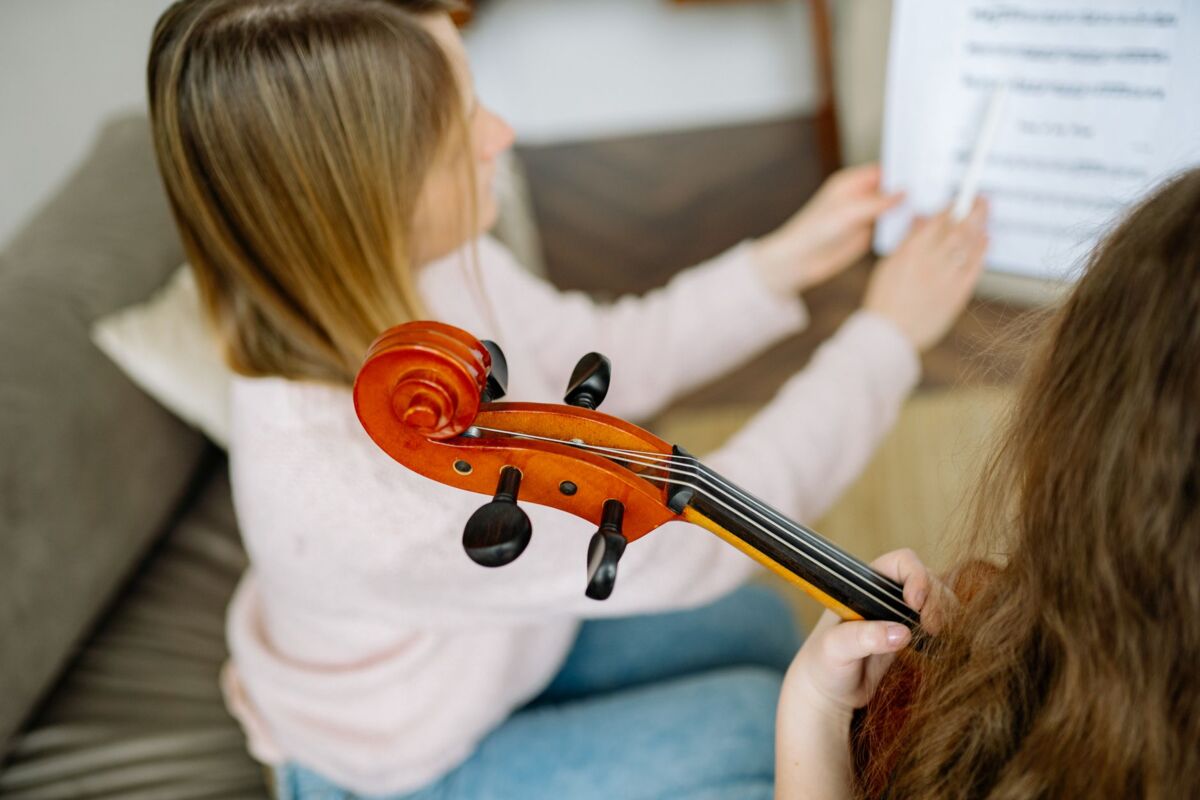
Avoid comparing schools on the headline class price alone, because what is bundled in varies a lot. Fees are typically charged per term rather than per single lesson, and the all-in cost often includes more than the lesson time. Ask each school to spell out the following so you are comparing like for like:
- Whether the price is per term, per month or per lesson, and how many lessons a term contains.
- One-off registration or enrolment fees that apply on signing up.
- Books, materials and exam entry fees, which are usually charged separately from lessons.
- For instrument lessons, whether you need to buy or rent the instrument, and whether the school sells or arranges this.
- Whether prices differ for group versus private, and for older versus younger age bands.
Because pricing moves and depends on instrument, duration and teacher, always confirm the current figures directly with the school rather than relying on an old blog post. Budgeting for music alongside other commitments is far easier once you have these numbers in writing, the same discipline that helps when you are weighing options like kids sports classes in the same term.
What a class actually looks like
Knowing the rhythm of a session helps you judge whether it fits your child. An early-years music-and-movement class usually runs 30 to 45 minutes, flowing between high-energy songs you march or dance to and calmer circle time with props, puppets or instruments passed around, with caregivers joining in. A formal instrument lesson is quieter and more focused, typically 30 minutes to an hour depending on age and level, mixing warm-ups, technique, a current piece and a little theory or sight-reading.
When you observe a trial, watch the teacher more than the curriculum. Are they warm and patient, do they pace to the child rather than the clock, and does your child look engaged? A teacher who clicks with your child matters more than a fancy studio.
Practicalities Singapore parents forget to check
The logistics often decide whether a term actually works for your family, so think them through before you sign:
- Location and transport: map the realistic door-to-door time by MRT, bus or car for your usual slot. A studio near an MRT line or with parking nearby is the difference between sticking with it and quietly dropping out.
- Stroller, siblings and nursing: if you are bringing a baby along, check for lift access, stroller parking, and a nursing room or changing facilities nearby, especially in older shopping centres.
- Timing and crowds: weekend and after-school slots fill first and can be busy; a weekday or earlier-morning class is often calmer and easier to book.
- What to bring: water, comfortable clothes your child can move in, and, for instrument lessons, their own books and instrument once enrolled.
- Rainy-day reality: most classes are fully indoors and air-conditioned, which makes music a dependable wet-weather activity; just factor in covered access during heavy downpours.
Practising at home without the battles
Progress in music is slow and steady, so set expectations early. For instrument lessons you will need something to practise on at home, whether that is a keyboard or piano or the instrument itself. Short, regular practice beats occasional long sessions, and for young beginners even five to ten focused minutes most days does more than an hour once a week. Keep it positive, tie practice to an existing routine like just after dinner, and praise effort rather than only results.
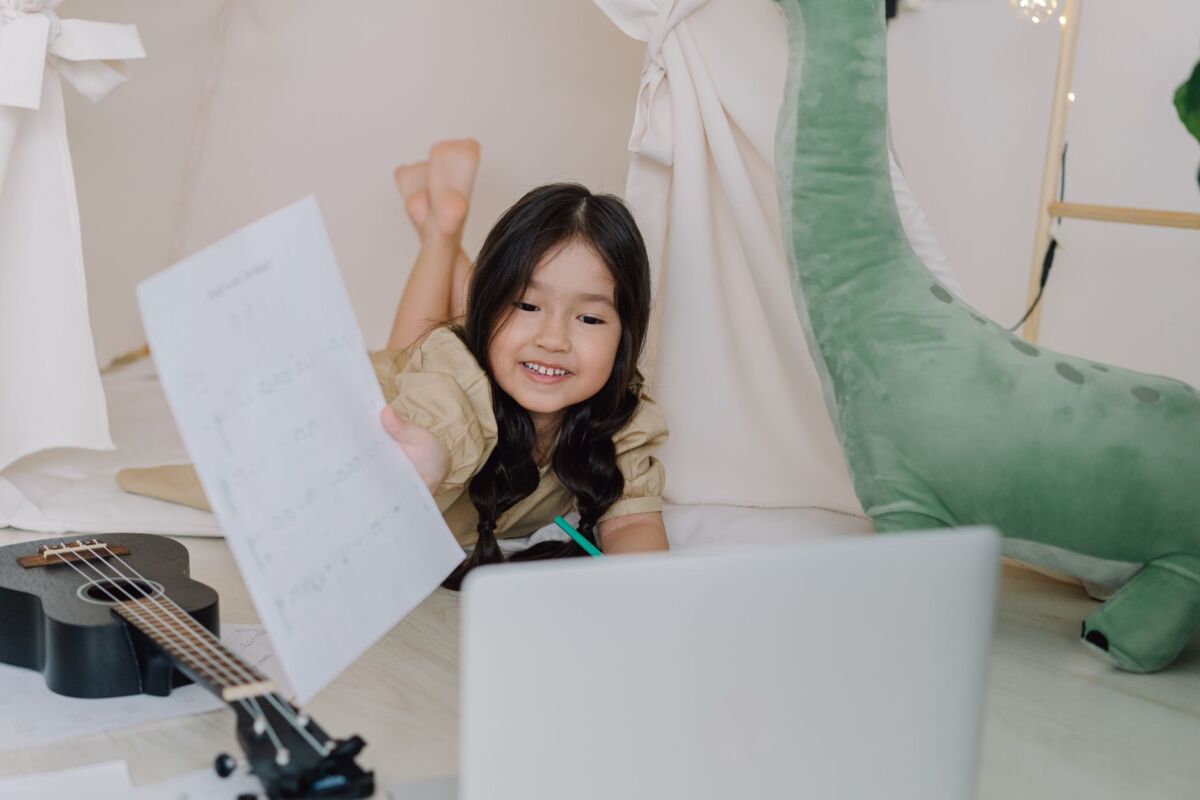
Switching instruments, or pausing for a season, is normal and not a failure. The goal is a child who keeps enjoying music, not a flawless unbroken line of grades. If your family is already juggling several commitments, rotate music with quieter weeks of reading and library time, an easy pairing with our look at children's libraries in Singapore.
Frequently asked questions
What age should kids start music classes in Singapore?
Babies and toddlers can enjoy early-years music and movement from as young as six months, with a parent or caregiver joining in. Formal instrument lessons usually begin around age four to five, depending on your child's readiness, attention span and interest rather than a fixed cut-off.
What are music-and-movement classes like, and what should I look for?
They are playful, child-led sessions built around singing, dancing, marching and simple percussion, usually lasting 30 to 45 minutes. Look for an energetic teacher who holds attention well, a flexible approach that lets reluctant children warm up at their own pace, and a welcoming attitude to both parents and helpers. A trial class is the best way to judge the vibe before committing.
Is piano or violin better for a beginner?
Both are popular first instruments in Singapore. Piano is often an easier visual starting point for note-reading, while violin comes in small sizes that suit young children drawn to it. The best choice is usually whichever instrument your child is genuinely excited about, since enthusiasm drives the practice that actually builds skill.
Do my kids need to take ABRSM exams?
No. ABRSM grades are optional and offer recognised milestones for children who want them, but many kids learn and love music for years without sitting any exam. Discuss goals with your teacher, and check the official ABRSM Singapore site for current details if you do decide to go the exam route.
How much do kids' music classes cost in Singapore?
It varies widely by class type, instrument, lesson length and whether lessons are group or private, and fees are usually charged per term. On top of lesson fees you may pay registration, books, materials and exam entry fees, plus the cost of buying or renting an instrument. Always confirm the current all-in price directly with the school before enrolling.
Ready to keep planning? Explore the wider learn section for the rest of your family's enrichment journey, from first instruments to weekend activities.
How to Choose the Best Preschool in Singapore: A Parent's Guide
How to choose the best preschool in Singapore for your child: centre types, curriculum, fee ranges, ECDA subsidies, wait...
11 min read
Childcare Centres in Singapore: A Parent's Guide to Infant Care, Subsidies and Choosing the Right One
How childcare centres in Singapore work: infant care vs full-day childcare, ECDA operators, subsidies, waitlists, fees a...
10 min read
Children's Libraries in Singapore: A Parent's Guide to NLB
A parent's guide to NLB children's libraries in Singapore: kids' sections, story times, free membership, the NLB app, Li...
11 min read