
Kids Sports Classes in Singapore: A Parent's Guide to Getting Started
In this article
- Why sport matters more than you think
- What is age-appropriate? A rough progression
- The main types of kids sports classes
- ActiveSG: the affordable starting point
- How to choose the right class
- What to wear and bring
- Staying safe: heat, hydration and injuries
- What does it cost and how much commitment?
- Make the most of trial classes
- Frequently asked questions
If your little one is climbing the furniture by 7am, a weekly sports class might be one of the best things you ever sign them up for. Singapore has a deep bench of options, from splashy swim lessons to tumbling gymnastics and lively multi-sport sessions, and plenty are surprisingly affordable through national programmes. The hard part is rarely finding a class. It is choosing the right one for your child. This guide is built for parents starting from scratch: why sport matters in the early years, how to match an activity to your child's age and temperament, the main types of kids sports classes in Singapore, what it costs and what to bring, how to stay safe in our heat, and how to use trial classes so you do not waste a term's fees on the wrong fit.
Why sport matters more than you think
Sport is about far more than burning off energy before bedtime. Regular physical activity in early childhood is consistently linked with stronger motor skills, better fitness, and even sharper focus and cognitive development. Broad health guidance suggests preschoolers benefit from around 180 minutes of activity spread across the day, while children roughly aged seven and up should aim for at least 60 minutes of moderate-to-vigorous activity daily. A single class will not hit those targets alone, but it builds the confidence, coordination and movement habits that follow a child right into the school years. There are also benefits no fitness tracker shows: the right class teaches a child to wait their turn, to lose a game without melting down, to keep trying after a wobble on the beam, and to make friends outside the classroom. For families wrestling with screen time, a scheduled hour of real movement is one of the easiest wins there is.
- Gross motor skills: running, jumping, climbing, throwing and catching all sharpen with practice.
- Fitness and habits: active kids sleep better and build healthy routines that are easier to keep than to start later.
- Confidence: mastering a forward roll or a first lap of freestyle gives a child a visible sense of I can do this.
- Teamwork and social skills: team sports teach communication, cooperation and how to handle winning and losing.
- Discipline and focus: structured activities like martial arts reward patience, listening and steady effort.
- Screen-free time: a recurring class is a fixed, healthy alternative to another hour on the tablet.
What is age-appropriate? A rough progression
A common mistake is signing up for the wrong thing at the wrong age, then concluding your child dislikes sport. Young children are wired for variety and play, not drills and competition. Here is a sensible progression, though every child develops at their own pace.
Toddlers and preschoolers (around 1.5 to 5 years)
This stage is all about play-based, multi-movement activity, often with a parent in the water or on the mat alongside them: parent-and-child swim classes, gentle gymnastics or movement play, and multi-sport sessions that mix running, balancing and ball games. The aim is exposure and fun, not technique. Avoid early specialisation entirely. A two-year-old does not need a soccer academy; they need to chase a ball and giggle.
Early primary (around 5 to 8 years)
Now children can follow simple rules, take turns and absorb basic skill instruction, making this the sweet spot for sampling widely: a term of swimming, a term of multi-sport, a try at gymnastics or a beginner martial art. They still do best in low-pressure, games-first settings rather than heavy competition. The broader the base of movement skills they build now, the easier any future sport becomes.
Upper primary and beyond (around 9 to 12 and up)
By this age many children are ready for sport-specific coaching, clearer progression and, for those who want it, friendly competition: a football-mad child might join a development squad, or a swimmer start training strokes seriously. Let your child's interest lead. Specialising too narrowly too soon can cause burnout and overuse niggles, so even keen kids benefit from a second, different activity in the mix.
The main types of kids sports classes
Most options in Singapore fall into a handful of categories. Here is what each tends to offer and the rough age it suits, so you can shortlist before you even open a booking page.
Swimming (a water-safety priority)
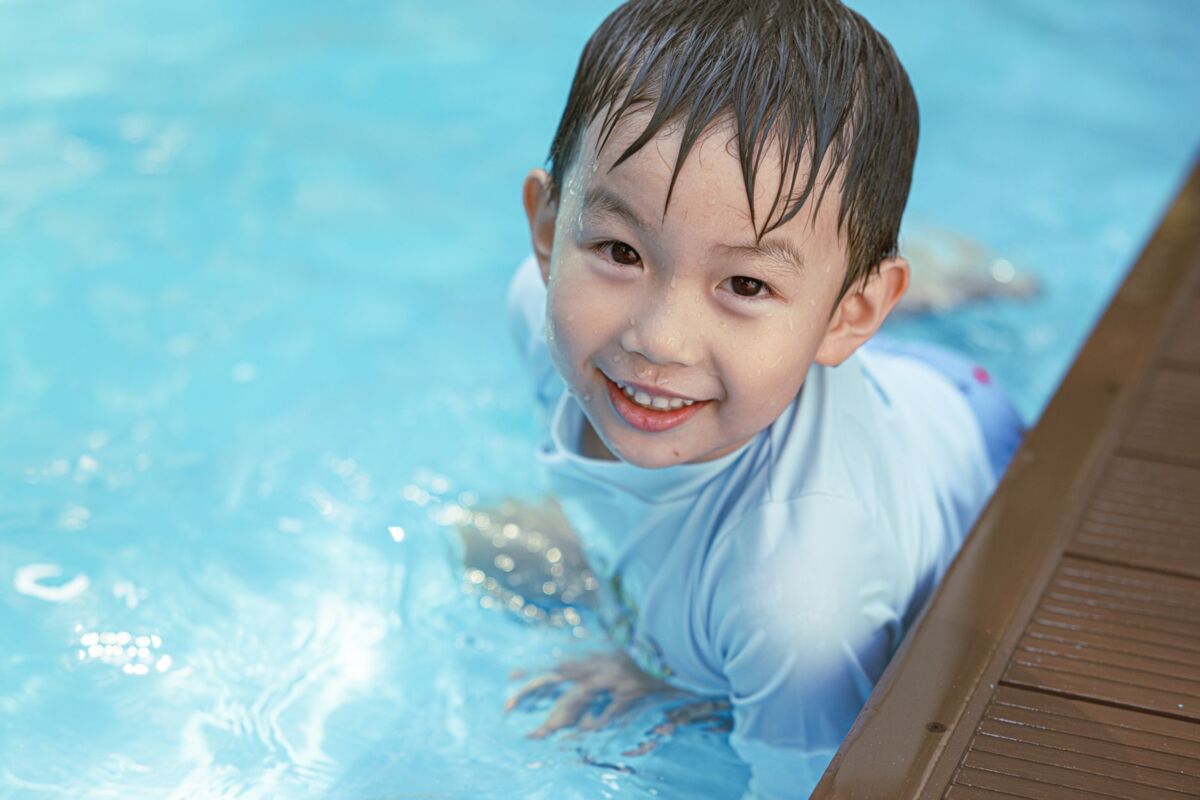
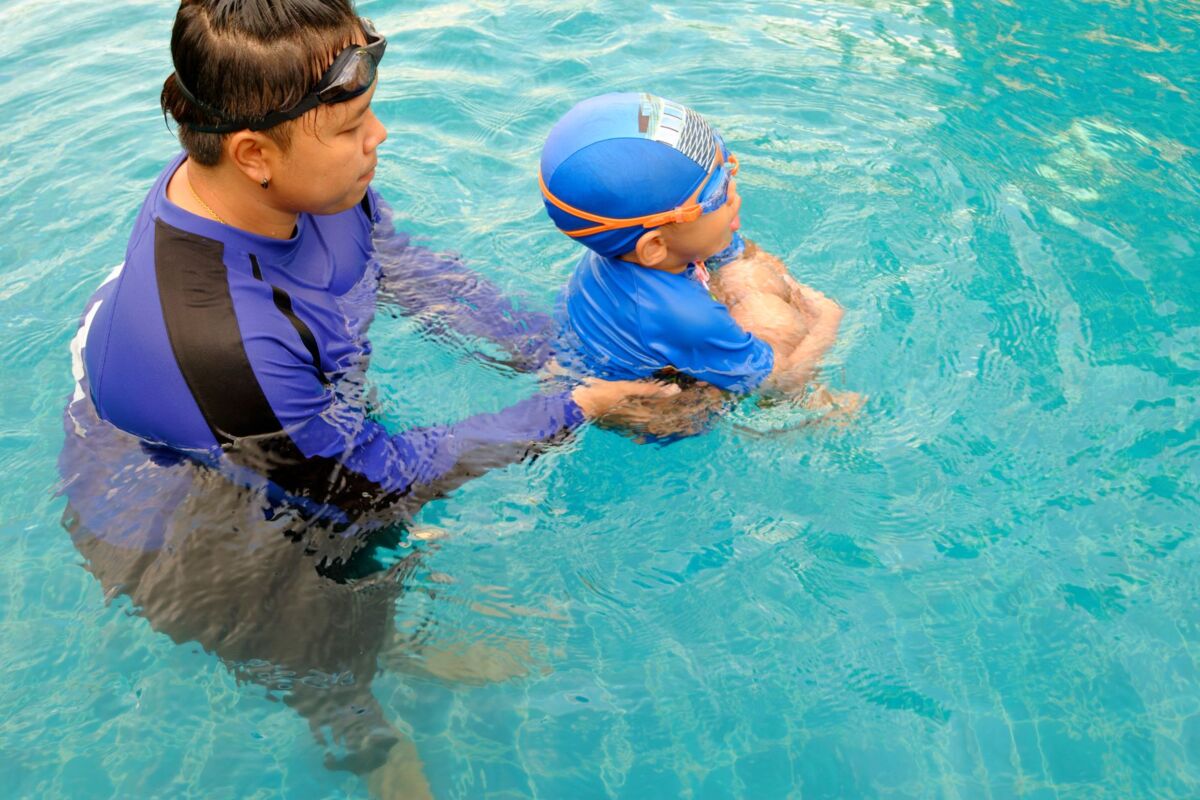
Swimming belongs near the top of every Singapore family's list because it is a water-safety priority, not just a sport, on an island ringed by pools, beaches, reservoirs and condos. It is low-impact, builds full-body strength, and quieter children often like progressing at their own pace rather than racing teammates. Parent-and-baby water classes start very young, with structured stroke lessons coming once a child is comfortable and independent in the water. For more on programmes and stages, see our guide to kids swimming lessons in Singapore.
Football and team sports
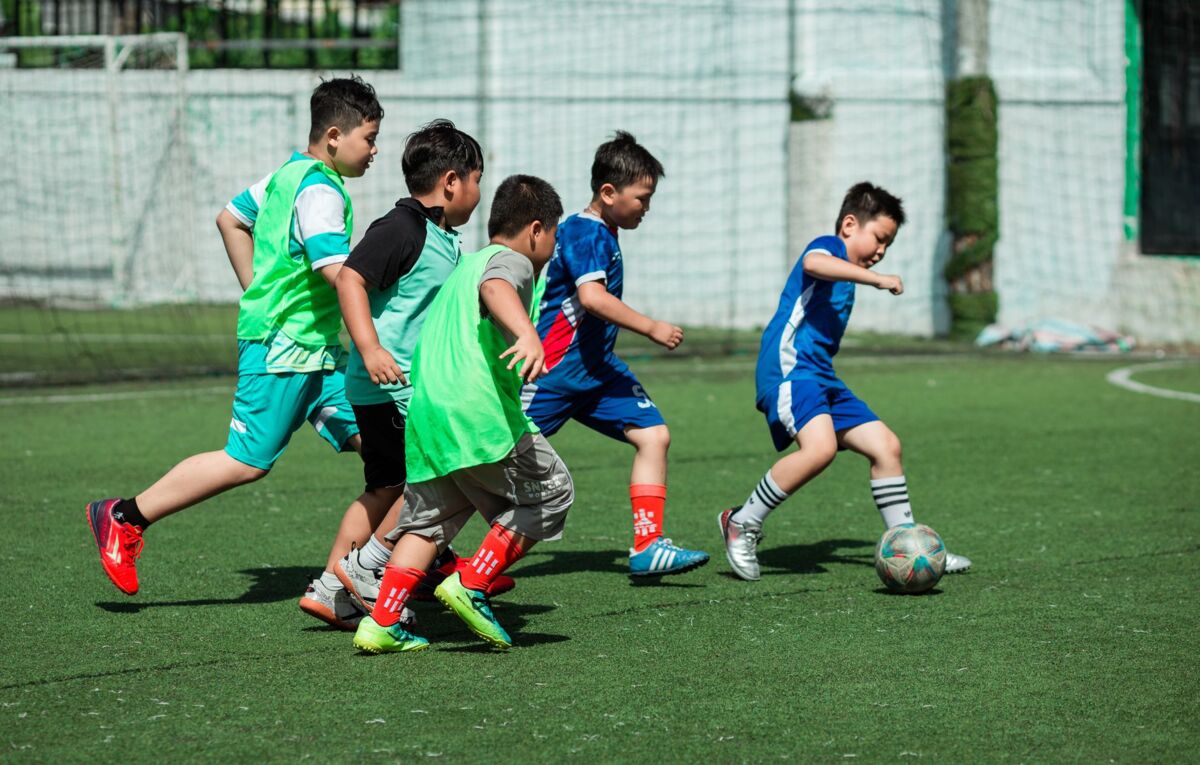
Football (soccer), basketball, floorball, rugby and T-ball suit children who light up around other kids. Team sports feed both physical energy and a social appetite, teaching turn-taking, communication and how to win and lose gracefully. Sessions for the youngest players lean on small-sided games and fun rather than tactical drills. Best from around age four or five up, depending on the provider.
Multi-sport programmes
For toddlers and preschoolers, multi-sport is often the smartest starting point of all. Rather than committing to one discipline, children rotate through the fundamentals of several sports in a fun, non-competitive setting that develops broad motor skills. It is a low-pressure way to discover what your child actually enjoys before you specialise, and it spares you paying a term up front for a sport they cool on by week three.
Gymnastics
Gymnastics is brilliant for balance, body awareness, flexibility and core strength, and suits children almost from the moment they can toddle. Toddler and preschool programmes, often called KinderGym or similar, focus on rolling, climbing, hanging and basic tumbling in a padded, playful setting rather than serious apparatus work. For more, see our guide to gymnastics classes for kids in Singapore.
Martial arts and taekwondo
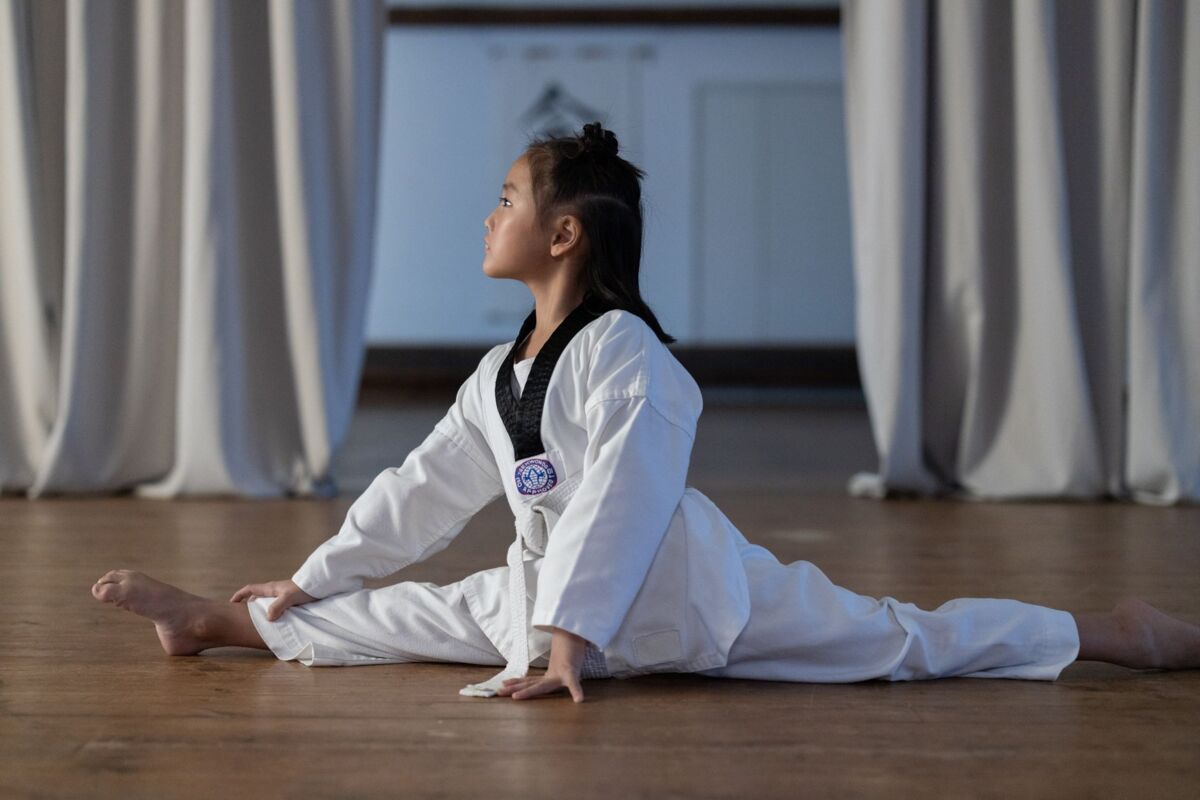
Taekwondo, karate, judo, wushu and kids' mixed martial arts build discipline, focus, balance and self-control alongside fitness. The belt or grading system gives many children a clear, motivating sense of progress, and the predictable structure suits kids who thrive on routine. Many academies take children from around four or five. A strong choice for a child who finds the chaos of team sport overwhelming.
Basketball, badminton and tennis
Basketball is fast, sociable and great for hand-eye coordination, agility and teamwork; beginner programmes with lowered hoops and softer balls can start in early primary, with the full game suiting older children. Racquet sports like badminton and tennis build coordination, footwork and quick decision-making, and badminton in particular is woven into Singapore life. Short-court or modified-equipment lessons let children start in early primary, with the full court coming as they grow. Both suit kids who enjoy a one-on-one or small-group challenge over a big team.
Athletics and dance
Do not overlook the basics. Athletics or running clubs channel a high-energy child's drive into sprints, jumps and throws, laying down movement skills that transfer to every other sport. Dance develops rhythm, flexibility, posture and confidence, and is a wonderful fit for children who love music and expression more than scoring goals. Both tend to welcome children from the preschool or early primary years.
ActiveSG: the affordable starting point
Before committing to a private academy, it is well worth looking at ActiveSG, Sport Singapore's national movement for active living, as an accessible, affordable on-ramp. Through its Academies and Clubs and other programmes, ActiveSG runs sessions across a wide range of sports, including swimming, football, tennis, athletics, basketball and gymnastics, at sport centres all over the island. There is a multi-sport offering aimed at primary-aged children that introduces several disciplines, alongside dedicated academies for individual sports.
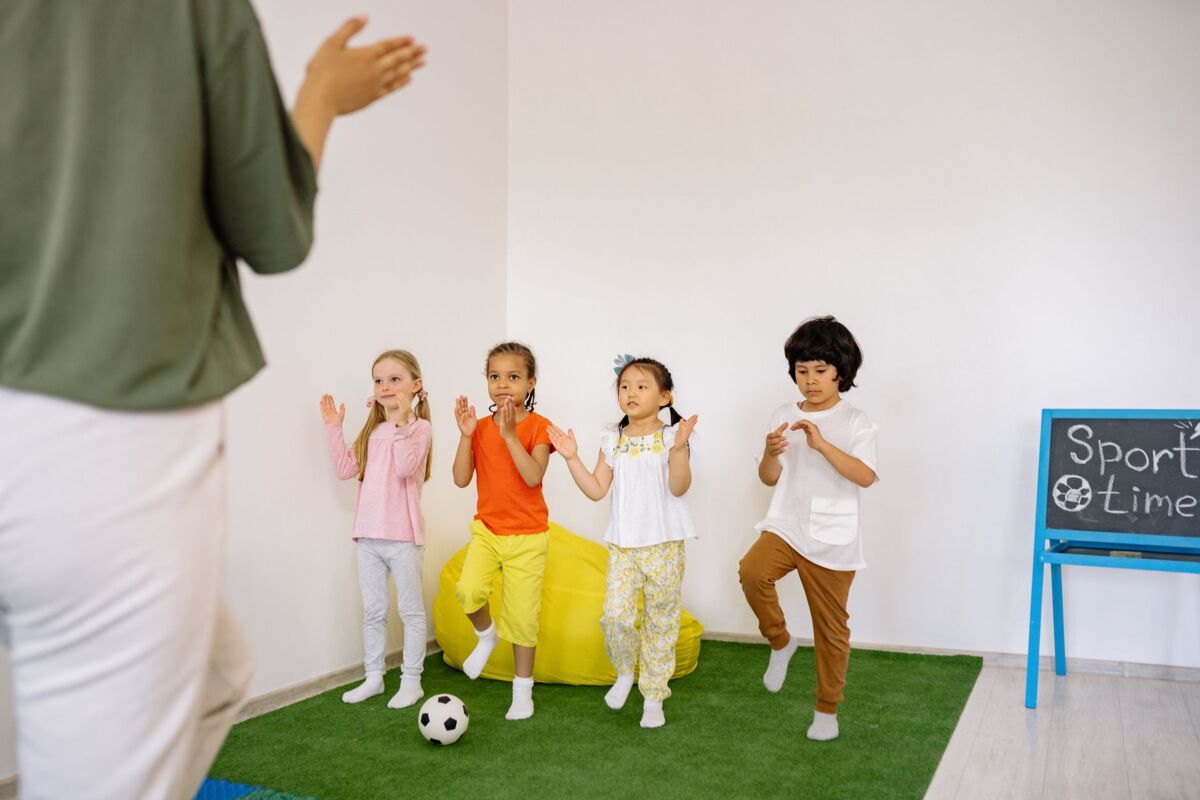
Fees are generally lower than private providers, ActiveSG credits can offset part of the cost, and families on a public financial assistance scheme may be able to tap the SportCares Bursary for eligible children and youth. You register and book through the MyActiveSG platform and can link a child's account to your own. Programmes fill quickly and age bands, schedules and fees change, so always confirm current details on the official site: ActiveSG Circle.
How to choose the right class
There is no single best sport, only the best fit for your particular child right now. Weigh up the following before you book anything.
- Interest and temperament: sociable, high-energy kids often thrive in team sports like football; reserved children may prefer the self-paced mastery of swimming, gymnastics or martial arts. Individual versus team is the single biggest fit question.
- Certified, experienced coaches: ask about qualifications, first-aid training and time spent with young children. A great coach with the youngest group beats a famous brand name.
- Small group ratios: the lower the coach-to-child ratio, the more attention, safety and progress your child gets, which matters hugely for toddlers and nervous beginners.
- A trial class: never commit a full term on a brochure alone; one trial tells you more than any website (more below).
- Location and schedule: the most magical class is useless across the island at an impossible hour. Pick something near home or school, at a workable time, ideally MRT-reachable or with easy parking.
- Avoid over-scheduling: one or two activities a week is plenty for most young children. A crammed diary burns out the child and the parent driving them.
- Budget: set a number before browsing, and remember ActiveSG is a low-cost way to test the waters before paying private-academy prices.
If you are weighing sport against other after-school options, it can help to see the full landscape first. Our overview of enrichment classes in Singapore sets sport alongside academic and creative programmes so you can balance the week sensibly rather than stacking everything onto Saturday.
What to wear and bring
Singapore's heat and humidity make kit and hydration genuinely important. Most classes need very little, but a little preparation prevents a miserable first session.
- Light, breathable activewear and the right footwear (cleats for football; gymnastics and martial arts are usually barefoot).
- A labelled, ideally insulated water bottle plus a refill, since dehydration creeps up fast in our climate.
- A small towel and a change of clothes, especially for swimming or any outdoor session.
- Swim gear where needed: swimsuit, goggles, cap if required, and a rash guard for sun protection.
- Sun protection for outdoor sport: hat, sunscreen applied before you arrive, and a shaded spot for waiting parents.
- Any required uniform (martial arts gi, club kit), though most providers let beginners attend in normal activewear at first.
Staying safe: heat, hydration and injuries
Outdoor sport in Singapore carries real heat-stress risk, especially around midday and early afternoon. Reputable providers schedule outdoor sessions for cooler hours, build in shade and water breaks, and watch children for signs of overheating. Send your child hydrated, keep the water flowing, and learn the warning signs of heat exhaustion: flushed skin, dizziness, headache, nausea or a child who suddenly goes quiet and floppy. On hazy days, check the air-quality reading and expect outdoor classes to move indoors or be cancelled.
For injury safety, look for soft, well-maintained surfaces and mats, age-appropriate equipment, a clear warm-up, and a coach who never pushes a child past comfort. A good academy has a visible first-aid kit and a plan for incidents. For younger children especially, the rule is fun and fundamentals over intensity; serious strength or endurance training is for much older kids under proper supervision. Keep a rainy-day backup in mind, since outdoor sessions are regularly washed out and the best classes will tell you their wet-weather policy up front.
What does it cost and how much commitment?
Costs vary widely by sport, provider and location, so treat any figure as a guide and confirm current fees directly. As a rough map: national programmes through ActiveSG are typically the most affordable entry point, while private academies, boutique gyms and one-to-one coaching sit higher, with swimming and racquet sports at the pricier end once lessons become small-group or individual. Many providers bill per term rather than per class, sometimes with a registration fee, uniform or equipment on top, so ask for the all-in cost. On commitment, one structured class a week, topped up with free play and active weekends, is plenty for most young children; consistency and enjoyment beat a packed schedule every time. Watch for term-length lock-ins and check the cancellation and make-up-class policy before paying, because a young child's enthusiasm can change with the season.
Make the most of trial classes
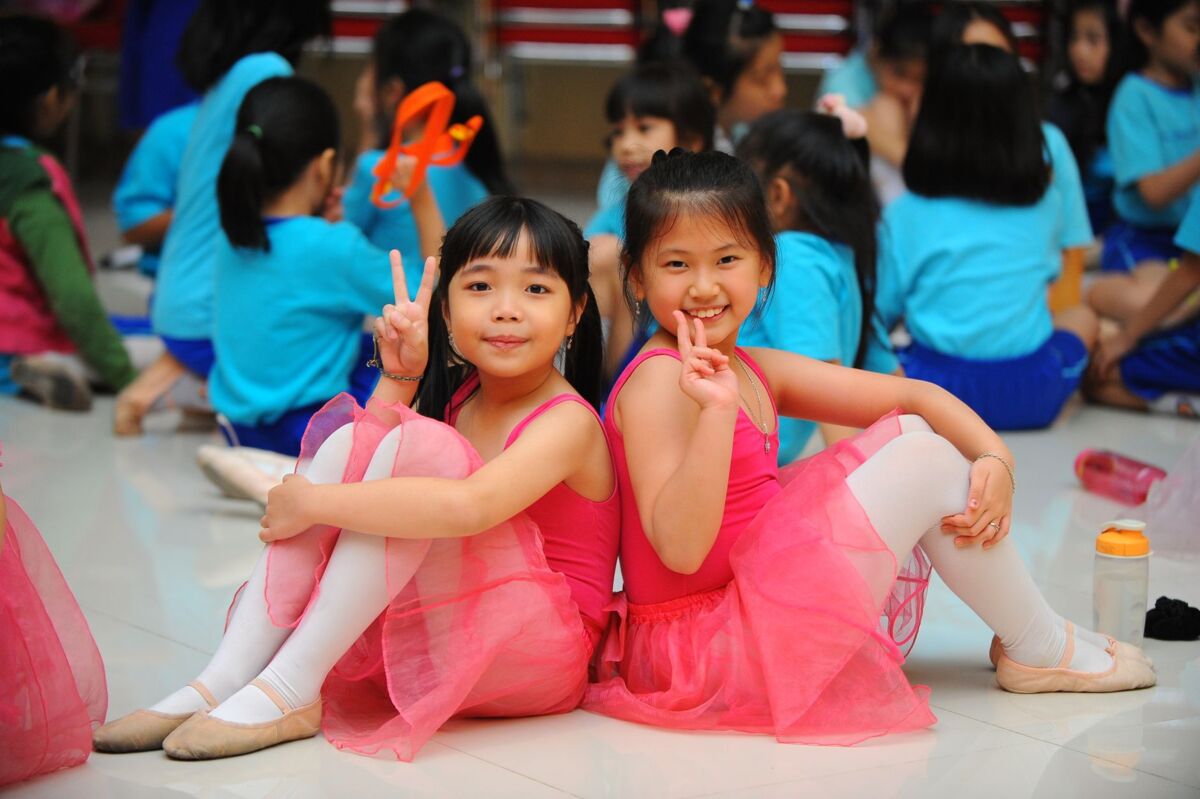
Trial classes are your single best tool, especially as a first-timer. Many providers offer a free or low-cost introductory session, and that one hour tells you far more than any glossy brochure. Watch how the coaches handle the youngest or most nervous children, whether the group size lets your child get real attention, and crucially, whether your child is smiling by the end. Try a couple of different sports before committing to a full term, particularly for under-sixes who benefit from sampling widely. It is completely normal, and even healthy, for a child to love football one term and beg for gymnastics the next.
Frequently asked questions
What age can my child start sports classes?
Some parent-accompanied multi-sport and swim classes start from around 18 months to 2 years. Independent classes, where you drop off, typically begin from about 3 to 4, depending on the provider and sport. Gymnastics and swimming tend to welcome the youngest children, while team sports and racquet sports usually start a little later. Always check the minimum age with the provider, as it varies.
Which sport is best for a shy or reserved child?
Self-paced, individual activities often suit quieter children better than the noise and pace of a big team. Swimming, gymnastics and martial arts let a child progress on their own terms and build confidence without the pressure of constant competition. A small-group setting with a patient coach makes a big difference too.
How many classes a week is enough?
For most young children, one structured class a week, plus everyday active play, is plenty. The aim is steady consistency and genuine enjoyment, not a diary so full that everyone burns out. If your child is keen and coping well, a second, different activity can add variety without over-specialising.
Should we specialise early in one sport?
Generally no, not in the early years. Toddlers and preschoolers benefit most from varied, play-based movement, and early primary children from sampling several sports. Broad fundamental skills make any future sport easier, while narrow early specialisation raises the risk of burnout and overuse injuries. Let real interest, not parental ambition, drive any move toward a single sport.
Is ActiveSG or a private academy better?
Neither is universally better. ActiveSG is excellent value and widely accessible, while private academies may offer smaller groups, niche disciplines or more flexible timings. Many families use both, often starting with ActiveSG to test interest, then moving to a specialist if a child falls in love with a sport. Compare on cost, location, group size and your child's response in a trial.
What if my child wants to quit after a few weeks?
It happens often and is rarely a crisis. Check whether it is the sport, the coach, the timing or simply tiredness. A short break, a switch to a different activity, or finishing the current block before changing are all reasonable. The long game is keeping your child moving and happy, not forcing them to stick with something they have outgrown.
Once you have picked an activity, build the rest of the week around it rather than letting it crowd everything out. Pair an active class with our wider enrichment ideas for a balanced schedule, browse the full Fussy Mama blog for more family guides, and remember to verify all hours, fees, age bands and wet-weather policies directly with each provider before you book, since these change from term to term.
How to Choose the Best Preschool in Singapore: A Parent's Guide
How to choose the best preschool in Singapore for your child: centre types, curriculum, fee ranges, ECDA subsidies, wait...
11 min read
Childcare Centres in Singapore: A Parent's Guide to Infant Care, Subsidies and Choosing the Right One
How childcare centres in Singapore work: infant care vs full-day childcare, ECDA operators, subsidies, waitlists, fees a...
10 min read
Children's Libraries in Singapore: A Parent's Guide to NLB
A parent's guide to NLB children's libraries in Singapore: kids' sections, story times, free membership, the NLB app, Li...
11 min read