

Pregnancy Sleeping Positions: How to Sleep Safely and Comfortably
In this article
- Does sleeping position really matter in pregnancy?
- Why going to sleep on your back is best avoided later on
- What to do if you wake up on your back
- Trimester by trimester: what changes and when to adjust
- Building a comfortable pillow and support setup
- Easing back pain, reflux and hip pain
- Managing insomnia, restless legs and toilet trips
- When to talk to your doctor
- Frequently Asked Questions
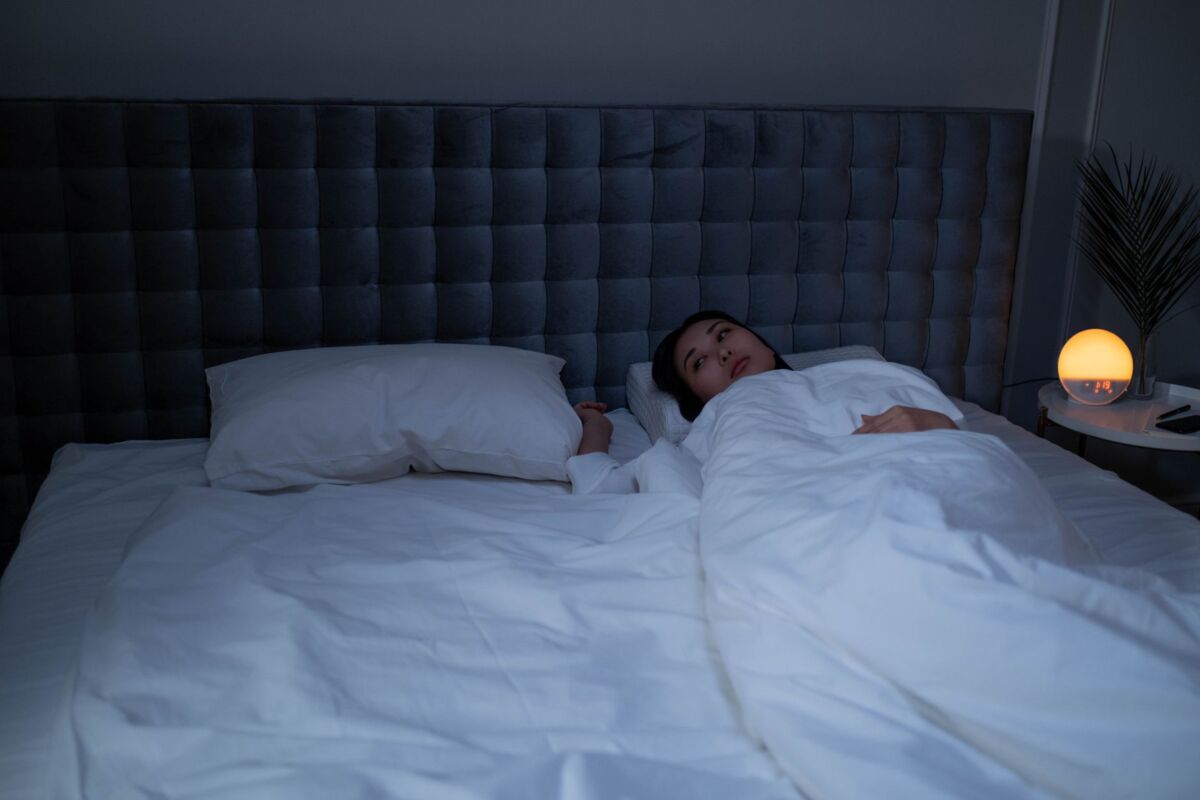
Somewhere around the middle of pregnancy, the sleep advice you have followed your whole life quietly stops working. You cannot flop onto your stomach, your back starts to feel wrong, and a growing bump turns every roll-over into a small production. If you are lying awake at 3am wondering whether it absolutely has to be the left side, or panicking because you woke up flat on your back, this guide is for you. It is written for healthy, low-risk pregnancies and pulls together what trusted sources like Singapore's HealthHub, the UK's NHS and the pregnancy charity Tommy's actually say, kept calm and honest, with the practical pillow tricks that help on a warm Singapore night.

Does sleeping position really matter in pregnancy?
Here is the reassuring part first: in early pregnancy, position barely matters. Your bump is small, your uterus is still tucked low in the pelvis, and there is no safety reason to police how you lie. Sleep however you are comfortable. The bigger sleep-wreckers in the first trimester are nausea, tender breasts and needing to pee at all hours, not which way you are facing.
What changes things is the third trimester, roughly from 28 weeks onward. By then the uterus is heavy enough that the position you fall asleep in genuinely counts. The single clearest piece of safety guidance, backed by Tommy's, the NHS and large research studies, is this: from around 28 weeks, go to sleep on your side - either side - rather than on your back. That applies to night-time sleep and to daytime naps. It is the one habit worth building before the third trimester arrives.
Why going to sleep on your back is best avoided later on
The reasoning is mechanical, not mysterious. As your uterus grows heavier, lying flat on your back lets its full weight press down on the inferior vena cava, the large vein that runs slightly to the right of your spine and carries blood from your lower body back up to your heart. Compress that vein and less blood returns to the heart, which can lower your blood pressure and leave you feeling dizzy or breathless, while also reducing blood flow towards the placenta. Turning onto your side lifts the bump off the vein and lets circulation flow freely again.
Research has linked going to sleep on your back in the third trimester with a higher risk of stillbirth, which is why the advice has firmed up in recent years. It is important to read that calmly: stillbirth is rare, the studies looked at the position you settle into for the whole night rather than a passing moment, and the simple act of starting your sleep on your side removes the concern. This is not a reason to lie awake afraid; it is a reason to make side-sleeping your default and let yourself rest.
So why is the left side singled out so often? Because the vena cava sits to the right of the spine, lying on your left tends to take pressure off it most effectively, and many clinicians say it may also help blood flow to the uterus, placenta and kidneys. That is the textbook ideal. The important nuance is that the right side is also a safe, valid option. The headline message is simply side, not back. Favour your left when you can, settle for either side when you cannot, and prioritise actually getting some sleep.
What to do if you wake up on your back
This is the worry that sends so many pregnant women into a 3am spiral, so let us be plain and calm about it. The guidance is about the position you fall asleep in, because that is where you spend the most uninterrupted hours. Briefly waking up on your back is not cause for alarm. You cannot control how you move while you are asleep, and a large bump is usually uncomfortable enough that you will not stay flat for long anyway.
The practical advice is reassuringly simple: if you wake and notice you are on your back, just settle yourself back onto your side and go back to sleep. Your body also has a built-in safeguard. If lying on your back is genuinely compressing that big vein, you tend to feel dizzy, breathless or nauseated, which nudges you to move. That sensation is your cue to roll over. A pillow wedged behind your back, covered below, makes it far less likely you will end up flat in the first place.

When to mention it: if you are frequently waking on your back in the third trimester, or you regularly feel dizzy, short of breath or unwell when lying flat, raise it at your next antenatal visit. And as always, your own care team's instructions for your specific pregnancy come first.
Trimester by trimester: what changes and when to adjust
There is no single switch-over date that applies to everyone, but the rough arc looks like this. If you want a fuller picture of how your body changes alongside your sleep, our guide to pregnancy week by week in Singapore walks through each stage.
- First trimester (weeks 1 to 12): Position is not a safety issue, so sleep however feels good. If you are a stomach-sleeper, enjoy it while it lasts and start getting used to a side-lying setup so the habit is in place before it becomes necessary.
- Second trimester (weeks 13 to 27): A sensible window to ease into sleeping on your side, since the uterus is growing and many women find this the most comfortable trimester for sleep. Build the side-lying-plus-pillows routine now while it is easy.
- Third trimester (weeks 28 onward): Going to sleep on your side, for both night sleep and naps, is the clear recommendation. Comfort gets harder as the bump, reflux, hip pressure and frequent toilet trips all peak, and insomnia is at its worst, so the support setup below earns its keep.
Stomach-sleeping phases itself out naturally as the bump grows. In early pregnancy it is not dangerous, just increasingly awkward, and most mums simply migrate to their side. If you genuinely miss it, some find a doughnut-style or cut-out pregnancy pillow lets them lie face-down a little longer, but there is no need to force it.
Building a comfortable pillow and support setup
Comfortable side-sleeping is really about propping your body so nothing twists or pulls. You do not need to buy anything fancy; ordinary bed pillows can do most of the work. A typical setup looks like this:
- One pillow between your knees and thighs: the single most useful change. It keeps your hips and pelvis level instead of letting the top leg drag your spine into a twist, easing both hip and lower-back strain.
- A pillow tucked behind your back: it stops you rolling fully flat and gives a comfortable lean-back angle, so you are side-ish rather than rigidly on one shoulder all night. This is also your insurance against waking up on your back.
- A pillow to hug in front: supports the top arm and shoulder and can cradle the bump.
- A small pillow or rolled towel under the bump: in later pregnancy this takes the pulling sensation off your abdomen and lower back.
- A full-length or C/U-shaped pregnancy pillow: bundles several of the above into one piece. Genuinely helpful, but optional; plenty of mums do fine with two or three regular pillows. Choose based on your own comfort rather than reviews, and try before committing if you can.
Easing back pain, reflux and hip pain
The same side-lying position can be tweaked for whichever discomfort is keeping you up. Aches and reflux are some of the most common complaints, and our overview of common pregnancy discomforts by trimester covers the wider picture if several are stacking up at once.

- Lower back pain: side-lying with a firm pillow between bent knees and a small support under the bump keeps the spine neutral. Avoid curling into a tight ball or sleeping fully flat.
- Heartburn and reflux: very common in later pregnancy. Lying flat lets stomach acid travel up more easily, so raise your upper body by propping your head and shoulders with extra pillows or slightly elevating the head of the bed. It also helps to avoid large, spicy, fatty or sugary meals in the couple of hours before bed.
- Hip pain: usually the under-side hip aching from pressure. A thicker knee pillow to keep the hips stacked, a softer mattress topper, and switching sides through the night all spread the load. A warm (not hot) shower before bed can loosen tight muscles. Staying gently active in the day helps too; see our notes on safe exercise during pregnancy in Singapore.
Managing insomnia, restless legs and toilet trips
Even with the perfect position, pregnancy sleep gets broken by racing thoughts, a busy bladder, congestion and a baby who kicks the moment you lie still. Solid sleep hygiene stacks the odds in your favour:
- Keep a calm wind-down: dim the lights, put screens away in the last half hour, and do something quiet and repetitive such as a warm shower or light reading to signal that it is time to settle.
- Protect the bedroom: cool, dark and quiet works best, which matters even more in Singapore's heat and humidity. A fan or aircon and blackout curtains earn their place. Keep the bed for sleep rather than scrolling.
- If you cannot drop off, get up: rather than lying there frustrated, leave the bed, do something low-key in dim light, and return when you feel sleepy. Watching the clock only winds you up.
- Time fluids and meals: stay well hydrated through the day but taper off in the hour or two before bed to cut down toilet trips, and skip heavy late meals that fuel reflux.
- Nasal congestion: a stuffy nose is common in pregnancy. Slightly elevating your head, keeping the air from getting too dry, and saline drops or sprays can ease it; ask your doctor or pharmacist before using any medicated decongestant.
- Restless legs and cramps: that crawling urge to move your legs, or a sudden calf cramp, are both common. Gentle stretching, staying hydrated and a warm bath can help. Because restless legs is sometimes linked to low iron, mention it at your antenatal check so it can be looked into.
None of this is about achieving a flawless night. It is about nudging the odds so the rest you do get is deeper and less interrupted.
When to talk to your doctor
Sleep trouble is part of the journey for most mums, and it eases at different stages. But some things are worth raising rather than riding out. Speak to your obstetrician, midwife or polyclinic if you have:
- Any reduction in your baby's movements - this always warrants a same-day call, not a wait-and-see.
- Ongoing breathlessness, chest discomfort, or severe or persistent headaches.
- Frequent waking flat on your back in the third trimester, or feeling dizzy or unwell whenever you lie down.
- Severe or persistent reflux, or restless legs you suspect may be linked to low iron.
- Loud snoring with gasping or pauses in breathing, which can signal sleep apnoea.
- Exhaustion that lingers day after day despite a sensible routine.
Frequently Asked Questions
Is it dangerous to sleep on my back during pregnancy?

In early pregnancy, no. From around 28 weeks the advice is to go to sleep on your side rather than your back, because going to sleep on your back in the third trimester has been linked to a higher risk of stillbirth. This is about the position you settle into for the whole night, not a brief moment. If you wake on your back, simply roll onto your side. If you feel dizzy or breathless lying flat, that is your cue to move, and worth mentioning to your doctor.
Does it have to be the left side specifically?
No. Either side keeps pressure off the main vein behind your uterus, which is what matters. The left side is often suggested because it may help circulation a little more, but the right side is a perfectly safe alternative. Sleep on whichever side is comfortable and switch through the night as you like - side, not back, is the key message.
What if I wake up lying on my back?
Do not panic. You cannot control how you move while asleep, and waking on your back briefly is not a cause for alarm. Just settle back onto your side and go back to sleep. A pillow wedged behind your back makes this far less likely to happen in the first place.
Can I sleep on my stomach while pregnant?
It is not harmful in early pregnancy, just increasingly impractical as your bump grows. Most mums naturally switch to their side once lying face-down becomes uncomfortable. There is no need to force the change before your body asks for it.
Do I really need a pregnancy pillow?
Not necessarily. A pregnancy pillow can make holding a side position easier and many mums find it worth the money, but two or three ordinary bed pillows arranged between the knees, behind the back and under the bump do much the same job. Buy one only if regular pillows are not keeping you comfortable.
When should I see a doctor about pregnancy sleep problems?
Contact your doctor, midwife or polyclinic for any reduction in baby movements, ongoing breathlessness or chest discomfort, severe or persistent headaches, loud snoring with breathing pauses, or sleep problems that leave you exhausted day after day. Severe reflux and possible restless legs linked to low iron are also worth raising at your antenatal visit.

Antenatal Classes in Singapore: A First-Time Parent's Guide
Antenatal classes in Singapore explained: what prenatal classes cover, KKH/NUH/Thomson options, when to start, costs, an...
10 min read
Writing a Birth Plan in Singapore: A Flexible Guide for Mums-to-Be
How to write a flexible birth plan in Singapore: pain relief, birth positions, skin-to-skin, vitamin K, C-section and po...
9 min read
Breast cancer in pregnancy in Singapore: a calm, careful guide
A gentle, factual guide to breast cancer in pregnancy in Singapore: how it is diagnosed and treated safely, and where to...
9 min read