

Pregnancy Week by Week: A Singapore Parent's Guide

In this article
- How pregnancy is dated and how the weeks add up
- Your antenatal schedule: how often you will see a doctor
- First trimester (weeks 1 to 12): a lot happens out of sight
- Second trimester (weeks 13 to 27): the comfortable middle
- Third trimester (weeks 28 to 40): the home stretch
- Eating well and the supplements that matter
- Preparing for the birth
- Red flags: when to call your doctor straight away
- Frequently asked questions
If you have just seen two lines on a test and typed "pregnancy week by week" into your phone at 2am, this guide is for you. It walks Singapore parents through what is happening to your baby and your body across all three trimesters, when the main scans and tests usually fall in our local system, and how to tell an ordinary niggle from a sign you should call your doctor. It is written as orientation, not a rulebook. Every pregnancy is different, and your obstetrician, polyclinic doctor or midwife knows your situation in a way no website can, so treat what follows as background that helps you ask better questions at your own appointments.

How pregnancy is dated and how the weeks add up
Here is the part that surprises most first-time parents. Your due date and your week count are measured from the first day of your last menstrual period (LMP), not from the day you conceived. Because ovulation usually happens about two weeks after your period starts, you are already counted as roughly four weeks pregnant by the time a home test turns positive. A full-term pregnancy runs to around 40 weeks from that LMP.
Pregnancy is split into three trimesters. The first runs from week 1 to the end of week 12, the second from week 13 to about week 27, and the third from around week 28 to delivery. The exact cut-offs vary slightly between sources, so do not worry if your clinic draws the line a week either way. If your periods are irregular or you are unsure of your dates, your first ultrasound will usually become the official reference instead of your LMP.
Your antenatal schedule: how often you will see a doctor
For a healthy, low-risk pregnancy in Singapore you can expect somewhere around eight to ten antenatal visits in total. The usual pattern is roughly monthly visits until about 28 weeks, then every two weeks until about 36 weeks, then weekly until your baby arrives. This is a typical schedule, not a fixed law. If you have a higher-risk pregnancy, are expecting twins, or develop a condition such as gestational diabetes or high blood pressure, your team will see you more often. Always follow the interval your own doctor sets and attend every appointment, because many problems are picked up at routine checks before you would ever notice them yourself.
At most visits the routine is reassuringly simple: your blood pressure, weight and a urine sample to screen for protein and sugar, plus listening to or measuring your baby. From the second trimester onward your doctor or nurse will also measure your bump and check your baby's growth against the expected trend.
First trimester (weeks 1 to 12): a lot happens out of sight
The first trimester is the most eventful stretch even though there is little to show on the outside. Once a home test is positive, book in with a doctor as early as you can so the pregnancy can be confirmed, located and dated. Early confirmation matters because it sets up the timing of every screening test that follows.
What is happening with your baby
This is when the major organs and structures take shape, from the heart and brain to the limbs and spine. By the end of the trimester your baby has recognisable features and is moving, even though you cannot feel it yet. Development in these early weeks is general and rapid rather than something you can track to the millimetre, and individual babies vary, so try not to compare your bump or your symptoms against anyone else's.
What is happening with your body
The classic early signs are nausea (the so-called morning sickness that can strike at any hour), tender breasts, exhaustion that hits like a wall, a heightened sense of smell, and needing to wee more often. For many women the nausea begins around week six and eases off by the middle of the second trimester, though some sail through with barely a flutter and others feel it much longer. Small frequent meals, staying hydrated and keeping plain crackers by the bed all help, and our guide to common pregnancy discomforts by trimester has more practical relief. Ask your doctor before taking any medication or remedy beyond what has been prescribed.
Scans and tests to expect
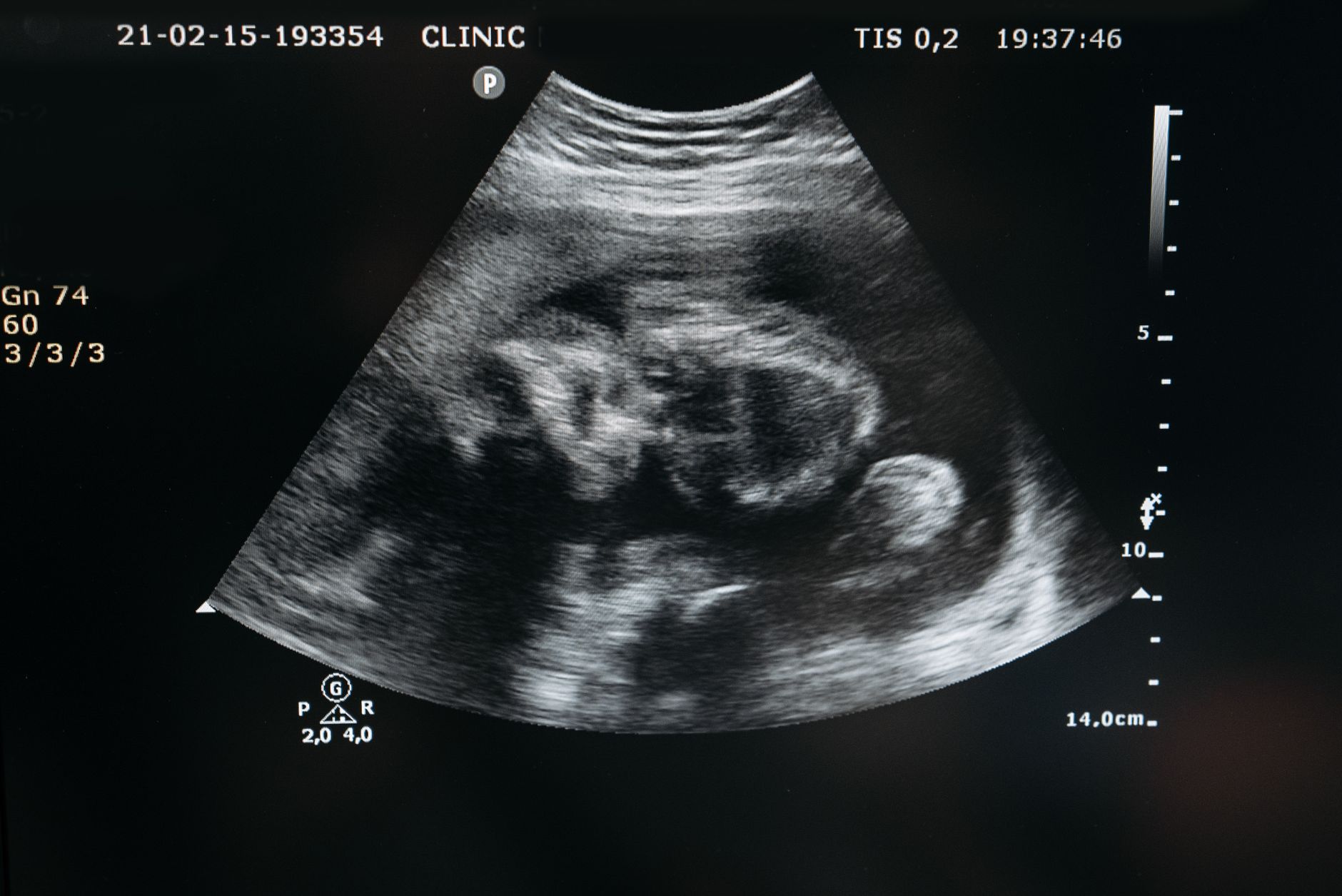
- Dating and viability ultrasound, typically around weeks 8 to 12, to confirm the pregnancy, check it is in the right place and find the heartbeat. KKH describes a dating scan around weeks 8 to 12 to set your due date.
- Routine antenatal blood tests, including a full blood count, your blood group and rhesus status, screening for conditions such as thalassaemia, plus checks of rubella immunity and infections like hepatitis B and HIV.
- Optional first-trimester screening for Down syndrome (a combined blood test and ultrasound) usually offered around weeks 11 to 14. A non-invasive prenatal test (NIPT), which analyses fragments of the baby's DNA in your blood, is another option your doctor may discuss.
- A conversation about folic acid and prenatal vitamins, ideally started before conception and continued in early pregnancy.
Second trimester (weeks 13 to 27): the comfortable middle
Many parents call this the golden stretch. Early nausea usually settles, energy returns, and the pregnancy starts to feel real and visible. It is the natural window to sort out the bigger decisions, so this is a good time to think about safe exercise during pregnancy and start a loose plan for the months ahead.
What is happening with your baby
Your baby grows quickly through these weeks. Fine downy hair appears, the senses develop, and by the later part of the trimester your baby can hear muffled sounds and is practising swallowing and breathing movements. Somewhere around weeks 18 to 22 many parents feel the first flutters of movement, often called quickening, though first-time mums frequently notice it later than mums who have been pregnant before. Sizes and milestones described online are averages only, so a healthy baby can be ahead or behind any chart.
What is happening with your body
As the bump grows you may notice backache, sharp round-ligament twinges as the womb stretches, heartburn, constipation, leg cramps and changes to your skin such as a darker line down the middle of your tummy. These are common and usually harmless, but your doctor can advise what relief is safe for you, since not every over-the-counter remedy is suitable in pregnancy.
Scans and tests to expect
- The detailed fetal anomaly scan, usually around weeks 18 to 21 and best done close to 20 weeks, which checks your baby's anatomy from head to toe and the position of the placenta. Your baby's sex can often (but not always) be seen at this scan.
- Screening for gestational diabetes and anaemia around weeks 24 to 28. KKH offers a routine oral glucose tolerance test, where you drink a sweet glucose drink and have blood taken to see how your body handles sugar.
- Routine checks of your blood pressure, weight and urine at every visit, plus measuring your bump to track growth.
Third trimester (weeks 28 to 40): the home stretch
In the final trimester your baby focuses on putting on weight and getting into position, while your visits become more frequent so your team can keep a close eye on both of you. This is when the practical preparation kicks into gear, from packing a bag to deciding where you will deliver.
What is happening with your baby
Your baby steadily lays down fat, which smooths out the skin and helps with temperature control after birth. The lungs continue to mature right up to the end, and most babies settle head-down in the weeks before delivery, ready for the journey out. If your baby is breech (bottom or feet first) closer to your due date, your doctor will talk you through the options.
What is happening with your body
Expect more pressure, breathlessness as your baby presses upward, swollen feet and ankles, broken sleep and frequent trips to the toilet. Many women also feel Braxton Hicks, the irregular tightening that is your womb practising rather than true labour. Getting comfortable in bed gets harder too as the bump grows. It is normal to feel both excited and tired in these final weeks.
Scans and tests to expect
- A growth scan, often around weeks 28 to 32, to check your baby's size, position and wellbeing.
- A swab for Group B Streptococcus (GBS), commonly around weeks 35 to 37, since carrying this common bacterium can mean you are offered antibiotics during labour to protect your baby.
- Closer monitoring of your blood pressure and any swelling, because the risk of pre-eclampsia continues, plus discussion of your baby's position and the signs of labour.
Eating well and the supplements that matter
You do not need to eat for two, but a few things genuinely matter. Folic acid, ideally started before pregnancy and continued through the early weeks, helps lower the risk of certain birth defects, and a prenatal vitamin usually covers folic acid, iron and other key nutrients. Aim for a balanced plate with enough protein, iron-rich foods, calcium and fibre, and keep up your fluids. Some foods are best avoided in pregnancy, from raw or undercooked items to high-mercury fish and unpasteurised products, all set out in our guide to foods to avoid during pregnancy in Singapore. Take supplement doses on your doctor's advice rather than self-prescribing.
Preparing for the birth
By the third trimester it pays to have the basics ready. Pack a hospital bag with documents, comfortable clothes and items for both you and your baby. Decide where you will deliver and how you will get there at any hour, including a backup plan for heavy rain or peak-hour traffic. Talk through your preferences for labour and pain relief with your doctor, and make sure you know the signs of labour and exactly when to head to hospital, which we cover in our guide to the signs of labour in Singapore. Having a plan does not mean it will all go to script, but it removes a lot of last-minute panic.
Red flags: when to call your doctor straight away
Most symptoms in pregnancy are normal, but a handful need urgent attention. Contact your doctor or go to a hospital obstetric or emergency service without delay if you notice any of the following:
- Vaginal bleeding, especially heavy bleeding, bleeding that soaks a pad, or bleeding with clots, pain or cramping.
- Severe or constant abdominal pain, which in early pregnancy can occasionally signal an ectopic pregnancy and needs prompt assessment.
- A severe or persistent headache, blurred vision or seeing spots, or sudden swelling of the face, hands or feet, which can point to pre-eclampsia.
- A high fever, or a gush or steady leak of fluid before your due date, which may mean your waters have broken early.
- A noticeable drop in or absence of your baby's movements in the later trimesters.
- Signs of preterm labour before 37 weeks, such as regular tightening or cramping, low backache or pelvic pressure that does not ease.
When you are unsure, call. Describing your symptoms to a midwife or doctor is exactly what these services are for. Related reading: our guides to how your pregnant belly grows, expecting twins and choosing a baby name in Singapore.

Frequently asked questions
When is the first pregnancy scan in Singapore?
The first ultrasound, known as a dating scan, is usually done around weeks 8 to 12 to confirm the pregnancy, check the heartbeat and work out your due date. The exact timing depends on when you book in and your clinic's protocol, so do not worry if yours is slightly earlier or later.
When can I find out my baby's sex?
It can often be seen during the detailed anomaly scan around weeks 18 to 21, though it is not always possible depending on how your baby is lying. Some blood-based screening tests can indicate sex earlier; ask your doctor what is offered and whether it suits your situation.
How many antenatal visits will I have?
For a healthy, low-risk pregnancy, roughly eight to ten visits is typical, becoming more frequent as you approach your due date. You will have more visits if your pregnancy is higher risk or if a condition develops.
Is light spotting in early pregnancy normal?
Light spotting can happen in early pregnancy and is not always a sign of a problem, but bleeding should never be ignored. Heavy bleeding, bleeding with clots, or bleeding with pain or cramping needs prompt medical attention. When you are unsure, contact your doctor or an early-pregnancy assessment service.
Do I really need to attend every appointment if I feel fine?
Yes. Feeling well is reassuring but does not rule everything out, and the most important checks (blood pressure, urine, growth and screening tests) catch issues long before you would feel any symptom. Keep every appointment.
Is this guide medical advice?
No. This is general information to help you understand the journey and ask good questions. Every pregnancy is different, so follow the advice of your own obstetrician, polyclinic doctor or midwife, attend all your antenatal care, and seek urgent care for any of the warning signs above.


Antenatal Classes in Singapore: A First-Time Parent's Guide
Antenatal classes in Singapore explained: what prenatal classes cover, KKH/NUH/Thomson options, when to start, costs, an...
10 min read
Writing a Birth Plan in Singapore: A Flexible Guide for Mums-to-Be
How to write a flexible birth plan in Singapore: pain relief, birth positions, skin-to-skin, vitamin K, C-section and po...
9 min read
Breast cancer in pregnancy in Singapore: a calm, careful guide
A gentle, factual guide to breast cancer in pregnancy in Singapore: how it is diagnosed and treated safely, and where to...
9 min read