

Safe Exercise During Pregnancy: A Singapore Mum's Guide
In this article
- Why staying active is worth the effort
- How much, and how hard? The talk test
- Activities that are generally safe
- Pelvic floor and core: gentle does it
- What to avoid, and why
- Beating the heat: exercising in Singapore's climate
- Warning signs to stop and seek help
- Adjusting through the trimesters
- Getting started safely
- Returning to exercise after birth
- Frequently asked questions
If you are pregnant in Singapore and quietly wondering whether you are still allowed to move your body, here is the reassuring news: for most women with a healthy, straightforward pregnancy, the answer from our health authorities is a clear yes. Staying active is not just permitted, it is encouraged. This guide is for the mum-to-be who wants to keep fit safely, whether you were a regular at the gym before the two lines appeared or you are starting almost from scratch. One rule sits above everything that follows: this is general information, not medical advice, so get your obstetrician's clearance before you begin, especially if your pregnancy is higher-risk.
Why staying active is worth the effort
Pregnancy is exhausting, and the idea of working out when you already feel wrung out can seem absurd. Yet gentle, regular movement tends to give energy back rather than drain it. HealthHub and ACOG both link moderate activity in pregnancy to better sleep, steadier energy, fewer of the aches that creep in as your posture shifts, a healthy rate of weight gain, and a lift in mood on the heavier, more tearful days.
There are deeper benefits too. Regular activity is associated with a lower risk of gestational diabetes, a condition KKH and SingHealth flag as common here, and the stamina you build now is the same stamina you will lean on during labour. If you already have gestational diabetes, gentle movement such as a short walk after meals is often suggested to help with blood sugar, though the specifics should come from your own care team. For more, see our guide to a gestational diabetes diet in Singapore.
How much, and how hard? The talk test
For a healthy, uncomplicated pregnancy, the target most local and international bodies agree on is around 150 minutes of moderate-intensity activity each week, with the Perinatal Society of Singapore framing the helpful range as 150 to 300 minutes weekly. That sounds like a lot until you break it down: roughly 30 minutes on most days, and HealthHub points out you can even split it into 10-minute bouts. A brisk walk to the MRT, a lunchtime stroll, and an evening swim quietly add up.
You do not need a heart-rate monitor to gauge intensity, and chasing specific numbers is not the point in pregnancy. The simplest tool is the talk test: if you can still hold a normal conversation while you move, you are likely at a safe, moderate level, and if you are too breathless to finish a sentence, ease off. Pregnancy is not the season for personal bests, so save the all-out efforts for after your baby arrives and you have been cleared. If you were very active before pregnancy and want to keep training harder, confirm the details with your doctor.
Activities that are generally safe
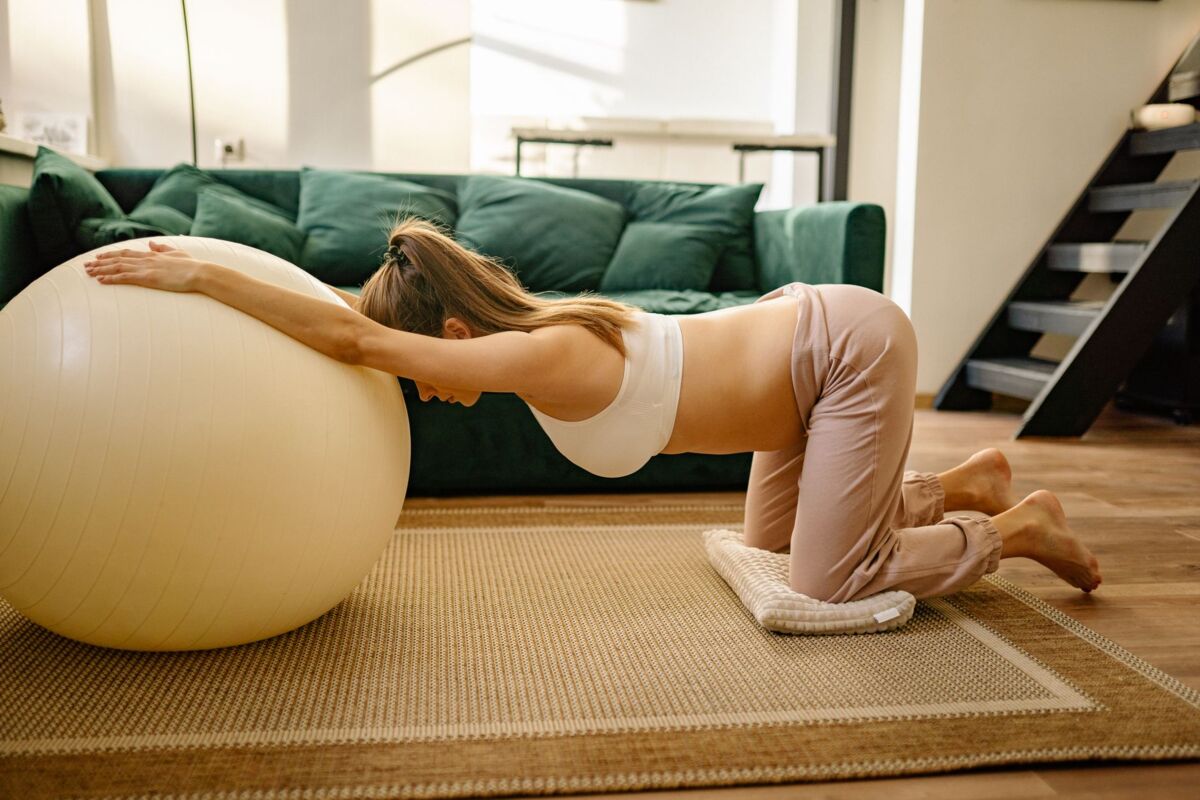
Safe exercise in pregnancy splits broadly into aerobic, or cardio, work and resistance, or strength, work. The good news for Singapore mums is that most of it needs no gym membership and no fancy gear. A pair of shoes, a public pool, a shaded park connector, or a small patch of living-room floor will do the job.
- Brisk walking. The easiest entry point, and it counts toward your weekly minutes. Tree-lined park connectors keep you out of direct sun, and NParks runs guided nature walks with rest points if you prefer company and a gentler pace.
- Swimming and aqua workouts. The water carries your weight, so it is kind on tired joints and a real relief for a heavier bump later on. Step in slowly rather than diving, and walk carefully on wet poolside tiles.
- Stationary cycling. An indoor bike gives you the cardio without the fall and traffic risks of cycling on the road or on trails.
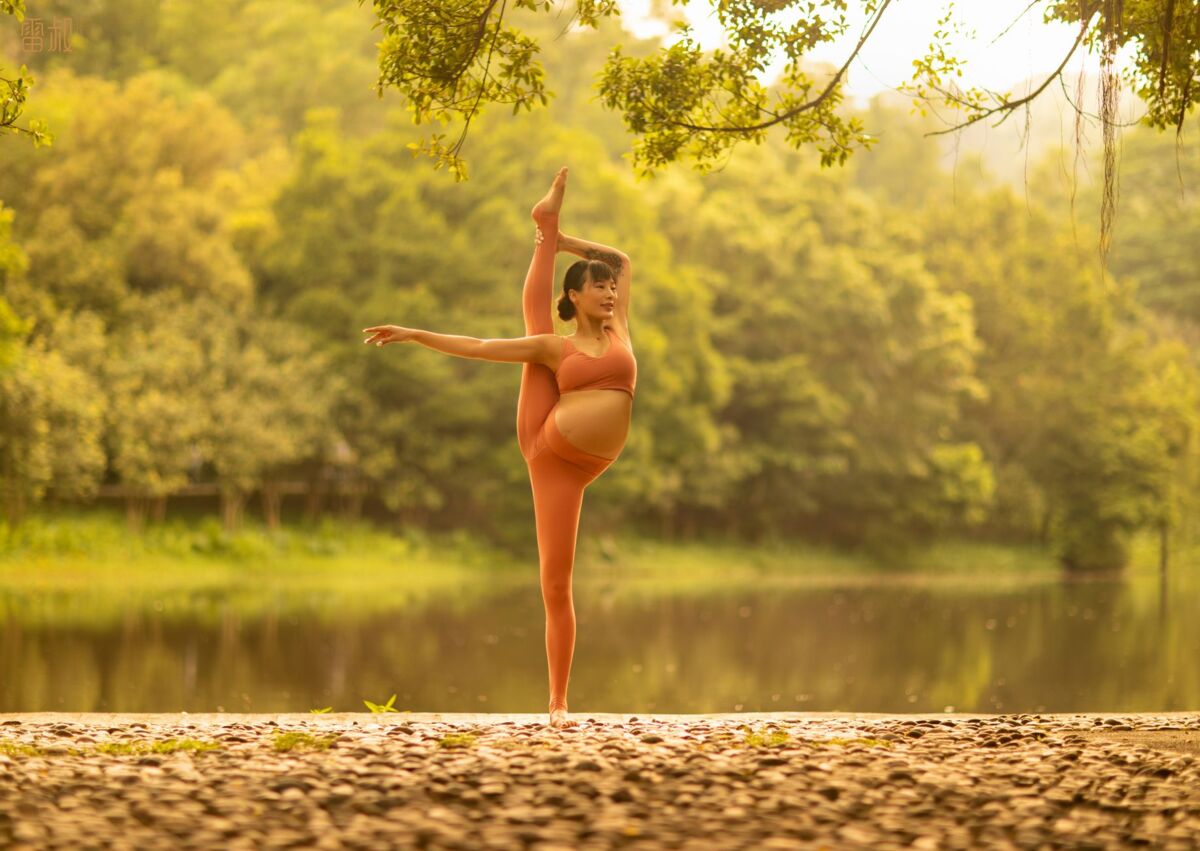
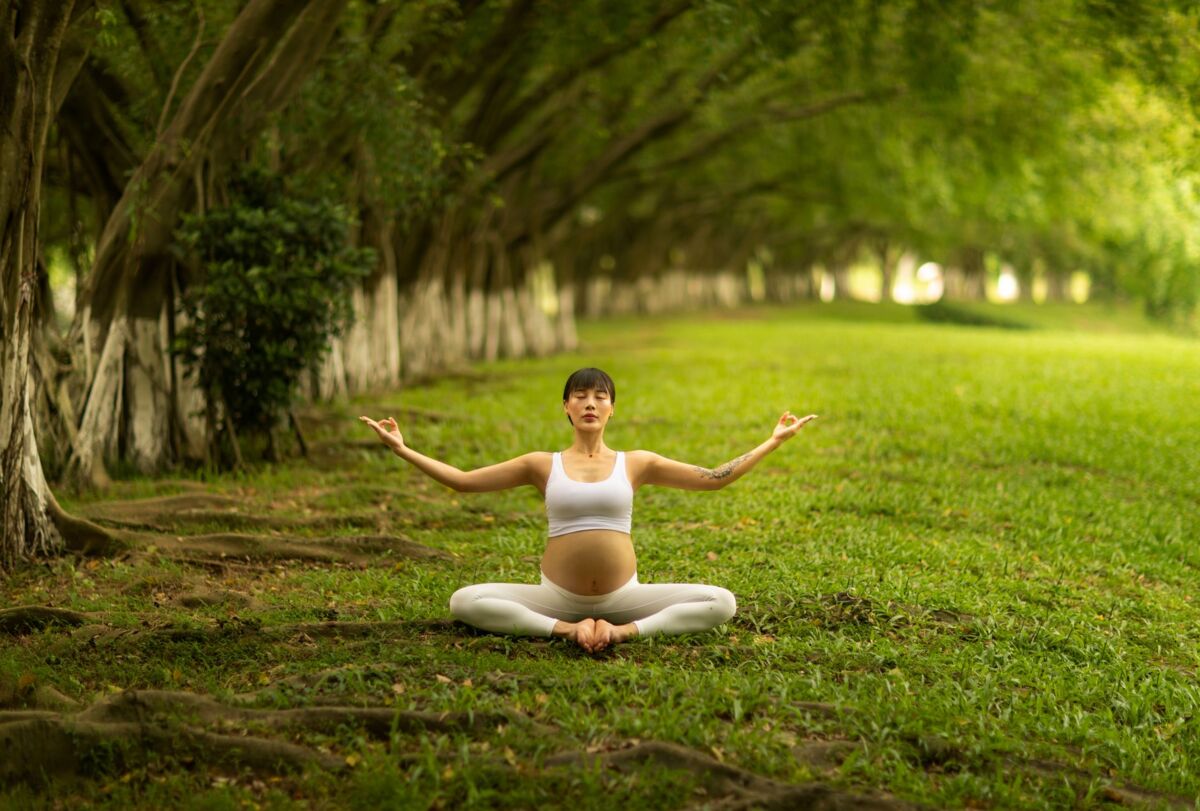
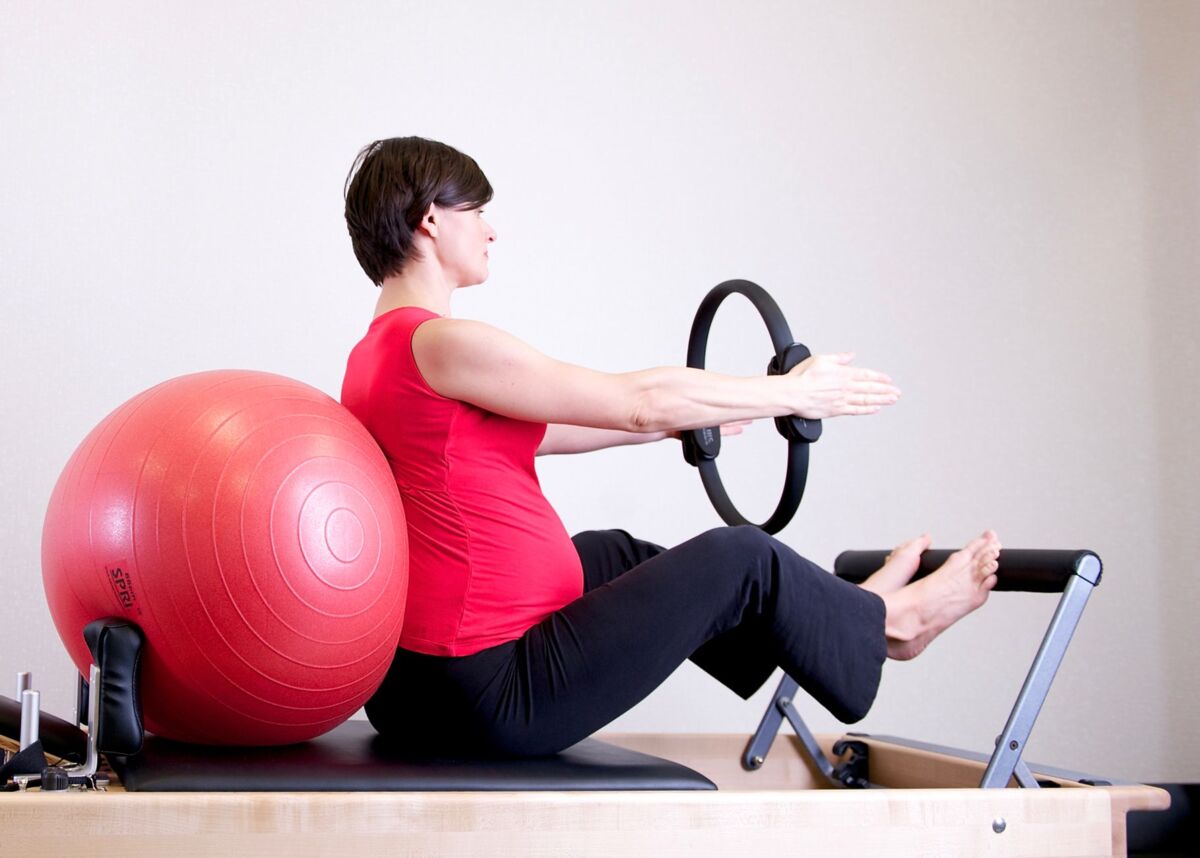
- Prenatal yoga and Pilates. Modified classes help with flexibility, breathing and the deep core support that takes the load off your back. Pick prenatal-specific sessions, tell the instructor you are pregnant, and avoid heated, or hot, yoga and Pilates because of the overheating risk.
- Light strength work. Body-weight moves such as squats, wall sits and gentle lunges, plus light dumbbells or resistance bands, help you hold on to muscle and good posture. Keep the weights light, favour higher reps with slow, controlled movements, and skip heavy lifting and breath-holding, the Valsalva manoeuvre.
Warm up and cool down every session, and finish with gentle stretching. Pregnancy hormones loosen the ligaments around your joints to prepare your body for birth, so you are more prone to overstretching; avoid jerky, bouncy or sudden high-impact movements that could strain a joint you cannot feel is loose.
Pelvic floor and core: gentle does it
Two areas deserve special attention, and they are the parts most general fitness advice skips. The first is your pelvic floor, the sling of muscles that supports your bladder, womb and bowel and that bears a growing load through these nine months. Gentle pelvic floor exercises, sometimes called Kegels, where you draw up and squeeze as if stopping the flow of urine and then fully relax, help support these muscles and aid recovery later. Build the habit now and you will thank yourself postpartum.
The second is your deep core. As the bump grows, the band of connective tissue down the middle of your tummy naturally stretches and the two halves of your abdominal muscles can separate, a normal change known as diastasis recti. Because of this, skip strong crunches, full sit-ups and intense ab work from around the second trimester, and lean instead on the gentle, breath-led core support taught in good prenatal Pilates. If you ever notice a doming or coning ridge down the centre of your tummy during a movement, stop and choose a gentler option.
What to avoid, and why
Some activities carry a level of risk that is not worth it while you are carrying your baby. Steer clear of the following.
- Contact and collision sports such as football, basketball, rugby or martial arts, where a knock to the abdomen is a real possibility.
- Activities with a high fall risk such as gymnastics, horse riding, skiing, surfing, and off-road or non-stationary cycling. A loss of balance comes easily with a shifting centre of gravity.
- Scuba diving, which is not safe at any stage because your baby is not protected from the decompression sickness diving can cause.
- Lying flat on your back for long periods from around the second trimester, because the growing womb can press on a major blood vessel and leave you light-headed. Choose side-lying or inclined alternatives, which most good prenatal classes build in.
- Overheating, from very strenuous effort or hot, humid surroundings. This matters enormously in Singapore, and it gets its own section below.
Beating the heat: exercising in Singapore's climate
Our weather is the single biggest practical challenge for keeping active while pregnant, and overheating in the first trimester is a particular concern. A few simple habits keep you safe.
- Time it well. Move in the cooler early morning or evening rather than the heat of the day, and check the weather app first.
- Go indoors or shaded. A pool, a gym treadmill, an indoor cycling studio or a covered HDB void deck make a reliable rainy-day and haze-day backup.
- Hydrate properly. Drink water before, during and after, and carry a bottle. You sweat more and dehydrate faster here than in the climate where most overseas guidance is written.
- Dress for it. Loose, breathable, light-coloured clothing and a supportive sports bra make a real difference.
- Listen for early warnings. If you feel overheated, dizzy, unusually breathless or unwell, stop, move into shade or air-conditioning, sip water and cool down.
Warning signs to stop and seek help
Stop exercising and contact your doctor, or go to a hospital, if you notice any of the following while active or shortly after. These are signals to get checked, not symptoms to push through.
- Vaginal bleeding, or any fluid leaking from the vagina
- Regular or painful contractions, or persistent abdominal pain
- Chest pain
- Severe shortness of breath, or breathlessness that comes on before you have even exerted yourself
- Dizziness or feeling faint
- A headache
- Calf pain or swelling, especially on one side
- Decreased or unusual baby movements after your session
Adjusting through the trimesters
Your body changes enormously across nine months, so your routine should flex with it rather than stay fixed. In the first trimester, nausea and bone-deep fatigue may be the main obstacle. Go gently, stay well hydrated, be especially careful about overheating, and do not feel guilty if some weeks are mostly gentle walks. Movement can also ease some of the aches that come with this stage; for a wider look, see our notes on common pregnancy discomforts by trimester.
The second trimester is when energy often returns and many women feel at their best, making it the most comfortable time to build activity up gradually. From here, swap out anything that has you lying flat on your back for long, and ease off intense ab work. In the third trimester, a bigger bump shifts your balance and weight-bearing exercise gets harder, so lean toward low-impact options such as swimming, water classes and walking, and slow down whenever you need to. There is no single finish line that suits everyone, so let how you feel, and your doctor's guidance, set the pace.
Getting started safely
If you take only one action from this guide, make it this: raise exercise at an early antenatal visit so your doctor can flag anything that would change the plan. Certain heart or lung conditions, a high-risk pregnancy, placenta-related concerns, a history of preterm labour, or carrying twins or more all mean activity needs to be tailored or limited. Your O and G has your full picture and can tell you what is safe for you specifically. If you are still choosing a care provider, our guide on how to choose a gynae in Singapore can help.
Once you have the green light, set yourself up well. Beginners should add a little each week rather than leaping into hard sessions. Prenatal-specific classes, taught by instructors qualified in pregnancy fitness, are worth seeking out because the moves are already adapted and someone is watching your form. Singapore has dedicated prenatal yoga, Pilates and outdoor mum-and-bump group programmes, and many antenatal courses include movement and labour-positioning practice too, which you can read about in our guide to antenatal classes in Singapore. Tell every instructor you are pregnant, and never feel shy about sitting out a movement.
Returning to exercise after birth
The pace after delivery should be patient. Your body needs time to heal, and that timeline differs hugely between a vaginal birth and a caesarean. Wait for clearance, usually around your postnatal check, before resuming structured exercise, and build back up gradually rather than rushing to bounce back. Gentle walking and pelvic floor exercises are usually the first steps; higher-impact activity comes much later. If you had abdominal separation or any pelvic floor symptoms such as leaking, a women's health physiotherapist is the right person to guide your return. The slow road is the safe one.
Frequently asked questions
How much exercise should I aim for during pregnancy?
For a healthy, uncomplicated pregnancy, aim for around 150 minutes of moderate-intensity activity per week, spread across several days. The Perinatal Society of Singapore gives a helpful range of 150 to 300 minutes weekly. Break it into manageable chunks, and confirm what is right for you with your doctor.
I did not exercise before pregnancy. Can I start now?
In most low-risk pregnancies, yes. Start slowly and build up gradually rather than jumping into intense sessions. Gentle walking and prenatal-specific classes are good first steps. Get your doctor's go-ahead before you begin, particularly if you are completely new to exercise.
Is it safe to lift weights while pregnant?
Light resistance work, including body-weight moves, light dumbbells and resistance bands, is one of the recommended activities. Keep loads light, use slow controlled movements, avoid heavy lifting and breath-holding, and from the second trimester avoid lying flat on your back for long.
How do I avoid overheating when exercising in Singapore's weather?
Hydrate before, during and after, and avoid the midday heat. Choose air-conditioned or shaded settings such as a pool or a treadmill, wear loose and breathable clothing, and skip hot yoga or hot Pilates. If you feel overheated, dizzy or unwell, stop and cool down straight away.
What should I do if I notice pain or bleeding during a workout?
Stop immediately. Vaginal bleeding, fluid leaking, dizziness or faintness, chest pain, severe or unexpected breathlessness, regular or painful contractions, abdominal pain, calf pain or swelling, and reduced baby movements are all reasons to stop and contact your doctor or hospital promptly.
Are there official Singapore resources I can read?
Yes. HealthHub publishes practical guidance for staying active in pregnancy, and KKH and SingHealth share the local clinical recommendations through the Perinatal Society of Singapore. Because advice can change, check the official sites linked below and confirm specifics with your own care provider.
Keeping active is one of the kindest things you can do for yourself and your baby through pregnancy, as long as you stay within safe limits and check in with your doctor along the way. For more pregnancy and parenting reads, browse the wider Fussy Mama blog.

Antenatal Classes in Singapore: A First-Time Parent's Guide
Antenatal classes in Singapore explained: what prenatal classes cover, KKH/NUH/Thomson options, when to start, costs, an...
10 min read
Writing a Birth Plan in Singapore: A Flexible Guide for Mums-to-Be
How to write a flexible birth plan in Singapore: pain relief, birth positions, skin-to-skin, vitamin K, C-section and po...
9 min read
Breast cancer in pregnancy in Singapore: a calm, careful guide
A gentle, factual guide to breast cancer in pregnancy in Singapore: how it is diagnosed and treated safely, and where to...
9 min read