

Pumping and Storing Breast Milk: A Singapore Guide
In this article
Whether you are heading back to the office after maternity leave, building a freezer stash for the occasional night out, or exclusively pumping, getting the logistics right makes breastfeeding far less stressful. This guide is for Singapore mums who want clear, no-nonsense answers on which pump to use, how to express comfortably, how long milk really keeps, and how to pump at work without losing your mind. It pairs well with our broader breastfeeding support guide, so think of this as the pumping-and-storage companion to it.
Choosing a pump that fits your routine
There is no single best pump, only the one that suits how often you express and where. Most mums end up owning more than one over time. Here is a quick orientation so you are not overwhelmed in the baby shop or scrolling listings at 2am.
- Manual pump: a hand-operated single pump. Cheap, quiet and great for relieving a full breast, travelling, or as a backup. Slow if you pump several times a day.
- Single electric pump: motorised, one breast at a time. Fine for occasional pumping or topping up supply.
- Double electric pump: expresses both breasts at once, which saves time and tends to draw out more milk. This is the workhorse for mums returning to work or pumping on a schedule.
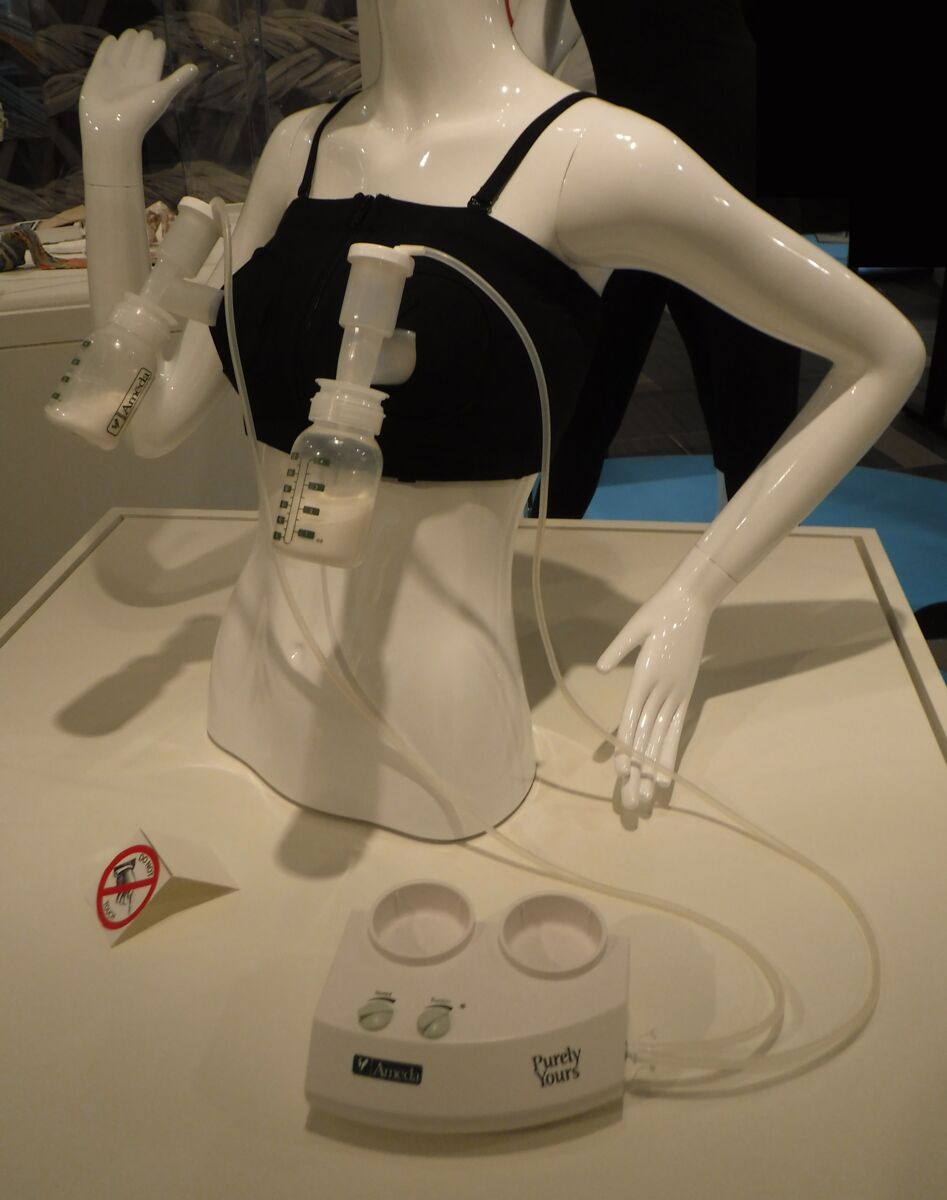
- Wearable / hands-free pump: cordless cups that sit inside your bra so you can pump discreetly while working or moving around. Convenient, though some mums find output a little lower than a strong double electric pump.
If you are still deciding on a specific model, our guide to the best breast pumps in Singapore goes deeper on brands, hospital-grade rentals and what to look for. The key practical point: match the pump to your number of daily sessions. Pumping once a day for date night is a very different job from replacing five feeds while at work.
How often to pump and building a stash without over-pumping
Milk supply works on demand and removal. The more milk is taken out, the more your body makes. That is helpful, but it also means it is easy to accidentally build an oversupply that leaves you engorged, leaking and prone to blocked ducts. You do not need a chest freezer full of milk. A modest, rotating stash is plenty for most families.
- If you are returning to work, start adding ONE short pumping session a few weeks beforehand, ideally in the morning when supply tends to be highest.
- Aim to express roughly what your baby will drink while you are apart, not as much as physically possible.
- Pump after or between feeds rather than replacing them, so your baby still drives your overall supply.
- A stash of a few days' worth of feeds is a sensible target. Rotate it (oldest first) so milk does not sit unused until it expires.
If your supply feels low rather than abundant, the fix is usually more frequent removal and good latch or pump fit, not panic. Our milk supply guide walks through what genuinely increases supply and what is a myth.
Hands-on pumping for better output
A pump empties the breast less efficiently than a baby does, so technique matters. Many lactation consultants teach hands-on pumping: gently massaging and compressing the breast while the pump runs, then hand-expressing for a minute or two at the end. This tends to remove more milk, including the richer hindmilk, and can shorten sessions. Start at a comfortable suction. More suction is not better and can cause sore, damaged nipples; you want the lowest setting that still flows well.
Cleaning and sterilising pump parts
Pump parts touch milk, so hygiene protects your baby, especially in the newborn weeks. The general routine recommended by health authorities such as the US CDC is straightforward.
- Wash your hands with soap and water before handling parts or expressing.
- After each session, take apart every piece that touched milk (flanges, valves, membranes, bottles) and rinse under running water.
- Wash in hot soapy water in a basin used only for baby feeding items, or run dishwasher-safe parts through the dishwasher. Avoid washing directly in the sink.
- Air-dry on a clean, unused dish towel or drying rack. Do not rub dry with a used cloth.
- Sterilise daily for young babies (under about three months), premature babies, or any baby who is unwell. Use a steam steriliser, microwave steam bags, or boiling water as the product allows.
- Wipe down the pump motor and surfaces, but never submerge the motor unit.
Breast milk storage: the times that matter
This is the part most mums want bookmarked. The figures below are widely published general guidelines (from sources such as the US CDC and the Australian Breastfeeding Association) for healthy, full-term babies. Treat them as upper limits, not targets, and always defer to HealthHub or your hospital's exact advice for your situation.
- Freshly expressed milk, room temperature: up to about 4 hours is the commonly cited safe window. In a warm room, sooner is safer.
- In the fridge (about 4 degrees C): up to roughly 4 days. Store at the back, not in the door, where the temperature is steadiest.
- In a freezer compartment of a fridge-freezer: up to about 6 months is ideal, though it remains usable longer.
- In a separate deep freezer (about -18 degrees C): up to around 12 months, with the best quality in the first 6 months.
A few sensible habits make these ranges work in real life:
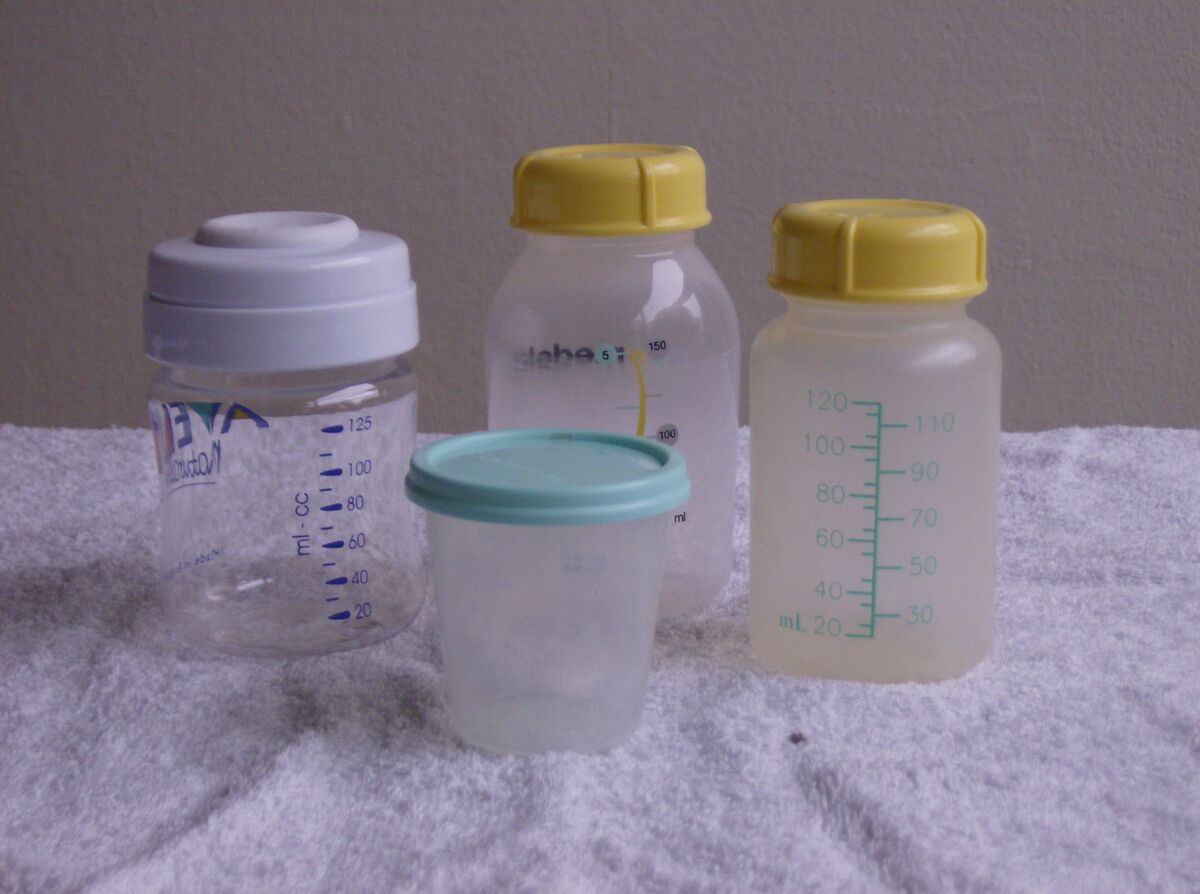
- Store milk in clean, food-grade containers: BPA-free bottles or purpose-made breast milk storage bags. Avoid ordinary household plastic bags.
- Label every container with the date you expressed (and your baby's name if it is going into a shared fridge at work or childcare).
- Leave headspace at the top, because milk expands as it freezes. Freezing bags flat saves space and lets them thaw faster.
- Freeze in small portions, for example 60 to 120 ml, so you thaw only what you need and waste less.
- Use the oldest milk first, and keep newly expressed milk separate until it has cooled before combining with already-chilled milk.
Thawing and warming milk safely
Frozen milk needs gentle handling. High heat destroys some of the protective components in breast milk and creates dangerous hot spots, so the rules here are firm.
- Thaw in the fridge overnight, or more quickly by holding the sealed container under cool then gradually warmer running water, or in a bowl of warm water.
- To warm, stand the bottle in warm water or use a bottle warmer. Aim for body temperature, not hot.
- Never use a microwave and never bring milk to a boil. Microwaves heat unevenly and can scald your baby's mouth, and boiling damages the milk.
- Swirl the bottle gently to mix the layers. Do not shake hard.
- Use thawed milk within about 24 hours if kept in the fridge, and within roughly 2 hours once it has been warmed.
- Do not refreeze milk that has fully thawed. If your baby does not finish a bottle, discard the leftover within an hour or two rather than saving it.
What normal milk looks and smells like
Stored breast milk does not look like formula or cow's milk, and that is completely normal.
- Separation: milk separates into a thicker, creamier fat layer (hindmilk) on top and thinner, sometimes bluish foremilk below. A gentle swirl brings it back together.
- Colour: can range from bluish to yellowish to creamy depending on your diet and the time of day. This is fine.
- Soapy or metallic smell: some mums have higher levels of an enzyme called lipase, which breaks down fat and can give thawed milk a soapy or off smell even though it is safe. Many babies still drink it; if yours refuses, you can scald fresh milk briefly before freezing to slow the enzyme.
- The smell test: truly spoiled milk smells sour or rancid, like off dairy, and will not improve with swirling. When in doubt, throw it out.
Pumping at work in Singapore
Returning to work is where pumping logistics get real. With a little planning it is very doable, and many Singapore mums keep nursing for months after going back.
Find a clean, private space
You need somewhere private and clean to express, ideally a nursing room, an empty meeting room you can book, or a quiet office with a lockable door. A toilet cubicle is not an appropriate place to prepare your baby's food, even if it feels like the only option. If your workplace lacks a suitable space, it is reasonable to raise it with HR. Nursing mothers are increasingly expected to be supported at work, and many employers will provide a room once asked.
Keep milk cold in transit
- Bring an insulated cooler bag with ice packs. Milk kept properly cold in a good cooler bag with ice packs is generally considered safe for about a day, which easily covers the commute home.
- If there is a clean office fridge, store your milk there during the day, clearly labelled with your name and the date. A small sealed container or your cooler bag inside the fridge keeps things tidy and hygienic.
- Transfer to your home fridge or freezer as soon as you get back.
Build a workable routine
Most mums returning to work pump every 3 to 4 hours, roughly mirroring their baby's feed times, so two to three sessions across a working day is common. Block the time in your calendar so meetings do not swallow it. Keep a spare set of pump parts and a hand pump at the office for the day you forget something. And pack a small kit you can leave at work: pump and parts, storage bags, a few wipes or a wash bag, and the cooler bag with frozen ice packs.
Frequently Asked Questions
Can I add freshly pumped milk to milk already in the fridge?
Yes, but cool the fresh milk in the fridge first, then add it to the already-chilled milk rather than mixing warm into cold. Label the combined container with the date of the older milk.
How long can breast milk sit out at room temperature in Singapore?
Freshly expressed milk is generally considered safe at room temperature for up to about 4 hours. In Singapore's warm climate, and especially in a non-air-conditioned room, use it sooner or chill it promptly. Once a feed has started, finish or discard it within an hour or two.
Is it normal for my pumped milk to smell soapy?
Often, yes. A soapy or metallic smell after freezing usually points to higher lipase activity, which breaks down fat but does not make the milk unsafe. Many babies drink it happily. If yours refuses, briefly scalding fresh milk before freezing can help prevent the smell.
Can I refreeze breast milk that has thawed?
No. Do not refreeze fully thawed milk. Use thawed milk kept in the fridge within about 24 hours, and any milk that has been warmed within roughly 2 hours.
Why is my pump output lower than what my baby drinks?
A pump is less efficient than a baby, so lower output does not mean low supply. Check your flange fit, use a comfortable suction setting, try hands-on pumping with breast massage, and pump when you are relaxed. If you are still worried, see the supply tips in our breastfeeding guides or speak to a lactation consultant.
Do I need to sterilise pump parts every time?
You must wash parts after every use. Daily sterilising is recommended for babies under about three months, premature babies, or any baby who is unwell. For older, healthy babies, thorough washing and air-drying is generally sufficient, but follow your hospital's advice.
How does pumping fit with general newborn care?
Pumping is one piece of feeding, which sits alongside sleep, nappies and soothing in those early weeks. Our newborn care basics guide covers how feeding, including expressed milk, fits into a realistic daily rhythm.
Pumping and storing breast milk comes down to a few reliable habits: a pump that suits your schedule, clean parts, honest labelling, conservative storage times, gentle thawing, and a calm routine once you are back at work. Get those right and you give yourself real flexibility, without turning your freezer into a stress factory. When anything looks or feels off, lean on HealthHub, your hospital and your lactation consultant rather than guessing.
- https://www.healthhub.sg/live-healthy/breastfeeding-your-baby
- https://www.cdc.gov/breastfeeding-special-circumstances/hcp/human-milk-storage/index.html
- https://www.cdc.gov/healthy-pets-people/about/how-to-keep-your-breast-pump-kit-clean.html
- https://www.breastfeeding.asn.au/resources/expressing-and-storing-breastmilk
- https://www.kkh.com.sg/patient-care/conditions-treatments/breastfeeding
- https://www.medela.com/en/breastfeeding-pumping/articles/feeding/storing-and-thawing-breast-milk

Baby Choking First Aid: What Every Singapore Parent Should Know
Baby choking first aid in Singapore: spot true choking, do infant back blows and chest thrusts, know when to call 995, a...
11 min read
Colic vs Reflux in Babies: A Singapore Parent's Guide to Soothing and Knowing When to Worry
Tell baby colic, reflux and wind apart in Singapore: what's normal, soothing tips that help, safe-sleep rules and the re...
10 min read
Baby Eczema in Singapore: Calm Skin in a Hot, Humid Climate
A calm, practical guide to baby eczema in Singapore: hot, humid-climate triggers, soak-and-seal moisturising, managing t...
11 min read