

Breastfeeding Support in Singapore: A Gentle Guide for New Mums

In this article
- Why breastfeeding support matters
- Getting started in the early days
- A good latch and comfortable positioning
- Feeding on demand and signs baby is getting enough
- Common challenges and when to see a doctor
- Expressing and storing breast milk
- Returning to work and your breastfeeding rights
- Looking after the mother
- Where to get breastfeeding help in Singapore
- Frequently asked questions
Breastfeeding is natural, but natural does not always mean easy from day one. Most Singapore mums wobble a little in the first week or two while they and their newborn learn together, and that is completely normal. Feeding is a skill you grow into as a pair, and you are surrounded by support, from ward lactation consultants to charity helplines you can message at 3am. This guide is for new and expecting mums (and the partners helping them) who want the basics done well, honest help with the bumps, and a clear map of where to turn in Singapore. We keep one thing front and centre: a baby who is fed, growing, and loved is the goal, and your own wellbeing matters just as much.

Why breastfeeding support matters
Breast milk is recommended as the ideal first food for babies. The World Health Organization advises exclusive breastfeeding for around the first six months, then continuing alongside suitable solids and family foods after that for as long as mother and baby wish. Breast milk adapts to your baby, carries antibodies that help protect against infection, and is gentle on a tiny tummy. Those benefits are well established.
At the same time, breastfeeding is what experts call an acquired skill, not an instinct that switches on perfectly at birth. That is exactly why counselling, hands-on help, and emotional support make such a difference, and why Singapore's public hospitals built breastfeeding support into maternity care in the first place. If you have heard the phrase "fed is best", hold both ideas together: breast milk is wonderful, and so is a thriving baby fed in whatever way keeps your family well. There is no prize for struggling in silence.
Getting started in the early days
A calm, unhurried start helps everything that follows. Where your birth allows, ask for skin-to-skin contact as soon as possible after delivery. Holding baby against your bare chest steadies their temperature and breathing, calms you both, and nudges baby to seek the breast and feed.
In the first few days your breasts make colostrum, a thick golden first milk produced in small amounts that perfectly suit a newborn's marble-sized stomach. It is concentrated and rich in antibodies. Your fuller, mature milk usually comes in over the next few days. Feed early and often, roughly 8 to 12 times in 24 hours including overnight, because frequent feeding is the signal that tells your body to build a good supply.
A good latch and comfortable positioning
A deep latch is the foundation of comfortable, effective feeding. When the latch is right, milk transfers well and your nipples are far less likely to get sore.
- Hold baby close, chest to chest, with their nose level with your nipple so they tilt their head back slightly as they come on.
- Wait for a wide-open mouth, then bring baby onto the breast, rather than leaning your breast down into baby.
- Aim for a mouthful of breast, not just the nipple, with more of the underside of the areola in baby's mouth and lips flanged outwards like a fish.
- Look and listen for regular sucking and swallowing, and check that feeding feels like a firm tug rather than a sharp pinch.
Try different holds to find what suits your body: cradle, cross-cradle, rugby (football) hold, or lying on your side for night feeds and recovery after a caesarean. Use pillows or a feeding cushion to bring baby up to the breast so you are not hunching over. If latching hurts beyond the first few seconds, gently break the suction with a clean finger at the corner of baby's mouth and start again rather than pushing through pain.
Feeding on demand and signs baby is getting enough
In the early weeks, feed on demand whenever baby shows hunger cues rather than to a rigid schedule. Demand feeding helps establish supply and lets baby take exactly what they need. Cluster feeding, where baby wants the breast very frequently for a stretch, often in the evening, is common and normal and usually signals a growth spurt rather than a problem with your milk.

Because you cannot measure millilitres at the breast, judge by output and the bigger picture instead:
- Plenty of wet nappies, usually around six or more heavy, pale-urine nappies a day once your milk is in.
- Regular dirty nappies, with stools changing from dark meconium to softer yellow ones over the first week.
- Steady weight gain over time. Newborns often dip in weight in the first days then regain it, and your doctor or nurse will plot this on a growth chart.
- A baby who is generally settled and content after many feeds, with good colour and alertness when awake.
If you are worried baby is not getting enough, is very sleepy and hard to rouse for feeds, has few wet nappies, or is not back to birth weight by around two weeks, speak to your doctor, polyclinic nurse, or a lactation consultant early. For day-to-day care in those first weeks, our newborn care basics guide pairs well with this one, and if your baby looks yellow our newborn jaundice guide explains when to get it checked, since a jaundiced baby can be sleepy and feed poorly.
Common challenges and when to see a doctor
Almost every breastfeeding mum hits a bump somewhere. Most issues settle with small adjustments and a bit of support, so do not soldier on alone.
Engorgement
When your milk comes in, breasts can feel very full, hard, and tender. Frequent feeding, a good latch, gentle hand expression to soften the areola before a feed so baby can latch, and a warm or cool compress all help. Engorgement usually eases within a few days as feeding finds its rhythm.
Sore or cracked nipples
Soreness is most often a latch issue, not a sign you are doing something wrong. Re-checking latch and position usually makes the biggest difference. A little expressed breast milk smoothed on and left to air dry can soothe. If nipples are cracked, bleeding, or very painful, get hands-on help from a lactation consultant rather than waiting it out.
Blocked ducts and supply worries
A blocked duct can feel like a tender lump. Keep feeding or expressing on that side, massage gently towards the nipple, and apply warmth before feeds to help it clear. Many supply worries turn out to be perception rather than a true shortage, often triggered by softer breasts as your body settles or by a cluster-feeding evening. Before changing anything, check baby's nappies and weight gain and have the latch reviewed.
Mastitis: when to act
Also seek advice if baby has a feeding difficulty such as a suspected tongue-tie, if you have ongoing severe pain, if baby is not gaining weight or has very few wet nappies, or if you simply sense something is not right. Asking for help early is good mothering, not failure.
Expressing and storing breast milk
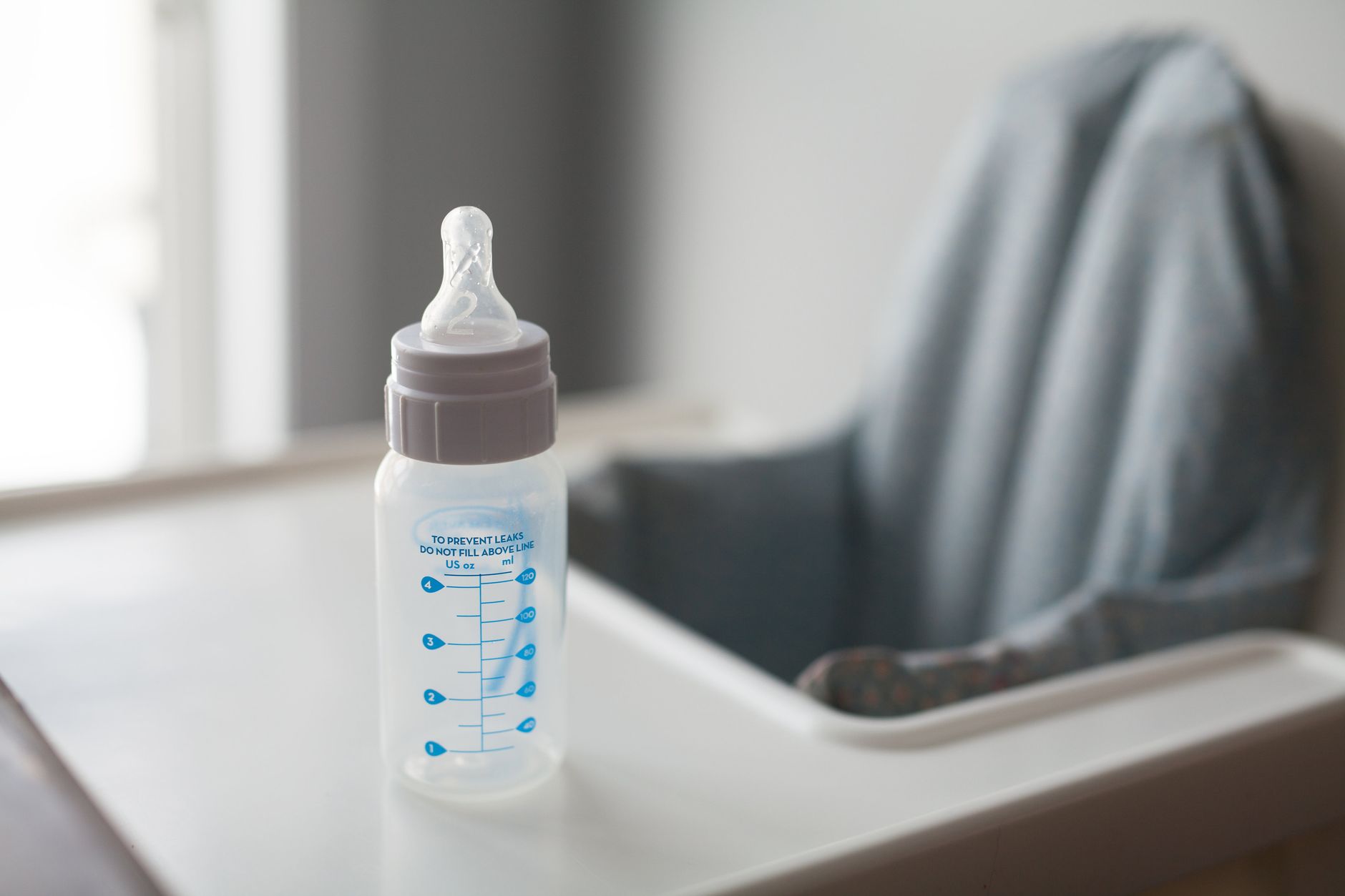
Expressing, by hand or with a pump, is handy for returning to work, building a small stash, relieving fullness, or letting your partner share a feed. A few safe-handling basics:
- Wash your hands and use clean, sterilised pump parts and storage containers every time.
- Label each container with the date so you use the oldest milk first.
- Store milk in clean bottles or proper breast milk storage bags, and chill or freeze it promptly.
- Thaw frozen milk in the fridge or under cool running water, swirl gently to mix the layers, and never refreeze thawed milk.
- Warm milk by standing the container in warm water rather than microwaving, which heats unevenly and can scald baby's mouth.
Safe storage times differ for milk at room temperature, in the fridge, and in the freezer, and they depend on how cold your appliance runs. Rather than memorising numbers that change, follow the current HealthHub storage guidance or your hospital's lactation team, and stick to your pump manufacturer's cleaning instructions.
Returning to work and your breastfeeding rights
Many Singapore mums plan to keep breastfeeding after maternity leave ends, and returning to work is one of the most common reasons feeding journeys change. A little preparation goes a long way.
- Build a modest freezer stash in the weeks before you return, rather than a stressful last-minute scramble.
- Practise with a bottle of expressed milk so baby and caregiver are comfortable before your first day back.
- Plan a pumping rhythm that roughly matches baby's feed times to protect supply, and store milk safely at work.
- Talk to your employer early and matter-of-factly about a private space and short breaks to express.
On the legal side, it helps to know what Singapore does and does not guarantee. There is no specific statutory entitlement to paid breastfeeding breaks the way some countries mandate, so arrangements to express at work are generally agreed with your employer. Many workplaces are supportive and provide a clean, private nursing room. As for feeding in public, there is no law against breastfeeding while decently dressed, and you are within your rights to feed your baby when out and about. More malls and public spaces now offer nursing rooms, which makes outings far easier; our roundup of baby-friendly places in Singapore can help you plan stops with good facilities.
Looking after the mother
You cannot pour from an empty cup. Feeding around the clock is demanding, so caring for yourself is part of caring for your baby, not a luxury.
- Rest when you can, including short naps when baby sleeps, and accept offers of help with chores and meals.
- Keep a drink and a snack within reach at your feeding spot, since thirst and hunger spike while nursing.
- Lean on your partner and family for night-time support, burping, nappy changes, and emotional encouragement, especially during confinement.
- Notice your mood. The early weeks bring big emotions, but if low mood, anxiety, or feeling overwhelmed lingers beyond a couple of weeks or feels heavy, that may be more than the baby blues.
Where to get breastfeeding help in Singapore
You really do not have to figure this out alone. Singapore has caring, experienced support at several levels, and most of it is easy to access:
- Hospital lactation services. Public hospitals including KKH and NUH run lactation services, antenatal breastfeeding classes, and helplines you can call after discharge. Ask the nurses on your ward to check your latch before you go home, and note your hospital's lactation contact for follow-up.
- The Baby Friendly Hospital Initiative. This international standard promotes practices like skin-to-skin and rooming-in, and Singapore's public maternity hospitals have worked towards it, which is why early breastfeeding support is built into the ward routine.
- Polyclinics and your doctor. Polyclinic nurses and your doctor can weigh baby, review feeding, treat issues like mastitis, and refer you onward if needed.
- Private IBCLC lactation consultants. An International Board Certified Lactation Consultant can visit your home or see you in clinic for one-to-one help with latch, pain, supply, or returning to work. BMSG keeps a directory if you are looking for one.
- The Breastfeeding Mothers' Support Group (BMSG). Singapore's breastfeeding charity offers a counselling helpline you can call or WhatsApp, trained volunteer counsellors, Mum to Mum meetings, workshops, and a mothers' community, all in a non-judgmental space.
If you would like hands-on help at home in the early weeks so you can rest and focus on feeding, professional in-home postnatal care is widely available, and a confinement nanny or postnatal doula can also support your recovery. If feeding has been tough alongside a colicky or refluxy baby, our guide to baby colic and reflux in Singapore may help you tell normal newborn fussiness apart from a feeding problem worth checking. You can also browse more new-parent guides on our blog. Related reading: our guides to boosting your breast milk supply, pumping and storing breast milk and the best breast pumps in Singapore.

Frequently asked questions
How often should a newborn breastfeed?
In the early weeks, expect roughly 8 to 12 feeds in 24 hours, including overnight, fed on demand whenever baby shows hunger cues. Frequent feeding is normal and helps establish your supply, and evening cluster feeding is common. If baby is too sleepy to feed often or is missing feeds, check with your doctor or a lactation consultant.
How do I know my baby is getting enough milk?
Look at output and trends rather than trying to measure feeds: around six or more heavy wet nappies a day once your milk is in, regular dirty nappies, steady weight gain over time, and a baby who is generally content and alert when awake. If wet nappies are few, weight is not climbing, or baby seems lethargic, seek help promptly.
Is it legal to breastfeed in public in Singapore?
Yes. There is no law against breastfeeding in public when you are decently dressed, so you can feed your baby when out and about. Many malls and public venues now provide nursing rooms, and a light nursing cover can help if you prefer more privacy.
Does Singapore law give me breastfeeding breaks at work?
There is no specific statutory entitlement to paid breastfeeding or pumping breaks, so arrangements to express at work are generally agreed with your employer. Many workplaces are supportive and offer a private nursing space. Raise it early and plan a pumping schedule that protects your supply.
Is combination feeding or formula feeding okay?
Yes. Some mums breastfeed fully, some combine breast and formula, and some formula feed, and all are valid. Combination feeding can be a sensible choice when returning to work, managing supply, or protecting your wellbeing. If you introduce formula, your doctor or nurse can guide you on doing it safely while supporting your supply if you wish to keep breastfeeding. A fed, growing, loved baby is the goal.
When should I see a doctor about breastfeeding?
See a doctor promptly for signs of mastitis (a hot, red, painful breast with fever or chills), severe or persistent pain, cracked or bleeding nipples, or if baby is feeding poorly, not gaining weight, or having very few wet nappies. Also reach out if your own mood is persistently low or you feel unable to cope.
This guide offers general information and signposting to support in Singapore. It is not a substitute for professional medical or lactation advice. For concerns about you or your baby, please speak to your doctor, a lactation consultant, or your hospital. Fed is best, and every family's feeding journey is different. Be kind to yourself: every feed, every cuddle, and every time you ask for help is you doing a good job.


Baby Choking First Aid: What Every Singapore Parent Should Know
Baby choking first aid in Singapore: spot true choking, do infant back blows and chest thrusts, know when to call 995, a...
11 min read
Colic vs Reflux in Babies: A Singapore Parent's Guide to Soothing and Knowing When to Worry
Tell baby colic, reflux and wind apart in Singapore: what's normal, soothing tips that help, safe-sleep rules and the re...
10 min read
Baby Eczema in Singapore: Calm Skin in a Hot, Humid Climate
A calm, practical guide to baby eczema in Singapore: hot, humid-climate triggers, soak-and-seal moisturising, managing t...
11 min read