

English Tuition in Singapore: A Balanced Guide for Parents

In this article
- How English is taught in Singapore schools first
- Enrichment, remedial and exam tuition are not the same thing
- Signs your child might benefit (and when to wait)
- The main options for English support
- Primary versus secondary: the need changes
- How to choose well
- How to tell if tuition is actually helping
- Supporting reading and writing at home
- Frequently asked questions
If you have ever sat in a school carpark scrolling ads for English tuition in Singapore while your child does homework in the back seat, you are in good company. Tuition can feel less like a choice here and more like the default setting. Before you sign up for anything, it helps to ask a simpler question: does your child actually need extra English support right now, and if so, what kind? This guide is for parents weighing that decision calmly, whether your child is a wobbly early reader, a confident kid who hates writing, or an upper-primary pupil facing the PSLE.
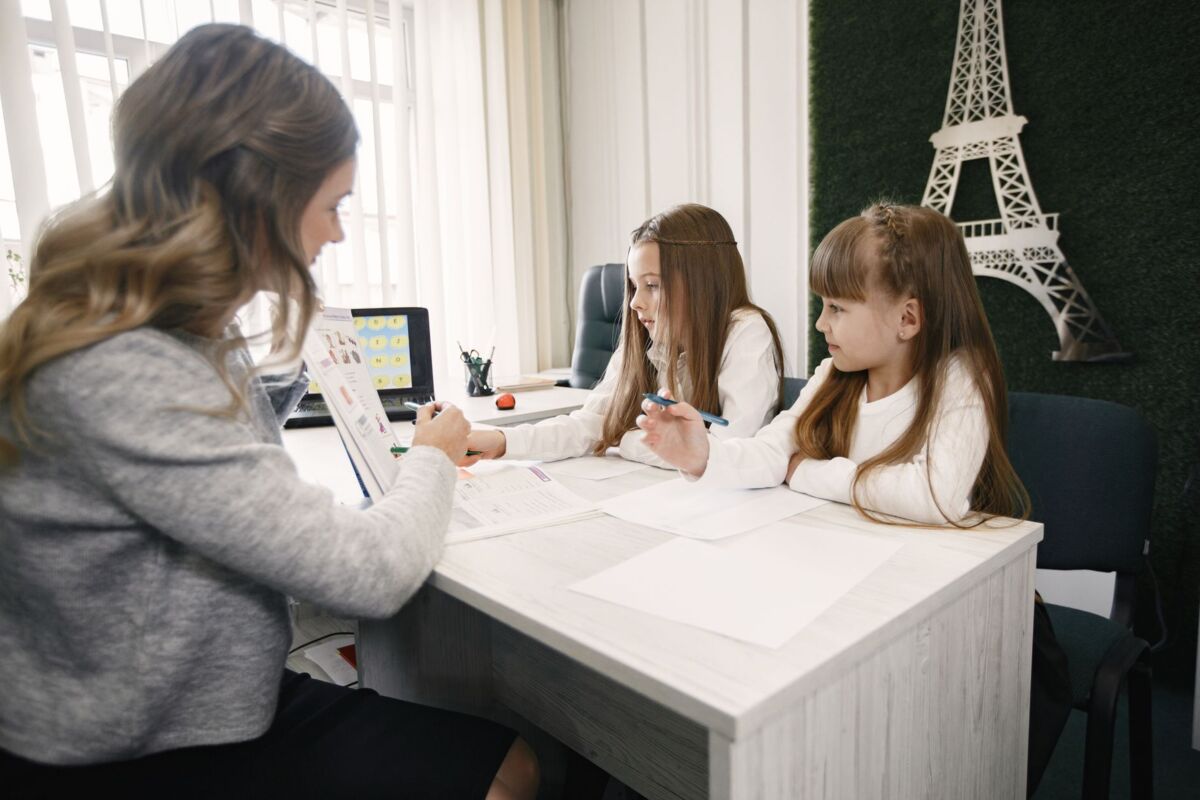
It is a balanced guide, not a sales pitch, and not a ranked list of centres claiming the highest distinction rates. We will look at when a child genuinely benefits, the realistic options, how to choose without the pressure, what to expect on cost, and what you can do at home that often matters more than any centre. Plenty of children do perfectly well without tuition at all, and that is worth saying out loud.
How English is taught in Singapore schools first
English is the main medium of instruction across Singapore schools, so your child already gets a serious dose of it daily, in English lessons and almost every other subject. Knowing what they already receive stops you paying for things the school does well for free. Primary schools teach English through the MOE English Language Syllabus 2020, which develops six connected areas: listening, speaking, reading, writing, and viewing and representing, with grammar and vocabulary running through them rather than as isolated drills. Lower-primary classes commonly use the STELLAR approach (Strategies for English Language Learning and Reading), which leans on real storybooks, shared reading and lots of talk instead of rote worksheets.
Crucially, schools already run free support. The Learning Support Programme (LSP) is an early-intervention scheme, typically at Primary 1 and 2, for pupils who need extra help with English, run in small groups during school hours by trained teachers. See the MOE learning support page. If difficulties persist, children may be assessed further, and those confirmed to have dyslexia can receive remediation through the School-based Dyslexia Remediation (SDR) programme in Primary 3 and 4, described on the MOE special educational needs support page.
The practical takeaway: if your child is struggling, talk to the form or English teacher first. They see your child every day and can tell you whether the gap is real and whether school support already covers it. That conversation is free, and it is often enough.
Enrichment, remedial and exam tuition are not the same thing
One reason parents overspend is treating all extra English as a single category. Matching the type to the need is half the decision.
- Enrichment broadens skills and sparks interest: creative writing, drama, speech and reading for love rather than marks. Best for a capable child who could go further or simply enjoys words.
- Remedial support closes a specific gap, often in decoding, reading fluency or foundational grammar. Best for a child who is genuinely behind, where school support has not been enough.
- Exam-focused tuition drills technique for the PSLE or O-Level: comprehension strategy, composition structures, oral and visual-text skills. Best for an able child in the final stretch who needs polish, not one still missing the basics.
Pouring exam technique onto a child who cannot yet read fluently is like teaching tactics to someone who has not learned to run. Fix the foundation first.
Signs your child might benefit (and when to wait)
Not every dip needs an intervention. A single bad spelling test is not a crisis. Look for patterns over a term or two rather than reacting to one paper.
- Reading feels like hard labour rather than pleasure, and your child avoids books well below their level
- Comprehension answers are vague, or copy chunks of the passage without really answering the question
- Writing is a struggle to start, very short, or recycles the same few ideas every time
- Grammar and spelling errors persist despite practice and feedback
- Confidence has dropped and your child openly says they are bad at English

When it may be fine to wait: your child reads willingly, marks are steady, and the teacher is not flagging concerns. Boredom or one tough topic usually responds better to a chat with the teacher plus more reading than to a fresh weekly commitment that eats the calendar.
The main options for English support
Big centres and chains
Established names such as The Learning Lab, Lorna Whiston or My English School run polished group programmes with their own materials, island-wide branches and progress tracking. They suit children who do well with routine, peer energy and a fixed syllabus. The trade-offs: classes are not tailored to one child, you may pay a premium for the brand, and quality between branches can vary. No single chain is the best for every child, whatever the marketing suggests.
Boutique and specialist centres
Smaller outfits such as Lil' But Mighty or Edufront often run tighter class sizes and a clear specialism, for example composition or comprehension. The appeal is more attention per child and a teacher who knows the cohort. Check the centre is properly registered and that the teaching is as personal as the brochure claims.
Private and home tutors (one-to-one)
One-to-one tutoring is the most personalised option and the easiest to aim at a single weakness such as composition or oral. It is usually the priciest per hour, and the fit between tutor and child matters more than any flashy credential. Families find tutors through agencies or word of mouth; ex-MOE teachers are common and often a strong choice because they know the syllabus and marking inside out.
Online programmes and apps
Online classes and apps can be flexible and lower cost, and some are genuinely good for grammar practice, vocabulary and reading mileage. The catch: younger children usually need an adult nearby to stay on task, and a screen is no substitute for real conversation. Treat them as a supplement, not a replacement.
Reading and phonics support
For younger or early readers, the bottleneck is usually decoding (phonics) and sheer reading mileage, not exam technique. Phonics and reading programmes build the foundation everything else sits on. Before paying, see what is free: the National Library Board runs reading initiatives and storytelling for children, including the long-running kidsREAD scheme. Our guides to reading and phonics programmes and the best children's libraries are a good start.
Primary versus secondary: the need changes

- Lower primary (P1 to P3): the priority is decoding, reading fluency and a love of books. Phonics, shared reading and conversation matter more than worksheets, and heavy exam drilling at this age usually backfires.
- Upper primary (P4 to P6): comprehension strategy, composition structure and oral confidence come to the front as the PSLE nears. Targeted help can pay off, but only once the reading foundation is solid.
- Secondary (S1 to O-Level): demands rise to argumentative writing, close comprehension and the spoken oral exam. Many families add technique-led support here, and a tutor who knows the O-Level format well beats a generalist.
How to choose well
Whatever route you pick, a few questions cut through the marketing fast. Ask them before you pay, not after.
- What exactly is the weakness we are fixing? Be specific: decoding, comprehension, composition, grammar or oral confidence.
- Who teaches my child, what are their credentials, and is the curriculum MOE-aligned? Ex-MOE teachers are a plus, but ask, do not assume.
- What is the class size? Single digits generally mean more attention; a class of fifteen is closer to a lecture.
- How will I know it is working in eight to ten weeks? Ask for honest feedback and samples, not just praise and certificates.
- Does the approach build real skill and a love of language, or just memorised model phrases that fall apart under a fresh question?
- Is the location and schedule sustainable, or will it crowd out sleep, play and family time?
On fees, prices vary widely by format, level, group size and tutor experience, and they change often, so we will not quote figures that might be wrong. Group classes are generally cheaper per hour than one-to-one, and secondary costs more than primary. Ask each provider for current rates, trial-class policies, materials charges and any registration fees, then compare in writing. A trial lesson is the best way to judge fit before committing a term's money.
Watch the load. A tired, over-scheduled child often does worse, not better. If adding tuition means dropping sleep, downtime or reading-for-fun, the maths may not add up. Protect the basics first, then add support around them.
How to tell if tuition is actually helping
Signing up is easy; knowing whether to continue is harder. Give it a term, then look for honest signals rather than hoping the marks alone tell the story. Good signs: your child is less anxious, attempts harder tasks, reads more willingly, and the tutor can name specific skills that improved. Warning signs: marks have not budged after a couple of terms, your child dreads the class, feedback is only generic praise, or gains vanish the moment a question changes shape. If the warning signs stack up, ask for a clearer plan and be willing to switch format or stop. Sunk cost is not a reason to keep going.
Supporting reading and writing at home
This is the part many families skip, and it is often the highest-return effort of all: free, and entirely in your control. No centre matches a home where English is enjoyed every day.
- Read together daily, even ten minutes. For early readers, take turns; for older ones, let them read to you and talk about what happened.
- Let them choose books, including comics and series they love. Mileage beats prestige. Borrow widely from the library.
- Talk, a lot. Ask open questions about their day, a story or a show. Oral fluency feeds both the oral exam and writing.
- Make writing low-stakes, like a holiday journal, a note to grandparents or a comic strip. No red pen.
- Praise effort and ideas, not just neatness or marks, so confidence keeps pace with skill.
A child who reads widely and talks freely at home is building exactly the foundation that schools, and any tuition, are trying to strengthen. If you are weighing other classes too, our guides to enrichment classes and maths enrichment take the same balanced view of the rest of the timetable.
Frequently asked questions

Does every child in Singapore need English tuition?
No. Many children do well with classroom teaching, free school support where needed, and a strong reading habit at home. Tuition is most useful when there is a specific, persistent gap, not as a default every family is expected to buy.
What is the best age to start English tuition?
There is no universal age. For literacy foundations, earlier help with decoding and reading pays off. For exam technique, families often add focused support in upper primary or secondary. Let the actual need, and your child's energy, guide the timing rather than peer pressure.
Group class or one-to-one tuition?
Groups suit children who enjoy structure and peers and have a broad rather than pinpointed need. One-to-one is better for a clear, targeted weakness or a confidence rebuild, but it costs more per hour, so match it to a real reason.
How do I know if an English tuition centre is any good?
Look past the distinction-rate banners. Ask who teaches your child, the class size, whether the curriculum is MOE-aligned, and how progress is reported. Take a trial lesson and judge fit over a term rather than a single sales pitch.
Is online English tuition effective?
It can work well for grammar, vocabulary and reading practice, and it is flexible and often cheaper. Younger children usually need an adult nearby to stay focused, and online tools work best as a supplement to real conversation and reading, not a replacement.
What about children who find reading very hard?
Speak to the school first. Persistent difficulty can be assessed, and there are recognised support pathways within the school system, including help for children with dyslexia. A proper assessment unlocks the right help rather than generic tuition that may miss the cause.
For more on learning and family life in Singapore, browse our blogs for real-life tips from local parents. The goal is not the most tuition, but the right support at the right time, with reading for joy kept firmly at the centre of it all.


How to Choose the Best Preschool in Singapore: A Parent's Guide
How to choose the best preschool in Singapore for your child: centre types, curriculum, fee ranges, ECDA subsidies, wait...
11 min read
Childcare Centres in Singapore: A Parent's Guide to Infant Care, Subsidies and Choosing the Right One
How childcare centres in Singapore work: infant care vs full-day childcare, ECDA operators, subsidies, waitlists, fees a...
10 min read
Children's Libraries in Singapore: A Parent's Guide to NLB
A parent's guide to NLB children's libraries in Singapore: kids' sections, story times, free membership, the NLB app, Li...
11 min read