

Gestational Diabetes Diet in Singapore: What to Eat After a Positive OGTT
In this article
- What a positive OGTT result actually means
- Why blood glucose control matters for you and baby
- The core idea: spread and balance your carbohydrates
- Making hawker and local food GDM-friendly
- Monitoring your blood glucose at home
- Gentle movement after meals
- A simple day of GDM-friendly eating (example only)
- What happens after birth
- You are not doing this alone
- Frequently asked questions
Seeing gestational diabetes on your antenatal report can be a shock, especially after an oral glucose tolerance test you did not expect to fail. Take a breath. Gestational diabetes mellitus (GDM) is common in Singapore, it is manageable, and for most mums it resolves after baby arrives. The single biggest lever you have is what is on your plate. This guide is general information to help you understand how a GDM diet works, with local food in mind, so you can keep enjoying meals while protecting you and your baby. Read it alongside your hospital GDM education and a dietitian referral, because your real plan and your blood-glucose targets are set by your own care team, not by an article.
What a positive OGTT result actually means
The oral glucose tolerance test (OGTT) is the standard way GDM is diagnosed in Singapore. It is usually offered to all pregnant women at around 24 to 28 weeks, and earlier if you have risk factors such as a family history of diabetes, a previous large baby, a higher body weight or a previous GDM pregnancy. You fast overnight, drink a measured glucose solution and have your blood checked at set intervals. HealthHub describes the standard screen as a 75g sugar drink with blood tested fasting, at 1 hour and at 2 hours. If one or more readings sit above the cut-off, you are diagnosed with GDM.
It does not mean you ate too much sugar or did anything wrong. Pregnancy hormones make it harder for your body to use insulin, and some bodies feel that strain more than others. According to HealthHub, GDM affects roughly one in five pregnant women in Singapore and is more common among Asian women, so you are in good company. Many mums who get diagnosed are eating reasonably well already; the diagnosis is about how your body is handling glucose right now, not about blame.
Why blood glucose control matters for you and baby
When your blood glucose runs high, the extra sugar crosses the placenta to your baby. Over time this can lead to a larger-than-average baby (macrosomia), which raises the chance of a difficult delivery, shoulder dystocia (the shoulder getting stuck during birth) and an emergency caesarean. After birth, babies of mums with poorly controlled GDM can have low blood sugar and sometimes breathing difficulties, so they may be watched more closely. For mums, less-well-controlled GDM is linked to a higher risk of high blood pressure in pregnancy and pre-eclampsia.
Here is the reassuring part: good control brings those risks right down, and that is exactly what your diet, monitoring and your team are for. Most women find their glucose returns to normal soon after birth. The work you put in over these weeks genuinely changes the outcome, which is why GDM care is so practical and food-focused rather than frightening.
The core idea: spread and balance your carbohydrates
Carbohydrate is the nutrient that raises blood glucose the most. You are not cutting it out, growing babies need energy, but you are spreading it across the day and choosing slower-releasing sources. A few simple principles do most of the heavy lifting:
- Eat smaller, more frequent meals. Instead of three large meals, many mums do better with three modest meals plus two to three small snacks. HealthHub suggests spacing meals and snacks roughly two to four hours apart. A big bowl of rice in one sitting spikes glucose; the same amount spread across the day is gentler.
- Do not skip breakfast or pile carbs into one meal. Mornings are when insulin resistance is often highest, so your breakfast portion of carbohydrate usually needs to be the smallest of the day.
- Pair every carb with protein, fibre and some healthy fat. These slow how fast glucose enters your blood, flattening the spike. A plain bowl of porridge hits harder than the same porridge with egg and vegetables.
- Choose lower-GI carbohydrates. Lower glycaemic-index foods release glucose more slowly. Think brown or red rice instead of soft white rice, wholemeal bread instead of white, oats instead of sugary cereal, and adding beans, lentils or extra vegetables to a meal.
Use the plate method as your everyday guide
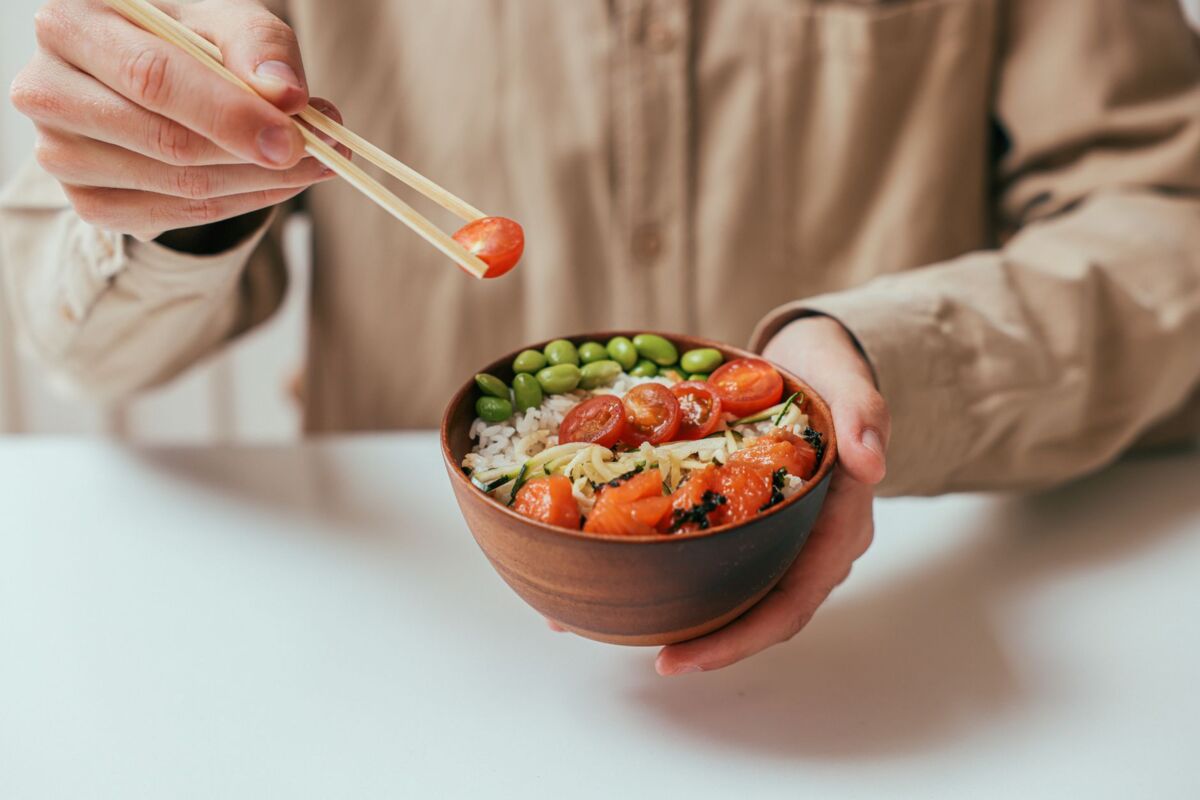
You do not need to weigh every grain of rice. Singapore's My Healthy Plate idea, which HealthHub recommends for GDM, gives you a picture to eat by: fill about half your plate with non-starchy vegetables, a quarter with lean protein, and only a quarter with carbohydrate such as rice or noodles. As a rough portion guide, HealthHub describes around half a bowl (about 100g) of brown or red rice and a palm-sized piece of meat or fish per serving, but confirm your own portions with your dietitian.
Making hawker and local food GDM-friendly
You can absolutely still eat local food. The trick is adjusting portions and pairings rather than giving everything up. These are examples of the kind of swaps mums find helpful, not rules:
- Less rice and noodles, more vegetables and protein. At cai png (economy rice), ask for less rice and load up on two or three vegetable dishes plus a palm-sized portion of fish, egg, tofu or lean meat.
- Pick the steamed or soup version. Sliced fish soup, yong tau foo in clear soup (go easy on the noodles), or steamed chicken with vegetables and a small scoop of rice tend to sit easier than fried bee hoon or a large plate of char kway teow.
- Watch the hidden-sugar dishes. Sweet sauces, kaya toast sets, roti prata with sweet curry, glutinous rice and many local desserts can push glucose up quickly. Keep these occasional and in small portions, and ideally test afterwards to see how your body responds.
- Be very careful with sweet drinks. This is where many mums get caught out. Teh and kopi with condensed milk, bandung, sugarcane juice, packet drinks and bubble tea are concentrated sugar that spikes glucose fast. Order kosong (no sugar) or siu dai (less sweet), or switch to plain water, plain tea or kopi-o kosong. Whole fresh fruit in a small portion beats fruit juice, which HealthHub flags as a sweet drink to limit.
At home the same balance applies: half the plate vegetables, a quarter protein, a quarter rice or noodles, with wholegrain versions where you can. Aim for around five servings of fruit and vegetables a day, but keep fruit to small portions spread through the day rather than a big bowl after dinner, since fruit still contains natural sugar.
Monitoring your blood glucose at home
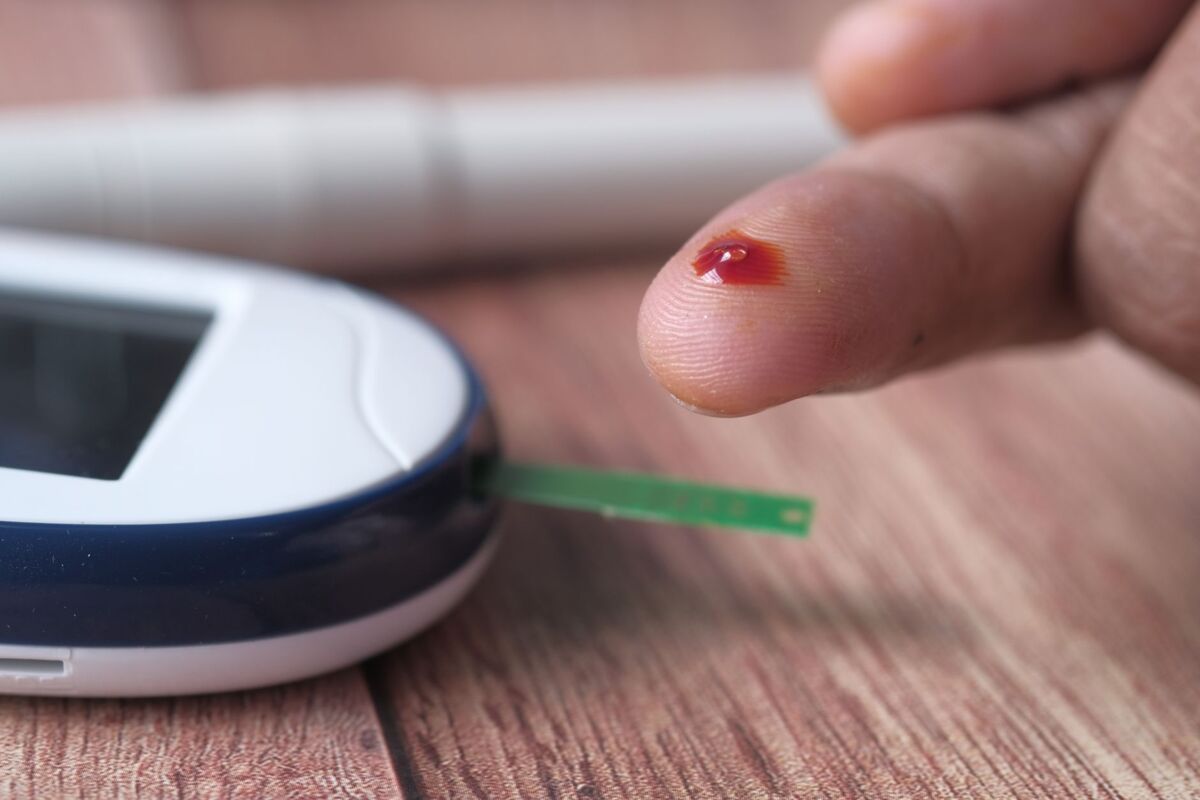
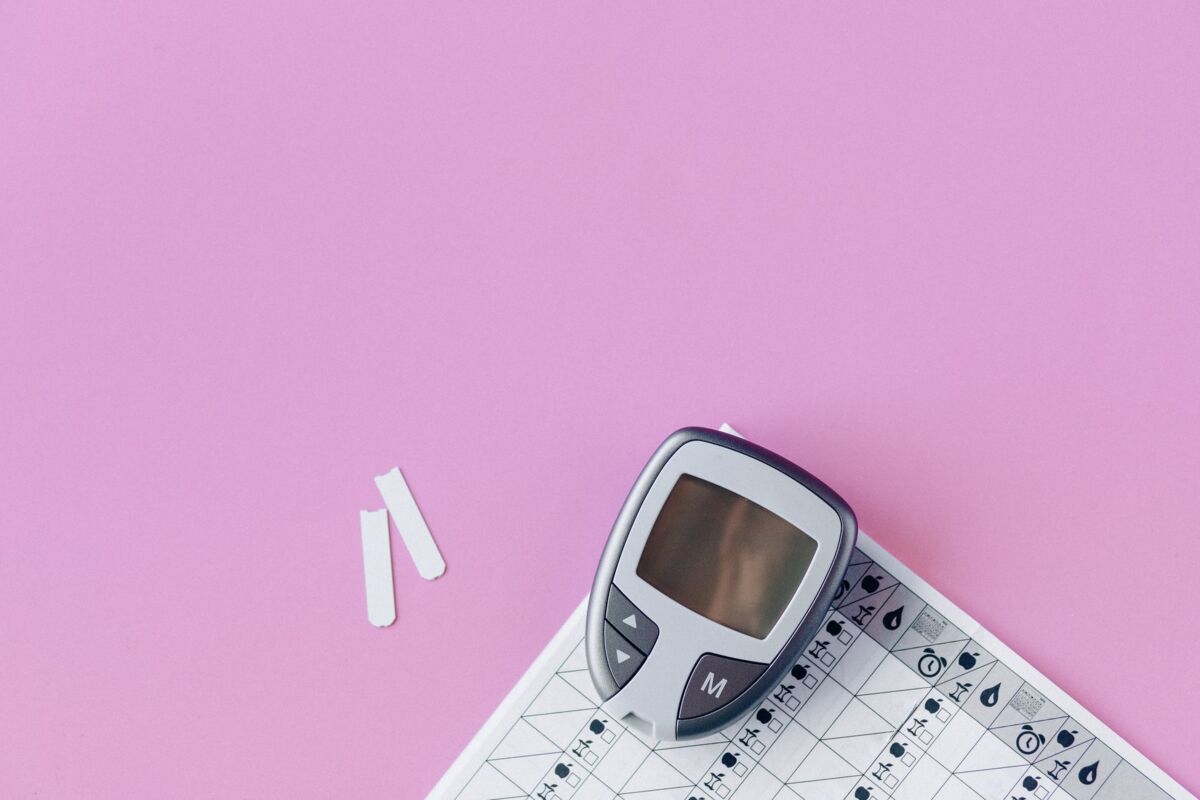
Most mums with GDM are taught to check blood glucose at home with a finger-prick glucometer. Your hospital or polyclinic will give you a kit (glucometer, test strips, a lancing device and lancets) and show you how to use it. HealthHub describes a common pattern of testing on one to two full days a week, before and two hours after each main meal, but your team will tell you exactly when and how often to test.
They will also give you your personal target ranges. HealthHub publishes example targets of about 4.5 to 5.5 mmol/L before meals and at bedtime, and about 5.5 to 6.6 mmol/L two hours after meals, but treat any number you read online as a reference only and confirm your own targets with your team, because they are individualised. Your readings are information, not a report card: they show how your body responds to particular meals so you can fine-tune. If a certain breakfast always spikes you, that is useful to know.
If diet and activity alone are not enough to hit your targets, your doctor may recommend medication such as metformin or insulin. That is a normal, safe part of GDM care for some women and not a sign you failed. Never adjust or stop any prescribed medication based on something you read online; ask your diabetes team about your target ranges, how often to test, and what to do if you get a very high or very low reading.
Gentle movement after meals
If your doctor says it is safe for you, light activity helps your muscles use up glucose, so a short walk after meals is one of the simplest tools you have. Health authorities generally encourage around 150 minutes of moderate activity a week in an uncomplicated pregnancy, built up gradually, but pregnancy changes what is safe for each person, so get your obstetrician's green light first. Stop and seek advice if you feel dizzy, short of breath, get chest tightness or notice any vaginal bleeding, and keep water on hand. For more, see our guide to safe exercise during pregnancy.
A simple day of GDM-friendly eating (example only)
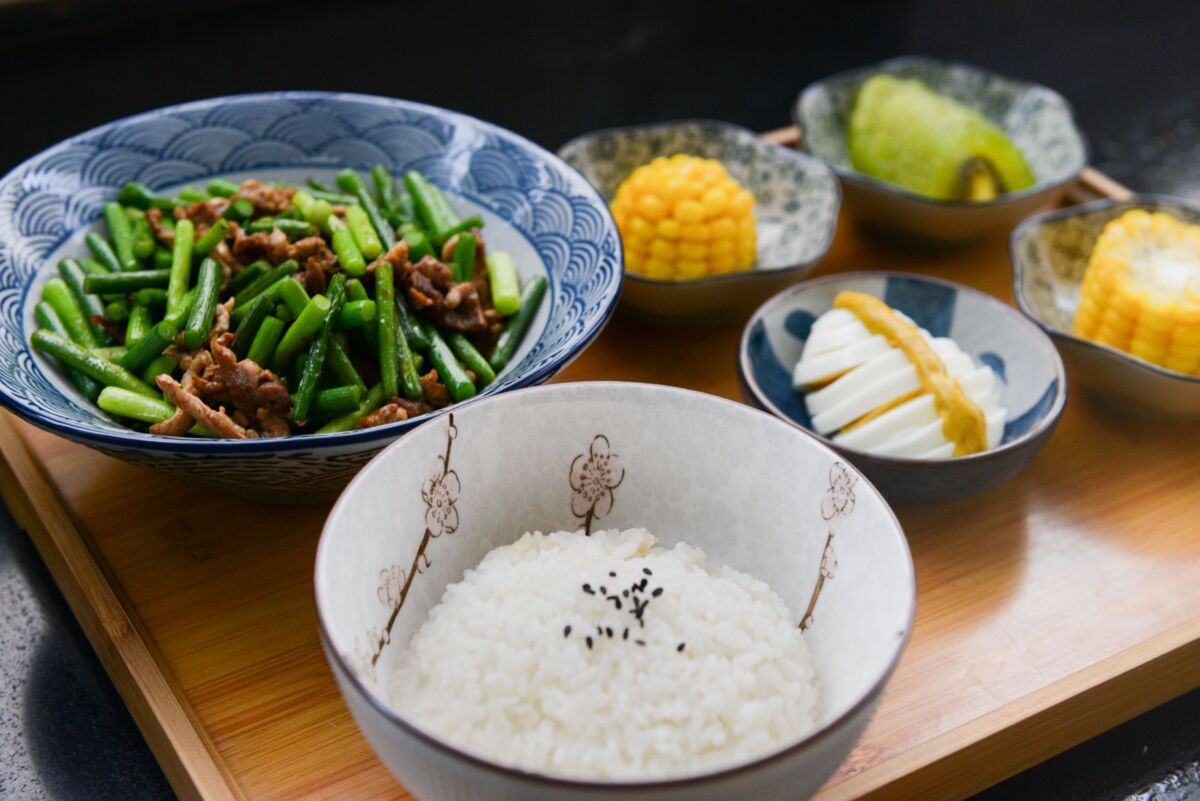
- Breakfast: a small bowl of plain oats with nuts and a few berries, or two eggs with one slice of wholemeal toast. Plain tea or kopi-o kosong.
- Mid-morning snack: a small handful of nuts, or plain unsweetened yoghurt.
- Lunch: cai png with less rice, fish or tofu, and two vegetable dishes. Water.
- Afternoon snack: a small apple or pear with a few almonds, or wholegrain crackers.
- Dinner: a small portion of brown rice, steamed fish or chicken, and a generous serving of stir-fried greens.
- Optional supper: only if your team advises it, a small protein-based snack to steady overnight glucose.
This is purely an illustration, not a prescription; your dietitian will tailor the portions, snacks and timing to your weight, your readings and how far along you are. The same balanced approach sits behind our wider guide to eating well in pregnancy, a useful companion read once your glucose is settling.
What happens after birth
For most mums, GDM resolves shortly after delivery, often by around six weeks. But because the diagnosis flags a higher long-term risk, your care does not simply stop. HealthHub advises a follow-up OGTT at roughly 6 to 12 weeks after delivery, then regular diabetes screening (often every one to three years). The reason matters: HealthHub notes that women who had GDM are far more likely to develop type 2 diabetes later, citing about twelve times higher risk within five years, so this is one of the most worthwhile appointments you will book, even when the newborn days are a blur.
The habits you build now keep paying off. Breastfeeding is associated with a lower future diabetes risk for you, and continuing the balanced, lower-GI way of eating, staying active and keeping to a healthy weight all reduce the odds of type 2 diabetes down the line.
You are not doing this alone
A GDM diagnosis adds a few appointments and a glucometer to your day, but many Singapore mums manage it well each year and go on to have healthy babies. The biggest practical move you can make is to attend your hospital's GDM education session and ask for a dietitian referral early, then lean on that team. Bring your glucose log and a note of any meals that spiked you to every appointment so they can adjust your plan. If the mental load feels heavy, that is valid and worth raising with them too. For what to expect at your scans and reviews, our guide to prenatal checkups and scans walks through the schedule. Related reading: our guides to gestational diabetes testing and management.
Frequently asked questions
Can I still eat rice and noodles with gestational diabetes?
Yes. The goal is portion and balance, not elimination. Keep carbohydrate to about a quarter of your plate, choose wholegrain or lower-GI versions such as brown or red rice where you can, and pair it with vegetables and protein to slow the rise in glucose. Test afterwards now and then to learn how different portions affect your readings, and let your dietitian set the right amount.

What if my readings are still high even though I am eating well?
This is common and it is not a sign you have done anything wrong. GDM is driven by pregnancy hormones and insulin resistance, which can rise as pregnancy progresses, so some mums need medication such as metformin or insulin no matter how carefully they eat. Bring your log to your team; high readings are simply information they use to adjust your plan.
I eat out or do shift work, so my meals are irregular. What can I do?
Keep the spacing and balance even when the timing shifts: aim for a carbohydrate portion plus protein and vegetables at each main eating window, and carry GDM-friendly snacks (nuts, plain yoghurt, wholegrain crackers, fruit) so you are not stuck with only sweet options. Tell your dietitian about your real schedule, including night shifts, so they can build a plan around your actual day.
Are sweet cravings off-limits completely?
You do not have to swear off everything sweet, but treats need to be small, occasional and ideally eaten with a meal rather than alone, so the sugar hits more slowly. Fresh fruit in a controlled portion, plain yoghurt with berries, or a square of dark chocolate are gentler ways to answer a craving. Watch sweet drinks most of all, as they raise glucose fastest.
Can I fast, for example during Ramadan, if I have GDM?
Prolonged fasting is generally not advised during a GDM pregnancy because it makes glucose harder to keep stable and steady eating is central to your management. If fasting matters to you, do not simply skip meals; speak to your obstetrician and diabetes team first so they can advise what is safe for you and your baby.
Will gestational diabetes go away after I give birth?
For most women, yes, glucose returns to normal soon after delivery, often within about six weeks. The important catch is the follow-up: have the postpartum OGTT your team recommends (commonly around 6 to 12 weeks after birth) and keep up regular diabetes screening afterwards, because having had GDM raises your long-term risk of type 2 diabetes.
For the rest of your pregnancy planning, the Fussy Mama learn hub collects our prenatal guides in one place so you can find your next read quickly.

Antenatal Classes in Singapore: A First-Time Parent's Guide
Antenatal classes in Singapore explained: what prenatal classes cover, KKH/NUH/Thomson options, when to start, costs, an...
10 min read
Writing a Birth Plan in Singapore: A Flexible Guide for Mums-to-Be
How to write a flexible birth plan in Singapore: pain relief, birth positions, skin-to-skin, vitamin K, C-section and po...
9 min read
Breast cancer in pregnancy in Singapore: a calm, careful guide
A gentle, factual guide to breast cancer in pregnancy in Singapore: how it is diagnosed and treated safely, and where to...
9 min read