

Trying to Conceive in Singapore: A Practical Guide
In this article
- Start with a preconception health check (3 to 6 months ahead)
- Folic acid and prenatal vitamins
- Coming off contraception: what to expect
- Understanding your fertile window
- Lifestyle changes that genuinely help
- Male fertility counts for half the picture
- When to see a fertility specialist
- Costs and support in Singapore
- Frequently asked questions
- A note on medical advice
If you and your partner have decided you are ready for a baby, the months before you conceive matter more than most people realise. This guide is for couples in Singapore who want to give themselves the best possible start, whether you are coming off the pill next month or have been trying for a while and are starting to wonder whether something is wrong. We will walk through preconception health, folic acid, stopping contraception, tracking your fertile window, the lifestyle changes that genuinely move the needle, why male fertility counts for half the picture, and the clear age-based rules for when to see a specialist. None of this replaces advice from your own doctor, but it should help you arrive at that appointment knowing the right questions to ask.
Start with a preconception health check (3 to 6 months ahead)
The single most useful thing you can do is see a GP or gynaecologist for a preconception check about three to six months before you want to start trying. That window exists for a reason: some things, like getting a rubella (German measles) vaccination or stabilising a chronic condition, need time to take effect before you are pregnant, and live vaccines should ideally be given at least a month before conception.
A preconception visit typically reviews your medical history, current medications, immunisations, and any inherited conditions in either family. Useful checks to ask about include:
- Rubella immunity, and a booster if you are not immune (live vaccine, so it must be done before conceiving)
- Hepatitis B status and other relevant vaccinations
- Blood pressure, blood sugar and thyroid function, especially if you have a family history
- A cervical screening (Pap smear) if you are due for one
- A review of any long-term medications, since some need switching to a pregnancy-safe option
- A dental check, because gum disease is linked to poorer pregnancy outcomes and dental X-rays are best done before conception
If you have an existing condition such as diabetes, high blood pressure, epilepsy, thyroid disease or a mental health condition, this is the time to get it well controlled with your doctor. Conditions managed before pregnancy are far easier to keep safe than ones discovered mid-pregnancy. If you are choosing a doctor for this stage, our guide to choosing a gynae in Singapore covers what to look for and how the public and private routes differ.
Folic acid and prenatal vitamins
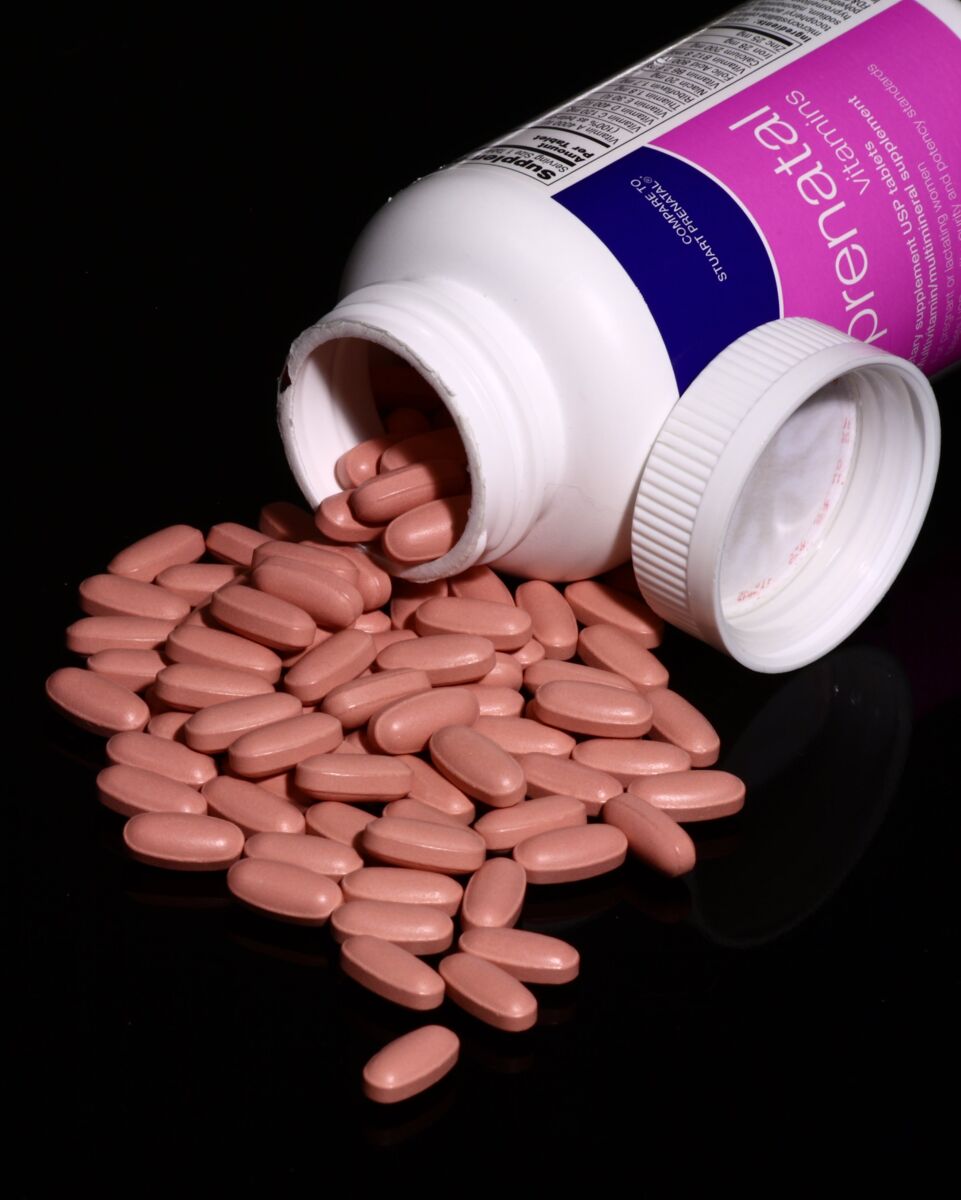
Folic acid is the one supplement nearly every guideline agrees on. Taking it before and during early pregnancy helps reduce the risk of neural tube defects such as spina bifida, which form in the first few weeks, often before a woman even knows she is pregnant. That is exactly why you start it before you conceive, not after the test turns positive.
- For most women, the commonly recommended dose is 400 micrograms (0.4 mg) of folic acid daily, started at least one month before trying and continued through the first trimester
- A higher dose may be advised if you have diabetes, epilepsy, a high BMI, or a previous pregnancy affected by a neural tube defect. Confirm the right dose with your doctor rather than self-prescribing
- A general prenatal vitamin can be a convenient way to also get iodine, vitamin D and other nutrients, but it is not a substitute for a balanced diet
You do not need the most expensive bottle on the shelf. For a fuller breakdown of what actually matters in a supplement and how to choose without overspending, see our guide to prenatal vitamins in Singapore.
Coming off contraception: what to expect
There is a lot of myth around how long it takes to get fertile again after birth control. For most methods, the answer is faster than people think.
- Combined pill, mini-pill, vaginal ring and patch: fertility usually returns quickly once you stop, often within the first cycle or two. You can start trying straight away, though some women like to wait for one natural period to make dating easier
- Hormonal IUD and copper IUD: fertility returns soon after removal by a doctor
- Implant: fertility returns shortly after it is taken out
- Contraceptive injection (Depo-Provera): this is the slow one. It can take several months, sometimes up to a year, for normal cycles and fertility to return, so plan ahead if you have been using it
It is completely normal for cycles to be a little irregular for a month or two after stopping hormonal contraception while your body resets. This does not mean anything is wrong.
Understanding your fertile window
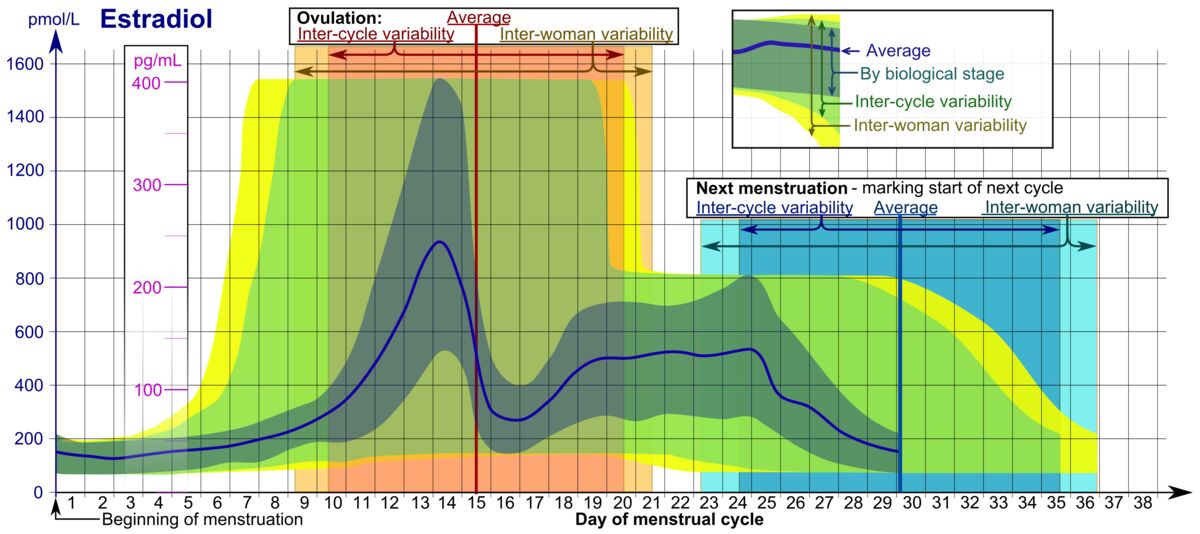
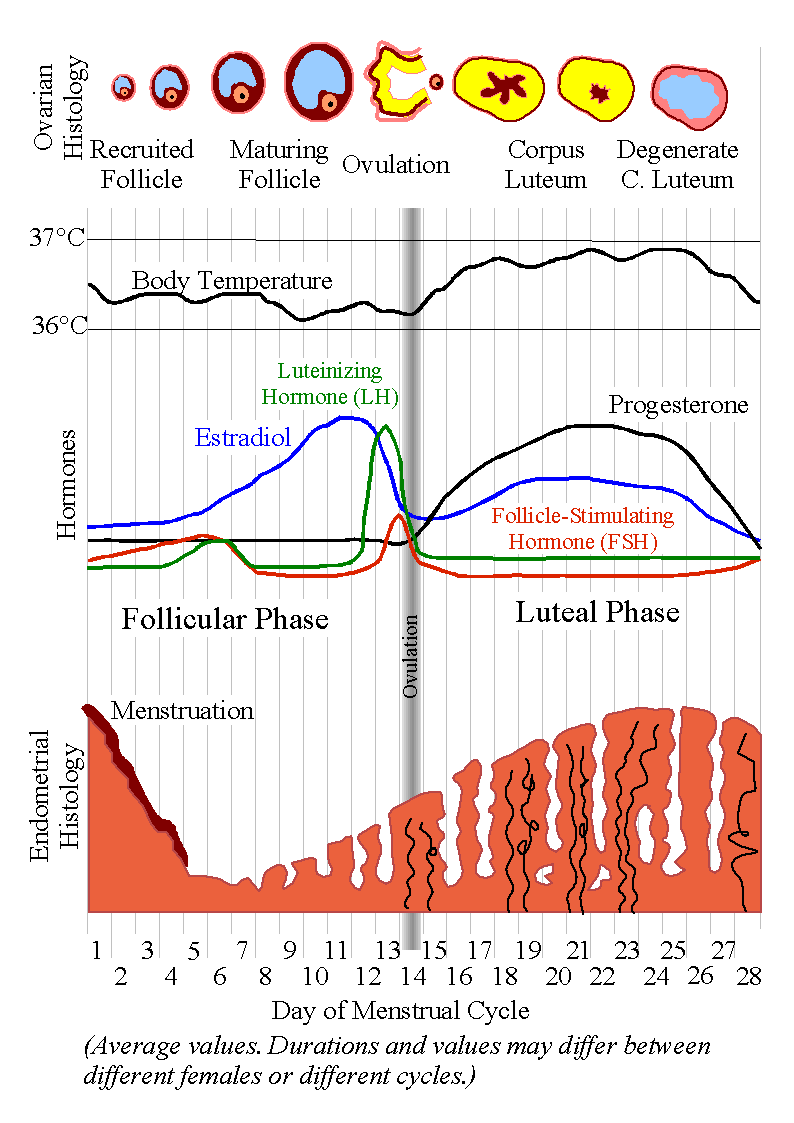
You can only conceive during a short window each cycle. An egg survives for roughly 12 to 24 hours after ovulation, while sperm can survive in the body for up to about five days. That means the fertile window is the five or so days leading up to ovulation plus the day of ovulation itself, with the highest chance in the two to three days just before.
Rather than obsessing over a single date, the simplest evidence-based advice is to have regular sex every one to two days across that window. Knowing roughly when you ovulate helps you focus your timing.
Ways to track ovulation
- Calendar tracking: in a regular 28-day cycle, ovulation tends to fall around day 14, counting from the first day of your period. Cycles vary, so this is a rough guide only
- Cervical mucus: around ovulation, discharge usually becomes clearer, wetter and stretchy, similar to raw egg white
- Ovulation predictor kits: these urine tests detect the surge in luteinising hormone that happens about a day or two before ovulation, and are widely sold in Singapore pharmacies
- Basal body temperature: your resting temperature rises slightly after ovulation. Charting it confirms that ovulation happened but does not predict it in advance
- Tracking apps: handy for logging cycles and spotting patterns, but treat their predictions as estimates, not certainties
Try not to let timing turn intimacy into a chore. Couples who relax and aim for regular sex across the fertile window generally do as well as those who micromanage every test result.
Lifestyle changes that genuinely help
Lifestyle is where you have the most direct control, and the same habits that improve your overall health also support fertility for both partners.
Diet and weight
- Aim for a balanced diet with plenty of vegetables, fruit, wholegrains, lean protein and healthy fats
- Work towards a healthy body weight before conceiving. Both a high and a very low BMI can disrupt ovulation and reduce the chance of conception, and being significantly overweight raises pregnancy risks
- There is no need for crash dieting. Steady, sustainable changes are more effective and safer
Smoking, alcohol and caffeine
- Smoking: stop if you can. Smoking is linked to reduced fertility in both women and men, and to poorer pregnancy outcomes. Vaping is not a safe substitute
- Alcohol: the safest approach when trying to conceive is to keep it minimal, and to avoid it entirely once you could be pregnant, since no safe level in pregnancy has been established
- Caffeine: moderate intake is generally considered fine, but it is sensible to keep it modest, roughly one to two cups of coffee a day, while trying
Exercise and stress
- Regular moderate exercise supports a healthy weight and wellbeing. Extreme, very intense training can disrupt cycles in some women, so aim for balance
- Trying to conceive can be stressful, and that is normal. Sleep, gentle exercise, and talking to your partner or a professional all help. While stress alone rarely stops conception, looking after your mental health matters in its own right
Male fertility counts for half the picture
It is a common mistake to treat conceiving as only the woman's job. Sperm quality contributes to roughly half of fertility outcomes, and many of the same rules apply. Men trying for a baby benefit from:
- Stopping smoking and recreational drugs, and keeping alcohol moderate
- Maintaining a healthy weight and a balanced diet
- Avoiding excessive heat to the testicles, such as very frequent hot saunas or resting a hot laptop on the lap for long periods, which can temporarily affect sperm
- Reviewing any medications or anabolic steroid use with a doctor, as some affect sperm production
If a couple has trouble conceiving, a semen analysis for the male partner is one of the first and simplest tests, and it should be done early rather than after months of investigating the woman alone.
When to see a fertility specialist
For a healthy couple having regular unprotected sex, the majority conceive within a year. As a guide, around 8 in 10 couples under 40 conceive within twelve months, and a good share of the rest within the second year. So not falling pregnant in the first few months is usually nothing to worry about. There are, however, clear age-based rules for when to seek help.
- If the woman is under 35: see a doctor after about 12 months of regular, unprotected sex without conceiving
- If the woman is 35 or older: seek advice sooner, after about 6 months, because fertility declines more steadily from the mid-thirties
- Sooner than either threshold if there are known issues such as very irregular or absent periods, previous pelvic surgery or pelvic infections, endometriosis, two or more miscarriages, or a known male-factor problem
You do not have to wait passively for that deadline to pass. If something feels off, a GP visit and a referral are reasonable at any point. In Singapore you can be referred to a public fertility centre such as the one at KK Women's and Children's Hospital, or see a private fertility specialist.
Costs and support in Singapore
Trying to conceive naturally costs little beyond supplements and the occasional ovulation kit. If you need assisted conception such as IUI or IVF, costs rise, but there is help. The Government provides co-funding for eligible couples undergoing assisted reproduction at public hospitals, and MediSave can be used to help pay for treatment within set limits. Because eligibility rules, age caps and co-funding amounts change over time, do not rely on figures you read on a forum. Check the current details on official sources before you budget.
It is also worth planning the wider financial picture early. Our guides on budgeting for a baby in Singapore and the MediSave maternity package walk through what to expect from preconception through delivery, so the money side does not catch you by surprise.
Frequently asked questions
How long does it usually take to get pregnant?
Most couples conceive within a year of regular, unprotected sex. Roughly 8 in 10 couples under 40 are pregnant within twelve months. Taking a few months is completely normal and not a sign that anything is wrong.
When should I start taking folic acid?
Start at least one month before you begin trying to conceive, and continue through the first trimester. The neural tube forms in the first few weeks, often before you know you are pregnant, which is why starting early matters. The usual dose is 400 micrograms a day, but check with your doctor if you have diabetes, epilepsy or a high BMI.
Do I need to wait after stopping the pill before trying?
No. Fertility usually returns quickly after stopping the combined pill, and you can try right away. Some women wait for one natural period to make dating easier. The contraceptive injection is the exception, as it can take several months for cycles to return.
How do I know when I am ovulating?
Watch for clear, stretchy cervical mucus, use an ovulation predictor kit to detect the hormone surge a day or two before ovulation, or track cycles in an app. In a regular 28-day cycle, ovulation is often around day 14. Having sex every one to two days across the fertile window is the simplest approach.
At what age does fertility start to drop?
Fertility is highest in your twenties and starts to decline more noticeably from the mid-thirties. This is why women aged 35 and over are advised to seek help after about six months of trying, rather than waiting a full year.
Should my partner get checked too?
Yes. Male factors account for about half of fertility difficulties. A semen analysis is a simple, early test, and the same lifestyle advice on smoking, weight, alcohol and heat applies to men.
What should I do before the baby arrives, beyond conceiving?
Once you are pregnant, look into antenatal care early. Our guides on early signs of pregnancy and antenatal classes in Singapore help you plan the next stage. You can also browse more parenthood planning guides on our blog.
A note on medical advice
This guide is general information for couples in Singapore and is not a substitute for personalised medical advice. Fertility, medication safety, supplement dosing and treatment eligibility depend on your individual health. Always speak to a qualified doctor, such as your GP or a gynaecologist, before starting or stopping any supplement, medication or treatment, and for advice tailored to your situation.

Baby Bonus and Parenthood Support in Singapore
A clear parent guide to Singapore's Baby Bonus: Cash Gift by birth order, CDA grant and dollar-for-dollar matching, Medi...
11 min read
Baby Bonus Payout Schedule in Singapore: When Each Scheme Actually Pays Out
When does Baby Bonus pay out? A clear guide to the Singapore payout schedule: Cash Gift instalments, CDA First Step and ...
9 min read