

Early Signs of Pregnancy: How to Know for Sure
In this article
- Why early symptoms are so easy to misread
- The most common early signs of pregnancy
- A rough week-by-week timeline of the earliest weeks
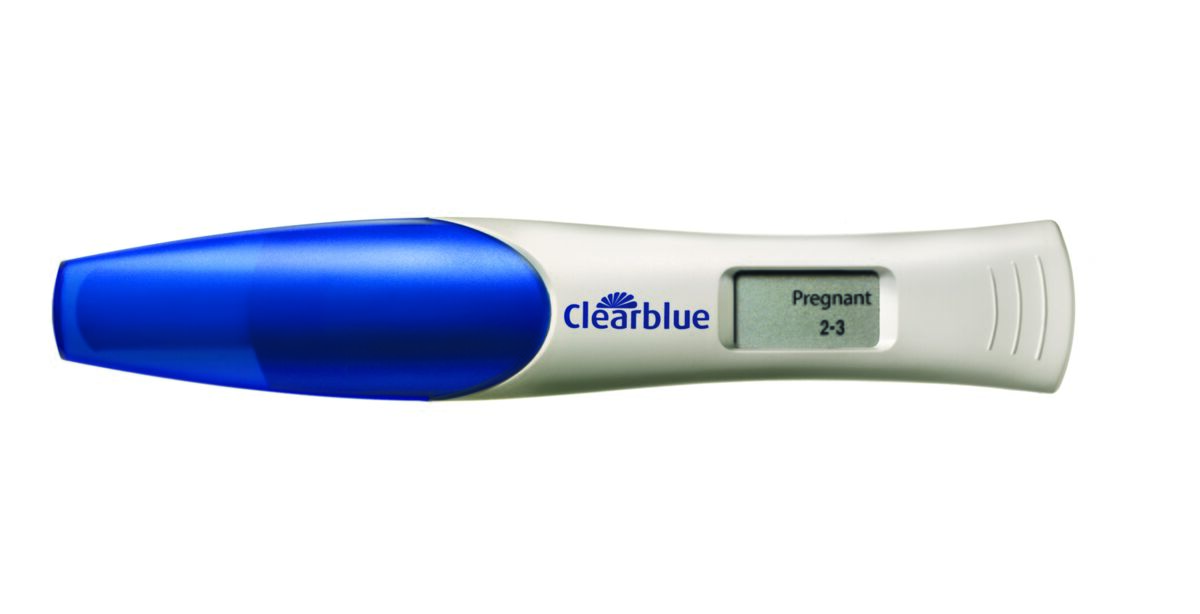
- When and how to take a home pregnancy test
- Confirming your pregnancy with a doctor
- What to do as soon as you suspect you are pregnant
- When to see a doctor urgently: red flags
- Looking after your mind, not just your body
- Frequently asked questions
If you are reading this with a slightly queasy stomach and a calendar full of question marks, you are exactly who this guide is for. The earliest signs of pregnancy are notoriously easy to confuse with pre-menstrual symptoms, stress, or simply being tired from a long week in Singapore's heat. Below we walk through what those early signals actually feel like, when a home pregnancy test will give you a reliable answer, and how to confirm things properly with a GP or O and G here. This is a calm, parent-to-parent explainer, not a diagnosis, so treat it as a starting point and let a doctor have the final word.
Why early symptoms are so easy to misread
In the first few weeks, your body is responding to a rapid rise in two hormones: human chorionic gonadotropin (hCG), which is produced after a fertilised egg implants, and progesterone. These same hormones drive symptoms that look almost identical to the days before your period: sore breasts, fatigue, mood swings, and mild cramping. That is why so many women in Singapore spend the dreaded two-week wait convinced they are both definitely pregnant and definitely not, sometimes within the same hour. Symptoms also vary enormously from person to person and from one pregnancy to the next. Some women feel nothing at all until their period is clearly late; others notice changes within days. Neither pattern is more normal than the other.
The most common early signs of pregnancy
Here are the signals women most often notice in the first month or two. Think of them as clues, not proof. You may experience several, one, or none.
A missed or late period
For most women with a fairly regular cycle, a missed period is the clearest and earliest practical sign worth acting on. It is the trigger to take a home test. That said, periods can be delayed by stress, travel, illness, weight changes, and conditions such as polycystic ovary syndrome, so a late period alone is not confirmation. If your cycles are irregular, this clue is less reliable and a test becomes even more useful.
Implantation spotting
Around the time your period is due, some women notice very light pink or brown spotting that lasts a day or two. This can happen when the fertilised egg implants into the lining of the uterus. It is typically much lighter than a normal period and stops on its own. Not everyone experiences it, and its absence means nothing. Heavy bleeding, on the other hand, is not implantation spotting and should prompt a call to a doctor.
Breast tenderness and changes
Tender, swollen, or tingling breasts are one of the earliest hormonal responses. You may notice the area around the nipple (the areola) darkening or the veins becoming more visible. Many women describe it as a more intense version of the breast soreness they get before their period.
Nausea, with or without vomiting
Despite the name, morning sickness can strike at any time of day or all day. It often appears a few weeks in rather than right at the start, and certain smells (hawker centre cooking, coffee, fried food) can suddenly become unbearable. If it sets in, our guide to morning sickness remedies in Singapore has practical, locally relevant tips for getting through it.
Fatigue that feels different
Early pregnancy fatigue is often described as a bone-deep tiredness, driven largely by rising progesterone. You might find yourself needing a nap after lunch or struggling through a workout you would normally breeze through.
Needing to pee more often
Increased blood flow to your kidneys and hormonal changes can send you to the toilet more frequently, sometimes within the first couple of weeks. In Singapore's climate it is easy to blame this on how much water you are drinking, so look at it alongside your other signs.
Other signals women report
- Mild cramping or a heavy, dragging sensation low in the abdomen, similar to period cramps
- Heightened sense of smell, where everyday odours become overpowering
- Food cravings or aversions, sometimes for things you usually love
- A metallic taste in the mouth
- Bloating and mild constipation
- Mood swings, weepiness, or irritability
- Light-headedness or dizziness, especially when standing up quickly
- A slightly raised basal body temperature that stays up after your period is due (only relevant if you already track it)
A rough week-by-week timeline of the earliest weeks
Pregnancy is dated from the first day of your last menstrual period, not from conception, which is why you can be considered four weeks pregnant only about two weeks after the egg is fertilised. Here is a general sense of how the earliest weeks tend to unfold. Every body is different, so treat these as broad patterns rather than a checklist.
- Weeks 1 to 2: Counted from your last period. Conception has not yet happened or is just occurring. You will not feel pregnant because, technically, you are not yet.
- Week 3: Fertilisation and the start of implantation. Some women notice light implantation spotting around now.
- Week 4: Your period is due or just missed. hCG levels are rising enough that a home test may start to detect them. Breast tenderness and fatigue can begin.
- Weeks 5 to 6: Nausea, food aversions, frequent urination, and tiredness often become more noticeable. This is when many women take and confirm a positive test.
- Weeks 7 to 8: Symptoms frequently peak. This is a sensible window to have booked your first proper check with an O and G.
If you want a fuller, trimester-by-trimester picture once you have confirmed your pregnancy, our pregnancy week-by-week guide for Singapore walks through what to expect at each stage.
When and how to take a home pregnancy test
Home urine tests detect hCG, the hormone produced after implantation. Because hCG takes time to build up to detectable levels, timing matters a great deal for accuracy.
- Test from the first day of your missed period for the most reliable result. Testing too early is the single most common reason for a false negative.
- Use your first morning urine when possible, as hCG is most concentrated then.
- Read the result within the time window stated in the instructions, and do not interpret a line that appears much later.
- If you get a negative result but your period still has not arrived after a few days, test again. Levels rise quickly in early pregnancy, so a result can flip from negative to clearly positive within days.
- A faint line usually still counts as positive, but repeat the test in a couple of days to be sure.
Home pregnancy test kits are widely available in Singapore at pharmacies such as Guardian, Watsons, and Unity, as well as supermarkets and online. They are inexpensive and, when used correctly after a missed period, are highly accurate. Prices and brands vary, so check in store rather than relying on any figure quoted online.
Confirming your pregnancy with a doctor
A positive home test is a strong signal, but it is not the end of the process. The next step is to see a doctor to confirm the pregnancy and begin antenatal care. In Singapore you have a few sensible routes.

Start with a GP or polyclinic
Many women begin with their family GP or a polyclinic, where a doctor can confirm the pregnancy with a urine or blood test and give early advice. Polyclinics under SingHealth and the National Healthcare Group offer subsidised first-trimester care and can refer you onward to a restructured hospital such as KK Women's and Children's Hospital (KKH) or National University Hospital (NUH).
Booking an O and G
For private care, or to choose your own specialist from the start, you can book directly with an obstetrician and gynaecologist (commonly called an O and G or gynae). Your first antenatal visit usually involves confirming the pregnancy, dating it with an ultrasound scan, checking your health history, and starting you on the right supplements. If you are weighing up private versus restructured hospital care and how to pick the right doctor, our guide on how to choose a gynae in Singapore breaks down the decision.
There is no need to panic about booking on day one of your positive test. A reasonable window for the first proper appointment is around weeks 6 to 8, which gives the early pregnancy time to develop enough to be seen clearly on a scan. If you have any red-flag symptoms (covered below), do not wait for that window: seek care promptly.
What to do as soon as you suspect you are pregnant
Even before your first appointment, a few simple steps protect your health and your baby's.
- Start a folic acid supplement. Singapore's Health Promotion Board advises women planning or in early pregnancy to take folic acid daily to help prevent neural tube defects, ideally from before conception. If you have not started, begin now and confirm the right dose with your doctor.
- Stop smoking and avoid alcohol entirely.
- Be mindful of food safety. Certain foods carry a higher risk in pregnancy, and our guide to foods to avoid during pregnancy in Singapore covers the local specifics.
- Review any medications, supplements, or traditional remedies with a pharmacist or doctor before continuing them.
- Keep caffeine moderate and stay well hydrated, which matters more than usual in our climate.
If you have been actively trying, you may already have a head start on some of this. Our guide to eating well in pregnancy in Singapore goes deeper into building a balanced plate once you are confirmed, and many couples find it helpful to look into antenatal classes in Singapore a little later in the pregnancy.
When to see a doctor urgently: red flags
Most early pregnancies progress without drama, but some symptoms need prompt medical attention rather than a wait-and-see approach. Contact a doctor, go to a clinic, or attend a hospital emergency department if you experience any of the following while pregnant or possibly pregnant.
- Heavy vaginal bleeding, especially with clots, or bleeding that soaks a pad
- Severe or one-sided abdominal pain, which can be a sign of an ectopic pregnancy (where the pregnancy develops outside the uterus) and is a medical emergency
- Severe, persistent vomiting that stops you keeping down food or fluids, which can lead to dehydration
- Fainting, severe dizziness, or shoulder-tip pain
- Fever, chills, or burning when you pee that does not settle
- Sudden, severe pain combined with feeling faint
Looking after your mind, not just your body
The early weeks can be an emotional rollercoaster, whether the pregnancy is planned, a surprise, or hard-won after a long journey. Anxiety during the first trimester is extremely common, particularly for anyone who has experienced a previous loss. Be gentle with yourself, lean on a trusted partner, friend, or family member, and remember that worry does not mean anything is wrong. If anxiety or low mood is overwhelming, your doctor can help and there is no shame in asking.
Frequently asked questions
How early can I take a pregnancy test in Singapore?
For the most reliable result, test from the first day of your missed period. Some sensitive kits claim to detect pregnancy a few days earlier, but testing too soon raises the chance of a false negative because hCG has not yet built up. If you get a negative result and your period still does not arrive, test again a few days later.
Can I have pregnancy symptoms but a negative test?
Yes. Early symptoms overlap heavily with pre-menstrual changes, and if you test before hCG is detectable you can feel pregnant yet see a negative result. If symptoms continue and your period is late, retest after a few days. If you keep getting negatives but your period does not come, see a doctor to investigate.
Is light spotting in early pregnancy normal?
Light implantation spotting around the time your period is due can be normal and usually stops on its own. However, heavier bleeding, bleeding with pain, or anything that worries you should be checked by a doctor, as it can sometimes indicate a problem that needs attention.
Should I see a GP or go straight to an O and G?
Both are valid. A GP or polyclinic can confirm the pregnancy and refer you, which keeps costs lower and is a good first step. If you prefer to choose your own specialist or want private care, you can book directly with an O and G. Either way, aim for your first proper antenatal appointment around weeks 6 to 8 unless you have any urgent symptoms.
When does morning sickness usually start?
It commonly begins around weeks five to six and often peaks a few weeks later before easing for many women in the second trimester. It can occur at any time of day. If you cannot keep food or fluids down, see a doctor, as severe vomiting needs treatment.
I have irregular periods. How will I know?
A missed period is a less useful clue when your cycle is unpredictable, so rely more on other symptoms and on testing. If you suspect pregnancy, take a home test, and if you are unsure or your cycle makes timing difficult, a doctor can confirm with a blood test and an early scan.
Do I need folic acid before I confirm the pregnancy?
Ideally yes. Health authorities in Singapore recommend folic acid from before conception and through early pregnancy to help prevent neural tube defects. If you only start once you find out, begin as soon as you can and confirm the right dose with your doctor or pharmacist.
For more practical, Singapore-specific pregnancy and parenting guides, browse the full Fussy Mama blog. And remember: this article is general information, not medical advice. Every pregnancy is different, so please confirm anything that concerns you with your own GP or O and G.


Antenatal Classes in Singapore: A First-Time Parent's Guide
Antenatal classes in Singapore explained: what prenatal classes cover, KKH/NUH/Thomson options, when to start, costs, an...
10 min read
Writing a Birth Plan in Singapore: A Flexible Guide for Mums-to-Be
How to write a flexible birth plan in Singapore: pain relief, birth positions, skin-to-skin, vitamin K, C-section and po...
9 min read
Breast cancer in pregnancy in Singapore: a calm, careful guide
A gentle, factual guide to breast cancer in pregnancy in Singapore: how it is diagnosed and treated safely, and where to...
9 min read