

Prenatal Checkups and Scans in Singapore: The Complete Schedule
In this article
- Why antenatal care matters and how often you will go
- First trimester (weeks 1 to 12): confirming and dating
- Screening versus diagnostic tests: knowing the difference
- Second trimester (weeks 13 to 28): the detailed anomaly scan
- Third trimester (weeks 29 to delivery): growth and the home stretch
- Subsidised versus private care: how to choose
- What to bring and how to prepare for a visit
- Frequently Asked Questions
The moment that second line appears, the very next thought for most Singapore mums-to-be is practical: what happens now, and when do I need to be where? Antenatal care here follows a fairly predictable rhythm of consultations, scans and tests, but the exact timing, the menu of optional screening, and what you pay all shift depending on whether you go subsidised or private. This guide is built specifically around the schedule itself, what each visit, scan and test is actually for, and how to read the difference between routine tests and optional screening. If you want the bigger picture of how your body and baby change along the way, our pregnancy week-by-week guide covers that journey, and this one stays focused on the checkups.

Why antenatal care matters and how often you will go
Antenatal care exists to catch the quiet problems early, the ones that show no symptoms until they are serious. A reading of your blood pressure and a quick urine test at most visits is how conditions like pre-eclampsia get spotted before they put you or baby at risk. Tracking your bump and baby's heartbeat is how slow growth gets noticed in time to act. None of it feels dramatic in the moment, which is exactly why it works.
For a healthy, low-risk pregnancy in Singapore, you can expect roughly 8 to 10 antenatal visits across the whole journey. The typical cadence is about once a month up to around 28 weeks, then roughly every two weeks until about 36 weeks, then weekly through the final stretch until your baby arrives. Treat that as a guide rather than a fixed rule. If anything needs closer watching, such as your age, a previous complication, carrying twins, raised blood pressure or gestational diabetes, your team will see you more often and add extra scans. Your doctor will tailor your schedule to you.
Most visits look similar and move quickly: a urine test, blood pressure, your weight, and after the early weeks, a listen to baby's heartbeat and a check of the size and position of your bump. These short, repetitive checks are doing real work, so it is worth keeping every appointment.
First trimester (weeks 1 to 12): confirming and dating
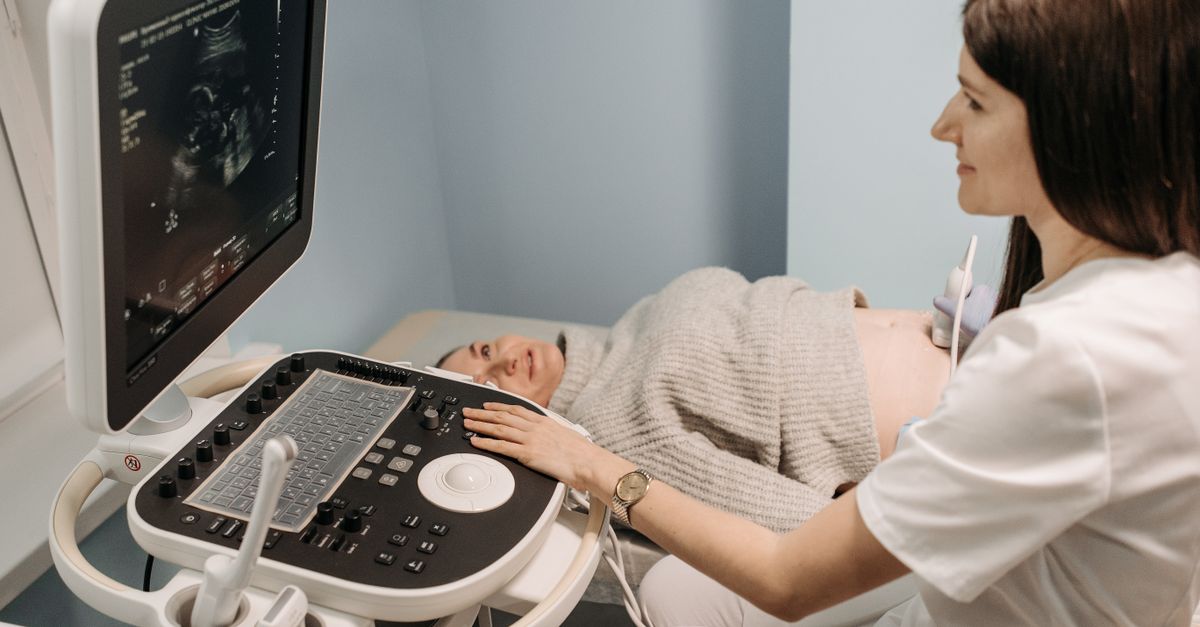
Your first proper antenatal appointment usually lands somewhere between weeks 6 and 10. The centrepiece of these early weeks is the dating scan, also called a viability scan, typically done from around weeks 8 to 12. It measures the embryo to work out how many weeks along you are, confirms a heartbeat, and checks whether you are carrying one baby or more. Getting an accurate due date here matters more than it might seem, because the timing of nearly every later test is calculated from it.
This trimester also brings your first round of routine antenatal blood tests, often called the booking bloods. These establish a baseline and screen for things your team needs to know early.
- Blood group and Rhesus status, which matters for the anti-D arrangements later if you are Rhesus negative.
- Full blood count, to check for anaemia.
- Thalassaemia screening, a meaningful concern across Singapore's population.
- Rubella immunity, so your team knows whether you are protected.
- Hepatitis B, HIV and syphilis, so that any needed steps to protect baby can be planned.
None of this is about labelling you as high-risk. It is simply the groundwork that lets your team keep you and baby safe through the rest of the pregnancy. Your clinic may also discuss recommended vaccinations around this time.
First-trimester Down syndrome screening (weeks 11 to 14): optional
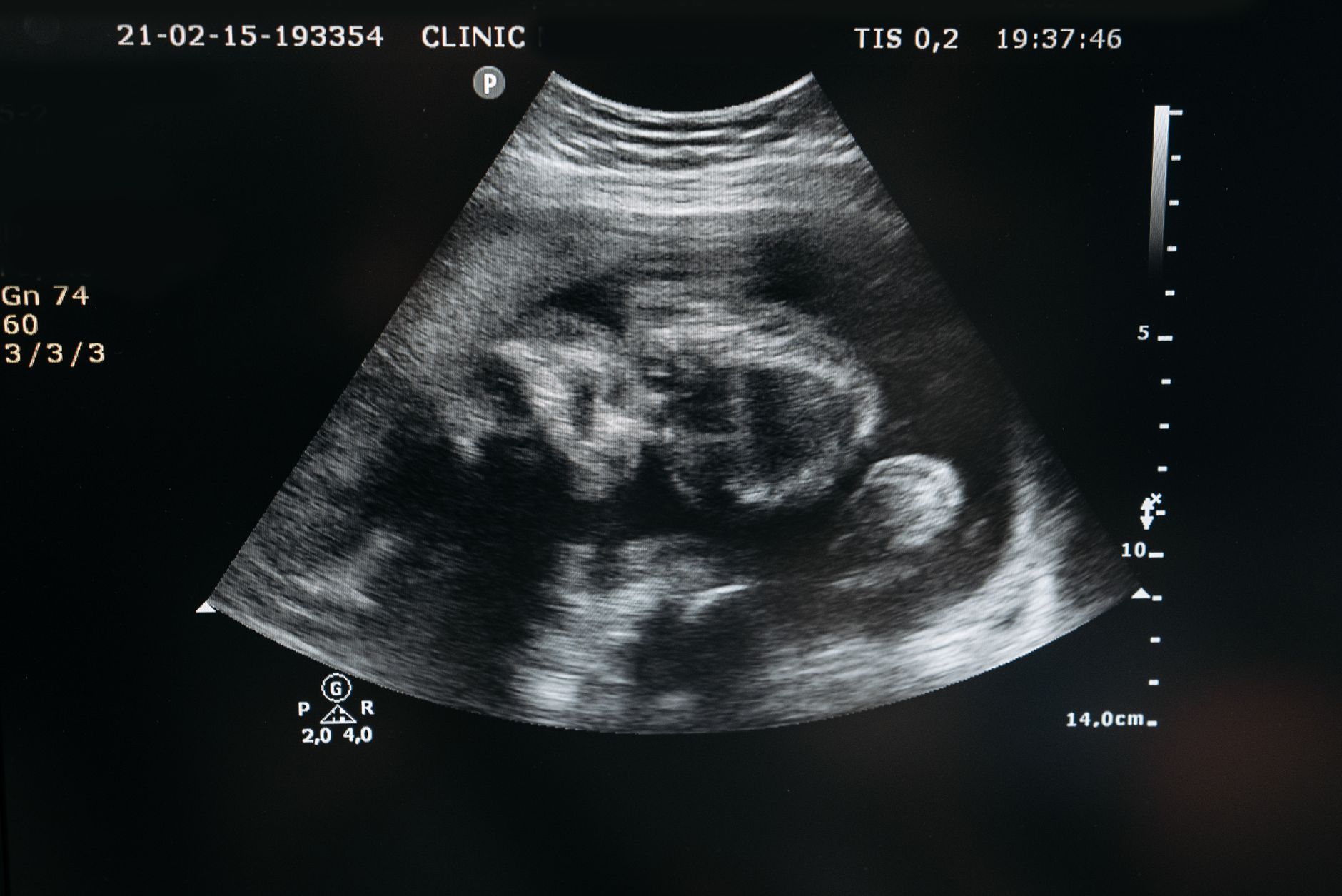
Between roughly weeks 11 and 14 you will be offered optional first-trimester screening for chromosomal conditions. The common combined version pairs a maternal blood test with an ultrasound that measures the fluid at the back of baby's neck, known as the nuchal translucency. Together these produce a risk estimate for conditions such as Down syndrome. Some clinics offer this as a one-stop assessment so the scan and blood draw happen in a single visit.
Here is the part worth understanding clearly. This is a screening test, which means it gives a probability, not an answer. A higher-risk result does not mean something is definitely wrong, it means your doctor may talk through further options with you. Another optional choice is NIPT, a more sensitive maternal blood test that analyses fragments of baby's DNA in your bloodstream, which can be done from around 10 weeks. Screening is entirely optional, and the right call is a personal one to make with your obstetrician.
Screening versus diagnostic tests: knowing the difference
This distinction trips up a lot of parents, so it is worth pausing on. A screening test, such as the combined first-trimester test or NIPT, estimates the chance that a condition is present. It cannot confirm or rule anything out on its own. A diagnostic test, by contrast, gives a definite answer.
If a screening result comes back higher-risk, your doctor may offer a diagnostic test such as chorionic villus sampling, usually done in the first trimester, or amniocentesis, usually done in the second. These take a small sample directly and are definitive, but because they are invasive they carry a small procedure-related risk. They are offered, not imposed, and whether to proceed is a decision you make together with your obstetrician after weighing what the result would mean for your family. Plenty of parents decline further testing, and that is a valid choice too.
Second trimester (weeks 13 to 28): the detailed anomaly scan
The milestone most couples look forward to is the fetal anomaly scan, usually done around weeks 18 to 21 and often called the 20-week scan. It is a detailed head-to-toe examination of your baby, checking the brain, heart, spine, kidneys, limbs, face and other structures, along with the position of the placenta and the level of amniotic fluid. For many parents this is the scan where pregnancy suddenly feels real, and it is often when you can find out the sex if you want to.
Set aside more time and a little emotional bandwidth for this one. It is thorough, baby is not always positioned helpfully, and the sonographer may ask you to walk around or come back another day to capture every view. A clear scan is genuinely reassuring, but it is worth remembering that ultrasound cannot detect everything, and a normal result is not an absolute guarantee.
Somewhere around weeks 24 to 28 you will usually have a second batch of blood tests, including the oral glucose tolerance test that screens for gestational diabetes. This involves fasting beforehand, then a sugary drink, with blood taken at set intervals. Your blood pressure and a urine test continue at these visits too, keeping an eye out for gestational hypertension. If gestational diabetes is picked up, it is very manageable, usually starting with diet, and our gestational diabetes diet guide walks through the practical side.
Third trimester (weeks 29 to delivery): growth and the home stretch
In the third trimester the attention turns to growth scans, which estimate baby's weight, check the amniotic fluid and blood flow, and confirm whether baby is head-down. If there is any question about growth being too small or too large, or about baby's position, your team may add further scans. A few specific things commonly happen in this window.
- Anti-D (Rhogam): if you are Rhesus negative, an injection is typically given around 28 weeks to protect against complications in this and future pregnancies.
- Group B Strep (GBS) swab: a vaginal-rectal swab usually done around weeks 35 to 37, which guides whether you will need antibiotics during labour.
- More frequent monitoring: visits move to fortnightly, then weekly, with closer attention to blood pressure, baby's movements and your wellbeing as you approach your due date.
The conversations turn practical now too: birth preferences, the signs that labour is starting, when to head in, and pre-registration for delivery. This is the moment to get your hospital bag sorted and your route to the hospital clear. Our hospital bag checklist and signs of labour guide are handy to read before you reach 37 weeks.
Subsidised versus private care: how to choose
Singapore gives you genuinely good options at every budget, and the core decision is subsidised public care versus a private obstetrician. The medical schedule above stays broadly the same across both routes, so the real differences are continuity, flexibility and cost.
- Polyclinic (shared care): many mums begin antenatal care at a polyclinic, which handles routine checks and early bloods, then refers you to a public hospital for scans and delivery. A polyclinic or GP referral is generally needed to access subsidised rates.
- Public hospital, subsidised (KKH or NUH): as a subsidised patient you are cared for by a team rather than one named doctor, so you may see different obstetricians across visits. This is the most cost-effective hospital route and is well supported by MediSave for delivery.
- Private (public or private hospital): you choose and stay with one named obstetrician throughout, with more flexible appointment timing and continuity of care. This costs more, and packages and add-on scans vary widely, so read the inclusions carefully.
There is no single right answer. Continuity with one doctor matters enormously to some mums, while cost and the reassurance of a large public hospital's neonatal facilities matter more to others. If you are still weighing the decision, our guide on how to choose a gynae in Singapore goes deeper into what to look for.
How MediSave helps

A meaningful chunk of pregnancy and delivery costs can typically be paid from MediSave. The MediSave Maternity Package is designed to help with pre-delivery expenses such as antenatal checkups and scans, as well as the delivery itself, subject to limits and conditions set by the authorities. Because the exact amounts and rules do change, check the official details before assuming what is covered. Our MediSave Maternity Package guide breaks down how it works.
What to bring and how to prepare for a visit
- Your appointment card or HealthHub app, identity document, and any referral letter.
- A written list of questions, because it is easy to forget them once you are in the room.
- Comfortable clothing with easy belly access for scans.
- For the glucose tolerance test, follow the fasting instructions your clinic gives you beforehand.
- A snack and some water for after blood draws or the glucose test, plus your partner or a support person if you can bring one.
One last reminder that bears repeating: keep all your appointments. Even an uneventful visit confirms that things are on track, and the routine checks are precisely how problems get caught while they are still easy to manage. Related reading: our guides to gestational diabetes testing and management, expecting twins and planning a gender reveal.
Frequently Asked Questions
How many scans will I get in a normal pregnancy in Singapore?
Most low-risk pregnancies include a dating scan in the first trimester, the detailed fetal anomaly scan at around 18 to 21 weeks, and one or more growth scans in the third trimester. Optional first-trimester screening adds an extra nuchal translucency scan around weeks 11 to 14. Your exact number depends on your hospital, whether you are subsidised or private, and whether anything needs closer monitoring. Your doctor will tailor this to you.
How many antenatal visits should I expect?
A healthy, low-risk pregnancy usually involves around 8 to 10 visits in total, typically monthly up to about 28 weeks, then roughly every two weeks until about 36 weeks, then weekly until delivery. If your pregnancy needs closer watching, your care team will add more. This is a typical pattern, not a fixed rule, and your obstetrician sets your personal schedule.

Is Down syndrome screening or NIPT compulsory?
No. First-trimester screening and NIPT are both optional. They estimate the chance of conditions such as Down syndrome rather than diagnosing them. Your obstetrician can talk you through the differences, the costs, and what a result would and would not tell you, so you can decide what is right for your family. Declining is a valid choice.
What is the difference between a screening test and a diagnostic test?
A screening test, like combined first-trimester screening or NIPT, estimates the probability that a condition is present, but cannot confirm it. A diagnostic test, such as chorionic villus sampling or amniocentesis, gives a definite answer by taking a direct sample, though it carries a small procedure risk. Diagnostic tests are usually offered only if screening shows a higher risk, and whether to have one is decided together with your doctor.
Do I need a referral to get subsidised antenatal care?
Generally yes. To access subsidised rates at a public hospital such as KKH or NUH you usually need a referral from a polyclinic or GP. Private patients can book directly with an obstetrician without a referral. Because processes and eligibility can change, confirm the current requirements with the hospital or HealthHub before your first appointment.
Can I use MediSave for prenatal checkups and scans?
Yes, within limits. MediSave can be used towards delivery costs, and the MediSave Maternity Package is designed to help cover pre-delivery expenses such as antenatal checkups and tests, subject to limits and conditions. The exact amounts and rules are set by the authorities and do change, so check the official MediSave and HealthHub pages before assuming what you can claim.
What happens if a scan or test result is abnormal?
Try not to panic. Many flagged results turn out to be minor or resolve on their own, and a higher-risk screening result is not a diagnosis. Your obstetrician will explain what the finding means, whether any further test is worthwhile, and what your options are. The right next step is always a conversation with your doctor, who can interpret the result in the full context of your pregnancy.


Antenatal Classes in Singapore: A First-Time Parent's Guide
Antenatal classes in Singapore explained: what prenatal classes cover, KKH/NUH/Thomson options, when to start, costs, an...
10 min read
Writing a Birth Plan in Singapore: A Flexible Guide for Mums-to-Be
How to write a flexible birth plan in Singapore: pain relief, birth positions, skin-to-skin, vitamin K, C-section and po...
9 min read
Breast cancer in pregnancy in Singapore: a calm, careful guide
A gentle, factual guide to breast cancer in pregnancy in Singapore: how it is diagnosed and treated safely, and where to...
9 min read