

Prenatal Vitamins in Singapore: What to Take and When

In this article
- Why supplements matter during pregnancy
- The key nutrients and what each one does
- Timing: preconception versus each trimester
- Food first: getting nutrients from your plate
- How to choose a prenatal (and what to look for)
- What to avoid
- Managing side effects
- Ask your doctor - throughout
- Frequently Asked Questions
Walk into any pharmacy in Singapore and the prenatal shelf can feel overwhelming - rows of bottles promising to do everything for your baby. The honest truth is that most healthy mums-to-be only need a handful of key nutrients, and the single most important one costs just a few dollars. This guide breaks down what prenatal vitamins actually do, which nutrients matter most, when to start each one, and how to choose sensibly with your doctor or pharmacist. It is written for women who are planning a pregnancy, newly pregnant, or simply trying to make sense of conflicting advice. This is general information, not medical advice - your own doctor or pharmacist should guide your specific supplements and doses, and you should never start or stop a supplement based on an article alone.
Why supplements matter during pregnancy
Pregnancy raises your need for several nutrients well above what most everyday diets reliably provide. Your body is building a placenta, expanding your blood volume, and growing a baby from scratch, all of which draw heavily on your reserves. A good diet should always come first, but a few targeted supplements act as insurance for the nutrients that are hardest to get in the right amounts - and for one of them, folic acid, the protective window opens before many women even know they are pregnant.
It helps to think of prenatal supplements as filling specific gaps rather than as a magic tonic. They are not a substitute for eating well, attending your check-ups, or following your gynae's advice. If you are still mapping out your antenatal journey, our guide to prenatal check-ups and scans in Singapore explains how supplement reviews fit into your routine appointments.
The key nutrients and what each one does
Most prenatal needs come down to six nutrients. Below is what each does and a general amount as guidance only - your doctor may adjust these based on blood tests, your diet, and your medical history.
Folic acid - the non-negotiable one
Folic acid (folate) helps your baby's neural tube - the early structure that becomes the brain and spinal cord - close properly in the first weeks. Adequate intake reduces the risk of neural tube defects such as spina bifida. General guidance is at least 400 micrograms daily, ideally started before conception when you are planning a pregnancy and continued through roughly the first 12 weeks. Because the neural tube forms very early, often before a positive test, starting beforehand is what makes folic acid so powerful. Some women - for example those with a higher risk, a previous affected pregnancy, certain medical conditions, or specific medications - may be advised to take a much higher dose, but only on a doctor's recommendation. Do not increase the dose on your own.
DHA (omega-3) for brain and eye development
DHA is an omega-3 fatty acid that supports your baby's developing brain and eyes, particularly later in pregnancy. A commonly suggested amount is around 200 to 300 mg of DHA daily. You can get it from oily fish, though in Singapore you also need to be mindful of mercury - see our notes on foods to avoid during pregnancy in Singapore for which fish to limit. If you do not eat much fish, or you are vegetarian, an algae-derived DHA supplement is a plant-based alternative worth asking your doctor about.
Iron to support your growing blood volume
Your blood volume expands significantly in pregnancy, and iron is needed to make the extra red blood cells that carry oxygen to you and your baby. Low iron is common and can cause tiredness, breathlessness, and anaemia. Iron is often recommended or prescribed during pregnancy, and the amount is typically guided by your blood test results rather than a one-size-fits-all dose. Iron is best absorbed away from calcium, dairy, tea, and coffee, so space it apart from those by a couple of hours.
Calcium and vitamin D for bones
Calcium supports your baby's developing bones and teeth while protecting your own bone density, since your baby will draw calcium from you. Vitamin D helps your body absorb that calcium and supports healthy pregnancy outcomes. These two work as a pair and are commonly recommended or prescribed, with vitamin D in particular often guided by a doctor. One practical rule: take calcium apart from iron, because each interferes with how well the other is absorbed.
Iodine for thyroid and brain development
Iodine supports your thyroid, which in turn supports your baby's brain development. Needs rise in pregnancy, and many prenatal multivitamins already include it. If you use non-iodised salt or eat little seafood and dairy, mention it to your doctor so they can check whether you are getting enough.
Timing: preconception versus each trimester
Supplements are not all started at the same time, and getting the timing right matters more than the brand on the bottle.
- When planning (preconception): Begin folic acid before you conceive - ideally a few months ahead - so your levels are already topped up when the neural tube forms. This is the window that catches the most benefit.
- First trimester (weeks 1 to 12): Continue folic acid throughout. Many women keep things simple here, especially if nausea makes larger tablets hard to stomach.
- Second and third trimesters: This is when a fuller prenatal multivitamin, plus DHA, iron, calcium and vitamin D as advised, typically comes in, supporting your baby's rapid growth and your expanding blood volume. Your doctor will tailor iron and vitamin D to your blood results.
As your pregnancy progresses and your needs shift, it is worth following along with our pregnancy week-by-week guide for Singapore so you know what to expect at each stage and which questions to raise at your appointments.
Food first: getting nutrients from your plate
Supplements fill gaps, but food remains your foundation. Singapore's variety of cuisines makes it easy to eat for these nutrients if you know what to reach for.
- Folate: dark leafy greens like kai lan and spinach, broccoli, beans, lentils, and fortified cereals.
- DHA: lower-mercury oily fish such as salmon and sardines, plus eggs; algae for plant-based eaters.
- Iron: lean red meat, chicken, fish, tofu, dark greens and legumes - pair plant sources with vitamin C, like a squeeze of lime, to boost absorption.
- Calcium: milk, yoghurt, cheese, calcium-set tofu (tau kwa), and leafy greens.
- Vitamin D: some sunlight exposure plus eggs and fortified milk; many people here still fall short, so it is worth discussing.
- Iodine: iodised salt, seafood, eggs and dairy.
If you are still building healthy habits, our guide to eating well in pregnancy in Singapore goes deeper on balanced local meals.
How to choose a prenatal (and what to look for)
A prenatal multivitamin is convenient because it combines several nutrients in one tablet, sparing you a fistful of separate pills. But more is not better, and the right product depends on you. Here is how to choose sensibly.
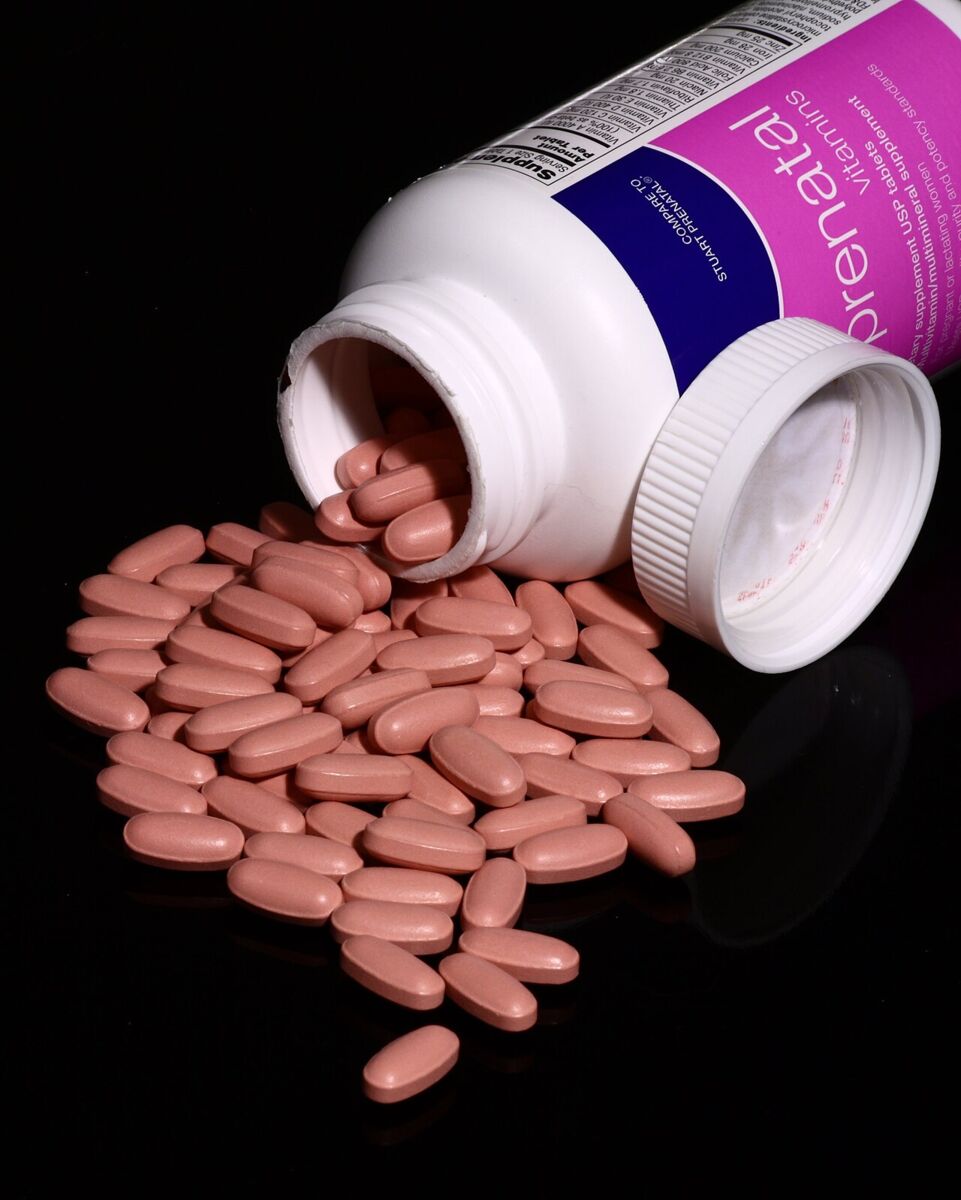
- Talk to your doctor or pharmacist first. Needs are individual - your blood results, diet, and history all matter. Before buying any over-the-counter prenatal, ask whether it suits you.
- Check the folic acid. Confirm it provides at least 400 micrograms, especially early on.
- Look at what is already inside. If your multivitamin already contains DHA, iron or iodine, you may not need separate supplements - doubling up risks excess.
- Mind the form and size. If big tablets trigger nausea, ask about smaller tablets, capsules, or splitting your nutrients across the day.
- Vegetarian or vegan? Ask about B12, zinc, iron and algae-based DHA, since these are harder to get from a plant-based diet.
- Be wary of unregulated products. Avoid imported or homemade blends with vague ingredient lists or added herbs, which may be unsafe in pregnancy.
What to avoid
A few things can do more harm than good, so they are worth flagging clearly.
- High-dose vitamin A (retinol): too much can harm your baby's development. Avoid high-dose vitamin A supplements and check that any product you take is within safe limits.
- Doubling up: taking a multivitamin plus several separate supplements can push you over safe amounts. As a rule, do not exceed 100 percent of the recommended daily amount of any nutrient unless your doctor advises it.
- Herbal or unverified products: some traditional tonics and herbs are not safe in pregnancy. Check with a doctor or pharmacist before taking anything new.
- Self-prescribed high doses: higher-dose folic acid or iron should only be taken on professional advice.
Managing side effects
Supplements sometimes cause mild, manageable side effects. None of these usually mean you have to stop - but always check with your doctor before changing anything.
- Constipation (often from iron or calcium): drink more water, eat more fibre, and stay active. Ask your doctor about a gentler iron form if it is troublesome.
- Dark stools from iron: harmless and expected - not a cause for concern.
- Nausea, especially in early pregnancy: try taking supplements with food, or at night before bed, rather than on an empty stomach.
- Fishy aftertaste or burping from DHA: taking it with meals or trying a different formulation can help.
If nausea is making supplements hard to keep down generally, our guide to common pregnancy discomforts by trimester has practical coping tips for each stage.
Ask your doctor - throughout
The single best habit is to treat your doctor and pharmacist as your supplement guides from start to finish. Bring your current bottles to appointments so they can check for overlap, review your blood results to fine-tune iron and vitamin D, and answer questions before you buy anything new. Supplement needs genuinely differ from woman to woman, and what suits a friend may not suit you. For more general resources to plan your pregnancy, browse the Fussy Mama pregnancy blog. Related reading: our guides to trying to conceive in Singapore and ovulation and your fertile window.
Frequently Asked Questions
When should I start taking prenatal vitamins?
If you are planning a pregnancy, start folic acid before you conceive - ideally a few months ahead - because the neural tube forms in the very early weeks. A fuller prenatal multivitamin and other nutrients are usually added once pregnancy is confirmed and as advised by your doctor. If your pregnancy was unplanned, start folic acid as soon as you find out and speak to a doctor promptly.
Do I need a prenatal multivitamin if I eat well?
A good diet is the foundation, but folic acid in particular is hard to get in adequate amounts from food alone in the critical early window, so a supplement is still recommended. Whether you need a full multivitamin on top depends on your diet, blood results and history - ask your doctor what is right for you.
Can I just buy prenatal vitamins over the counter without seeing a doctor?
Over-the-counter prenatals are widely available, but it is best to check with a doctor or pharmacist first because needs are individual and it is easy to take too much or to double up on nutrients. They can also flag anything in a product that is not suitable for pregnancy.
Why do I have to take iron and calcium separately?
Calcium and iron compete for absorption, so taking them together means your body absorbs less of each. Spacing them a couple of hours apart - and keeping iron away from tea, coffee and dairy - helps both work better.
Is too much vitamin A dangerous in pregnancy?
High doses of vitamin A in the form of retinol can harm a baby's development, so high-dose vitamin A supplements should be avoided. Check that any product you take keeps vitamin A within safe limits, and ask your pharmacist if you are unsure.
I am vegetarian - what should I watch for?
Vegetarians and vegans should pay extra attention to vitamin B12, iron, zinc and DHA, which are harder to get without animal products. Algae-derived DHA is a plant-based option, and your doctor can advise on the rest based on your diet.
Can prenatal vitamins make my nausea worse?
Some women find supplements aggravate early-pregnancy nausea. Taking them with food or at night before bed, rather than on an empty stomach, often helps. If you still cannot keep them down, speak to your doctor about alternative timings or formulations instead of stopping on your own.

Antenatal Classes in Singapore: A First-Time Parent's Guide
Antenatal classes in Singapore explained: what prenatal classes cover, KKH/NUH/Thomson options, when to start, costs, an...
10 min read
Writing a Birth Plan in Singapore: A Flexible Guide for Mums-to-Be
How to write a flexible birth plan in Singapore: pain relief, birth positions, skin-to-skin, vitamin K, C-section and po...
9 min read
Breast cancer in pregnancy in Singapore: a calm, careful guide
A gentle, factual guide to breast cancer in pregnancy in Singapore: how it is diagnosed and treated safely, and where to...
9 min read