
Where to Buy Baby Essentials in Singapore: A Practical Guide for New Parents
In this article
The moment that second line appears on the test, the baby-gear world opens up like a rabbit hole with no bottom. Cots, car seats, sterilisers, swaddles, a dozen kinds of bottle teat, and a parade of gadgets you cannot pronounce. The reassuring news for Singapore parents is that almost everything is easy to find here, often in one mall trip or a few taps on your phone. The real skill is knowing which channel suits which purchase, what is worth buying brand new, and how to dodge the classic first-timer trap of buying far too much, far too early. This guide is for expecting and new parents who want one clear, honest map of where to shop, what to actually buy, and how to keep the bill sensible.
Start with what you need, not where to shop
It is tempting to start by browsing stores, but you will overspend if you do. Work backwards instead: figure out what category each item belongs to, decide whether you need it now or later, then pick the channel that suits it. Baby essentials fall into a few groups, each with a natural home.
- Feeding: bottles, teats, a steriliser and bottle warmer if bottle-feeding or pumping; or nursing pads, a pump and storage bags if breastfeeding.
- Diapering: diapers, wipes, a changing mat, nappy rash cream and a bin.
- Sleep and nursery: a cot or bassinet, a firm fitted mattress, fitted sheets, and sleep sacks or swaddles.
- Travel gear: a car seat, a stroller or pram, and a baby carrier.
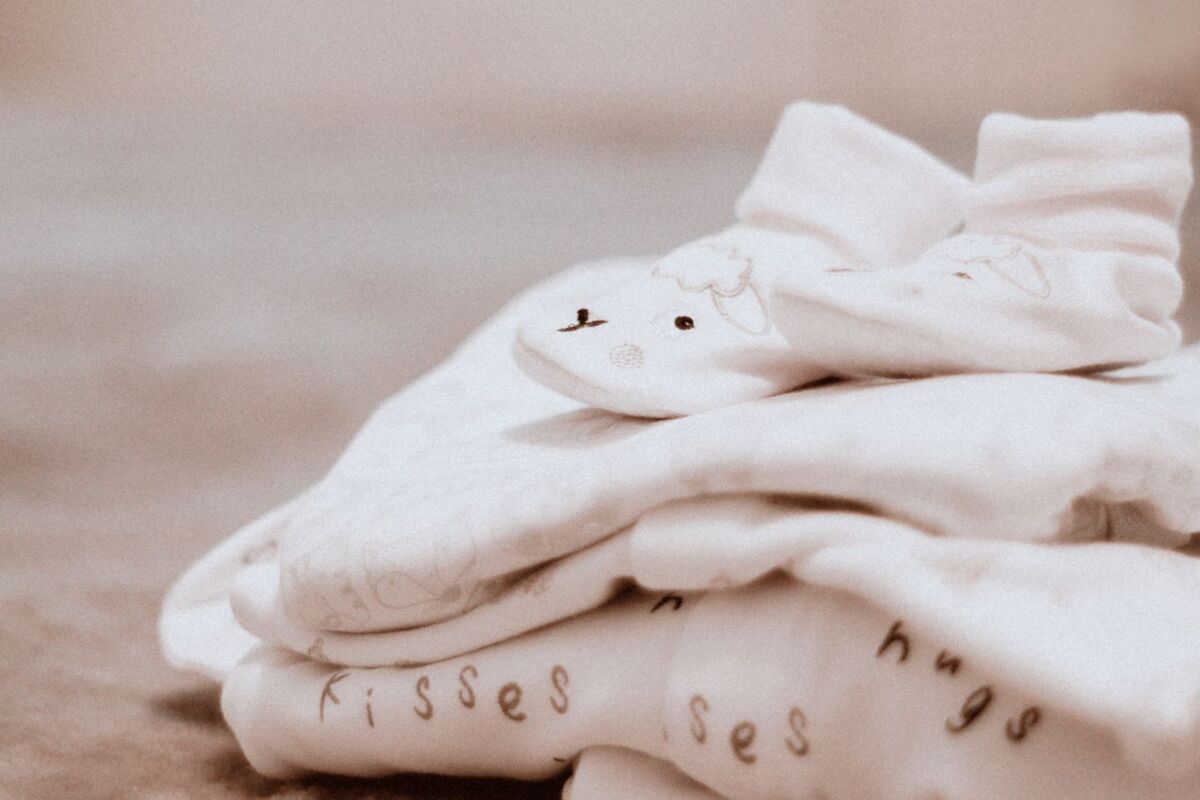
- Clothing: bodysuits, sleepsuits, mittens, socks and a couple of going-out sets.
- Bathing and care: a baby bath, mild wash, a soft towel, a thermometer and nail care.
- Safety: a baby monitor, and later corner guards, socket covers and cupboard latches once baby is mobile.
Hold that list in your head as you read on. Some are big-ticket items you should see and touch in person; others are boring consumables best reordered online; a few are perfect for preloved or rental. Sorting them this way saves the most money and stress.
The main places to buy baby essentials in Singapore
There is no single best shop. Most families use a blend: a big purchase tested in a superstore, consumables reordered online, a bargain or two from a baby fair, and a few gently-used finds from a preloved group. Here is how each channel behaves, and what it is best for.
Baby superstores
These are the one-stop shops built for parents, stocking strollers, car seats, cots, carriers, feeding gear, clothing and toys under one roof. Familiar names in Singapore include Mothercare, Motherswork, Mummys Market, Baby Kingdom and Kiddy Palace, alongside specialist stroller and travel-gear retailers. The big win here is that you can see and test bulky items before you commit, which matters enormously for anything you will wheel, carry or click your baby into. Push the pram, fold it one-handed, feel the real weight, and check it fits through your HDB lift and into your car boot. Always confirm current ranges and store locations on the retailer's own site before you make the trip, for example the official Mothercare Singapore website. If you are weighing up models before you go, our roundups of the best strollers in Singapore and the best baby carriers in Singapore are a useful shortlist to walk in with.
Department stores and high-street fashion
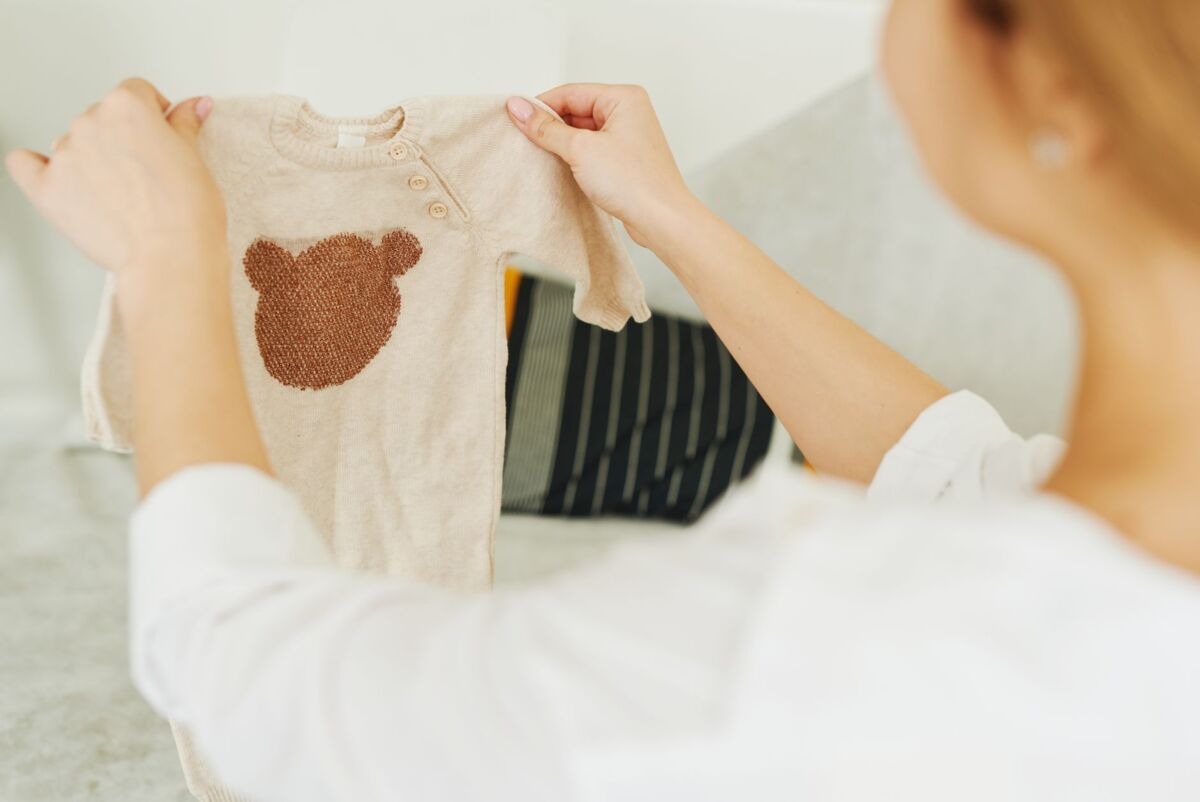
Singapore's larger department stores usually carry a baby and children's section with clothing, basic feeding and bath bits, and a selection of bigger gear. They are handy when you are already at the mall and want to grab a few sleepsuits without a special trip. For everyday clothing that you will not mind staining or outgrowing in a month, high-street labels are your friend: affordable, machine-washable basics in soft cotton beat boutique outfits when your newborn goes through several changes a day. Save the photo-worthy outfits for occasions and keep the daily wardrobe cheap and practical.
Supermarkets and pharmacies for consumables
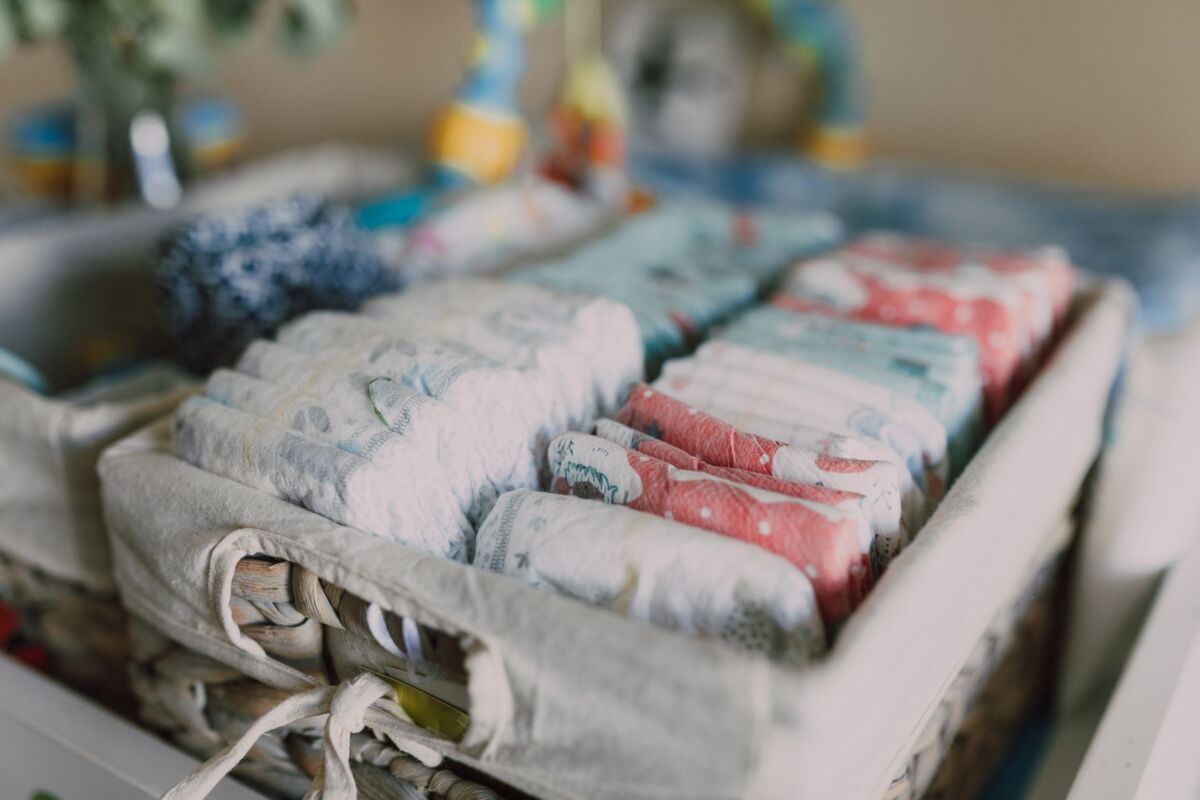
This is the channel the competing guides keep forgetting, and it is a workhorse. Supermarkets such as FairPrice and Cold Storage, and pharmacies like Guardian, Watsons and Unity, stock diapers, wipes, formula, baby toiletries and rash creams. They are perfect for emergency top-ups, for trying a single pack of a new diaper brand before you commit, and for catching rotating in-store promotions, your backup for the inevitable 11pm realisation that you are out of wipes. For planned, repeat buying, though, online usually edges them on price.
Online stores and marketplaces
For consumables and repeat purchases, online is hard to beat. Diapers, wipes, formula, bottles, breast-pump parts and bath products are easy to compare, bundle and reorder, with delivery to your door, which is a gift when you are heavily pregnant or housebound with a newborn. Dedicated baby e-stores, official brand stores on marketplaces such as Shopee, Lazada and Amazon, and subscription reorders all live here. Online is also where price-checking pays off, since the same big-brand stroller or car seat can vary noticeably between sellers. For anything electronic or safety-related, buy only from the official brand store or an authorised seller so your warranty actually stands.
Baby fairs and expos
Singapore runs some of the region's largest baby fairs, where dozens of brands gather under one roof with show specials and bundle deals. The big ones are held at venues like the Singapore Expo and Suntec, and they are excellent for big-ticket comparison shopping in a single afternoon and for bundle discounts you will not find on a normal weekend. The catch is the crowds and the temptation to impulse-buy. Go in with a written shortlist, the regular prices already noted on your phone, and a hard budget. Confirm the next event's dates, hall and ticketing on the organiser's official site before you go. For the full playbook on timing and bargaining, see our guide to baby fairs in Singapore.
Preloved, second-hand and rental
Babies grow out of things at lightning speed, so the preloved market is huge and genuinely useful. Carousell and dedicated Facebook groups are full of barely-used clothes, books, toys, carriers, bouncers and nursery furniture at a fraction of retail. There is also a quieter option many parents miss: renting. Bulky, short-use items like a bassinet, a travel cot or a breast pump can often be rented for the few weeks or months you actually need them, saving both money and storage space in a compact flat. Whatever you buy used, inspect it in person, wash everything before first use, and check the model against any safety recalls before you scroll the listings.
What to buy new versus preloved
A simple test cuts through most of the debate: anything that protects your baby in an accident, or that hygiene and wear make risky secondhand, is worth buying new. Almost everything else is fair game preloved, especially items your baby uses for only a few weeks.
- Buy new, always: car seats, and ideally cot mattresses, where worn-out support and unknown history affect safety.
- Happy preloved: clothing, books, soft toys, play gyms, bouncers, high chairs, carriers and nursery furniture, if clean, undamaged and not recalled.
- Either way, but inspect closely: strollers and prams are fine used if the frame, brakes, wheels and harness are all sound.
- Consider renting: bassinets, travel cots and breast pumps, which you may need only briefly.
A realistic newborn checklist that avoids over-buying
The most common regret new parents share is buying too much, too soon. Newborns outgrow the smallest sizes within weeks, and plenty of must-have gadgets end up gathering dust. The smart move is to cover the genuine essentials for the first month or two, then top up once you know your baby. Here is what truly earns its place early on.
- Feeding: two or three bottles and a steriliser if bottle-feeding or pumping; nursing pads, a pump and storage if breastfeeding. Buy a few bottles first to see what your baby takes to before stocking up.
- Diapering: wipes, a changing mat and a single starter pack of newborn-size diapers. Do not bulk-buy the smallest size; babies climb through it fast.
- Sleep: a safe cot or bassinet with a firm fitted mattress, a few fitted sheets, and sleep sacks or swaddles rather than loose blankets.
- Clothing: a handful of bodysuits and sleepsuits in 0-3 month sizes. Front-opening or kimono-style tops spare you pulling fabric over a newborn's head.
- Out and about: a new car seat plus a stroller or carrier that suits your home.
- Bath and care: bath and skincare basics, a baby thermometer and baby nail care.
Notice what is not on the list. High chairs, walkers, jumperoos and most activity toys can wait until your baby is several months old, so there is no rush to buy them before the birth, and pacing those purchases spreads the cost.
Smart money and timing tactics
Knowing where to shop is half the battle; knowing when and how is the other half. A few habits keep spending in check.
- Time the big buys around fairs and sales: save your stroller, car seat and cot for a major baby fair or a mid-year or year-end sale, where bundle pricing on big-ticket gear is genuinely better.
- Buy consumables in bulk only once you have a winner: commit to a diaper or formula brand with a single pack first, then stock up or subscribe once your baby agrees with it.
- Lean on preloved and rental for short-use items: the things your baby uses briefly are exactly where secondhand and rental shine.
- Set up a gift registry: it steers gifts toward things you actually need instead of a fifth soft toy.
- Always note the regular price before a fair: a show special only counts as a deal if you know what normal looks like.
On timing overall: aim to have the first-month essentials, including the car seat for the ride home, ready by around the third trimester, since babies sometimes arrive early. Everything else, especially gear for older babies, can wait until after your little one has landed.
Frequently asked questions
Is it cheaper to buy baby gear at a baby fair?
Often yes for big-ticket items and bundles, thanks to show specials, but not always. Note the regular price beforehand so you can tell a real deal from inflated before-and-after pricing, and stick to your shortlist so the crowd does not push you into impulse buys.
Where is best for everyday consumables like diapers and wipes?
Online stores and subscription reorders are usually the most cost-effective and convenient for consumables, since you can compare prices and have everything delivered. Keep a supermarket or pharmacy as backup for urgent top-ups, and hold only a small buffer of newborn-size stock at home rather than a mountain of it.
Can I really save money buying preloved?
Absolutely, and many Singapore parents do, especially for clothes, books, toys and nursery furniture used only briefly. Inspect each item, wash it before use, and check for recalls. Just remember the firm exception: car seats are bought new, every single time.
What should I buy before the baby arrives versus after?
Before the birth, sort the first-month essentials: feeding gear, diapers and wipes, a safe sleep space, a few sets of newborn clothing, a car seat and your chosen stroller or carrier. After the baby arrives, add the items for older babies, such as a high chair, more toys and any gadget you realise you actually want once you know your routine.
Do I really need a car seat in Singapore if I mostly take taxis?
For your own car, yes; an approved child restraint is legally required for a child under 1.35m, including the trip home from hospital. Street-hailed taxis are treated differently under the rules, but a young baby is still safest in a proper restraint. Check the current requirements on the official LTA and Traffic Police pages before you travel.
Is it worth renting baby items instead of buying?
For short-use, bulky items it often is. A bassinet, a travel cot for the grandparents' place, or a hospital-grade breast pump can be rented for the weeks or months you actually need them, saving both money and storage space in a compact flat. For items your baby uses daily for a long time, buying still tends to make more sense.
A little planning goes a long way. Sort your needs by category, shop the big items in person, reorder the boring stuff online, lean on fairs, preloved and rental for savings, and resist the urge to buy everything before your baby arrives. For more on family life, browse the rest of our guides on the blog.
Art Jamming in Singapore: A Family Guide to Painting and Art Fun
Your parent's guide to art jamming in Singapore: what it is, the best ages, studio vs cafe vs at-home, what to bring, ro...
11 min read
Baby Fairs in Singapore: A Parent's Guide to Deals, Dates and Smart Shopping
A practical guide to baby fairs in Singapore: where they run, what to buy and skip, how to spot real deals, what to brin...
10 min read
Best Baby Swaddles and Sleep Sacks in Singapore
How to choose safe, breathable baby swaddles and sleep sacks in Singapore's hot climate, when to stop swaddling, and wha...
9 min read