

Best Hawker Centres in Singapore for Families: A Parent's Guide
In this article
If you are raising kids in Singapore, the neighbourhood hawker centre quietly does more for your sanity than any fancy restaurant ever will. No booking, no dress code, no waiter hovering while your toddler renegotiates whether rice is acceptable today. You walk in, everyone picks something different, and a meal for the whole family rarely dents the wallet. This guide gives parents the real picture: which hawker centres actually suit families, what to order for picky eaters, how the unspoken rules work, and the tricks that turn a sweaty, crowded outing into an easy one. For more places to eat, our eat hub has the full spread.
Why hawker centres just work with kids
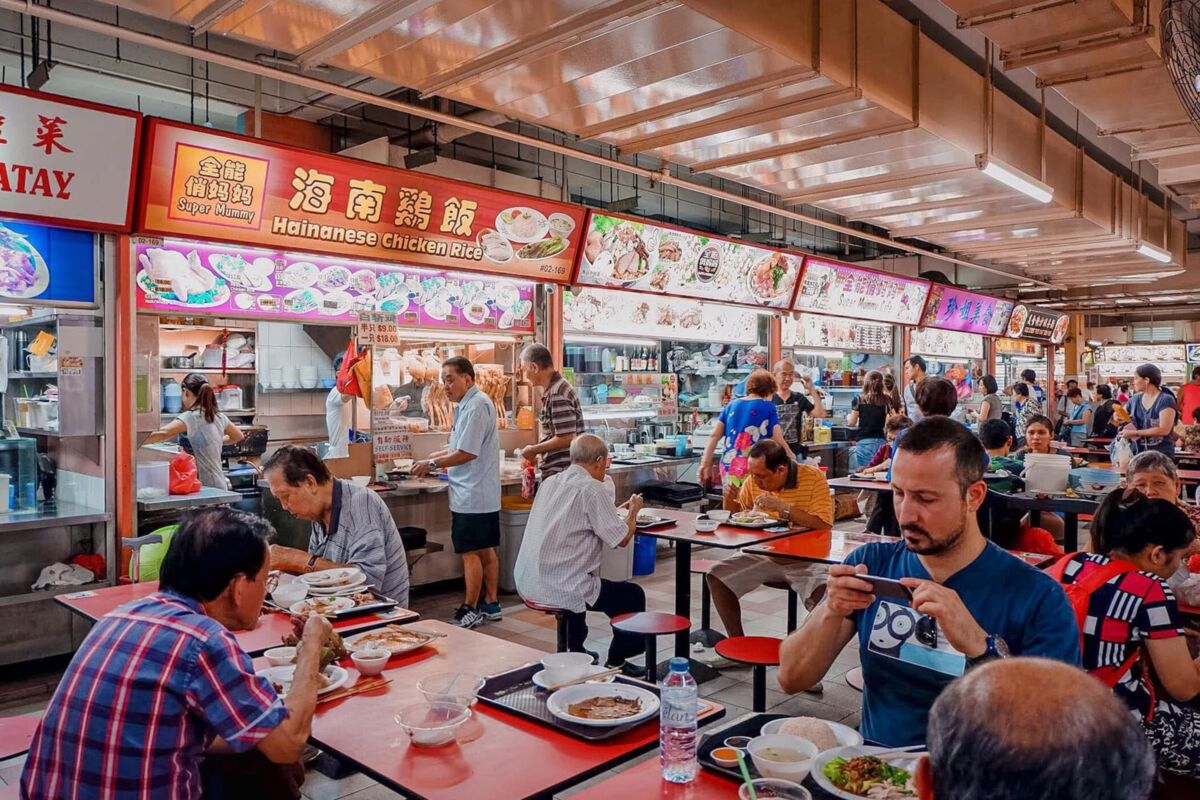
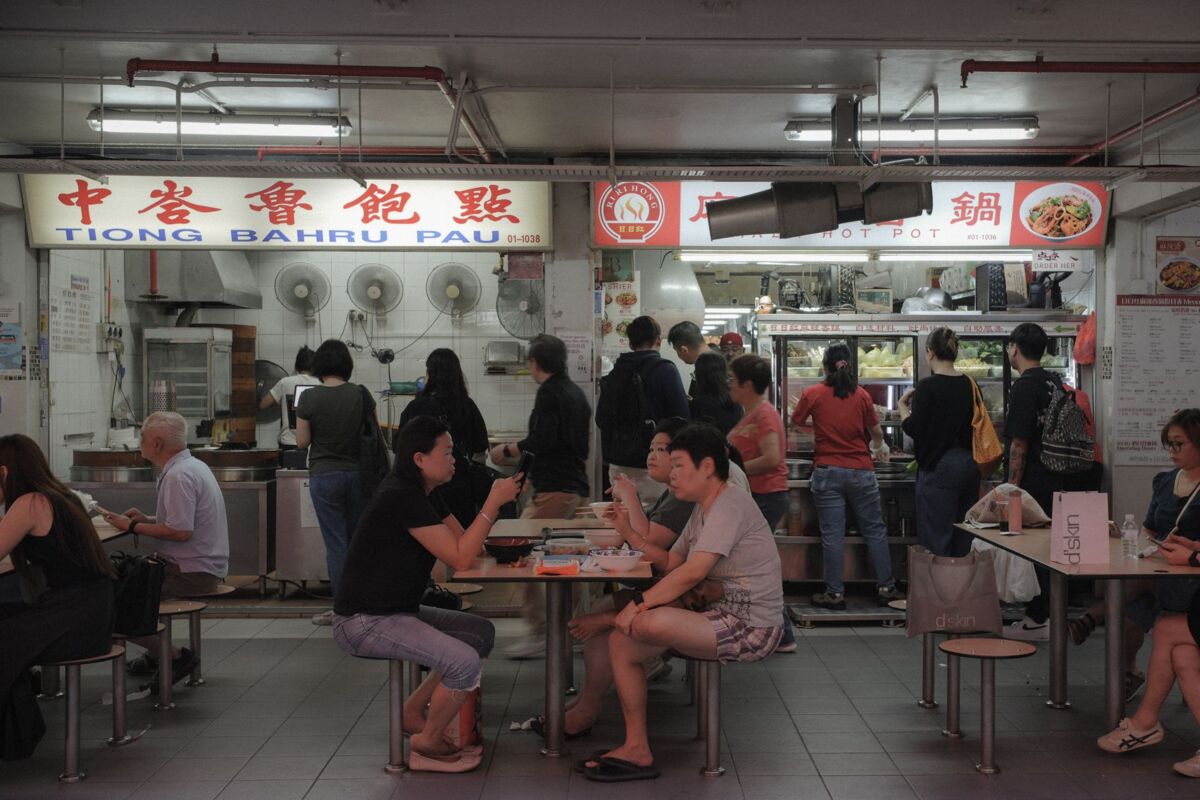
A hawker centre is an open-air food hall where dozens of independent stalls sell their own dishes around a shared seating area. You order from whichever stall catches your eye, carry the food back, and pay each stall directly rather than settling one big bill. For a family, that setup is gold. One child wants chicken rice, the other will only eat noodles, you are craving laksa, and grandma fancies fishball soup. Everybody gets exactly what they want, in one sitting.
The sheer variety is the real reason it works with children. Even the most cautious eater can find something familiar, and you are never trapped with a menu that has nothing they will touch. If you have a baby on solids, a plain bowl of rice or porridge is simple to find, and you can ask for it without salt or sauce.
It is also genuinely affordable. Because each dish is priced on its own, feeding a family of four costs a fraction of a sit-down restaurant meal, which is why hawker dining is woven into everyday Singapore life. For the occasional splurge instead, our guide to family buffets is a useful contrast.
What to order: kid-friendly dishes that rarely fail
The trick with little eaters is to lean on dishes that are mild, soft, and recognisable, then branch out once they are comfortable. These are the reliable crowd-pleasers at most centres.
- Hainanese chicken rice is the classic safe bet: tender poached chicken, fragrant rice, chilli on the side so you control the heat. Read our chicken rice guide.
- Wonton mee and fishball noodles are gentle and slurpable, easy to ask for in clear soup rather than spicy or dark-sauce versions.
- Roti prata is a hands-down favourite: warm, flaky flatbread kids can tear and dip into mild dhal or eat plain. See our prata guide.
- Carrot cake (chai tow kway) in the white, non-spicy version is soft, savoury, and toddler-friendly when you skip the chilli.
- Soft tofu, steamed buns (pau), and plain porridge are easy on small stomachs and good for babies on finger foods.
- Kaya toast with soft-boiled eggs makes a lovely shared breakfast, and most kids happily dunk the toast.
- Fresh juices, soya bean milk, and barley are cooling drinks that feel like a treat without being a fizzy-sugar bomb.
Managing spice for little ones
Singapore food can carry more chilli than young palates are ready for, but it is easy to dial down. At the stall, ask for no chilli or chilli on the side, and request less sauce or gravy if your child prefers things plain. Many noodle and rice dishes are mild by default once you remove the sambal. When in doubt, order one dish to share first and see how it lands before committing to a full plate each.
Family-friendly hawker centres around the island
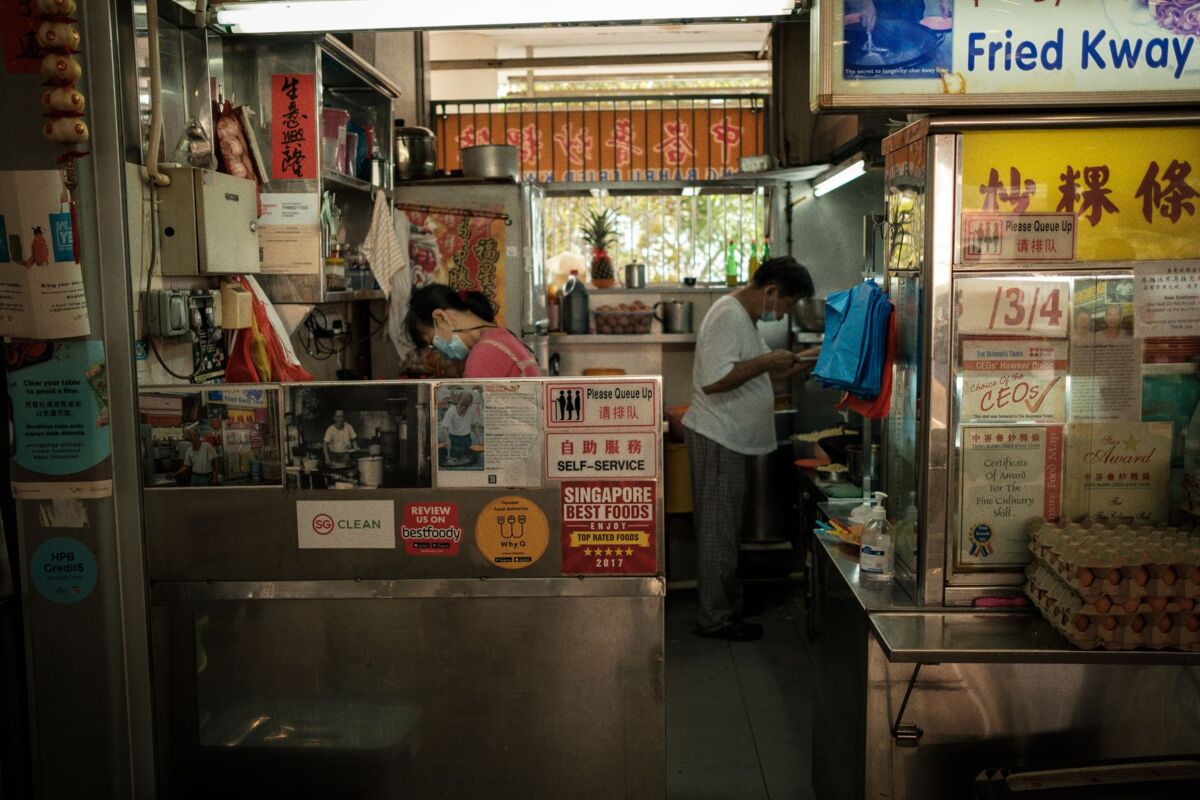
Singapore has well over a hundred hawker centres, and honestly the best one is usually whichever sits closest to home. That said, some are more comfortable with kids than others, often because they have open surroundings, breathing space, or something nearby to keep little ones busy. Stalls and hours change constantly, so treat the names below as starting points and check the relevant NEA hawker centre information before a long trip. Here is a rough spread by region so you can find one in your part of town.
Central and city
- Maxwell Food Centre near Chinatown is one of the most famous, packed with local favourites, though it gets very busy at lunch.
- Chinatown Complex Market and Food Centre is one of the largest in Singapore, so picky eaters are spoilt for choice.
- Lau Pa Sat in the financial district sits inside a Victorian-era building that is a National Monument, with a satay street at night.
- Newton Food Centre, just off Orchard Road, is best known for evening seafood and barbecue and is a popular family dinner spot.
East
- Old Airport Road Food Centre in Geylang is a legend among food lovers, with a huge spread and a big, open layout that copes well with strollers.
- Changi Village Hawker Centre is a family favourite for its open space and nearby play area, plus the breezy, away-from-it-all feel of the east coast.
- Bedok Interchange Hawker Centre is well-connected by bus and MRT, with the variety to please a mixed crowd.
North and northeast
- Chomp Chomp Food Centre in Serangoon Gardens is a beloved supper spot with an open area near the entrance where little legs can stretch.
- Serangoon Garden Market and Food Centre has an open, breezy layout that families drift into after errands, which makes a real difference with toddlers.
West and south
- Tiong Bahru Market and Food Centre sits in a charming heritage neighbourhood, is relatively spacious, and is known for chicken rice and chwee kueh.
- Makansutra Gluttons Bay near Marina Bay is breezy and open with water views and room for kids to move between bites.
- Tekka Centre in Little India is great for South Indian and Malay food, with prata, biryani, and plenty of mild options.
How it works: choping, ordering, and clearing up
The routine is simple once you have done it once. Walk in, scout the stalls, and order at each counter. Most stalls now take both cash and cashless payment such as PayNow or contactless cards, but carry a few small notes, because the odd stall is still cash-only or has a card minimum. You carry your own tray back to the table, and return it yourself at the tray-return points when you finish.
Seating is communal, so you simply take any free table. At busy times you will notice packets of tissue left on chairs or tables. This is choping, the local custom of reserving a seat: if there is a tissue packet on a table, it is taken. To hold a table for your family, leave a packet of tissue or a small, low-value item before you order. With kids, the easiest approach is for one adult to stay at the table while the other goes stall to stall.
- Find and chope a table first at peak times, and keep one adult with the children.
- Order one dish at a time and bring it back, rather than wrestling several trays through a crowd.
- Keep small cash handy for stalls that do not take cards or have a minimum spend.
- Clear your tray to the tray-return station, and get the kids to help so it becomes a habit.
Hygiene: what the SFA grade means
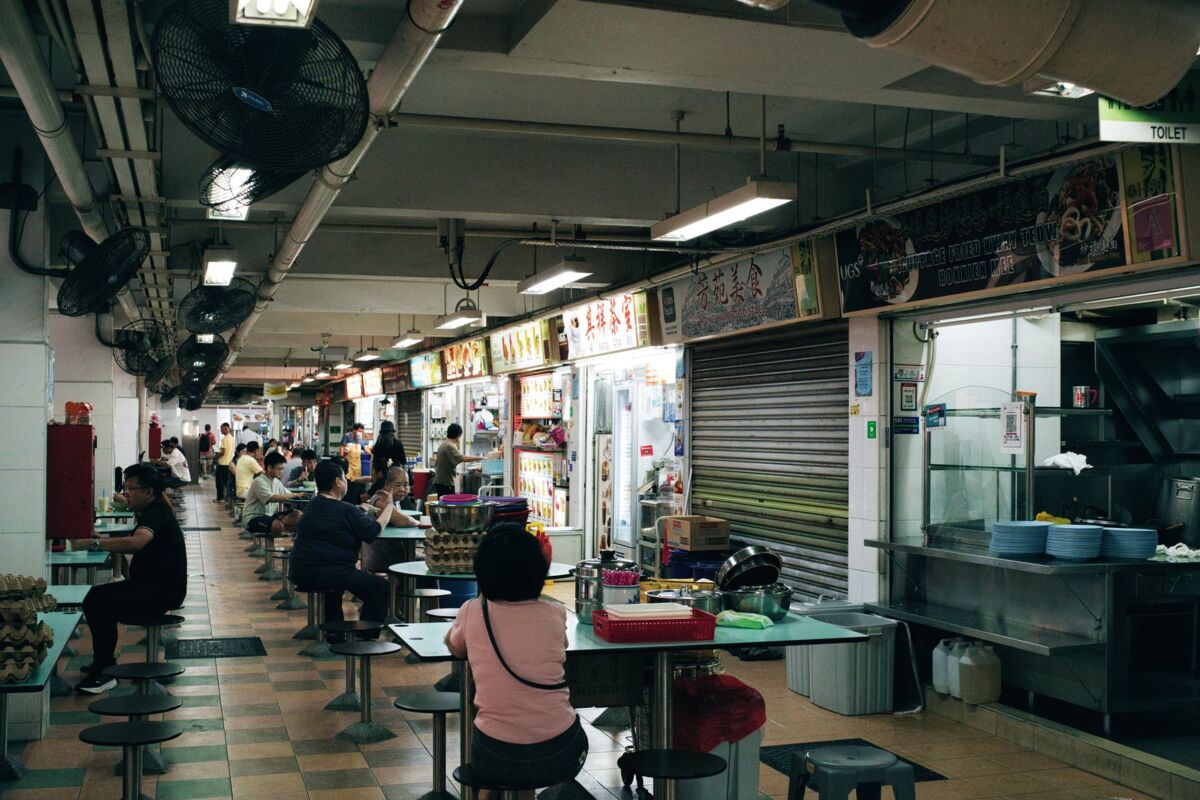
For quick reassurance before ordering, look for the food safety grade on the stall licence. From 19 January 2026, Singapore moved to the new Safety Assurance for Food Establishment (SAFE) framework, which grades licensed establishments A, B, or C on their food safety track record, with a NEW label for places open less than a year. Check details by scanning the QR code on the displayed SFA licence or via the official SFA SAFE framework page. Beyond the grade, choose busy stalls with high turnover where food is cooked fresh, and be more cautious with cold or raw items for very young children.
Practical tips for parents
A little planning is the difference between a chaotic hawker meal and an easy one. These are the things experienced Singapore parents swear by.
- Go off-peak. Aim for an early dinner around 5 to 6 pm or a late-morning brunch. You will dodge the worst crowds, find a table far more easily, and face shorter queues, which matters enormously with a hungry toddler.
- Bring a clip-on or travel high chair. Built-in high chairs are uncommon, so a portable clip-on chair or a fabric booster that straps to a normal seat is one of the most useful things you can pack.
- Pack your own essentials. Wet wipes, a bib, a small spoon and fork, and hand sanitiser all earn their place. Tissues are not always provided, and the ones on the table may be holding a seat.
- Mind the heat. Many centres are open-air and humid, so dress kids in light clothes and bring a water bottle. A cold sugarcane juice or soya bean keeps everyone happy.
- Think about your stroller. Aisles between tables can be tight at peak times, so a slimmer, more nimble stroller is far easier to steer than a bulky jogger. Park it close and keep walkways clear.
- Plan for rain. Open-air centres can splash in a downpour, so pick a table under decent cover, or favour centres near a mall when the forecast looks wet.
Best age range and what to expect
Hawker centres suit every age, but the experience shifts as kids grow. Babies have it easy: the ambient noise means nobody notices a grizzle, and you can feed them soft rice or porridge. Toddlers are the trickiest stage, since they want to roam and the seating is open, which is exactly why an off-peak visit and open space help so much. From preschool up, kids love the bustle, the choosing, and the freedom to eat something different from everyone else.
Getting there, parking, and facilities
Most well-known centres are an easy walk from an MRT station, which beats circling for parking. If you drive, many have nearby public or HDB car parks, though they fill up fast at meal times. Expect public toilets, but do not assume a dedicated nursing or diaper-changing room. Newer or upgraded centres and those attached to malls are more likely to have changing facilities, so check the centre or a nearby mall before you set off if you need one.
Frequently asked questions
Are hawker centres suitable for babies and toddlers?
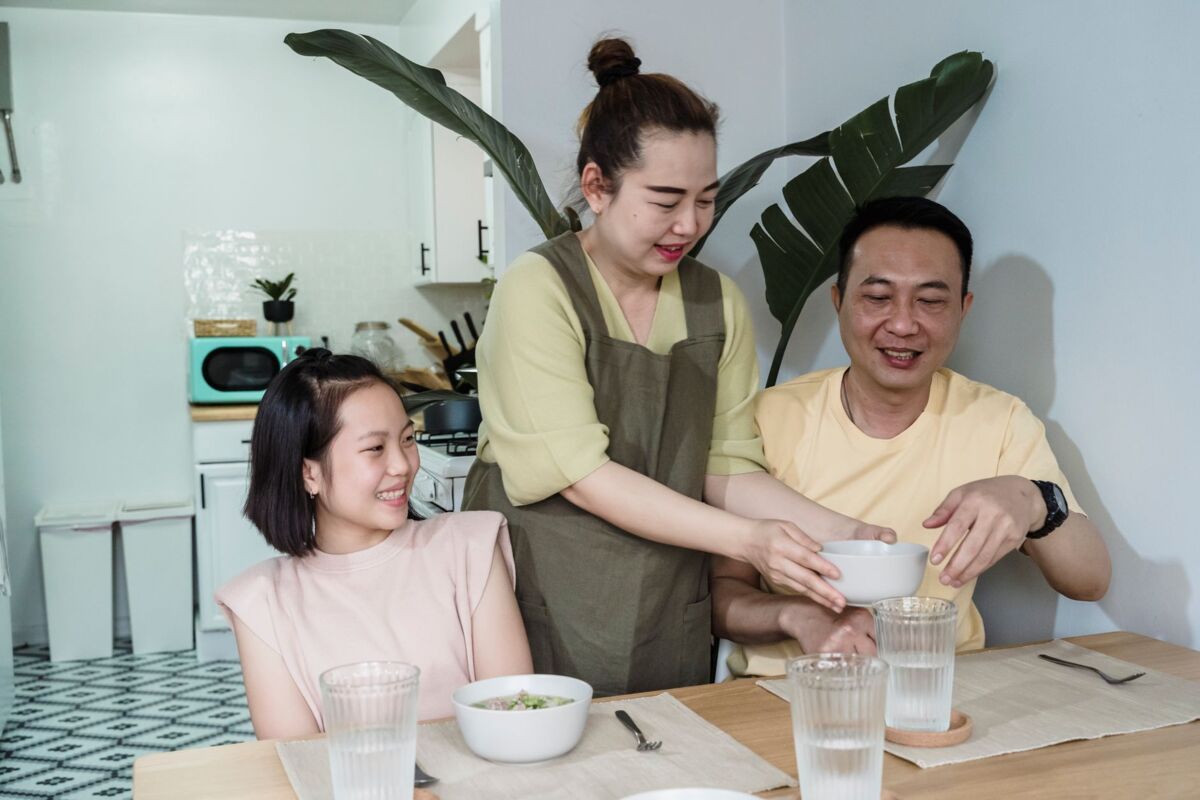
Yes, very much so. The noisy atmosphere means a fussing baby blends right in, with none of the side-eye you might get in a quiet cafe. Bring your own clip-on high chair, since built-in ones are uncommon, and choose simple, soft dishes. Visiting off-peak keeps it calmer for toddlers who want to move around.
How much does a hawker meal cost for a family?
Individual dishes are inexpensive, so feeding a family is far cheaper than a restaurant or food court. Prices vary by stall and location and change over time, so check the prices displayed at each stall on the day rather than relying on old figures. To map family expenses more broadly, our baby cost estimator can help.
Do hawker centres have nursing rooms and diaper-changing facilities?
Most have public toilets, but dedicated nursing rooms and diaper-changing tables are not guaranteed and vary by location. Larger, newer centres and those attached to malls tend to be better equipped. If you rely on a nursing or changing room, check the centre or a nearby mall before you go.
What are the most kid-friendly dishes to order?
Hainanese chicken rice, wonton or fishball noodles in clear soup, roti prata, plain white carrot cake, soft tofu, steamed buns, plain porridge, and kaya toast with soft-boiled eggs are all reliable favourites. Pair them with a fresh juice or soya bean drink, and ask for no chilli for younger children.
How do I reserve a seat with kids during busy periods?
Use the local choping custom: leave a packet of tissue or a small item on a free table to claim it, then order. With children, the simplest approach is to have one adult sit with the kids and the table while the other heads to the stalls one dish at a time.
Is the food hygiene safe at hawker centres?
Hawker stalls are licensed and inspected, and from January 2026 they carry a SAFE framework grade of A, B, C, or NEW that you can check via the QR code on the displayed licence. As anywhere, stick to busy stalls where food is freshly cooked, and use extra judgement with cold or raw items for very young children.
Once everyone is fed, there is usually something to do close by. Plenty of hawker centres sit near parks, libraries, or playgrounds, so it is easy to pair a meal with an outing and burn off toddler energy. Browse our play guides for family-friendly things to do, and our eat hub for more places to take the kids.
Gluten Free and Allergy-Friendly Eating Out in Singapore: A Parent's Guide
A practical parent's guide to gluten free and allergy-friendly eating out in Singapore: allergens, hawker safety, talkin...
9 min read
Cat Cafe Singapore: A Family Guide to Animal Cafes
A parent's guide to the cat cafe Singapore scene and animal cafes: how they work, age rules, etiquette, welfare, and wha...
10 min read
Bak Kut Teh in Singapore: A Family Guide to the Comforting Pork Rib Soup
A parent's guide to bak kut teh in Singapore: peppery vs herbal styles compared, what to order for kids, spice tips and ...
10 min read