

The Best Chicken Rice in Singapore: A Family Guide to a Kid Favourite
In this article
If you have ever watched a fussy toddler push every dish away until dinner becomes a standoff, you already know why chicken rice in Singapore is a parent's quiet hero. It is mild, soft, faintly fragrant and accepted by almost every small human. Order a plate, slide the chilli to one side, and you have a meal that works for a one-year-old learning to chew and a hungry primary schooler at the same table. This guide is for parents who want to understand what makes a good plate, how to order it for a family, and where to find it without a meltdown - whether you have a stroller in tow, a spice-averse kid, or a halal-only household.
What is Hainanese chicken rice?
The dish came to Singapore with immigrants from Hainan, an island in southern China, who adapted a home-style poached chicken dish called Wenchang chicken. Hainanese settlers arrived through the 19th and early 20th centuries, and over the decades chicken rice took root in areas like Middle Road and Purvis Street before spreading to every corner of the island. Today it is widely regarded as one of Singapore's national dishes, and you will find cousins of it across Malaysia, Thailand and the wider region.
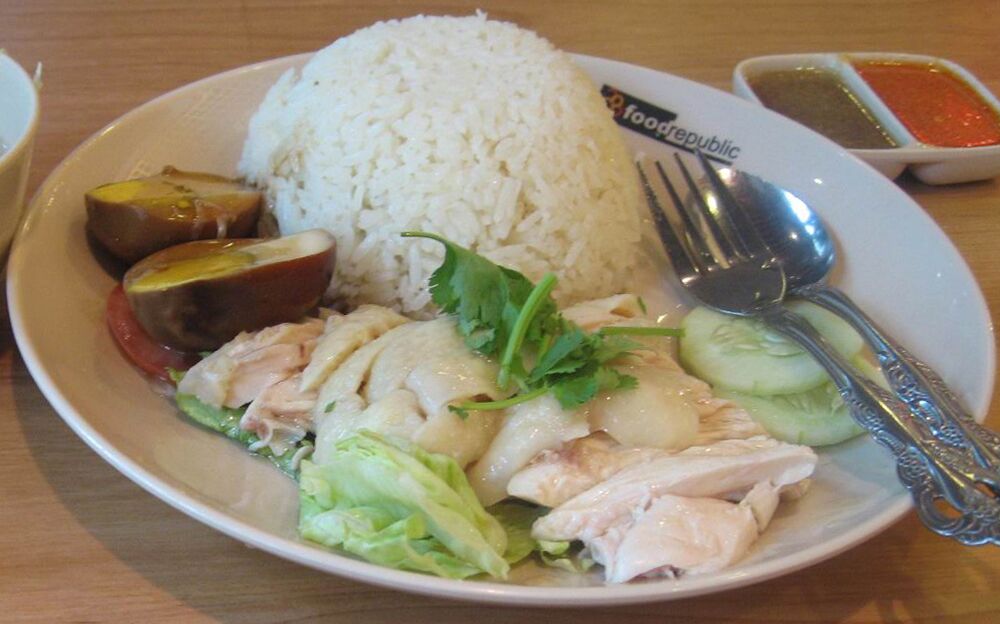
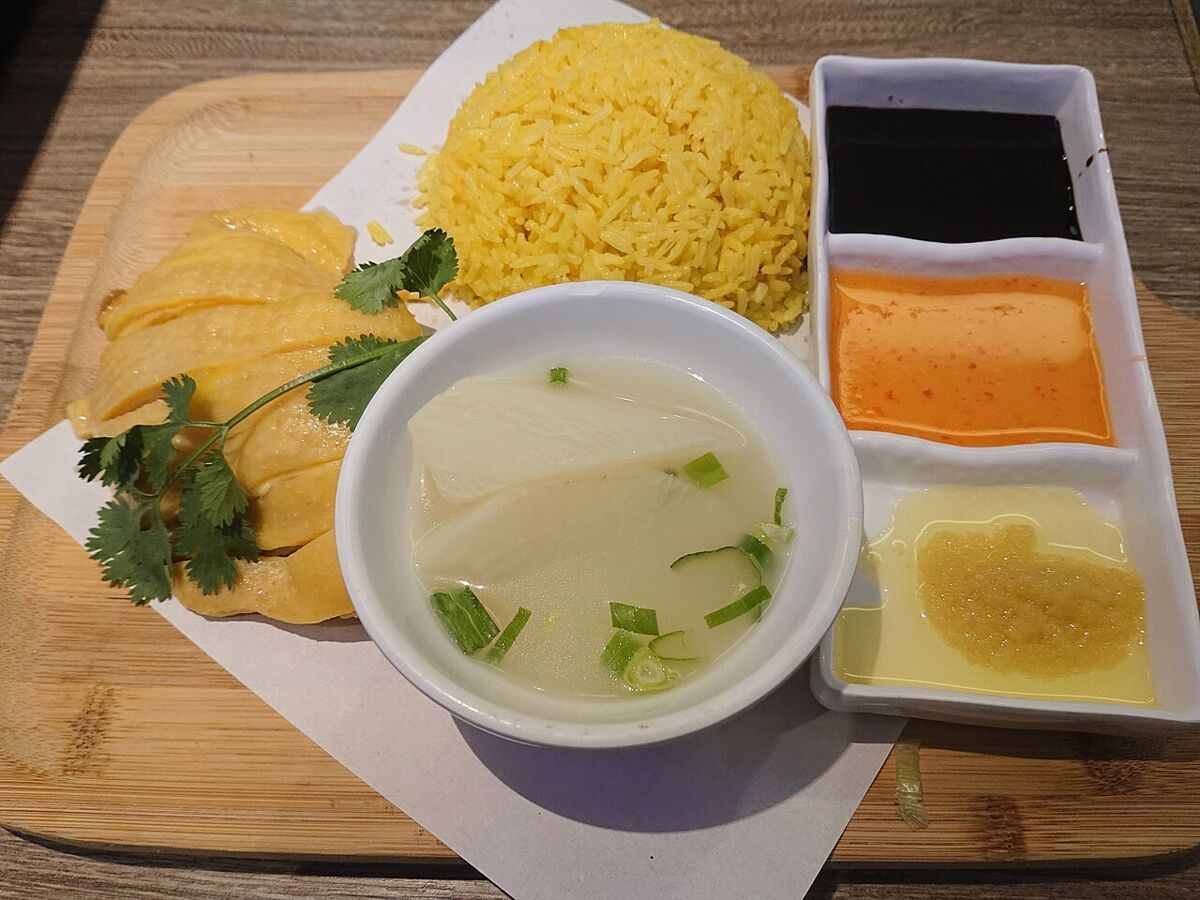
A classic plate is deceptively simple: bite-size pieces of poached white chicken, a mound of fragrant rice, a drizzle of light soy, perhaps a few coriander sprigs and slices of cucumber, and a small saucer of chilli on the side. Many stalls add a bowl of clear chicken soup. The dish is part of Singapore's hawker culture, which is inscribed on UNESCO's Representative List of the Intangible Cultural Heritage of Humanity and documented by the National Heritage Board.
Why fussy kids take to it so easily
For parents, chicken rice quietly ticks a lot of boxes at once:
- Mild and familiar. The chicken is gently poached and the rice is savoury rather than spicy, so it suits young palates and cautious eaters who reject anything strong-tasting.
- Soft texture. Poached chicken is tender and easy to chew. For babies and toddlers you can shred the meat and mash a little rice with it.
- Heat stays on the side. The chilli never touches the chicken, so you control exactly how much (if any) your child gets.
- Almost everywhere. You can find it in nearly every hawker centre, food court and many casual restaurants, which makes it a reliable fallback on a tired family day out.
- Easy to share. A plate is filling and usually affordable, and many stalls sell a half or whole bird with separate rice, so the table can graze from one order.
What makes a good plate
Once you know what to look for, you will start noticing the gap between a forgettable plate and a genuinely good one. Three things matter most, and they are the same things the chefs in the MICHELIN Guide Singapore are judged on.
The rice
This is where a great chicken rice is made or lost. The raw grains are first stir-fried in chicken fat with aromatics like garlic, ginger and sometimes pandan, then cooked in chicken stock so each grain turns fragrant and just slightly glossy, never mushy or plain. Good rice should taste of something on its own, before the chicken even arrives. If the rice is dull, the rest rarely saves it - and for kids who happily eat plain carbs, the rice alone can be the whole meal.
Poached, roasted or soy-sauce chicken
Most stalls offer a choice. Poached (white) chicken is the classic Hainanese style: silky, tender and very mild, usually the easiest for young children, with a prized layer of soft jelly between skin and meat. Roasted chicken is seasoned and crisped for a deeper, savoury flavour and crackly skin that older kids often love. Some places, especially Cantonese-style stalls, serve a soy-sauce (dark) chicken that is sweeter and glossier. There is no wrong answer; plenty of families simply order one poached and one roasted to share so everyone is happy.
The condiments on the side
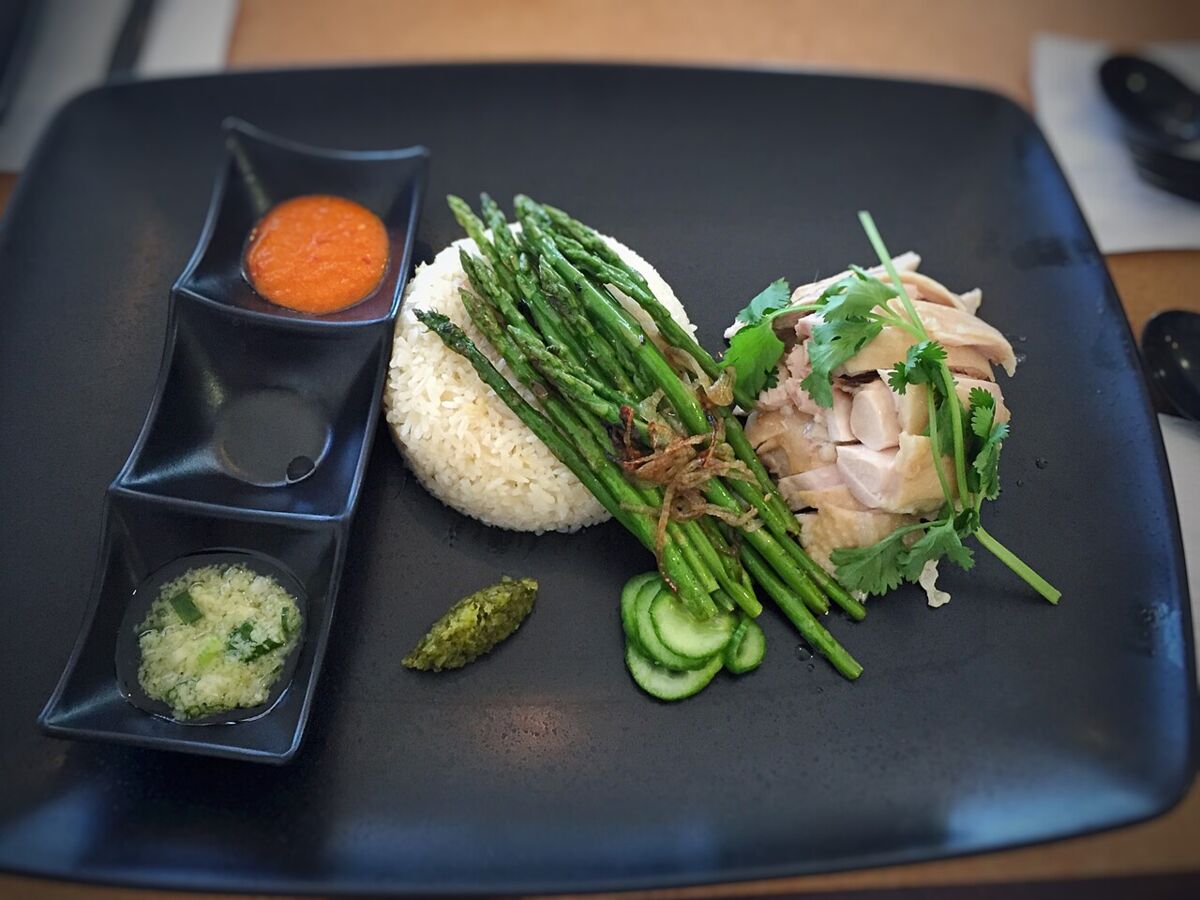
Regulars will tell you the dips are half the dish. The classic trio is a bright garlic-chilli sauce (often loosened with stock and a squeeze of lime), a saucer of finely minced ginger, and a thick, sweet dark soy. They are bold and meant for adults - keep them well away from little ones and dip your own pieces, then offer the plain meat to the kids. A good chilli is tangy and punchy rather than just hot, and the ginger is a milder, refreshing alternative for an older child who wants to feel grown-up at the table.
How to order for a family
Ordering chicken rice well is half the battle with kids in tow. A few moves that keep everyone fed and calm:
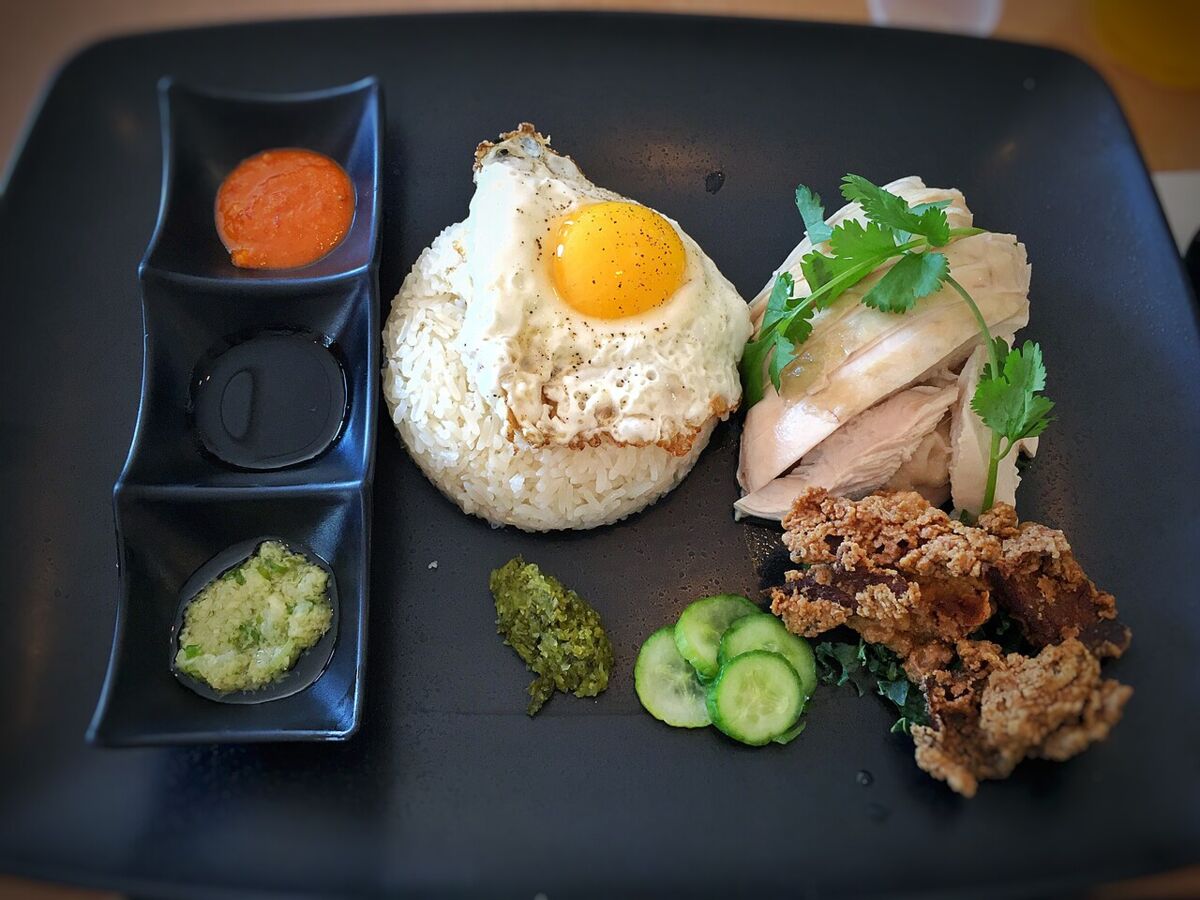
- Order rice separately if you can. Many stalls will sell extra plates of plain rice, which means picky eaters can have rice without sauce while the adults customise theirs.
- Get the chicken deboned. Ask for boneless chicken (it usually costs a little more) so you are not picking out small bones at a crowded table.
- Keep dips on a separate saucer. Request the chilli, ginger and dark soy on the side rather than poured over, so the plate stays kid-safe.
- Add cucumber and soup. The cucumber slices and clear soup are mild, hydrating and free or cheap, and they pad out a shared meal nicely.
- A half bird shares well. For a family of three or four, a half chicken plus a few plates of rice and a soup usually feeds everyone for less than ordering individual plates.
Halal chicken rice for families
If your household eats halal, you are well covered. Halal chicken rice stalls and restaurants are common across Singapore, often run by Malay or Indian-Muslim cooks, and many serve both poached and roasted styles alongside the usual chilli. Look for the green halal certification mark, which you can verify through the Singapore Islamic Religious Council (MUIS), or simply ask at the stall. Certification can change over time, so confirm before a special trip rather than assuming. For other dishes that work for mixed-diet family meals, our allergy-friendly eating guide is a useful companion.
Where to find it as a family
Chicken rice turns up almost everywhere, but the experience varies a lot depending on where you go. Here is what to expect from each option so you can match the venue to your day.
Hawker centres
The most authentic and budget-friendly route. Many of the best-known chicken rice stalls sit inside hawker centres, and a handful have earned recognition in the MICHELIN Guide. Expect queues at the famous ones and shared, fixed seating. Older hawker centres can be warm and tightly packed, so they suit slightly older kids more than newborns in prams. Going a little before or after the lunch rush makes a real difference with strollers and short tempers.
Food courts in malls
Air-conditioned food courts are the pragmatic middle ground: roomier aisles, lifts, nappy-change rooms and family toilets nearby, and a chicken rice stall in most of them. The plate may cost a touch more than a hawker centre and be a notch less famous, but on a hot or rainy day with a baby, the comfort is worth it.
Sit-down restaurants and chains
If you want table service, high chairs, a proper toilet and somewhere to park the pram, a sit-down chicken rice restaurant is the easiest call with babies and toddlers. You pay more, but you also get space, air-conditioning and a less frantic pace. These are the venues that handle a wobbly toddler best.
Neighbourhood coffee shops (kopitiams)
Most HDB neighbourhoods have a reliable everyday chicken rice stall in a kopitiam near home. These are perfect for a quick, low-fuss family meal without travelling across the island, and the staff often know their regulars well. For more ground-level eating ideas, browse our roundup of the best hawker centres for families.
Getting there, parking and good to know
Singapore's hawker centres, food courts and malls are easy to reach by MRT and bus, and most major ones sit close to a station or interchange - check your route on the LTA journey tools before you set off. If you are driving to a specific famous stall, look up parking nearby in advance, because hawker-centre car parks fill quickly at meal times and weekend lots can be a long, hot walk with a pram.
A few practical pointers for parents:
- Beat the crowd. Aim for around 11am or after 2pm for lunch to dodge the office-worker rush and the longest queues - the youngest kids cope far better without a 30-minute wait.
- Stroller access varies. Older hawker centres can be tight and busy at peak times; food courts and restaurants are usually roomier and have lifts. If your venue is cramped, a baby carrier beats a bulky pram.
- Find facilities first. Malls reliably have nappy-change rooms and family toilets; standalone hawker centres may not, so scope it out or plan a change before you arrive.
- Bring small notes and coins. Many hawker stalls still prefer cash, though more now accept PayNow and cards. Check at the stall.
- Stay cool and hydrated. Hawker centres are open-air and can get warm, so pack water for the kids and a handheld fan, and have a rainy-day backup mall in mind.
Make it part of a wider food adventure
Chicken rice is a brilliant gateway dish for cautious eaters, and once your child is comfortable with it you can branch out to other mild local favourites. A bowl of bak kut teh shares the same comforting, soupy appeal, while nasi lemak introduces fragrant coconut rice with the spicy sambal kept firmly on the side. For the full sweep of family-friendly eating across the island, the Fussy Mama blog hub is a good place to keep exploring.
Frequently asked questions
Is chicken rice spicy?
No. The chicken and rice themselves are mild. The heat comes entirely from the chilli dip, which is served on the side, so you decide exactly how much your family eats - or whether you skip it altogether for the kids.
Is chicken rice suitable for toddlers and babies?
It is one of the more child-friendly local dishes because the poached chicken is soft and the rice is plain-tasting. For very young children, shred the meat, check for bones, and hold back on the chilli, dark soy and salty soup. As always, follow your own paediatrician's guidance on introducing new foods and on salt for babies under one.
Poached or roasted for kids?
Poached (white) chicken is usually the gentlest and softest choice for younger children. Older kids often prefer roasted for its crispy skin and stronger flavour. Ordering both to share is a popular family move that keeps everyone happy.
Is there halal chicken rice in Singapore?
Yes. Halal chicken rice stalls and restaurants are widely available, many run by Malay or Indian-Muslim cooks. Look for the green halal certification mark or ask at the stall, and verify current certification with MUIS if it matters for your family, since a stall's status can change.
How much does a plate of chicken rice cost?
Prices vary by venue and change over time, so we will not quote exact figures here. As a rough guide, a single plate at a hawker centre is among the more affordable local meals, food courts sit a little higher, and sit-down restaurants more again. Whole or half birds for sharing cost more but feed a family. Always confirm the current price at the stall.
Can I take chicken rice home for leftovers?
Yes, stalls happily pack takeaway. Refrigerate promptly and eat within a day or two, reheat the chicken and rice thoroughly until piping hot, and keep the chilli and dark soy in their separate containers so leftovers stay kid-friendly. Poached chicken in particular is best eaten fresh, so order what you will finish soon.
Chicken rice is the kind of meal you come back to again and again as a Singapore parent: dependable, affordable and almost always a clean plate. Once it is in regular rotation, use it as the safe anchor while you nudge your fussy eater towards the next dish on the Fussy Mama blog.
Gluten Free and Allergy-Friendly Eating Out in Singapore: A Parent's Guide
A practical parent's guide to gluten free and allergy-friendly eating out in Singapore: allergens, hawker safety, talkin...
9 min read
Cat Cafe Singapore: A Family Guide to Animal Cafes
A parent's guide to the cat cafe Singapore scene and animal cafes: how they work, age rules, etiquette, welfare, and wha...
10 min read
Bak Kut Teh in Singapore: A Family Guide to the Comforting Pork Rib Soup
A parent's guide to bak kut teh in Singapore: peppery vs herbal styles compared, what to order for kids, spice tips and ...
10 min read