

Best Buffets in Singapore for Families: A Parent's Guide
In this article
- Why buffets work so well for families
- The main types of family buffet in Singapore
- What makes a buffet actually work with kids
- How kids-dine-free and child pricing usually work
- Halal buffets: how to confirm certification
- Where to find family buffets around the island
- Booking, timing and crowd tips
- What to bring and rainy-day backup
- Frequently asked questions
If you have ever tried to feed a picky toddler, a rice-only six-year-old and a teenager who suddenly eats everything in one sitting, you already know why a buffet can feel like a small miracle. Everyone picks what they actually want, nobody fights over a shared plate, and you get to sit down with a hot drink while it lasts. This guide is best for parents who want to choose the right family buffet on purpose rather than by luck - it walks through the main types of buffet in Singapore, how kids-dine-free deals usually work, what makes a spread genuinely workable with little ones, and how to book and time it so the meal stays happy. Because prices and promotions change constantly, we keep numbers general and point you to official sites to confirm before you go.
Why buffets work so well for families
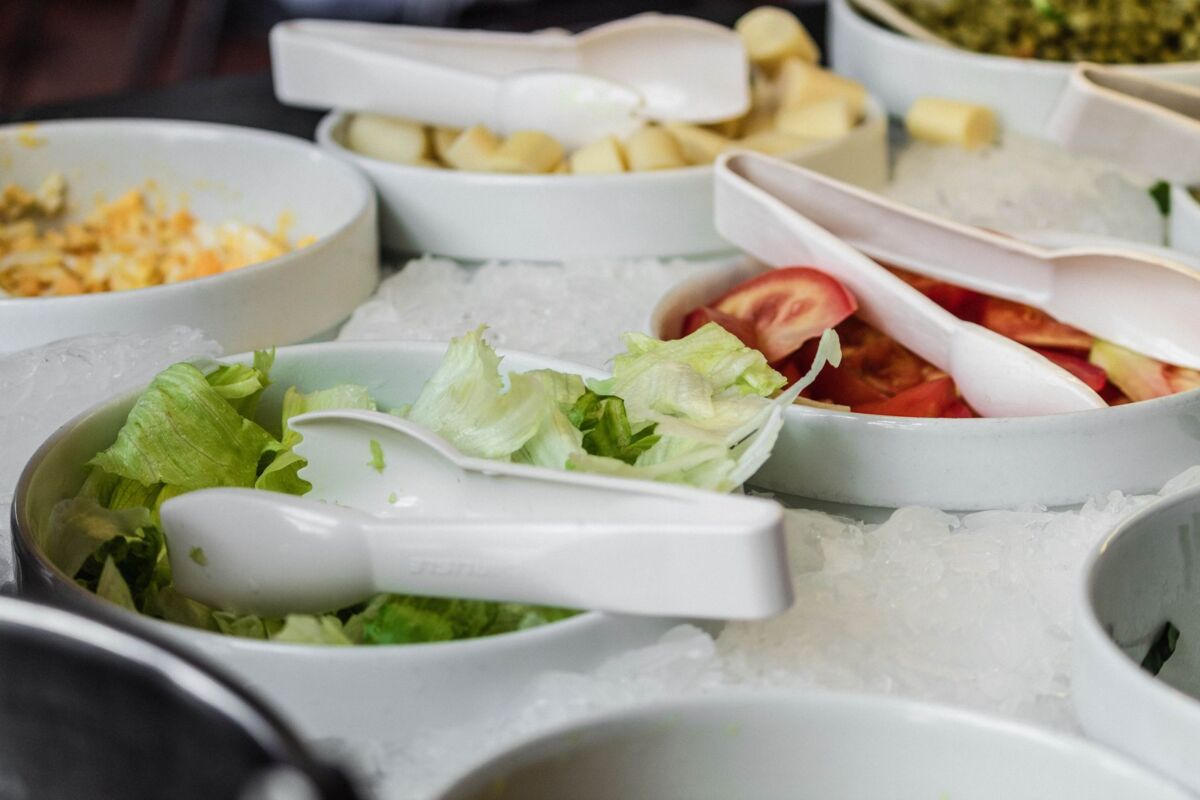
Buffets solve the single biggest headache of eating out with kids: everyone wants something different. Instead of negotiating one set menu, your child can build a plate of plain noodles and cucumber while you tuck into laksa, sashimi or a carving station. Picky eaters get to see the food before committing, which often nudges them to try more than they would from a printed menu. And a buffet bends to your family's pace rather than the kitchen's.
- Something for every eater - plain rice, pasta, fruit and bread sit alongside more adventurous dishes.
- No long waits - the food is already out, so a melting-down toddler eats within minutes of sitting down.
- You stay seated - one parent plates up while the other supervises, then you swap.
- Built-in entertainment - live stations, dessert counters and soft-serve machines keep kids occupied between bites.
- Predictable cost - you know the headline price up front, rather than gambling on a surprise bill.
The main types of family buffet in Singapore
Singapore buffets are not one thing, and the right pick depends on your budget, your kids' ages and the occasion. It helps to think in categories first, then shortlist a venue inside the category that suits you. Treat any names below as illustrative examples of stable, well-known formats - always confirm current pricing, age limits and availability on the venue's own website.
Hotel international spreads
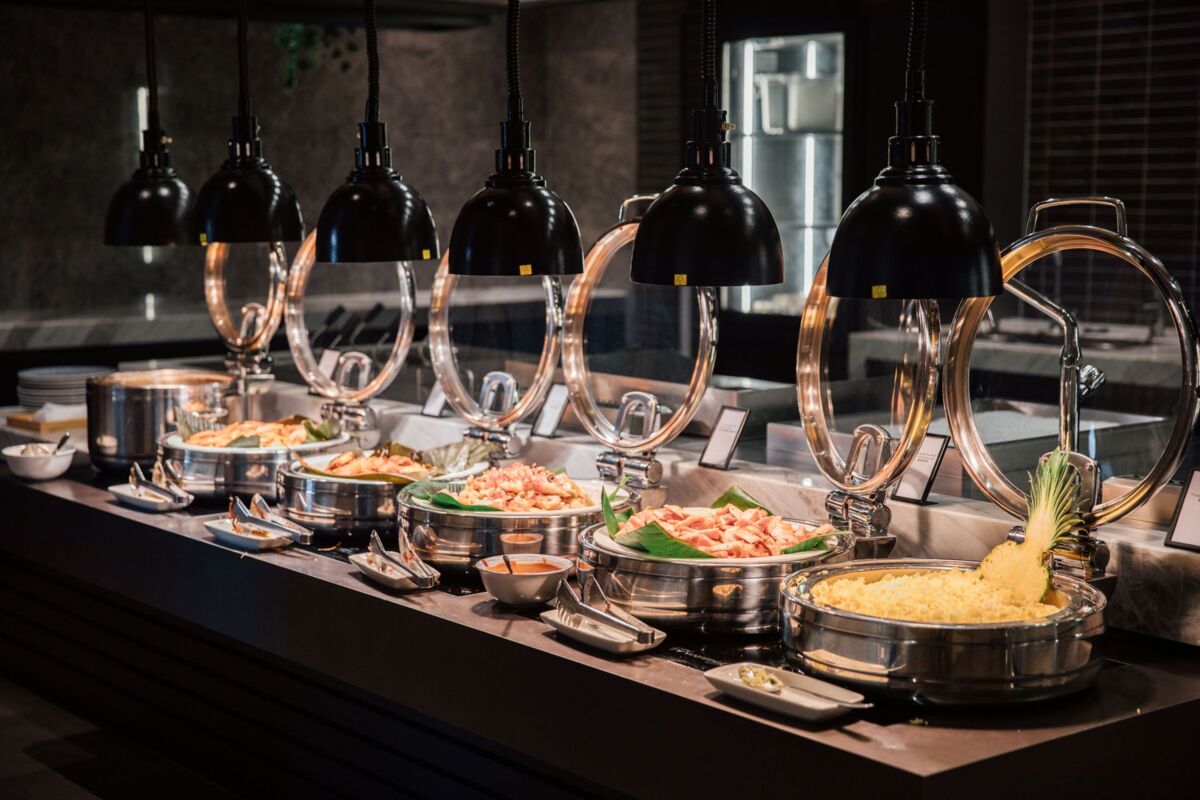
These are the splurge end: wide international selections, fresh seafood, carving and live-cooking stations and proper dessert counters. They tend to be calm, fully air-conditioned and stroller-friendly, which makes them a favourite for birthdays and lazy weekend brunches. Many run child pricing tiers and kids-dine-free windows, and some add a dedicated kids' counter or colouring corner. The trade-off is the price and, at peak sittings, a busy room - so they suit a treat rather than a weekly outing.
Halal buffets
A halal-certified buffet takes a whole layer of worry off the table for Muslim families and for anyone who simply prefers to eat halal. Several hotel restaurants and standalone buffet chains hold halal certification, and the spread is often just as wide - local favourites, Asian dishes, seafood and dessert. Never assume from the menu alone; certification can change, so verify the venue's current status on the official MUIS halal directory before you book (more on that below). Some halal-friendly venues also provide a prayer room, which is worth asking about when you reserve.
Hotpot and steamboat buffets
Steamboat buffets, where you cook thin meat, seafood, vegetables and noodles in a simmering pot at your table, are sociable and great value. The catch for families is the hot pot itself: a rolling boil at table height is a real burn risk for crawling babies and busy toddlers, so these suit slightly older kids who can sit still. If you go with little ones, ask for a corner seat away from walkways, and keep the pot on the far side of the table from small hands.
Japanese and Korean BBQ buffets
Grill-it-yourself Japanese yakiniku and Korean BBQ buffets turn dinner into an activity - older children love choosing and watching their own meat sizzle. Many of these chains sit inside malls, and some are halal certified. As with steamboat, the live grill is hot, so the same caution applies: better for school-age kids than for babies. The upside is that the cooking itself keeps fidgety kids engaged, which can be worth more than any play corner.
Garden, cafe and high-tea brunch buffets
Lighter weekend high-tea and brunch spreads at cafes, garden restaurants and clubs are an underrated middle ground - calmer than a steamboat, gentler on the wallet than a five-star spread, and often with outdoor space for kids to wander. They suit a relaxed Saturday with babies and toddlers, especially when there is a lawn or play area nearby to break up the sitting.
What makes a buffet actually work with kids
The widest spread in town counts for little if there is nowhere to park the pram or no high chair in sight. Before you commit, these are the practical things worth checking - the details competitors' restaurant lists often skip but that decide how the meal really goes.
- High chairs and booster seats - call ahead; popular outlets have a limited number that go fast on weekends, so reserve one when you book.
- Stroller access - hotel buffets are usually flat and lift-served, but a packed dining room can still trap a pram, so ask to be seated where you can park it.
- Nursing and diaper-changing - hotel and mall outlets generally have these nearby, but standalone shophouse venues may not; confirm if you have a baby.
- Kid-friendly food beyond the showpieces - check there is plain rice, pasta, bread, fruit and a soft dessert, not only spicy or raw items.
- Noise tolerance - a lively, family-heavy room is far more forgiving of a tantrum than a hushed fine-dining setting.
- Dietary and allergy options - buffet lines carry a real cross-contact risk, so ask staff about nut, egg, dairy or shellfish handling rather than guessing.
If managing allergies at a buffet line worries you, our guide to allergy-friendly eating in Singapore goes deeper on questions to ask and venues that handle it well.
How kids-dine-free and child pricing usually work
This is where families save the most, and also where the rules get fiddly. Most buffets price children by age band rather than by appetite, and the cut-offs differ from one venue to the next - so the same child can eat free at one restaurant and pay a child rate at another.
- Under a set age dine free - many venues let young children eat at no charge with a paying adult. The cut-off varies widely (often around five or six and below, but each venue sets its own), so never assume.
- Older children pay a child rate - kids roughly six to twelve often pay a reduced price, frequently around half the adult rate, before the full adult price as teens.
- Height-based pricing - some venues, especially hotpot and casual chains, charge by the child's height rather than age, with a free or discounted band below a set mark.
- Caps and conditions - free child seats are often capped per paying adult or per table, and may differ between lunch and dinner, weekday and weekend, or school holidays.
- Exclusions - free dining usually covers the buffet line only; a la carte items, premium add-ons and drinks are commonly charged separately.
- Blackout dates - promotions are frequently suspended on public holidays, their eves and major event weekends, so a Tuesday deal may not apply on a festive day.
How to verify a deal before you commit
A quick three-step check saves a nasty surprise at the till. First, open the restaurant's official site or its current social media post and read the fine print, not the headline. Second, note the exact dates, sittings and caps, and whether it applies on the day you plan to go. Third, phone the outlet to confirm it is still running and to reserve a high chair in the same call. Promotions advertised by third-party blogs are often out of date, so the venue's own channels are the only reliable source.
Halal buffets: how to confirm certification
Halal-certified status is granted by MUIS (Majlis Ugama Islam Singapura), and it can be added, renewed or lapse, so a restaurant that was certified last year may not be today, and vice versa. Do not rely on Arabic-style decor, a menu that avoids pork, or a sign in the window - check the official record. You can search current halal-certified eating establishments on the MUIS halal directory, and read consumer guidance on the MUIS halal information page. If a venue describes itself as 'Muslim-owned' or 'no-pork-no-lard' but is not on the directory, that is not the same as full certification - decide based on your own family's standard, and ask staff directly.
Where to find family buffets around the island
You do not have to head into town for a good spread. Knowing the rough geography helps you pick something close to home or near the rest of your day out.
- Orchard and the central hotels - the densest cluster of big hotel international buffets, easy by MRT and handy to pair with shopping in the cold.
- Marina Bay and the CBD fringe - waterfront hotel restaurants and large spreads, well served by trains and good for a special occasion.
- The river and Clarke Quay stretch - several hotel buffets a short, often sheltered walk from an MRT station, which matters on a wet afternoon with a pram.
- Heartland malls - where the casual hotpot, Korean BBQ and grill chains live, across the east, north and west, so you fold the meal into a normal mall day.
- The west and the gardens - calmer garden and club brunch buffets that pair with green space for kids to run off the meal.
For a cheaper, no-frills alternative when a buffet feels like overkill, our roundup of the best hawker centres for families covers spots with variety, space and easy parking - the spirit of a buffet at hawker prices.
Booking, timing and crowd tips
- Book the earliest sitting. Younger crowds, shorter queues and food that has just been laid out, and it lines up better with little ones' nap and bedtime routines.
- Reserve, and flag the kids when you do. Ask for high chairs, a corner or wall seat, and space for a pram in the same call - popular outlets fill their family-friendly tables first.
- Avoid peak festive dates. Buffets are busiest, priciest and most likely to suspend kids-free deals around public holidays and their eves - a normal weekday is calmer and cheaper.
- Scout the spread first. Do a quick lap with your child before plating so they can point to what they actually want; it cuts both food waste and tantrums.
- Start with the good stuff. If your kids fill up fast, head straight for the dishes they will eat (and the premium items you are paying for) before the bread and chips.
- Set a soft time limit. Many buffets cap the sitting at around 90 minutes to two hours anyway; with young kids, plan to be done before the meltdown rather than chasing value to the last minute.
What to bring and rainy-day backup
A little kit makes a long buffet smoother, and a touch of weather planning keeps the day on track.
- Bib, wet wipes and a spare top - buffets are messy by design, and a self-cook table doubly so.
- A small quiet toy or book - for the lull between plates while the adults finish.
- A light layer - hotel dining rooms run cold, so a cardigan keeps babies comfortable.
- Rain plan - choose a hotel or mall buffet within a sheltered walk of an MRT station; heartland-mall chains are fully indoors and make an easy wet-weather call.
- Snack buffer - if you are travelling far for an early sitting, a small snack heads off a meltdown before you are seated.
If you would rather have a treat after the meal than overload on dessert, our pick of the best ice cream in Singapore and the best desserts make a fun second stop nearby. For more family dining ideas across the island, browse our eat hub, and the tools section has planners and checklists for the bigger picture.
Frequently asked questions
What is the best buffet in Singapore for families with young kids?
There is no single winner; it depends on budget, your children's ages and how much fuss you can manage. Calm hotel international spreads suit babies and toddlers and often have kids-dine-free or child tiers, while self-cook hotpot and Korean BBQ buffets are cheaper and more interactive but better for school-age kids who can sit safely near a hot grill. Pick the category first, then confirm current pricing and conditions on the venue's official site.
Do kids really eat free at Singapore buffets?
Often, yes - many venues offer free dining for younger children with a paying adult. But the age or height cut-off, the cap per adult or per table, the eligible sittings and the blackout dates all vary, and promotions can end without notice. Treat any deal as unconfirmed until you have read the venue's current terms and, ideally, called to check.
How do I know which age a child pays from?
Each venue sets its own bands, so there is no universal rule. Many let young children under around five or six dine free, charge a reduced child rate up to about twelve, then the full adult price for teens - but some price by height instead of age. Always check the specific venue's policy rather than assuming, as the difference can be significant on a family bill.
How can I tell if a buffet is genuinely halal?
Look it up on the official MUIS halal directory rather than judging by the menu or decor. Certification is issued by MUIS and can change over time, so a venue's current listing is the only reliable confirmation. 'Muslim-owned' or 'no pork no lard' is not the same as full certification, so decide based on your family's own standard and ask staff if you are unsure.
Are hotel buffets stroller and high-chair friendly?
Most hotel restaurants are air-conditioned, spacious and generally accommodating of strollers, with nursing and changing facilities nearby. High chairs are usually available but limited in number, so reserve one when you book and ask to be seated where you can park a pram beside the table. Layouts differ, so a quick call ahead is always worth it.
Is a buffet good value for a family with small eaters?
It can be, but do the maths honestly. If your children eat tiny portions, a buffet may cost more than a couple of shared dishes even with a child discount - the value is in the variety, the sit-down and the no-waiting, not in clearing plates. Buffets pay off most with mixed appetites, a hungry teen, or a kids-dine-free deal you have confirmed.
Whichever category you choose, a buffet is one of the easiest ways to get a varied, fuss-free meal with kids in Singapore - just pick the right type for your family, book the earliest sitting, confirm the child pricing yourself, and let everyone build the plate that makes them happy.
Gluten Free and Allergy-Friendly Eating Out in Singapore: A Parent's Guide
A practical parent's guide to gluten free and allergy-friendly eating out in Singapore: allergens, hawker safety, talkin...
9 min read
Cat Cafe Singapore: A Family Guide to Animal Cafes
A parent's guide to the cat cafe Singapore scene and animal cafes: how they work, age rules, etiquette, welfare, and wha...
10 min read
Bak Kut Teh in Singapore: A Family Guide to the Comforting Pork Rib Soup
A parent's guide to bak kut teh in Singapore: peppery vs herbal styles compared, what to order for kids, spice tips and ...
10 min read