

The Best Desserts in Singapore: A Family Guide by Type
In this article
- Local cold favourites: chendol, ice kacang, ice jelly and cheng tng
- Warm tang shui: comforting sweet soups for cooler or rainy evenings
- Nyonya and Malay kueh: bite-sized and toddler-friendly
- Indian sweets: a different kind of treat
- Ice cream and gelato: from old-school uncles to botanical boutiques
- Korean bingsu: shareable, air-conditioned and pram-friendly
- Birthday cakes and where to find halal cakes
- Durian desserts: love-it-or-loathe-it, in a kinder format
- How to choose, and how to go with kids
- FAQ
Few things rescue a hot, slightly cranky afternoon faster than a bowl of shaved ice or a soft-serve cone, and the good news for parents is that desserts in Singapore are everywhere, affordable and wonderfully varied. You can go from a cheap bowl of chendol at a hawker centre to a Michelin-recognised gelato boutique in the same afternoon. This guide is built for families: instead of a shop list that goes out of date, we organise the sweet stuff by type so you know what to order, which picks tend to win kids over, and where the culture lives. We keep specifics general where they vary between outlets and point to official pages for anything that changes, so always confirm hours, prices and current locations before a special trip with little ones in tow.
Local cold favourites: chendol, ice kacang, ice jelly and cheng tng
If your family tries only one thing, make it chendol. It is a mound of finely shaved ice over coconut milk and gula melaka (palm sugar syrup), with chewy green rice-flour jelly and usually red beans. The flavour is sweet, fragrant and not too rich, which makes it an easy crowd-pleaser. Ice kacang (sometimes spelt ais kacang) is its colourful cousin: a dome of shaved ice piled with sweet corn, red beans, attap chee (palm seeds), jelly and bright syrups, often topped with evaporated milk. Many stalls now add sago, fruit or a scoop of ice cream.
Two gentler cold options suit younger or less sweet-toothed kids. Ice jelly (or chin chow lime) is a light, slippery jelly in a citrusy syrup, more refreshing than rich. Cheng tng can be served cold or warm: a clear, lightly sweet soup with longan, red dates, barley, lotus seeds, sago and white fungus, so it feels more like a fruity broth than a sugar bomb. You will find all of these at almost every hawker centre and food court across the island, so there is rarely a need to travel far. For a relaxed family outing, pick a hawker centre near you, grab savoury dishes first, then share a bowl or two of dessert to cool down.
Warm tang shui: comforting sweet soups for cooler or rainy evenings
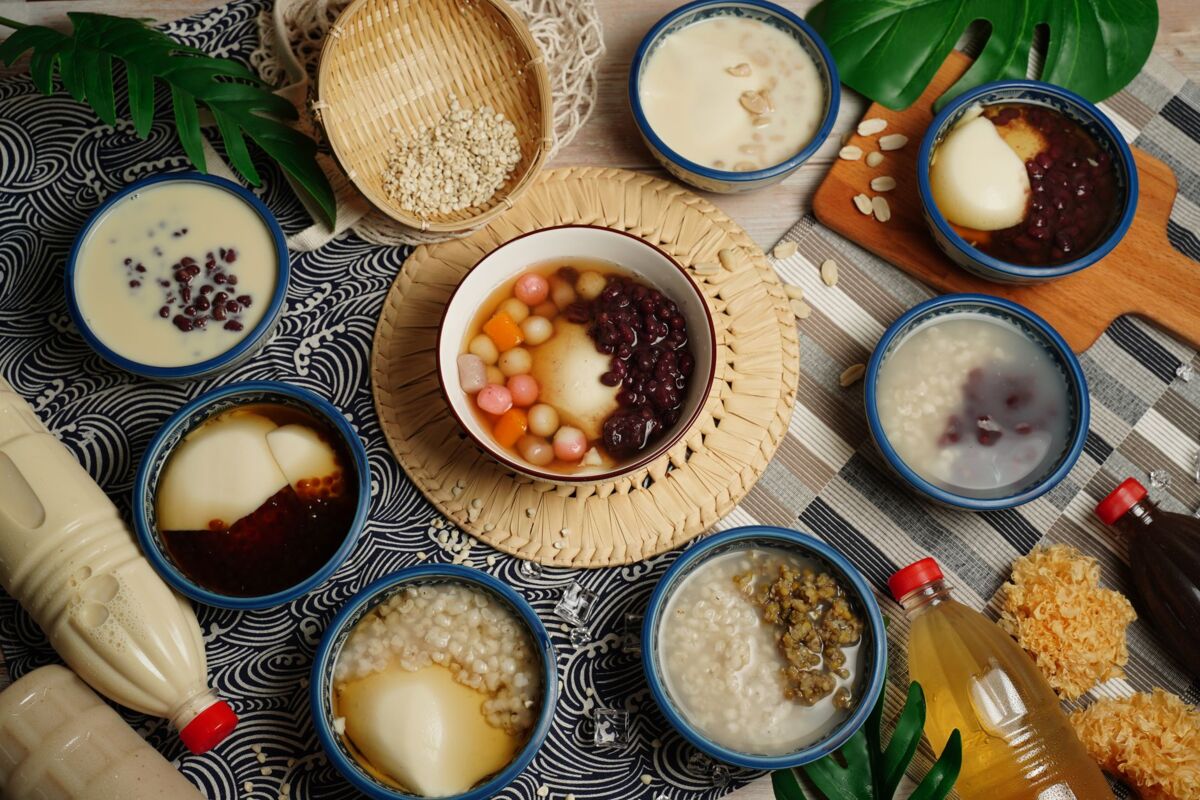
Not every dessert here is icy. Singapore has a whole family of warm Chinese sweet soups, often called tang shui or tong sui, that are gentle on younger tummies and perfect on a rainy evening or after a swim. They are inexpensive, easy to share and lighter than a big cake. Many traditional dessert houses and hawker dessert stalls keep several bubbling at once, so you can mix a warm bowl with a cold one for the table.
- Tau suan: a smooth, thick mung-bean dessert topped with crunchy cut you tiao (fried dough fritter); the soft-and-crisp contrast is a hit with kids.
- Pulut hitam (black glutinous rice): a warm, nutty porridge-like dessert with coconut milk on top, naturally not too sweet and filling.
- Tang yuan: chewy glutinous rice balls in a clear ginger or pandan syrup, sometimes filled with peanut or black sesame. Warming, though the chew means closer supervision for toddlers.
- Peanut and almond soup: silky, comforting and mildly sweet, with the obvious allergy considerations for nut versions.
- Red bean and green bean soup: classic, simple and easy on small palates.
- Tau huay (beancurd pudding): silky soya beancurd served warm or cold with light sugar syrup. It is soft, wobbly and one of the easiest desserts for babies moving onto solids and for grandparents alike.
Look for the dessert stall in any food centre and ask what is served hot. Tau huay in particular is a brilliant low-sugar, low-mess option for the youngest, since you control the syrup.
Nyonya and Malay kueh: bite-sized and toddler-friendly
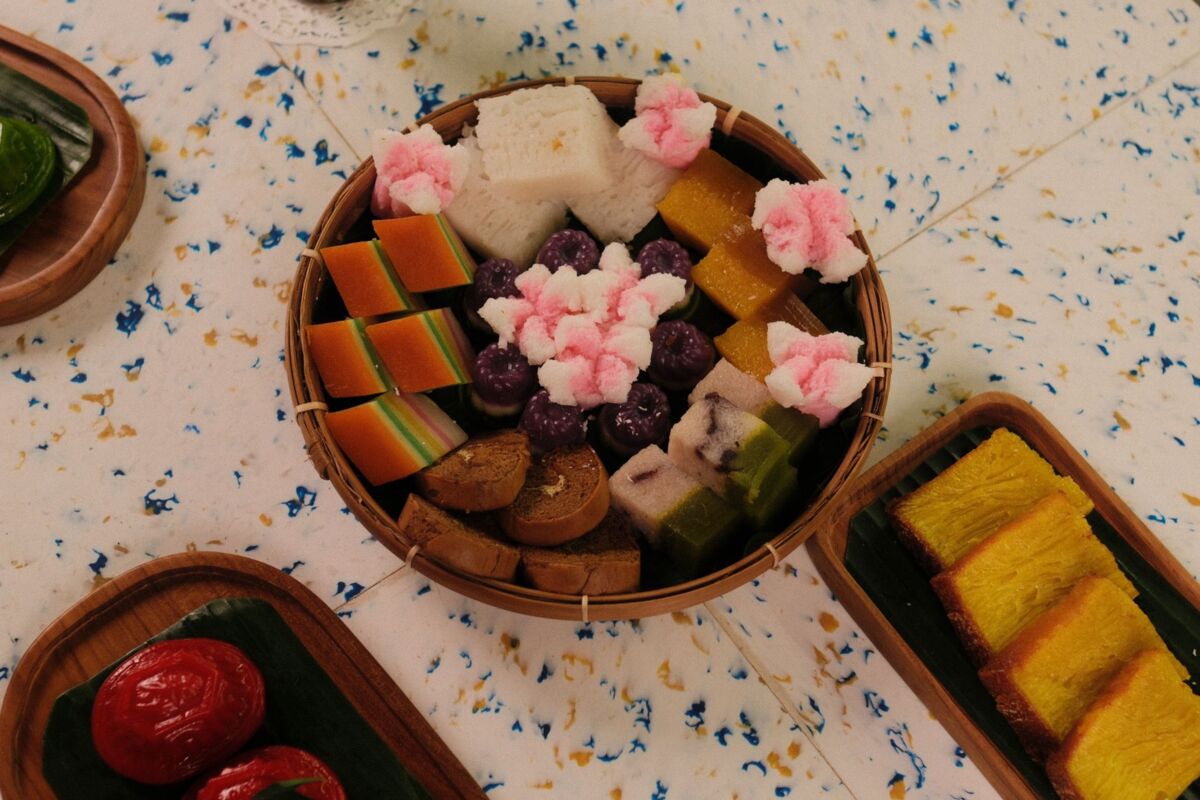
Kueh are the colourful, bite-sized snacks at the heart of Singapore's dessert heritage, often made with glutinous rice flour, coconut and pandan. Their small size makes them easy for little hands and perfect for sharing a few kinds across the family. Good ones to point out include kueh salat (a two-layer pandan-and-glutinous-rice cake), ondeh-ondeh (pandan rice balls rolled in grated coconut with a gula melaka centre that bursts in your mouth), kueh lapis (steamed layered cake you can peel apart), ang ku kueh (a chewy filled rice-flour cake shaped like a tortoise) and kueh dadar (pandan crepes rolled around coconut and palm sugar).
You will find kueh at hawker centres, wet markets, neighbourhood bakeries, Peranakan eateries and traditional confectioners. They are usually meant to be eaten fresh the same day, so buy what you will finish. The soft, mild flavours make kueh one of the most family-friendly dessert categories on the island, and a nice way to introduce kids to local flavours without an icy sugar rush.
Indian sweets: a different kind of treat
For something different, Little India and Indian sweet shops are full of mithai worth exploring with curious kids. Gulab jamun are warm, soft milk-dough balls soaked in fragrant syrup, while jalebi are crisp, spiral-shaped and sticky-sweet. Laddu, barfi and kulfi (a dense, slow-frozen Indian ice cream often flavoured with cardamom, pistachio or mango) round out the spread. These are richer than local hawker desserts, so a small shared piece goes a long way. Many are dairy-based and several contain nuts, so check before offering them to a child with allergies.
Ice cream and gelato: from old-school uncles to botanical boutiques
The most nostalgic option is the ice cream sandwich from a traditional ice cream uncle, often parked along Orchard Road and near attractions. A thick slab of ice cream is wrapped in colourful rainbow bread or pressed between thin wafers, with flavours from chocolate and sweetcorn to raspberry ripple. These uncles are becoming rarer as older vendors retire, so it is a lovely thing to point out to kids.
At the other end sits the modern gelato scene. Birds of Paradise is a gelato boutique known for botanical, plant-inspired flavours and house-made thyme-scented waffle cones, with several outlets around the island; check current flavours, locations and hours on the official Birds of Paradise site. Homegrown brand Udders is another familiar name, with local-leaning flavours and, helpfully, halal-certified options and ice cream cakes; see the official Udders site. Soft serve also pops up everywhere from cafes to fast food, and is usually the gentlest, least-sweet ice cream pick for a toddler. For a deeper dive into scoops and sundaes, our best ice cream in Singapore guide goes scoop by scoop.
Korean bingsu: shareable, air-conditioned and pram-friendly
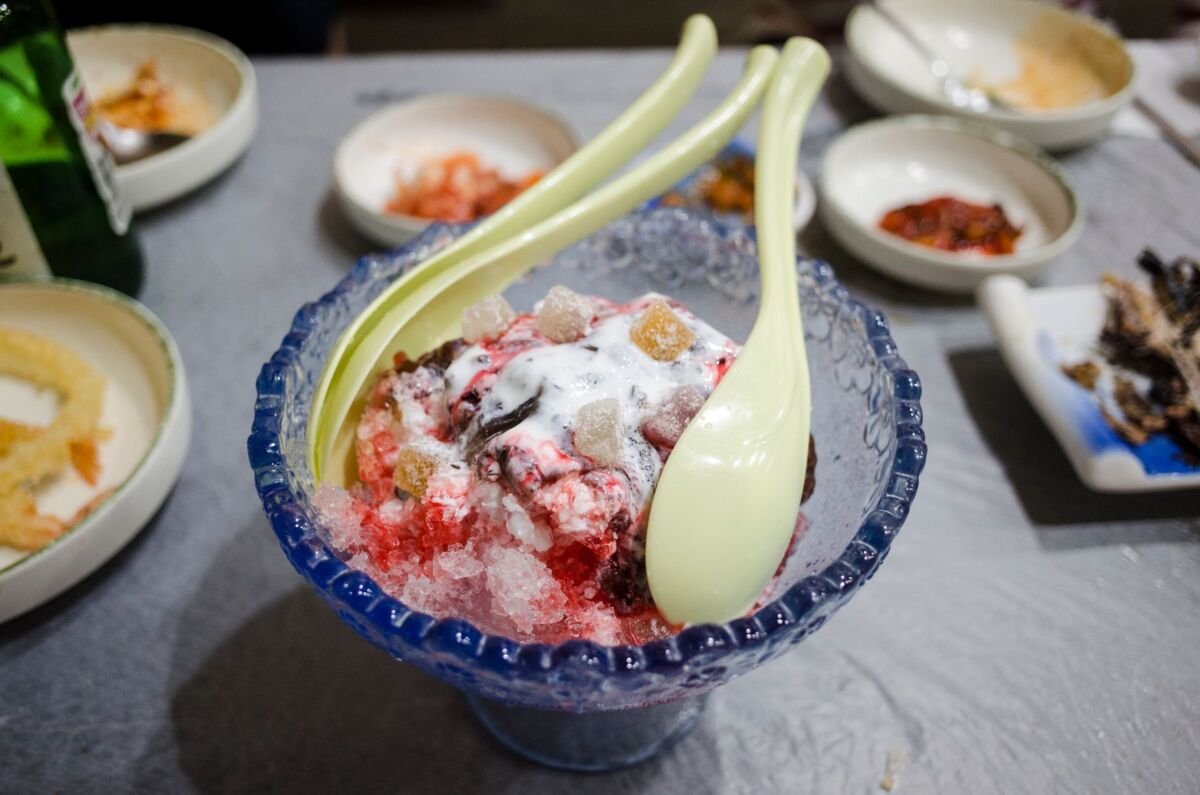
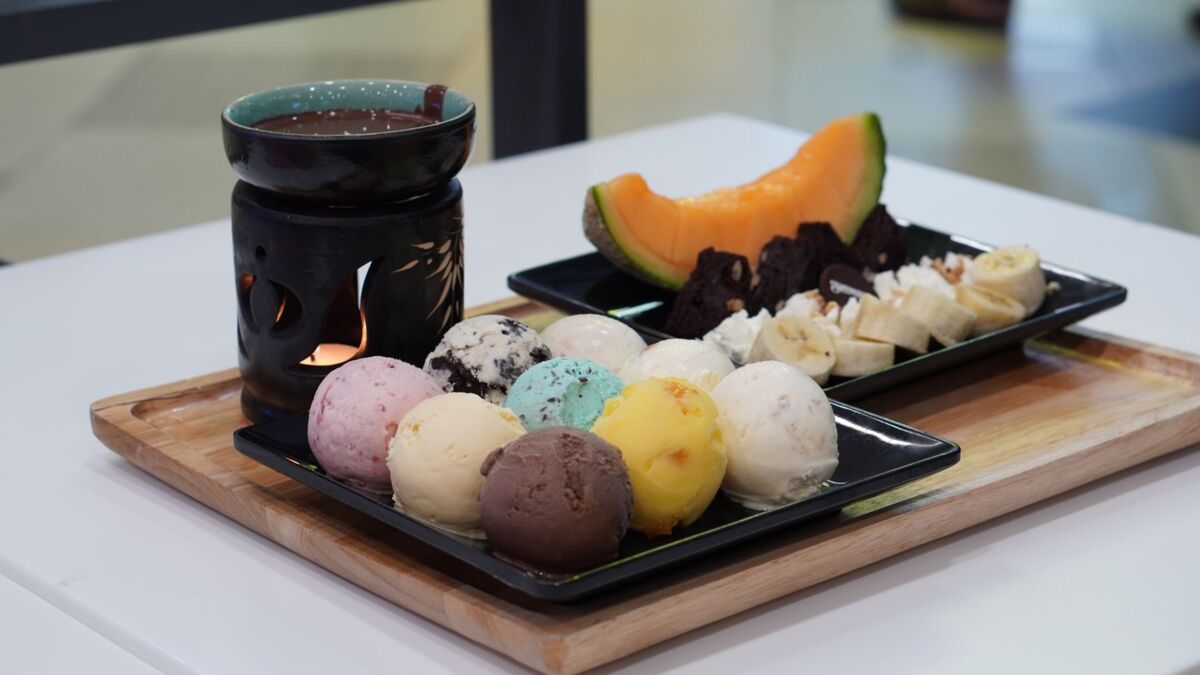
When you want a proper sit-down with aircon and somewhere to park the stroller, bingsu is hard to beat. This Korean shaved-milk-ice dessert is fluffier and creamier than local shaved ice, and usually arrives as one large bowl built for sharing, in versions like injeolmi (toasted soybean and rice cake), plain milk and mango. A single bowl easily feeds two or three, so bingsu works beautifully for a family treat or a rainy-day mall outing. Some flavours lean very sweet, so plain milk or fruit versions are often safest for younger children.
Birthday cakes and where to find halal cakes
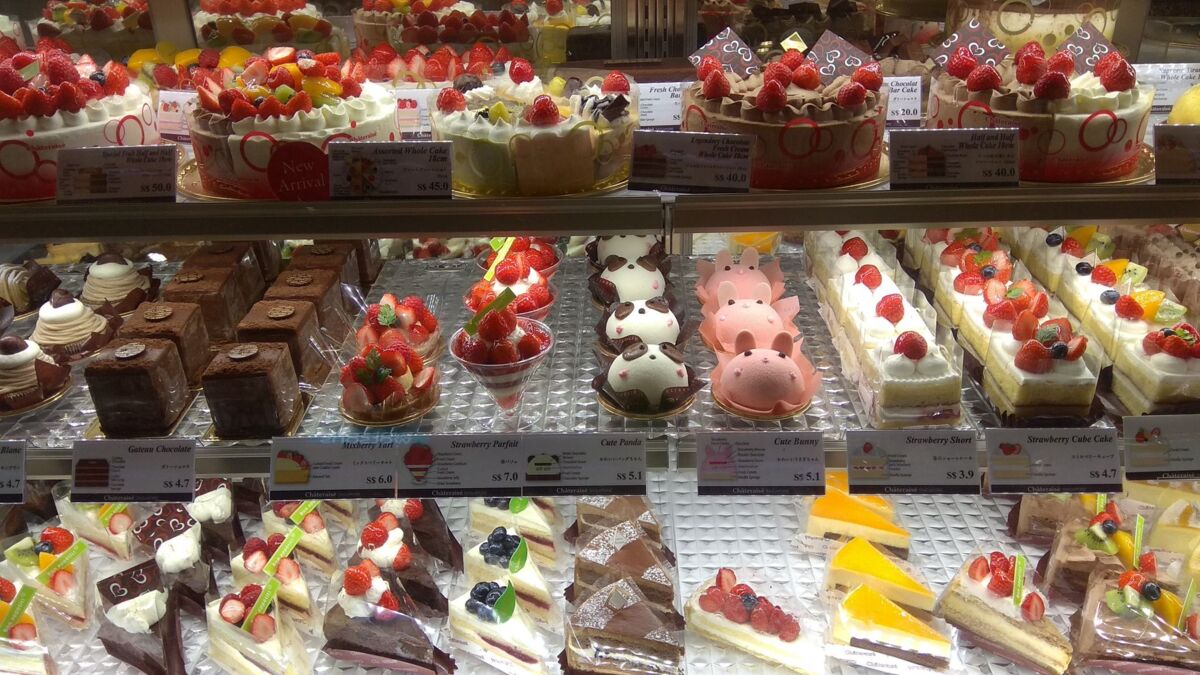
For birthdays, Singapore is spoilt for cakes, from light Japanese-style sponge and fresh-cream cakes to rich gateaux and fondant character designs. Rather than name shops that change, here is what actually matters when you order a birthday cake for a child:
- Order early. Custom and themed cakes commonly need several days' notice, and popular bakeries book out around weekends, school holidays and festive periods. Ready-made cakes from cake chains and supermarkets are the reliable last-minute backup.
- Match the design to the age. Toddlers love a simple character or single bold colour; older kids may want a specific theme. A smaller cake plus cupcakes is often easier to serve at a party than one huge tier.
- Ask about sweetness and size. Many bakeries offer less-sweet fresh-cream styles, which suit kids and grandparents better than heavy buttercream. Confirm how many the cake serves.
- Plan delivery or pick-up. Many bakeries deliver islandwide for a fee; if you collect it, a fresh-cream cake needs to go straight into a cool car and the fridge.
- Flag allergies clearly. Ask specifically about nuts, egg and dairy if anyone is affected, and request written confirmation rather than assuming.
For a halal cake in Singapore, do not rely on a cake simply looking pork-free or alcohol-free. Look for bakeries that hold MUIS halal certification and verify current status, since certification can lapse; you can check certified establishments via the official MUIS halal page. Several well-known cake bakeries are halal-certified and offer character and themed designs, so a halal-conscious family is not short of options for a birthday. To browse bakes beyond birthdays, our best bakeries in Singapore guide covers loaves, pastries and cafe bakes too.
Durian desserts: love-it-or-loathe-it, in a kinder format
Durian is the king of fruits, and durian desserts are a gentler way to introduce its custardy richness than the whole fruit. Think durian puffs and pancakes (cool cream wrapped in a thin crepe), durian ice cream and gelato, durian cheesecake and chilled mousse cups. The flavour is intense, so a small shared portion is plenty for a first try, and the chilled, creamy formats are easier on kids than fresh durian flesh. If your family falls for it, our best durian in Singapore guide covers the fresh fruit and varieties.
How to choose, and how to go with kids
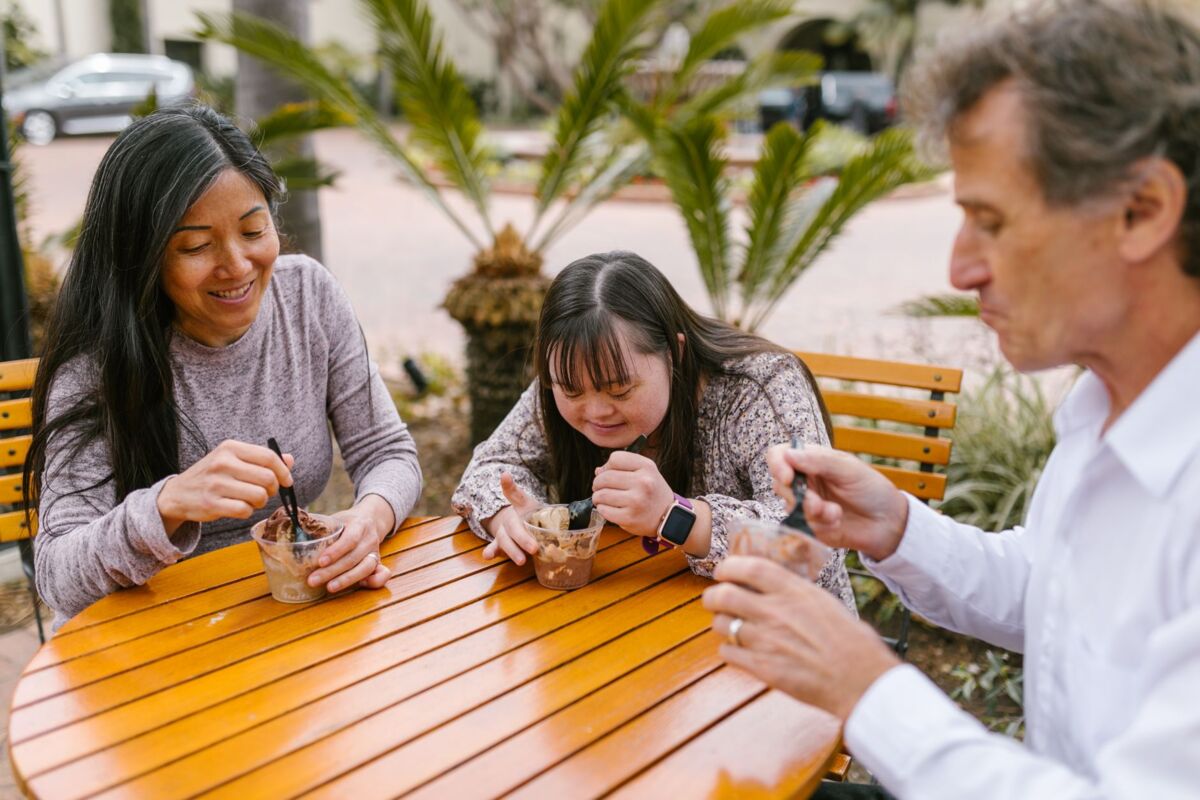
The simplest approach is to discover desserts neighbourhood by neighbourhood and match the format to the day and the child:
- Hot day: go cold. Chendol, ice kacang, ice jelly, gelato, soft serve or bingsu in aircon. Eat shaved ice near where you buy it.
- Rainy or cooler evening: go warm. Tau suan, pulut hitam, tang yuan, peanut soup or warm tau huay are comforting and easy to share.
- Youngest eaters: tau huay, soft serve, kueh and ice jelly are soft, mild and lower-sugar. Watch chewy items like tang yuan and ang ku kueh with toddlers.
- Stroller and toilets: hawker centres are the most budget- and pram-friendly option, most near an MRT or bus stop; malls win on hot or wet days with aircon, lifts, accessible toilets and nursing rooms.
- Crowd-timing: popular stalls and boutiques queue hardest after dinner and on weekends, so a weekday mid-afternoon is calmest with little ones.
- Sugar-smart: share one dessert between two children, ask for less syrup, and treat dessert as the finish to a meal. The Health Promotion Board's HealthHub has sensible family guidance on sugar.
- Allergy awareness: peanut soup, almond soup, many Indian sweets and some cakes contain nuts, so always ask before sharing. Our allergy-friendly eating guide has more on navigating menus safely.
For a themed afternoon, pair a meal with a nearby attraction and finish with something sweet on the way home; our family eats and outings on the blog have more ideas.
FAQ
What is the most famous Singapore dessert to try with kids?
Chendol is the classic starting point: widely available, inexpensive, refreshing and not overly sweet. Ice kacang is a colourful alternative kids enjoy for the toppings alone, and warm tau huay is gentlest for the very youngest.
Are Singapore desserts expensive?
Hawker desserts like chendol, cheng tng, tau huay and kueh are among the cheapest treats around, while gelato boutiques, bingsu cafes and customised cakes cost more. We do not list exact prices because they vary by outlet and change over time, so check the stall or official page before you go.
Where can I find a halal birthday cake in Singapore?
Several well-known cake bakeries are MUIS halal-certified and offer character and themed designs. Because certification can change, verify the bakery's current status rather than assuming, and confirm directly with the shop. You can check certified establishments on the official MUIS halal page linked in our sources.
Which desserts are best for a hot day versus a rainy one?
On a scorching day, go cold: chendol, ice kacang, ice jelly, ice cream or bingsu. When it is cooler or raining, warm tang shui like tau suan, pulut hitam, tang yuan and peanut soup are comforting and easy to share.
What desserts are gentlest for toddlers and babies on solids?
Warm or cold tau huay is soft, wobbly and lets you control the syrup, making it a great early option. Soft serve, ice jelly and small pieces of soft kueh also work well. Be cautious with chewy items like tang yuan and ang ku kueh, and anything containing nuts.
How far ahead should I order a children's birthday cake?
Custom and themed cakes commonly need several days' notice, and bakeries get busy around weekends, school holidays and festive seasons, so order early. For last-minute needs, ready-made cakes from established cake chains and supermarkets are the reliable backup.
Gluten Free and Allergy-Friendly Eating Out in Singapore: A Parent's Guide
A practical parent's guide to gluten free and allergy-friendly eating out in Singapore: allergens, hawker safety, talkin...
9 min read
Cat Cafe Singapore: A Family Guide to Animal Cafes
A parent's guide to the cat cafe Singapore scene and animal cafes: how they work, age rules, etiquette, welfare, and wha...
10 min read
Bak Kut Teh in Singapore: A Family Guide to the Comforting Pork Rib Soup
A parent's guide to bak kut teh in Singapore: peppery vs herbal styles compared, what to order for kids, spice tips and ...
10 min read