

Durian in Singapore: A Family Guide to the King of Fruits
In this article
- What durian is, and why Singaporeans love it
- The main durian varieties, in plain terms
- How to choose a good durian
- When is durian season in Singapore?
- Where families usually buy durian
- Introducing durian to kids
- Durian desserts and snacks for little ones
- Storing and handling durian at home
- Health notes: enjoy it in moderation
- Frequently asked questions
If your child has ever pinched their nose at a market stall and demanded to know what that smell is, they have already met the durian. In Southeast Asia it is crowned the King of Fruits, and in Singapore the season turns into a small family ritual: newspaper across the table, thorny shells cracked open, and kids deciding on the spot whether they are team durian or team never-again. This guide is for parents who want to do it well: what durian is, the varieties worth knowing, how to choose and store it, where families buy it, sensible health notes, the smell etiquette, and how to introduce it to little ones.
What durian is, and why Singaporeans love it
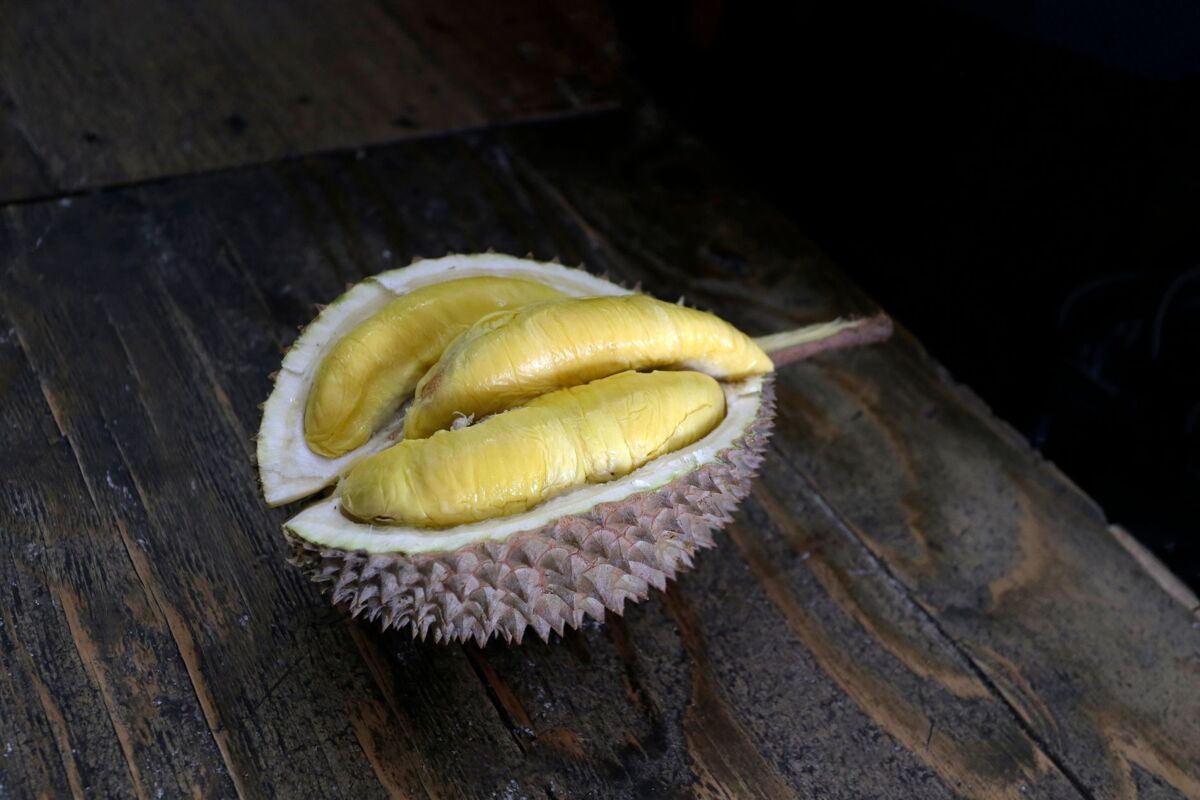
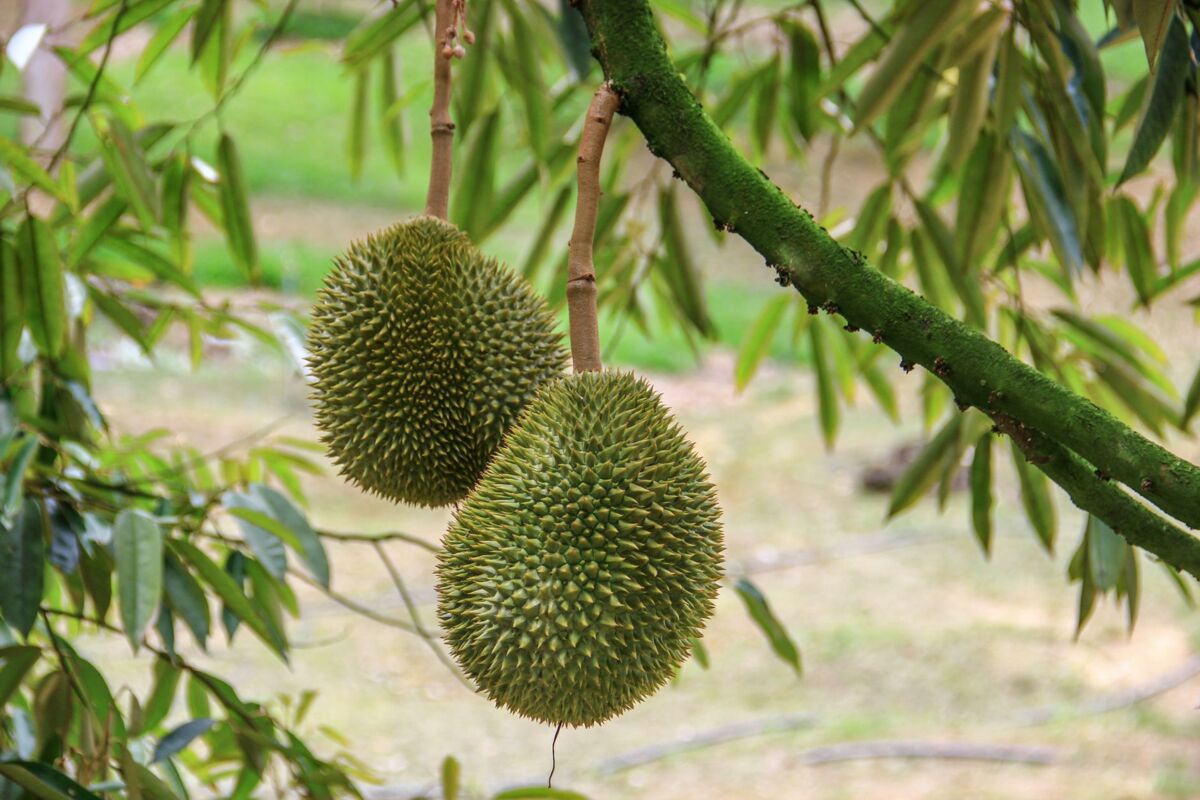
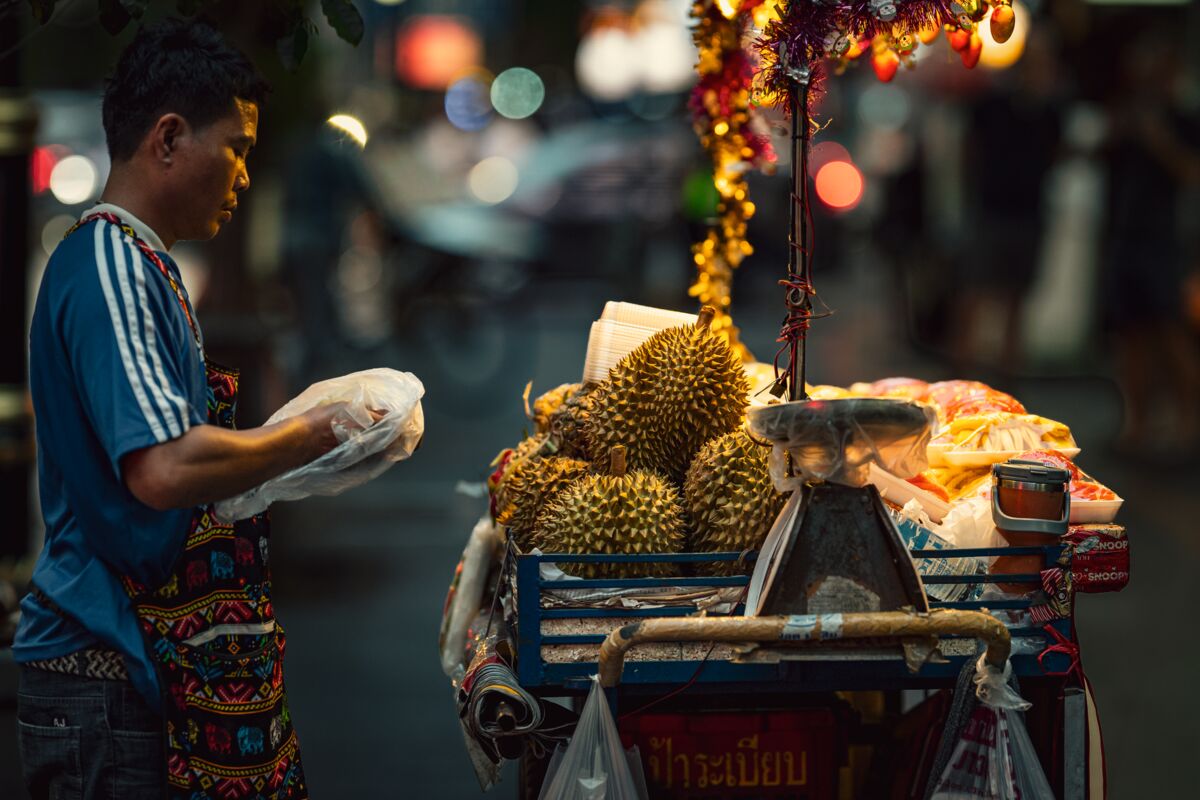
Durian is a large tropical fruit armoured in hard, sharp thorns, which is why you almost always see it sold whole or pre-packed in plastic boxes. Split the shell and you find soft, custard-like flesh in segments, each one hugging a seed. The flavour is famously hard to describe: rich and sweet, sometimes with a pleasant bitterness, and a texture closer to thick custard than to any other fruit. For many families the appeal is partly the taste and partly the ritual: messy, communal and seasonal, the kind of treat that pulls three generations around one table.
Then there is the smell, which nobody forgets. Durian produces a cocktail of sulphur-based aroma compounds, which is why some find it intoxicatingly good and others find it hard to be near. That divide is half the fun with children: some take to it immediately, others need a few seasons, and both reactions are normal.
The main durian varieties, in plain terms
Durian comes in dozens of cultivars, and you do not need to memorise them. A handful of names cover most of what you will be offered, and knowing them helps you ask for something your kids will actually enjoy.
- Mao Shan Wang (MSW, also called Musang King): the celebrity of the durian world. The name translates loosely as Cat Mountain King. Expect a complex bittersweet flavour, deep golden flesh and a thick, sticky creaminess. It commands the highest prices, especially early season, and is usually too intense as a child's first taste.
- D24 (Sultan): a long-standing favourite, buttery and smooth with a gentle bitter finish. Milder than MSW and a sensible middle ground for the family.
- Red Prawn (Ang Heh, also written Hong Xia): sweet, sticky and juicy with a softer smell. Often recommended for first-timers and children because it leads with sweetness rather than bitterness.
- Black Thorn: a prized premium variety, very creamy with a clean, less fibrous texture. Lovely but pricier and more intense, so not the obvious starter.
- XO: a sharper, slightly fermented, boozy bitterness. A grown-up favourite that most kids will find a lot.
- D101 and Golden Phoenix: sweeter, more approachable cultivars that make easy gateway durians.
As a rule of thumb, the bitter premium varieties such as Mao Shan Wang, Black Thorn and XO cost more and taste more intense, while sweeter types such as Red Prawn, D101 and Golden Phoenix are gentler for young palates. If you are buying with kids in mind, say so at the stall and ask for something sweet and mild.
How to choose a good durian
If you are buying whole, a few simple checks help. A good durian feels heavy for its size, has firm thorns and an intact stem, and smells fragrant rather than sour or fermented. The most reliable trick is the human one: tell the stallholder how you like it (sweeter, more bitter, drier, creamier) and let them pick. Sellers taste fruit all day and are happy to match a box to your family.
Whole fruit or pre-packed boxes?
Both have their place. Pre-packed boxes let you see the flesh before you commit and are far easier to carry home, a real advantage with a stroller in one hand. Buying whole and having the seller open it is cheaper per kilo and more of an event for the kids. Either way, agree on the variety, weight and price before they crack it open.
When is durian season in Singapore?
Durian is seasonal, and Singapore leans heavily on fruit trucked in from Malaysia, especially Johor and Pahang, so harvests shift from year to year with the weather. As a general pattern, the main season tends to fall in the middle of the year, around June to August, with a smaller window sometimes appearing near the end of the year. Treat those as rough guides, not guarantees: a wet spell or an early flowering can move everything by weeks, and quality varies batch to batch.
During peak season supply is high and prices ease, which is the friendliest time to take the family out; early-season Mao Shan Wang tends to be scarce and pricey. The most reliable move is to ask the stallholders what is good that week. They always know what has just arrived and what is worth your money.
Where families usually buy durian
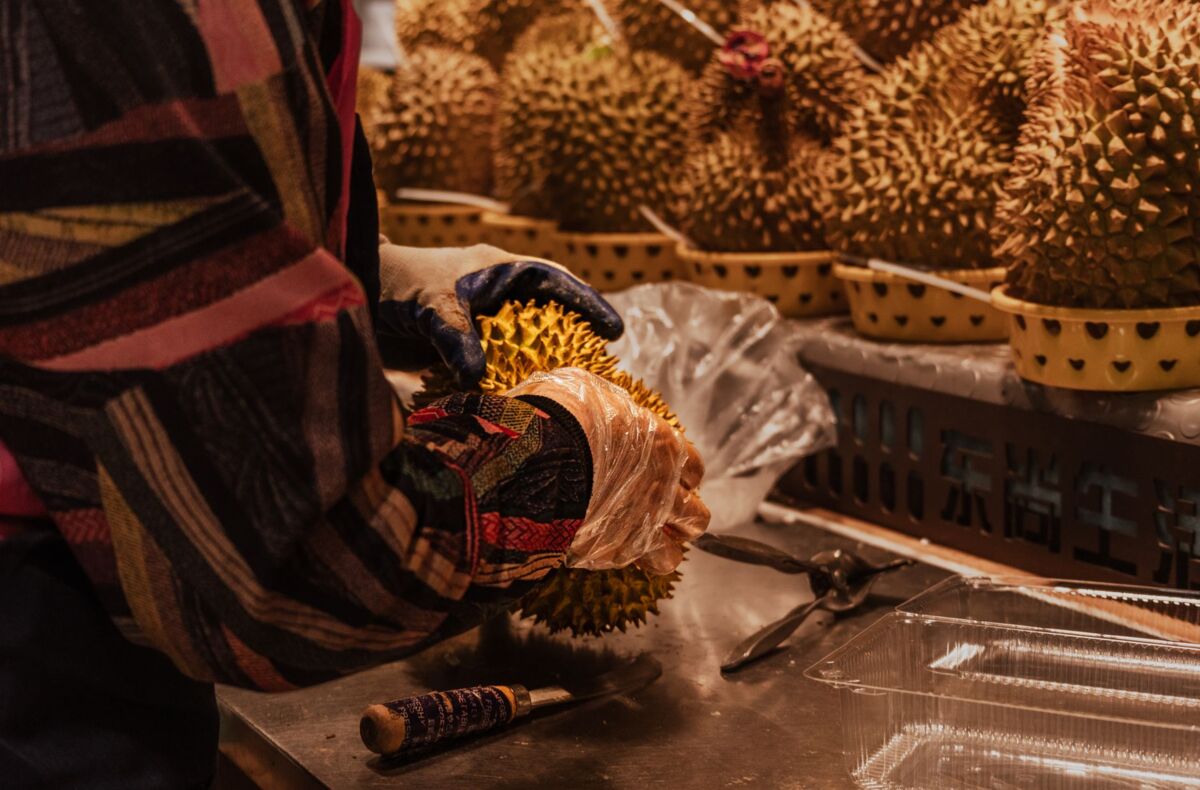
In season you will spot durian everywhere, from wet markets and supermarkets to dedicated stalls and online shops. The most famous hunting ground is the Geylang stretch, where stalls line the road and many stay open late, cracking fruit open at communal tables so you can eat fresh on the spot. That theatre, watching a thorny shell split with a gloved hand and a short blade, is half the fun for children. Neighbourhoods such as Balestier and various heartland markets also have well-loved stalls, so you rarely have to travel far.
A few practical pointers for buying with kids in tow:
- Tell the seller it is for children or first-timers and ask for a sweeter, milder variety.
- Buy fresh on the day, especially in warm weather, since durian softens and ferments quickly.
- Prices swing with the season and variety, so confirm price and weight before they open it.
- Pack wet wipes, water and hand sanitiser. There is no sink at the table.
- Go early evening on a weekday if you can. Weekend nights at the popular Geylang stalls get crowded, which is hard work with tired toddlers.
If hauling a stroller to a busy stall sounds like more than you can manage, delivery solves it neatly. Plenty of shops deliver island-wide, often with free delivery above a minimum order and same-day or next-day slots, so you can eat at home with the air-con on. For more family food ideas, our family-friendly hawker centres guide is a good next stop when durian is out of season.
Introducing durian to kids
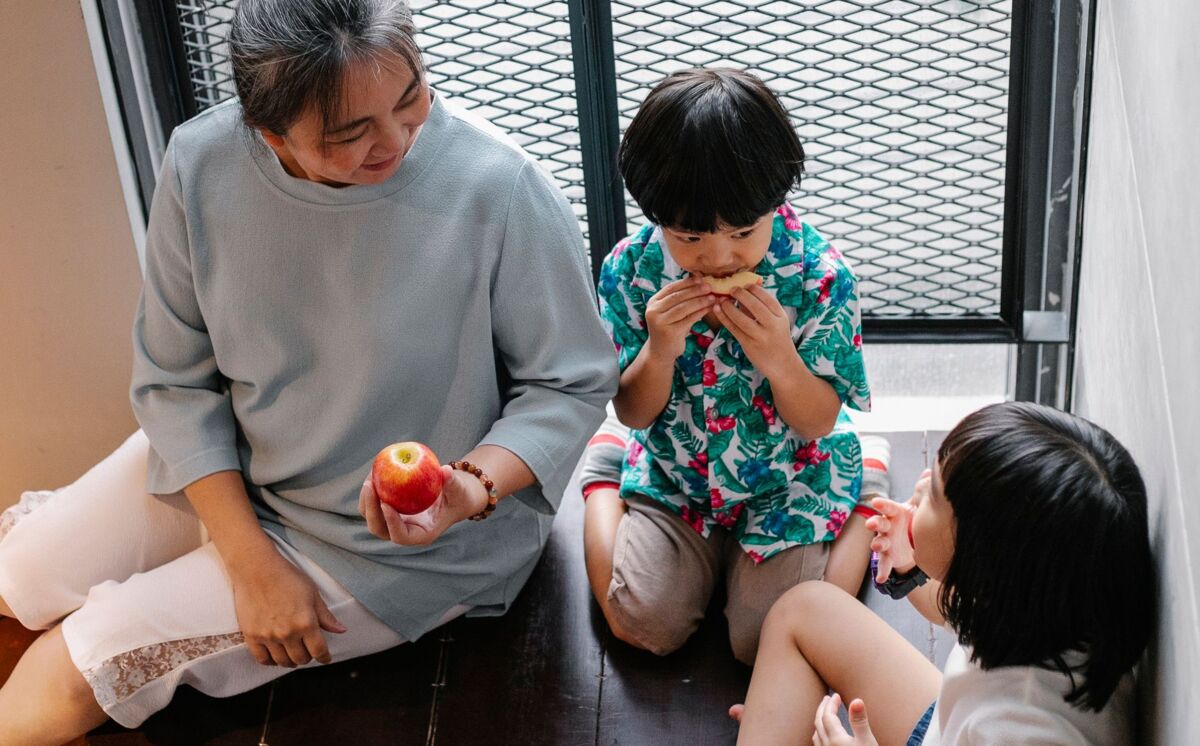
There is no rush to turn the first taste into a love story. Many children find the smell and richness overwhelming at first, and that is normal. As with any new food for young children, go slowly, start with a tiny amount and watch for any reaction. Very young babies are generally not given durian; it is rich, sugary and easy to overdo, so it is better introduced as a small treat once a child is comfortably eating a range of solids. If your little one is very young, has known allergies, or you have any specific concern, check with your paediatrician or doctor first rather than relying on a guide like this one.
When you do try it, a few things make the experience fun rather than forced:
- Let kids watch the shell being opened. The reveal builds anticipation and turns it into an event.
- Start with a thumbnail-sized piece of a sweet, mild variety such as Red Prawn or D101.
- Mind the seeds. They are large and should not be given to young children, so check each piece first.
- If fresh durian is too much, gentler durian-flavoured treats are a friendly gateway.
- Keep it light. If they say no, that is fine. Tastes change as children grow, and there is always next season.
Durian desserts and snacks for little ones
For kids who balk at the fresh fruit, the dessert version is often the way in. Durian ice cream is the classic starting point, milder and colder, which tames the smell and the intensity. Durian puffs (little choux shells filled with whipped durian cream) are a perennial favourite, and you will also find durian pengat (a warm, sweet pudding), mochi, pancakes and cakes. These are gentler than the raw fruit, which makes them a low-stakes first encounter and a tidy rainy-day backup. They do carry plenty of added sugar, so keep portions small. For a dessert crawl, pair them with picks from our best ice cream and best desserts round-ups for variety the fussier eaters will go for.
Storing and handling durian at home
Durian is best eaten the same day. For leftovers, lift the flesh off the seeds, seal it in an airtight container (a couple of layers, unless you want a fragrant fridge) and refrigerate for a day or two at most. It also freezes surprisingly well: many families freeze the flesh in portions and eat it partly thawed almost like ice cream, which kids enjoy. The smell clings to hands and knives, so wash up promptly; rinsing your fingers with water poured into the empty shell is an old local trick for getting the scent off.
Health notes: enjoy it in moderation
Durian is genuinely nutrient-dense, with fibre, potassium and vitamin C, and despite its richness it contains no cholesterol. The catch is that it is high in calories and natural sugars, so it is best treated as a special seasonal indulgence rather than a daily snack. A whole kilo carries a very large number of calories, easily a sizeable chunk of an adult's daily intake, which is exactly why a few seeds per person at a sitting is plenty.
You will also hear that durian should not be mixed with alcohol. According to HealthXchange by SingHealth, there is no evidence the combination is dangerous in the dramatic way the old tales suggest, but eating a lot of both together can leave you bloated, so going easy is sensible. The same source notes the traditional belief in pairing cooling mangosteen with heaty durian has no strong scientific backing; it is a harmless, tasty habit, so plenty of families do it anyway. If anyone is managing diabetes, watching their weight, or is pregnant, the sugar load is worth taking seriously, and it is best to check with a doctor about how much is sensible rather than relying on rules of thumb. For a wider look at introducing new foods carefully, our allergy-friendly eating guide is a useful companion.
Frequently asked questions
Is durian safe for children?
In small amounts, durian is fine for many children, but introduce it slowly like any new food and watch for reactions. Keep portions tiny and remove the large seeds first. For babies, toddlers, or any child with allergies, speak to your paediatrician first.
What is the best durian for first-timers and kids?
Go for a sweeter, milder variety rather than a bitter premium one. Red Prawn, D101 and Golden Phoenix are common gentle choices, while Mao Shan Wang, Black Thorn and XO are more intense and better saved for once your child is a fan. Tell the stallholder it is for children and they will steer you well.
Why does durian smell so strong, and can I take it on the MRT?
The fruit naturally produces a mix of sulphur-based aroma compounds that create its powerful, polarising smell. That same scent is the reason it is not allowed on the MRT or public buses and is banned in many hotel rooms. Eat it at the stall, take it home by car or taxi, or arrange delivery instead.
When is the best time to buy durian in Singapore?
The main season usually runs around June to August, with a smaller window sometimes near the end of the year, but timing shifts annually with the Malaysian harvest and the weather. Peak season generally means better supply and friendlier prices, so it is the easiest time for a family outing.
How much durian should we eat in one sitting?
Because it is rich and calorie-dense, a few seeds per person is plenty for most families. Treat it as an occasional seasonal treat, and be especially mindful of portions for young children and anyone watching their sugar intake.
Whether your family turns into devoted durian fans or politely passes after one whiff, trying the King of Fruits is a quintessential Singapore experience worth doing at least once. Plan it for the season, pick a gentle variety for the kids, remember the no-MRT rule, keep portions small, and lean into the messy, smelly, delicious fun of it. For your next food adventure, the wider Fussy Mama blog is full of family-friendly ideas.
Gluten Free and Allergy-Friendly Eating Out in Singapore: A Parent's Guide
A practical parent's guide to gluten free and allergy-friendly eating out in Singapore: allergens, hawker safety, talkin...
9 min read
Cat Cafe Singapore: A Family Guide to Animal Cafes
A parent's guide to the cat cafe Singapore scene and animal cafes: how they work, age rules, etiquette, welfare, and wha...
10 min read
Bak Kut Teh in Singapore: A Family Guide to the Comforting Pork Rib Soup
A parent's guide to bak kut teh in Singapore: peppery vs herbal styles compared, what to order for kids, spice tips and ...
10 min read