

Sushi in Singapore: A Family Guide to Eating Out With Kids
In this article
- The sushi formats Singapore families actually meet
- What to order for kids (and the picky-eater wins)
- Raw-fish safety for young children and pregnant mums
- Halal sushi and Japanese options
- Managing allergies at a sushi meal
- Choosing a family-friendly spot and timing it right
- Tips for surviving the meal with little ones
- Frequently asked questions
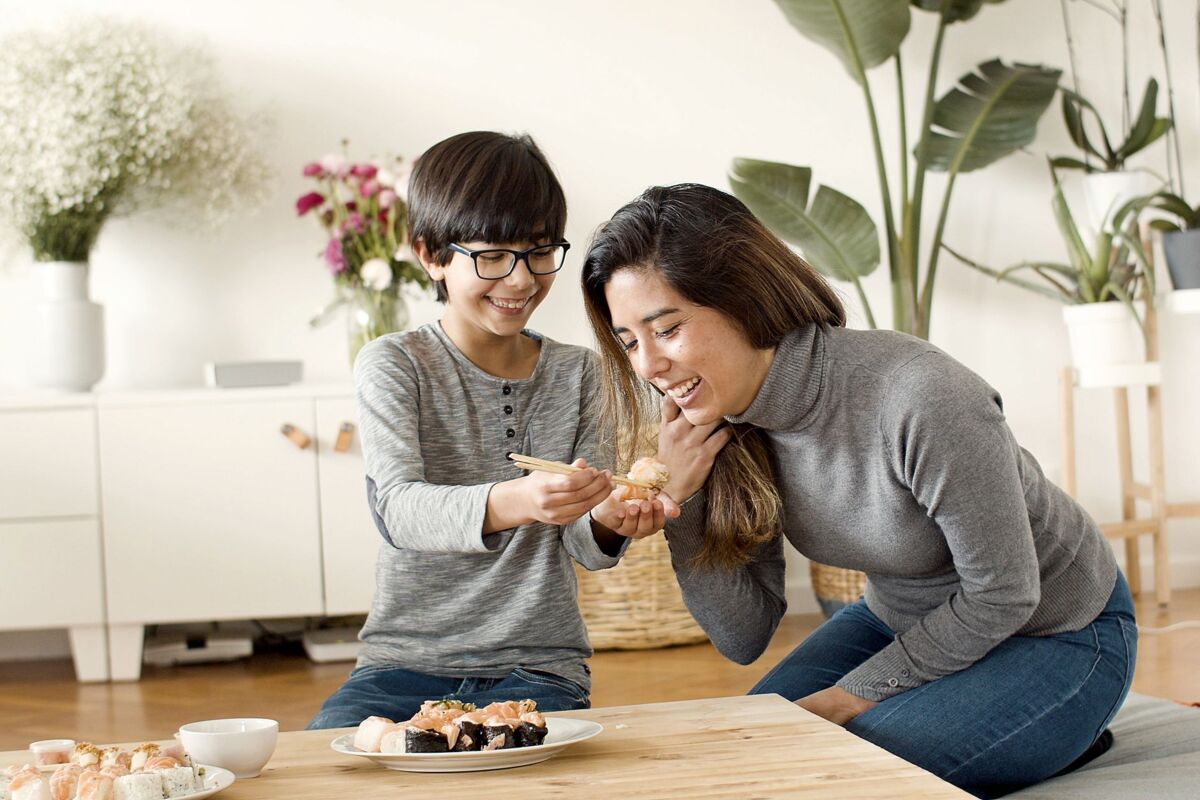
Sushi is one of the rare meals out that can keep a fussy toddler, a sushi-mad tween, and a wrung-out parent reasonably content at the same table. Singapore gives you the full spread, from rattling conveyor belts and tablet-ordering chains to hushed omakase counters and grab-and-go trays, and almost every format has something a young child will actually eat. The catch is that sushi sits right where two parent worries meet: keeping the meal calm and keeping raw-fish risks sensible, especially for the under-fives and for mums who are expecting. This guide is best for families who want a Japanese meal that works for mixed ages, and it covers the formats here, the kid-tested orders, halal options, allergy and food-safety guidance, and the small logistics (high chairs, strollers, crowd timing) that decide whether the outing is a joy or a scramble.
The sushi formats Singapore families actually meet
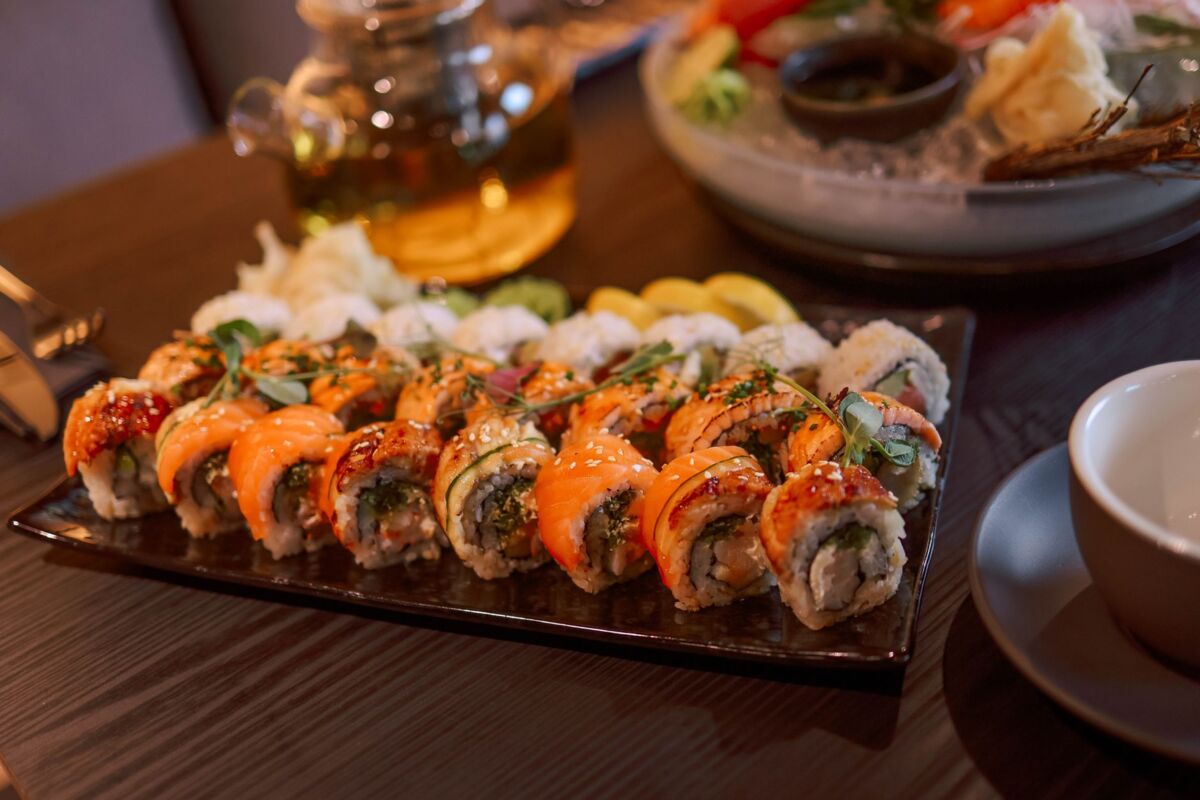
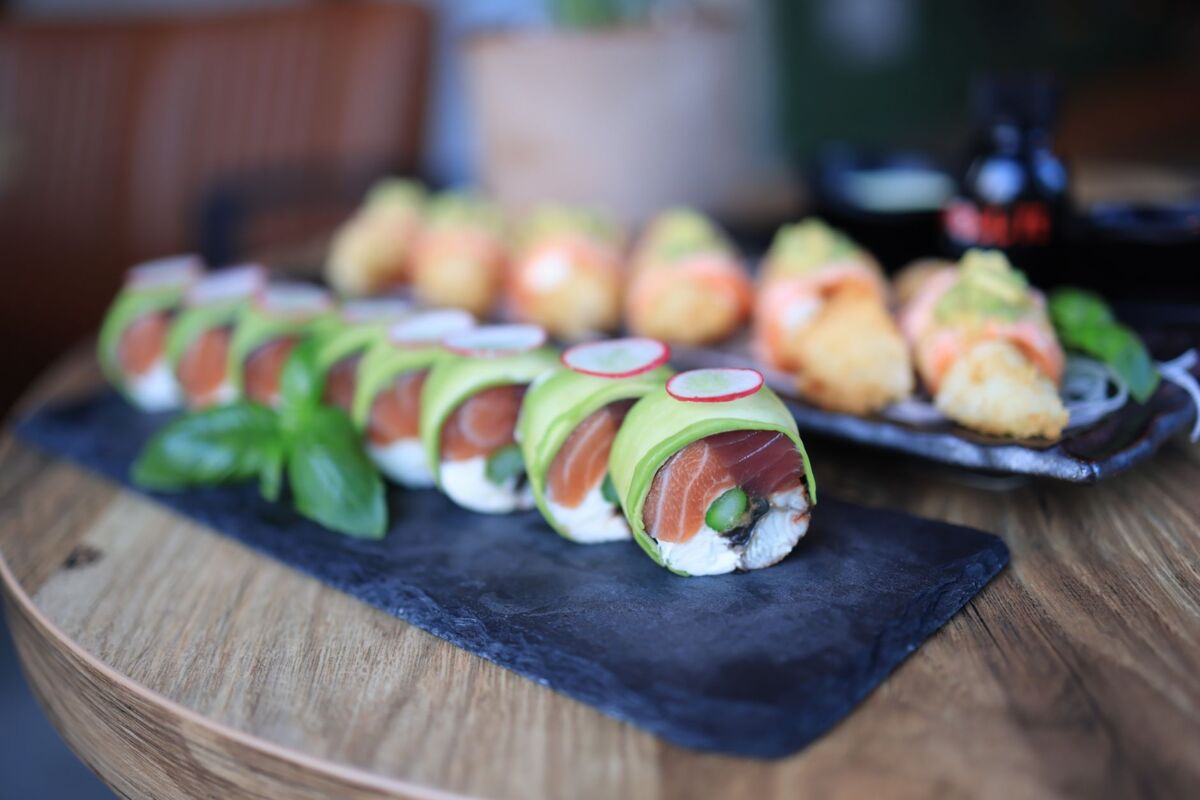
Picking the right format before you leave the house saves most of the stress, because each one suits a different age, budget, and energy level.
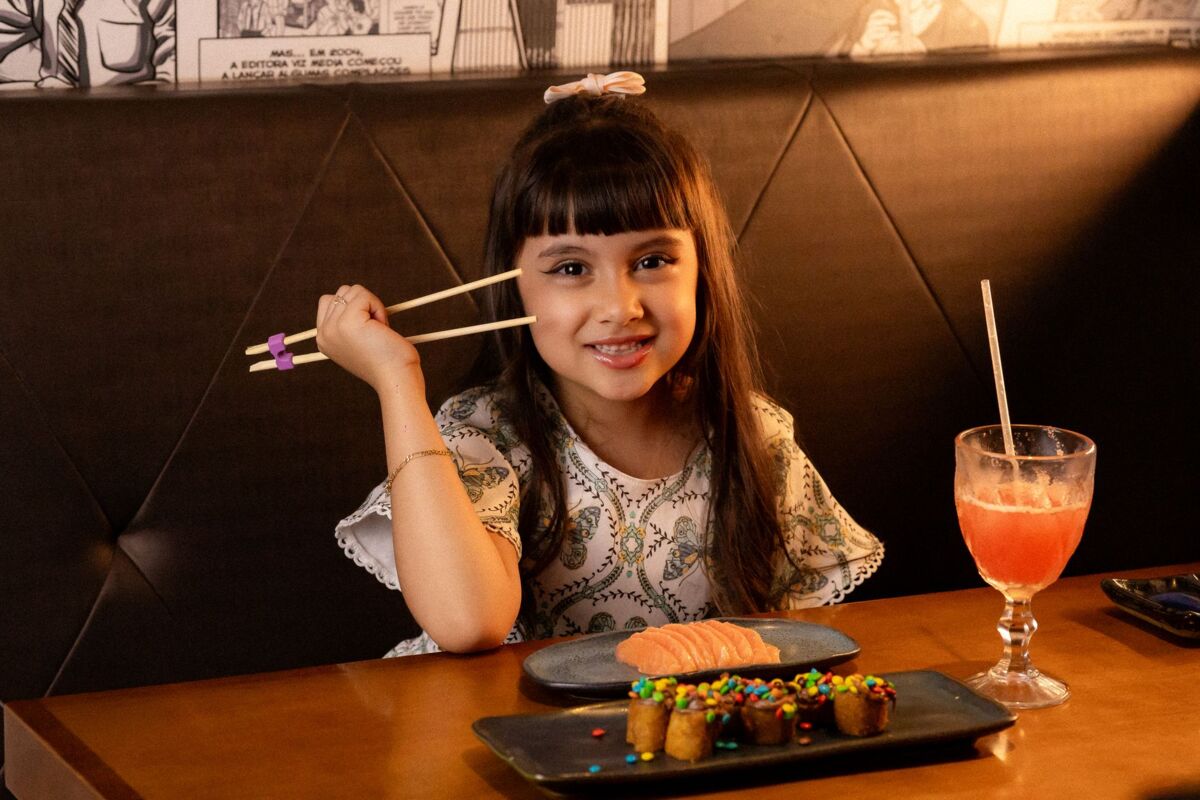
- Conveyor-belt (kaiten) sushi: The runaway favourite with kids. Plates glide past on a belt, or your order arrives on a little bullet-train, and most outlets let you tap selections on a tablet. The novelty alone buys a good twenty minutes of calm, portions are bite-sized, and the pacing suits unpredictable appetites. Chains in this style include Sushi Tei, Genki Sushi, Sushiro, and Sushi Express; confirm current formats and prices as outlets vary.
- Casual Japanese chains and mall counters: Sit-down spots and food-court counters serving sushi alongside udon, donburi bowls, and grilled dishes. Ideal when half the table does not want sushi at all. Familiar names like Ichiban Sushi, Itacho Sushi, Sushi Tei, and itadakimasu by PARCO turn up across malls island-wide.
- Omakase counters: A chef-led, multi-course experience, often heavy on raw fish and set at an unhurried pace. Wonderful for a grown-up date, but rarely right for young or fidgety children given the cost, formality, and long sitting time. A handful offer a dedicated kids course for older children, so always ask first.
- Budget and grab-and-go sushi: Pre-packed sets and trays from supermarkets, plus value chains like Umi Sushi where boxes can be very cheap on selected days. Perfect for a park picnic or quick lunch. Because these are ready-to-eat chilled items, storage and timing matter more here (see the safety section below).
- Sushi at home (delivery and platters): Most casual chains deliver through their own sites and the usual apps, and many do party platters. A platter on the dining table can be far less stressful than a restaurant with a toddler who refuses to sit, and you control the pace and the spice.
What to order for kids (and the picky-eater wins)
You do not need raw fish to enjoy sushi, and many of the most kid-friendly items are fully cooked or have no fish at all. These tend to land well with younger diners:
- Tamago (sweet egg) nigiri: Lightly sweet, soft, fully cooked. Often the very first sushi a child accepts.
- Inari: Sweet, seasoned tofu pouches stuffed with rice. No fish, mild, easy for small hands to hold.
- Cooked maki rolls: Built around cooked prawn, crab stick (usually imitation crab), tamago, cucumber, or avocado. A California-style roll is the classic gateway.
- Cooked nigiri toppings: Cooked prawn (ebi), grilled eel (unagi), or seared options where the fish is cooked through rather than raw.
- Tempura and katsu: Prawn or vegetable tempura and breaded chicken or pork cutlets are crunchy, familiar, and fully cooked.
- Warm sides: Plain udon or soba, miso soup, steamed rice, edamame, teriyaki chicken, and chawanmushi (savoury egg custard) rescue a child who decides mid-meal they are done with rice rolls.
Raw-fish safety for young children and pregnant mums
This is the part worth slowing down for. The Singapore Food Agency (SFA) treats ready-to-eat raw fish as a higher-risk food because it skips a cooking step, so it tends to carry more bacteria that can climb further if hygiene during preparation slips. SFA advises that vulnerable people with lower immunity, which it lists as pregnant women, children, and the elderly, plus those with chronic conditions such as diabetes, should avoid eating raw fish altogether. That single line covers most of what a parent needs at the table.
For pregnancy specifically, the worry is infection (including Listeria, which is far more dangerous in pregnancy and is linked to miscarriage, stillbirth, and premature delivery), parasites, and mercury in certain fish. The takeaway from SFA and international health bodies lines up: skip the raw stuff while expecting and choose cooked options instead. For young children, whose immune systems are still maturing, the same caution applies, and many parents wait until a child is older before introducing raw fish. There is no magic birthday for it; go by your comfort and your doctor's view, and when introducing any new seafood, offer a small amount and watch for an allergic reaction.
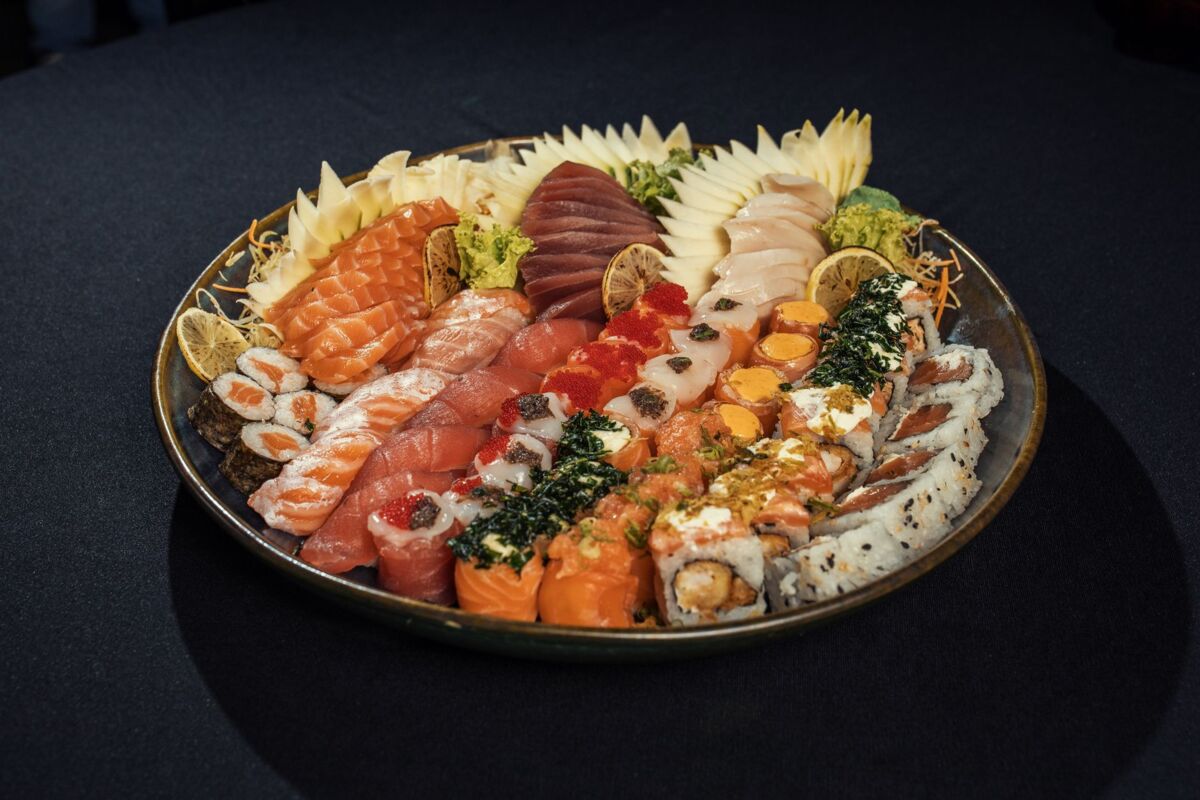
There is also a Singapore-specific reason raw freshwater fish never belongs on a child's plate. After a large 2015 outbreak of invasive Group B Streptococcus (GBS) linked to ready-to-eat raw freshwater fish, SFA banned raw freshwater fish in those dishes here, a ban in place since December 2015. Saltwater fish prepared for raw eating is treated as lower-risk, but for the youngest and most vulnerable diners, cooked is still the sensible default.
If the adults do want ready-to-eat raw fish, SFA's advice is to buy from licensed establishments, confirm it is intended for raw consumption, follow the packet's handling instructions, and chill it promptly at 0 to 4 degrees Celsius. Because this is your-money-or-your-life territory and every pregnancy and child differs, treat this guide as a starting point and speak with your doctor, obstetrician, or paediatrician for advice specific to your family. For feeding kids safely across cuisines, our guide to allergy-friendly eating in Singapore is a useful companion read.
Halal sushi and Japanese options
Sushi is more halal-friendly than many families expect, since plenty of kid-favourite items are seafood, egg, vegetable, or tofu based. The key is choosing outlets that are halal-certified or clearly labelled rather than assuming. Hei Sushi is widely known as a halal conveyor-belt sushi chain, which makes it a straightforward family pick, and several food-court Japanese counters carry certification too.
- Check the certificate, not the vibe: look for the MUIS halal certification displayed at the outlet, and remember it can be branch-specific, so verify the one you are visiting.
- Watch the extras: some sauces, mirin, and alcohol-based seasonings are not halal even when the fish is. Certified outlets handle this; elsewhere, ask. Cooked-prawn rolls, tamago, inari, cucumber and avocado rolls, edamame, and udon give a halal-conscious family a full order.
Managing allergies at a sushi meal
Shellfish is among the most common food allergens in Singapore, and seafood runs right through Japanese cooking, so sushi outings deserve extra care. A few things to keep front of mind:
- Hidden fish and shellfish: crab sticks, prawn, fish roe (the little orange beads), bonito flakes, and dashi-based broths and sauces can all carry fish or crustacean proteins, and cross-contact on shared boards or the belt is possible.
- The allergens to flag: priority allergens include fish, crustacean shellfish, egg, milk, soya, peanuts, tree nuts, and wheat. Sushi often touches several at once: soy sauce (soya and wheat), egg in tamago, and sesame garnish.
- Labelling is not the whole story: menu allergen detail here is patchy, so do not assume a card lists everything. Ask staff directly, and consider calling ahead for severe allergies.
- Carry your plan: for a diagnosed allergy, bring prescribed medication and know your action steps. When in doubt, order the simplest cooked items you can verify and skip the rest.
Choosing a family-friendly spot and timing it right
The food is only half the outing; the logistics decide whether it is relaxing. A few things to plan around, most of which the casual mall chains handle well:
- High chairs and a kids menu: mall-based casual chains and conveyor-belt spots almost always have high chairs and child-sized sets; omakase counters and tiny specialist bars often do not. Phone ahead if your child needs a high chair.
- Stroller access and space: shopping-mall outlets win here, with lifts, wide aisles, and room to park a pram. Narrow standalone sushi bars and counter seating can be a squeeze.
- Nursing and diaper facilities: rarely inside the restaurant itself, but mall locations put a nursing room and baby-changing station a short walk away, which alone is a strong reason to favour a mall outlet with a baby.
- Getting there: most family-friendly chains sit in MRT-linked malls, which beats hunting for parking with tired kids. If you drive, mall car parks are the easy option, and a fully sheltered route is a quiet bonus on a rainy afternoon.
- Crowd timing: aim for an early lunch (before noon) or an early dinner (around 5.30pm to 6pm) to dodge the queue and beat the meltdown window. Conveyor-belt chains pack out on weekends and public holidays, so go early or be ready to wait.
- Best age range: conveyor-belt and casual chains suit toddlers through teens. Save omakase for older, patient kids or a grown-ups-only night.
- Cost by format: grab-and-go boxes are cheapest, conveyor-belt plates sit in low single-dollar tiers, casual sit-down chains are comfortable mid-range, and omakase is a splurge. Check the current menu and keep a rough tally at the belt, as plates add up fast.
Tips for surviving the meal with little ones
- Use the tablet ordering: letting an older child tap in orders turns waiting into a game and keeps belt-grabbing in check.
- Set a plate rule: agree in advance how many plates each child can pull, so the bill and the table do not spiral.
- Pre-cut and de-stick: ask for rolls cut smaller, and remember nori can be chewy. A fork is fine; chopstick skills are optional.
- Mind the wasabi and soy: keep the green paste away from small hands, and offer soy in a tiny side dish or skip it for the youngest.
- Watch choking textures: for toddlers, cut sushi small and supervise closely, since sticky rice and whole edamame can be a hazard.
- Bring a backup: a familiar snack or a quick plain-udon order saves the day when the sushi experiment falls flat, and if you want only cooked items for a child or pregnant mum, tell staff clearly rather than guessing from a menu photo.
If sushi turns out to be a regular winner, it slots neatly into your family-eating rotation. Many parents alternate Japanese nights with a relaxed bowl run from our family hawker centres guide or the all-you-can-eat spots in our best family buffets roundup. For a sweet finish, our ice cream guide has the crowd-pleasers.
Frequently asked questions
Is sushi safe for toddlers and young children?
Cooked items such as tamago, inari, cooked-prawn rolls, and vegetable rolls are generally suitable when cut into small pieces and eaten promptly. SFA advises that children, as a vulnerable group, avoid raw fish, so the safest approach for the under-fives is cooked options, and check with your paediatrician about your own child.
Can I eat sushi while pregnant in Singapore?
You can enjoy cooked sushi, think cooked prawn or eel, tamago, vegetable rolls, and warm sides. SFA advises pregnant women to avoid ready-to-eat raw fish altogether because of infection risks including Listeria, plus parasite and mercury concerns. For guidance tailored to your pregnancy, ask your obstetrician and refer to current SFA advice.
What sushi has no fish at all?
Inari (tofu pouches), cucumber or avocado rolls, tamago (egg) nigiri, and many vegetable rolls contain no fish. Be aware that soy sauce, dashi-based sauces, and shared surfaces can still introduce fish or shellfish traces, so ask staff if an allergy is involved.
Is there halal sushi in Singapore?
Yes. Hei Sushi is a well-known halal conveyor-belt sushi chain, and some food-court Japanese counters are halal-certified too. Always check the MUIS certification at the specific outlet you visit, since certification can be branch-specific, and confirm sauces and seasonings are covered.
Why is raw freshwater fish treated differently here?
After a 2015 outbreak of invasive Group B Streptococcus linked to ready-to-eat raw freshwater fish, SFA banned raw freshwater fish in those dishes in Singapore. Freshwater fish eaten raw is considered higher-risk than saltwater fish, one more reason cooked options are the sensible default for children and pregnant mums.
Is conveyor-belt sushi a good choice for families?
For many families, yes. The bite-sized portions, tablet ordering, and novelty of the belt or train keep children engaged, and you can build an entirely cooked meal with ease. Just set a plate limit, go early to beat the queues, and supervise younger children around hot soup and the moving belt.
Gluten Free and Allergy-Friendly Eating Out in Singapore: A Parent's Guide
A practical parent's guide to gluten free and allergy-friendly eating out in Singapore: allergens, hawker safety, talkin...
9 min read
Cat Cafe Singapore: A Family Guide to Animal Cafes
A parent's guide to the cat cafe Singapore scene and animal cafes: how they work, age rules, etiquette, welfare, and wha...
10 min read
Bak Kut Teh in Singapore: A Family Guide to the Comforting Pork Rib Soup
A parent's guide to bak kut teh in Singapore: peppery vs herbal styles compared, what to order for kids, spice tips and ...
10 min read