
Bubble Tea in Singapore: A Family Guide to Boba, Sugar Levels and Treats
In this article
- What bubble tea actually is
- How to order: the Singapore system
- The well-known chains, and what really matters
- Pearls and young children: the safety point
- Understanding Nutri-Grade labels
- Why sugar is the thing to watch
- Smart, lower-sugar choices for kids
- Toppings beyond pearls
- Make a lighter version at home
- Boba as a family treat, done well
- Frequently asked questions
Walk through almost any mall, MRT interchange or HDB town centre in Singapore and you will spot a queue outside a bubble tea shop. Boba is woven into everyday life here, and sooner or later your child will point at a cup and ask for one too. The good news: you can absolutely make room for it. The trick is knowing what is in the cup, how the local ordering system works, how to read the Nutri-Grade label, and how to keep boba a happy occasional treat. This guide is for parents of toddlers through teens who want the fun without the sugar overload, plus the one safety point most lists skip: pearls and very young children do not mix.
What bubble tea actually is
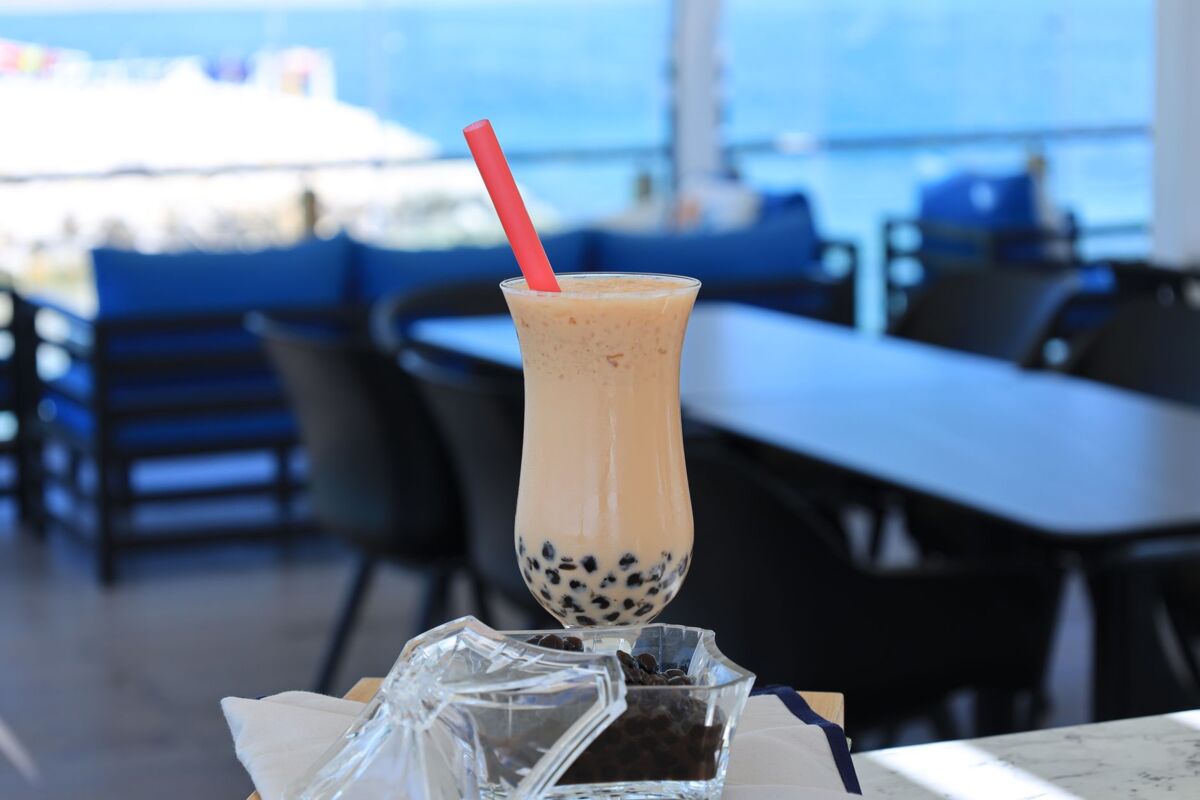
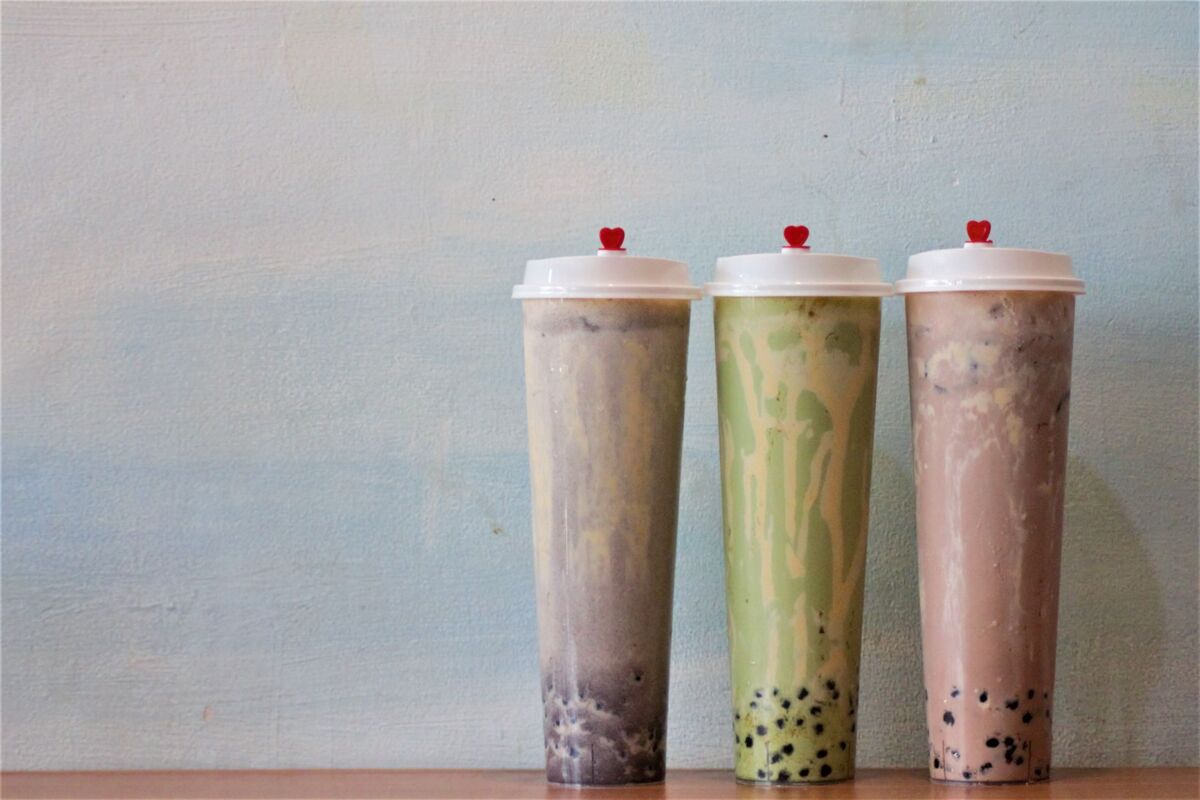
Bubble tea (also called boba or pearl milk tea) started in Taiwan in the 1980s and is now everywhere in Singapore. At its heart it is three things: a tea base, something to sweeten and soften it, and a chewy topping. The original topping is the dark, springy tapioca pearl, but most shops now offer a long list of add-ons. The "bubble" in the name actually refers to the frothy bubbles from shaking the tea, not the pearls, which is a fun fact to share while you queue.
The styles you will see on most menus include:
- Milk tea - black or oolong tea with milk, the most familiar version, usually with pearls.
- Brown sugar milk tea - milk and tapioca coated in glossy brown sugar syrup. Rich and very popular, and usually one of the sweeter cups.
- Fruit tea - tea blended with real or flavoured fruit, lighter and fresher than milk tea, though often still sweetened.
- Cheese tea - tea topped with a salty-sweet whipped cheese foam.
- Plain or fresh-brewed tea - green, black or oolong with little or no milk, the lightest choice for going easy on sugar.
How to order: the Singapore system
If you have never ordered before, the menu board can feel like a foreign language. Once you know the three dials almost every shop offers, it becomes simple. You pick your drink, then customise three things: sweetness, ice, and toppings.
Sugar level
Most shops let you set sweetness as a percentage, usually from 0 to 100 percent in steps of 25. Zero percent means no added sugar syrup, though the drink still carries natural sugars from milk, fruit or toppings. A practical starting point for kids is 25 to 50 percent. Taste buds adjust faster than you expect.
Ice level
You can usually pick less ice, normal ice, or no ice, and sometimes a warm version. Less ice means more drink but a stronger, sweeter hit, so it pairs well with a lower sugar level. A warm milk tea suits a rainy afternoon or a child who finds icy drinks uncomfortable.
Toppings
This is where the fun and the sugar both live. Classic tapioca pearls are chewy and satisfying but add calories and sugar, especially soaked in brown sugar syrup. Lighter alternatives such as aloe vera and certain jellies give texture with less sugar. More on toppings and the pearl safety point below.
The well-known chains, and what really matters
Singapore has a crowded, fast-moving bubble tea market, so brands open and close constantly. Names families will recognise include KOI, Gong Cha, LiHO, Tiger Sugar, The Alley, PlayMade, Each-a-Cup, CHICHA San Chen, HEYTEA and Chagee, among many others. Rather than ranking them, here is the point most useful for parents: chains differ in how much they let you customise. Some give full control over sugar, ice and toppings; a few serve certain drinks at a fixed sweetness. A shop's best-seller is not always the gentlest choice, so treat the menu as a starting point, and if you want a kinder cup for your child, choose a shop that lets you dial the sugar down.
Pearls and young children: the safety point
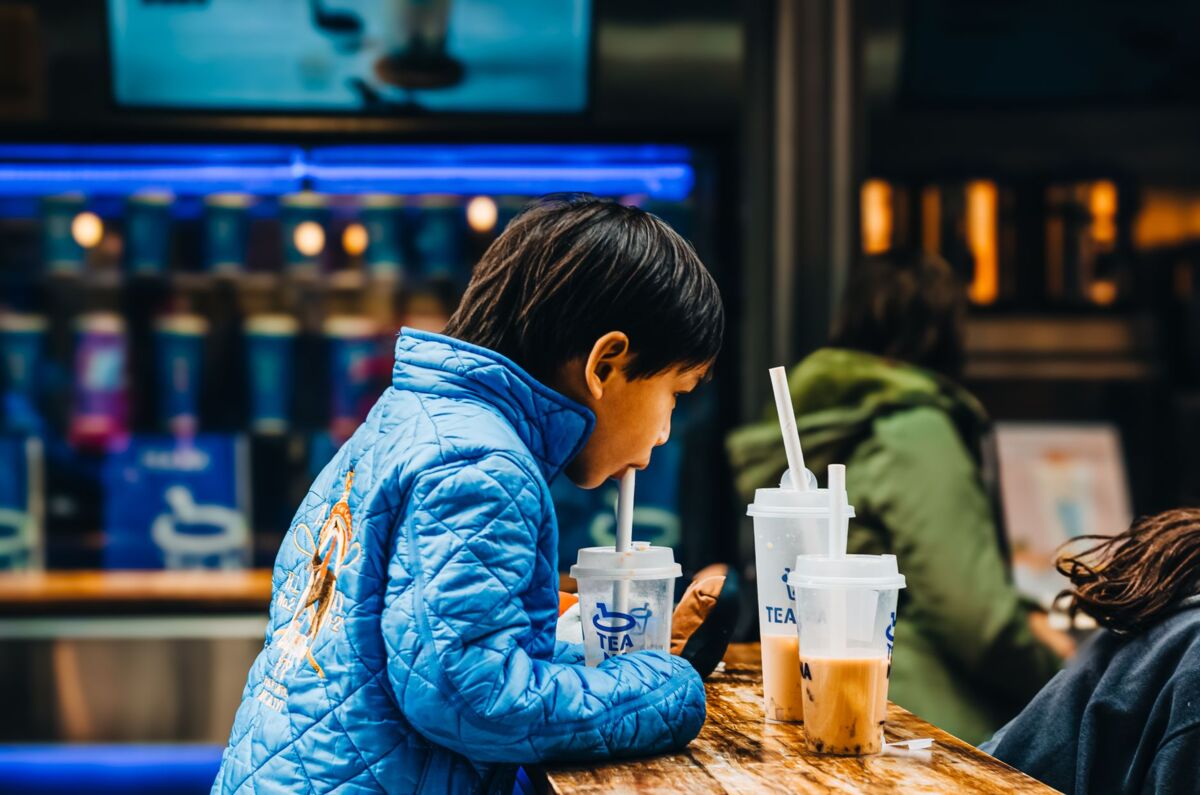
Here is the part the brand round-ups never mention. Tapioca pearls are small, firm, round and slippery, which makes them a genuine choking hazard for babies, toddlers and very young children. Boba and pearls are not suitable for little ones. For a small child who wants to join in, order a no-pearl drink, or share a few sips of a plain fruit tea instead.
For older children who can safely manage chewy foods, a few sensible rules make a big difference:
- Sit down to drink, rather than walking, running or playing while sipping.
- Sip slowly and chew the pearls properly instead of gulping them through the straw.
- Skip the extra-wide "boba straw" for younger kids, so it is harder to inhale several pearls at once.
- Always supervise, and watch the cup so a younger sibling does not grab someone else's pearls.
If your child has a medical condition, swallowing difficulty, or you are simply unsure what is appropriate for their age, check with your doctor or a dietitian. This guide is general information, not medical advice.
Understanding Nutri-Grade labels
Since the end of 2023, freshly prepared drinks sold in Singapore, including bubble tea, fall under the Nutri-Grade labelling scheme run by the Health Promotion Board. It is a simple front-of-menu mark that helps you compare drinks at a glance, the same way you might glance at a traffic light.
Drinks are graded from A to D based on their sugar and saturated fat content, with A (green) being the lowest and D (red) being the highest. Drinks graded C and D must show the Nutri-Grade mark on menus or packaging, and grade D drinks generally cannot be advertised. A drink takes the lower of its sugar grade and its saturated fat grade, so a cup can land at C or D on either count. Some smaller businesses with limited revenue and few outlets are exempt from the mandatory C and D labelling.
Two things matter for bubble tea specifically:
- The grade is based on a default recipe. Because you customise boba so heavily, the menu states the assumptions used for the grade. Changing the sweetness or toppings changes how much sugar you actually drink, often for the better.
- Toppings are flagged separately. Add-ons such as pearls carry their own sugar declaration on the menu, so you can see that the chewy bits add sugar on top of the drink's base grade.
You can read the official explanation on the Health Promotion Board's Nutri-Grade page. The simple takeaway for families: use the letter to compare, then use the dials to do better than the default.
Why sugar is the thing to watch
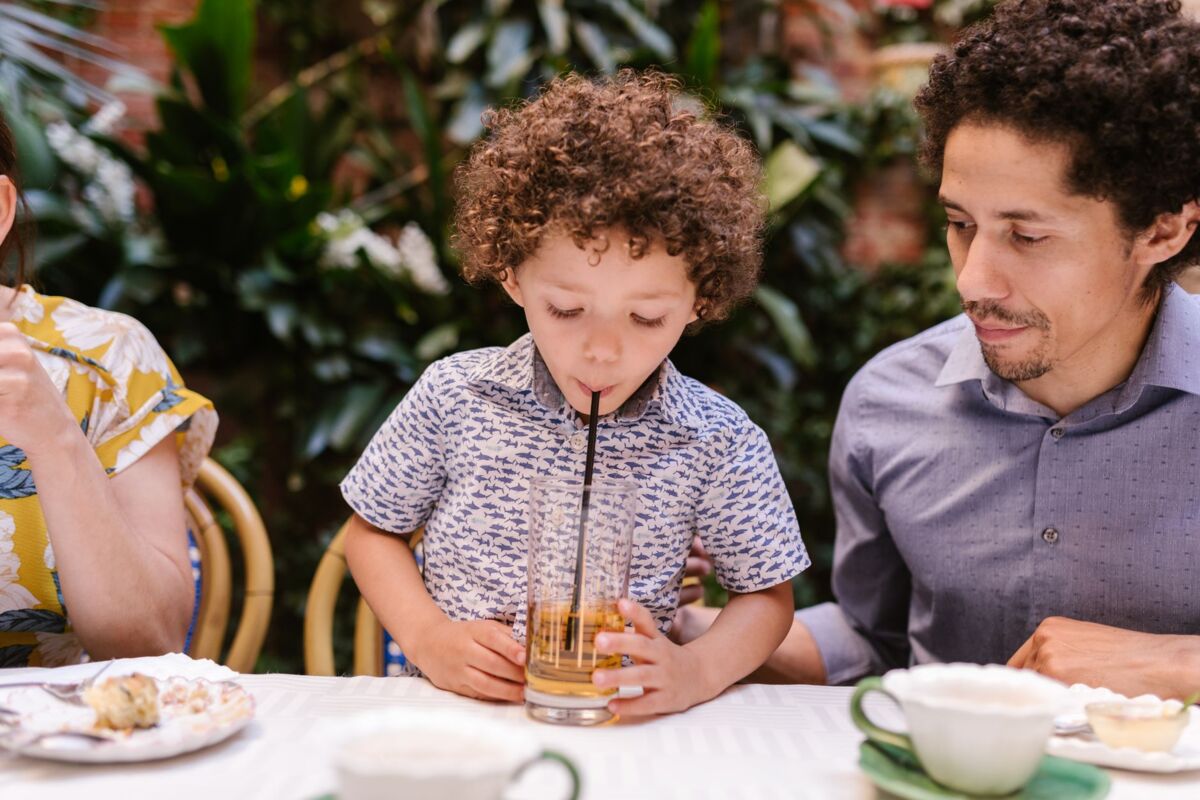
This is where parents tend to pause, and rightly so. A full-sugar milk tea with pearls can be surprisingly high in sugar and calories, and a single cup can use up a large share of a child's recommended daily added sugar. Health Promotion Board messaging frames sugar-sweetened drinks as occasional, with plain water as the everyday default.
None of this is a reason to ban boba forever. It is simply a good reason to treat it as an occasional treat rather than an after-school routine, and to make a few easy swaps when you order. The same logic we apply to ice cream and desserts works here: enjoy it fully, just not every day.
Smart, lower-sugar choices for kids
If your family loves boba, these simple moves keep the cup lighter without killing the joy:
- Ask for less sugar. Start at 25 to 50 percent, or even 0 percent, and let taste buds adjust over a few visits.
- Choose a plain or fruit tea base. Green, black or oolong tea, or a fresh fruit tea, is lighter than rich milk tea or brown sugar milk.
- Go easy on, or skip, the pearls. Pearls add chewiness but also sugar and calories. Lighter toppings include aloe vera and certain jellies.
- Skip extra cream and foam. Asking for less creamer, or a fresh-brewed tea instead of one built on powdered creamer, cuts saturated fat as well as sugar.
- Share a cup or pick the small size. A small serving split between siblings is plenty for a treat, and it halves the sugar each child gets.
- Remember 0 percent is not zero. Milk, fruit and toppings still carry natural sugars, so the lightest cup is still a treat, not a health drink.
Toppings beyond pearls
Pearls get all the attention, but the topping list is where you can lighten a cup and add variety. A quick tour:
- Tapioca pearls - the classic chewy boba. Tasty but the heaviest on sugar, especially in brown sugar versions, and the topping to avoid for young children.
- Grass jelly - soft, dark and lightly herbal, easier to manage than firm pearls.
- Aloe vera - mild, soft cubes with a fresh bite, one of the gentler choices.
- Pudding - smooth, custard-like and soft, a kid-pleaser that is easier to swallow than pearls.
- Red bean - soft and nutty, a more traditional add-on.
- Popping fruit pearls - thin-skinned spheres that burst with juice; fun, but still small and round, so the same slow-sipping rules apply for younger children.
For a small child, softer toppings such as pudding, grass jelly or aloe are far more sensible than firm tapioca, though they still need supervision.
Make a lighter version at home
If your kids love the flavours, a homemade cup is a brilliant rainy-day activity and gives you total control over the sugar. Brew a mild tea, let it cool, add a splash of milk, sweeten lightly with honey, and serve over ice. Skip pearls and use soft fruit pieces or a spoon of pudding, which sidesteps the choking risk for younger kids. It is cheaper, queue-free, and shows children the drink is mostly tea, sweetener and texture. For more family treat ideas, browse the Fussy Mama blog.
Boba as a family treat, done well
Bubble tea shines as a small, shared reward: after a swim, a weekend outing, or a good week at school. Because shops sit in nearly every mall and MRT station, a cup folds neatly into a family day out, and you are rarely far from a seat or a toilet. Order one small drink to share, set the dials sensibly, and the cup stops being a guilty splurge and becomes a nice ritual. If you are planning a food-led family day, our family hawker centre guide pairs perfectly with a boba treat on the way home.
Frequently asked questions
Is bubble tea OK for kids?
For older children who can safely manage chewy foods, in moderation, yes. It is a sugar-sweetened drink, so it is best as an occasional treat. Order less sugar, keep the size small, and avoid pearls entirely for younger children because of the choking risk.
At what age can a child have boba pearls?
There is no single official age, but pearls are a choking hazard for babies, toddlers and very young children, so they should not be given to little ones. Older children who can chew firm foods well and follow sit-down, slow-sipping rules can usually manage them with supervision. If you are unsure for your child, check with your doctor or dietitian.
What does the Nutri-Grade letter on the menu mean?
It rates the drink from A (lowest sugar and saturated fat) to D (highest), taking the lower of the two grades. C and D drinks must display the mark. Use it to compare options, and remember the grade is based on a default recipe, so your sugar and topping choices matter.
How do I order a healthier bubble tea?
Pick a shop that lets you customise, choose a plain or fruit tea base, ask for 25 to 50 percent sugar or less, go light on or skip the pearls, request less creamer, and choose a small cup or share one. These small changes add up quickly.
How much sugar is in bubble tea?
It varies a lot by drink, brand, size and how you customise it, but a full-sugar milk tea with pearls can be high in sugar and use up a big share of a child's daily added sugar. Lowering the sugar level and skipping pearls reduces it meaningfully. Check the Nutri-Grade mark to compare.
How often should my child have bubble tea?
There is no fixed rule, but Singapore health messaging treats sugar-sweetened drinks as occasional rather than daily, with plain water as the everyday choice. Given how quickly one cup uses up a child's sugar budget, keep it to a now-and-then treat.
For more on family nutrition, balanced habits and eating out with kids who have dietary needs, see our allergy-friendly eating guide, and check the HealthHub Nutri-Grade guide for the official details.
Gluten Free and Allergy-Friendly Eating Out in Singapore: A Parent's Guide
A practical parent's guide to gluten free and allergy-friendly eating out in Singapore: allergens, hawker safety, talkin...
9 min read
Cat Cafe Singapore: A Family Guide to Animal Cafes
A parent's guide to the cat cafe Singapore scene and animal cafes: how they work, age rules, etiquette, welfare, and wha...
10 min read
Bak Kut Teh in Singapore: A Family Guide to the Comforting Pork Rib Soup
A parent's guide to bak kut teh in Singapore: peppery vs herbal styles compared, what to order for kids, spice tips and ...
10 min read