

Diaper Rash: Causes, Treatment and Prevention
In this article
Almost every baby gets diaper rash at some point, and most parents in Singapore will deal with it more than once before potty training. It shows up as red, sore or slightly puffy skin in the diaper area, and while it can look alarming on a tiny bottom, the mild kind is usually harmless and clears within a few days with simple home care. This guide is for parents of newborns through toddlers who want to understand why diaper rash happens, how to treat it gently, how to tell when something more (like a yeast infection) is going on, and the clear signs that mean it is time to see a doctor. Our hot, humid climate adds its own twist, so we have built that in throughout.
What diaper rash actually is
Diaper rash (also called nappy rash) is irritation of the skin covered by the diaper, including the bottom, genitals, the creases of the thighs, and sometimes the lower tummy and back. The most common form is irritant contact dermatitis, where the skin barrier gets overwhelmed by moisture, friction and contact with wee and poo. A baby's skin is thinner and more delicate than an adult's, so it reacts faster and recovers more slowly. Mild rash looks like patches of pink to red skin, sometimes with small bumps. It is very common and, in most cases, not a sign that you are doing anything wrong as a parent.
Because the rash lives in a warm, often-covered, often-damp area, the conditions that cause it tend to feed each other. Understanding the triggers below is the fastest route to both treating a current flare and stopping the next one.
What causes diaper rash
Most diaper rashes come down to a handful of causes, and a single flare often has more than one of them working together.
- Prolonged wetness: A wet diaper left on too long softens the skin barrier and makes it easy to irritate. Wee also raises the skin's surface alkalinity, which is harsher on delicate skin.
- Contact with stool: Poo contains enzymes that break down skin, so a dirty diaper left on (or frequent loose stools) is one of the most aggressive triggers, especially during a tummy bug.
- Friction and rubbing: A diaper that is too tight, or constant movement against the skin, chafes the most exposed spots and the thigh creases.
- Starting solids and changing stool: When babies begin solids the stool changes in frequency, texture and acidity, and new or acidic foods (and the more frequent pooing that follows) can trigger a flare. See our guide on starting solids in Singapore for how this transition affects nappies.
- Sensitivity to products: Fragranced wipes, scented creams, certain diaper brands, or laundry detergent residue on cloth diapers can irritate sensitive skin.
- Antibiotics: A course of antibiotics (for baby, or passed through breast milk) can loosen stools and disturb the natural balance of skin and gut microbes, making both irritant rash and yeast more likely.
- Yeast (candida) infection: The warm, moist diaper area is an ideal home for candida, a yeast that normally lives on skin. It can take hold in the skin folds and turn a simple rash into a stubborn one.
Babies with naturally sensitive or eczema-prone skin tend to flare more easily. If your little one has dry, itchy patches elsewhere on the body too, it is worth reading our guide to baby eczema in Singapore, since the gentle-skin principles overlap a lot.
The Singapore climate factor
Singapore's heat and humidity make the diaper area sweatier and slower to dry than in cooler countries, and trapped moisture is exactly what diaper rash thrives on. Babies who spend the day in air-conditioning and then move into the warm outdoors can sweat heavily under a snug diaper. A few local habits help a lot.
- Check diapers more often on hot days; humidity means the skin stays damp even when the diaper does not feel full.
- Pat the skin fully dry after every change rather than just wiping, since residual moisture is the enemy here.
- Dress baby in breathable cotton over the diaper rather than thick or synthetic layers that trap heat.
- Give a little extra diaper-free air time on warm afternoons at home where it is comfortable to do so.
How to treat a mild diaper rash at home
Most mild rashes respond well to consistent home care over a few days. The goal is simple: keep the skin clean, dry and protected, and reduce contact with whatever is irritating it. A useful way to remember the basics is to keep the area Aired, Dry and Barriered.
Change diapers more frequently
The single most effective step is to change wet or dirty diapers as soon as you notice them, including a change or two overnight during a flare. Less time in contact with wee and poo means less time for the skin to be irritated.
Clean gently and dry thoroughly
Use lukewarm water and a soft cloth, or plain water wipes, rather than fragranced or alcohol-based wipes during a flare. Avoid vigorous rubbing; dab and pat instead. Then let the skin air-dry or pat it completely dry before putting on a fresh diaper, paying attention to the folds where moisture hides.
Allow nappy-free air time
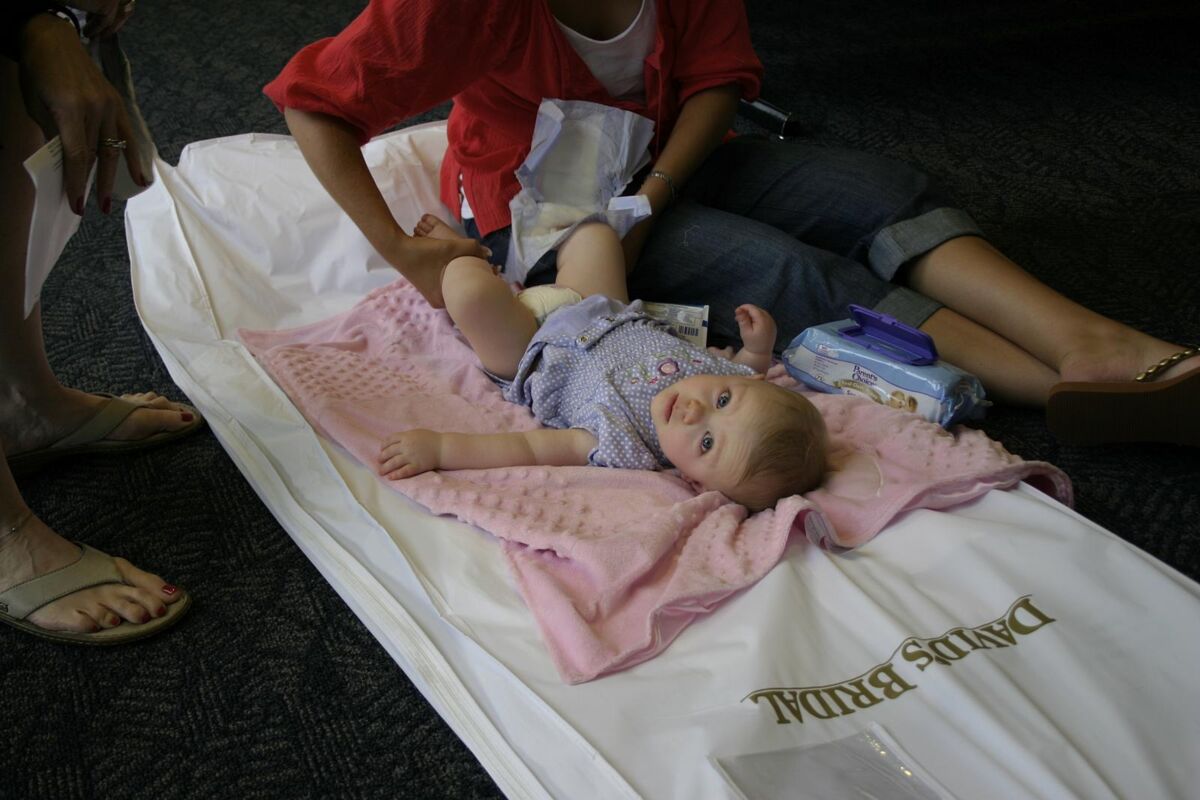
Letting baby go without a diaper for ten to fifteen minutes a few times a day lets the skin breathe and dry out. Lay down a towel or waterproof mat and let them kick around. This is one of the most underrated and effective remedies.
Apply a barrier cream
After cleaning and drying, apply a thick layer of a barrier cream or ointment containing zinc oxide (or a simple petroleum-based ointment) at each change. The barrier sits between the skin and the moisture, giving the irritated skin a chance to heal. You do not need to scrub all of it off at the next change; gently remove the soiled portion and reapply. Avoid products with fragrance or unnecessary additives while the skin is inflamed.
How to tell if it is a yeast infection
If a rash is not improving after several days of good barrier care, or it keeps coming back, a yeast (candida) infection may be involved. Yeast rash behaves differently from plain irritant rash, and recognising it matters because it usually needs a different treatment.
- It is often a deeper, brighter or beefy red, with clearly defined edges.
- It tends to settle in the skin folds and creases (groin, thighs), whereas irritant rash usually hits the rounded, exposed surfaces first.
- Look for satellite spots: small separate red dots or pimple-like bumps just outside the main patch.
- It does not improve, or gets worse, despite a few days of diligent barrier cream and frequent changes.
- It may look shiny or have a slightly scaly edge.
Plain barrier creams do not clear yeast. A doctor can confirm it and, if needed, prescribe a topical antifungal to use alongside your usual barrier care. Do not go hunting for a specific prescription product yourself; the right antifungal and how to use it should come from a doctor who has looked at the rash. If you are uncertain whether you are seeing irritant rash or yeast, that uncertainty alone is a good reason to get it checked.
Preventing the next flare
Once a rash clears, a few steady habits keep flares rare. None of this needs to be expensive or elaborate.
- Change diapers promptly and often, and do not let a baby sit in a dirty diaper, especially during teething or illness when stools change.
- Pat the skin fully dry at every change before the new diaper goes on.
- Build in short stretches of diaper-free air time most days.
- Use a thin protective layer of zinc-oxide barrier cream as routine prevention, not just during flares, if your baby is prone to rash.
- Make sure the diaper fits well: snug enough not to rub, loose enough to let some air move.
- Choose fragrance-free wipes and creams, and for cloth diapers, rinse thoroughly to remove detergent residue.
- Introduce new foods one at a time when starting solids so you can spot any that consistently trigger a rash.
Diaper rash sometimes shows up alongside other normal baby changes, like the shifting poo of a growing infant. Our baby poop guide for Singapore parents helps you read what is normal, and the newborn care basics guide covers gentle skin and diapering from day one.
Frequently Asked Questions
How long does diaper rash take to clear up?
A mild irritant rash usually starts improving within a day or two of frequent changes, gentle cleaning, air time and barrier cream, and clears within about three to four days. If it is no better after that, or it is getting worse, see a doctor, as it may be a yeast or other infection that needs different treatment.
Can teething cause diaper rash?
Teething itself does not directly cause diaper rash, but it often comes with looser or more frequent stools and more dribbling, and that extra stool contact can irritate the skin. Stay on top of changes during teething weeks. You can read more in our guide on the teething baby in Singapore.
Should I use powder on diaper rash?
Talc and cornstarch powders are generally not recommended. They can cake in the folds, are not an effective barrier, and the fine powder can be breathed in. A zinc-oxide barrier cream is a safer and more effective choice for protecting the skin.
Are cloth or disposable diapers better for preventing rash?
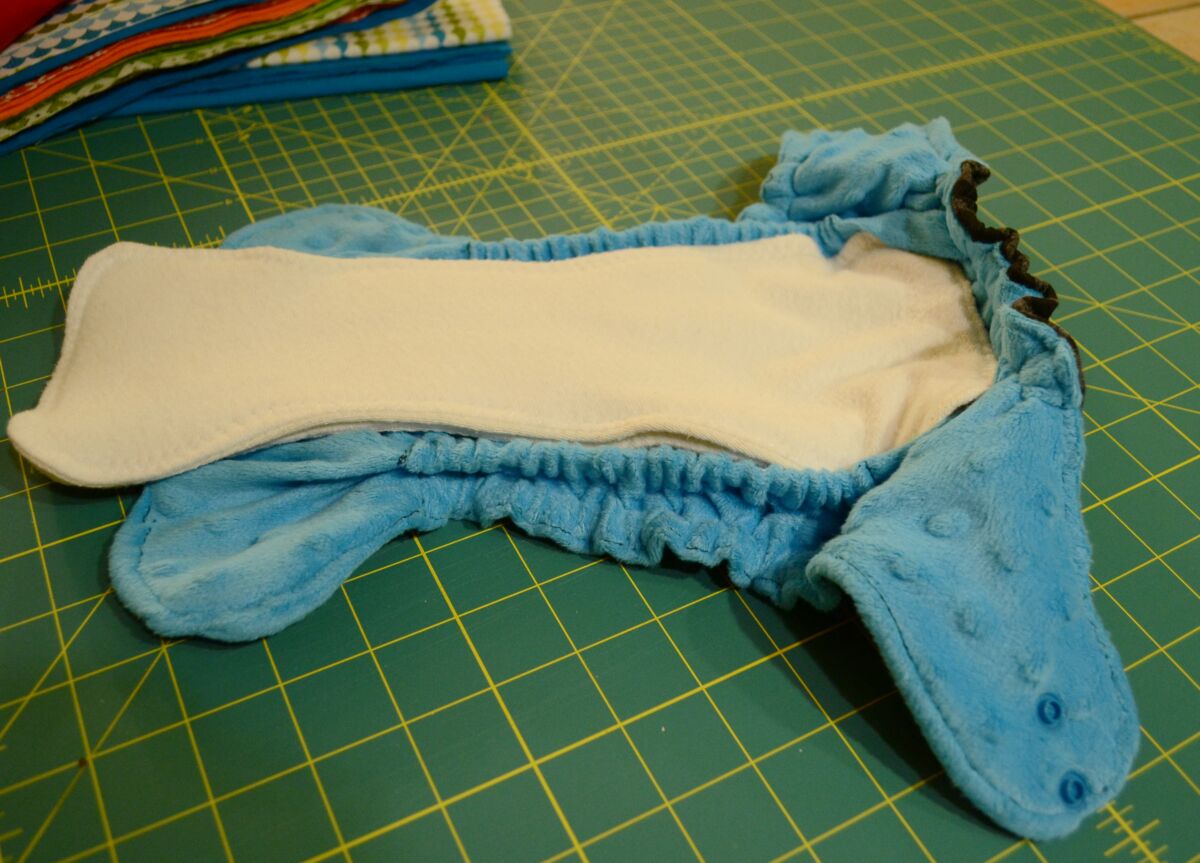
Neither is automatically better; what matters most is how often you change and how dry you keep the skin. Disposables wick moisture away well, while cloth diapers need thorough rinsing so detergent residue does not irritate. With prompt changes and good drying, both can work fine.
Can I keep using wipes during a rash?
During a flare it is gentler to switch to plain water and a soft cloth, or fragrance-free, alcohol-free water wipes, and to pat rather than rub. Scented or alcohol-based wipes can sting broken skin and add irritation.
Could the rash be something other than diaper rash?
Sometimes. Eczema, a bacterial infection, or other skin conditions can appear in the diaper area, and a rash with fever could be part of a wider illness. If the rash looks unusual, spreads beyond the diaper area, blisters, or comes with a fever or an unsettled baby, have a doctor check it rather than assuming it is ordinary diaper rash. Our guide on baby fever and when to worry in Singapore can help you judge that side of things.
Diaper rash is one of those normal bumps of early parenthood: usually mild, usually quick to settle with a little patience and a good routine, and almost always something you will handle calmly with practice. Keep the area clean, dry and protected, watch for the signs that point to a yeast infection or something needing a doctor, and you will get through most flares without much fuss. For more everyday care, browse the rest of our parenting guides.

Baby Choking First Aid: What Every Singapore Parent Should Know
Baby choking first aid in Singapore: spot true choking, do infant back blows and chest thrusts, know when to call 995, a...
11 min read
Colic vs Reflux in Babies: A Singapore Parent's Guide to Soothing and Knowing When to Worry
Tell baby colic, reflux and wind apart in Singapore: what's normal, soothing tips that help, safe-sleep rules and the re...
10 min read
Baby Eczema in Singapore: Calm Skin in a Hot, Humid Climate
A calm, practical guide to baby eczema in Singapore: hot, humid-climate triggers, soak-and-seal moisturising, managing t...
11 min read