
Teething in Babies: Signs, Soothing and What to Expect
In this article
- When does teething usually start?
- The usual order teeth appear
- Signs your baby is teething
- What teething is NOT
- Safe ways to soothe a teething baby
- What to avoid
- Coping with drool rash in Singapore's humidity
- Starting oral and dental care early
- Where to get teethers and supplies in Singapore
- When to see a doctor
- Frequently asked questions
That first little white ridge poking through your baby's gum is a milestone worth celebrating, but the weeks leading up to it can test the calmest parent. This guide is for mums and dads in Singapore who want to know what is normal during teething, how to soothe a sore, grumpy baby safely, and just as importantly, how to spot the moments when crankiness is not teething at all but something a doctor should look at. We have leaned on guidance from HealthHub, KK Women's and Children's Hospital (KKH) and reputable paediatric sources so you can act with confidence rather than guesswork.
When does teething usually start?
Most babies cut their first tooth somewhere around 4 to 7 months of age, though anywhere from about 3 to 12 months is considered perfectly normal. A small number of babies are even born with a tooth or get one in the first few weeks, while others happily gum their food until close to their first birthday. None of this is a problem on its own. Teething timing runs in families, so if you or your partner were late teethers, your baby may follow suit.
If your baby reaches around 12 to 15 months with no teeth at all, mention it at a routine check-up so your doctor can take a quick look, but try not to compare your little one to the cousin who had a full grin at six months. Teeth arrive on their own schedule.
The usual order teeth appear
Teeth tend to come through in a fairly predictable sequence, usually in pairs. The two bottom front teeth (lower central incisors) almost always lead the way, followed by the top front teeth. Here is the typical progression, with rough age ranges as a guide rather than a deadline:
- Lower central incisors (bottom front): around 6 to 10 months
- Upper central incisors (top front): around 8 to 12 months
- Upper and lower lateral incisors (either side of the front teeth): around 9 to 16 months
- First molars (the back chewing teeth): around 13 to 19 months
- Canines (the pointy teeth): around 16 to 22 months
- Second molars (the rear chewing teeth): around 23 to 33 months
Most children have their full set of 20 baby teeth by around two and a half to three years old. If the order is a little different for your baby, that is usually nothing to worry about.
Signs your baby is teething
Teething symptoms are real but generally mild, and they tend to come and go in the days around a tooth pushing through. Common signs include:
- More drooling than usual, sometimes a lot more
- Chewing, gnawing and biting on toys, fingers, or anything within reach
- Rubbing the gums, or pulling at the ear or cheek on the same side as a coming tooth
- Red, slightly swollen or tender gums where a tooth is emerging
- Fussiness and mild irritability, especially in the late afternoon and evening
- Disrupted or lighter sleep for a night or two
- A slightly reduced appetite, or wanting to feed more for comfort
- A mildly raised temperature (warm, but not a true fever)
A handy rule of thumb: genuine teething discomfort is usually low-grade and short-lived, clustering around the day or two when a tooth actually breaks the gum. If your baby seems unwell for days on end, teething is probably not the whole story.
What teething is NOT
This is the part that trips up many parents, so it is worth being clear. Teething does not cause a high fever, and it does not cause significant or persistent diarrhoea. These are not teething symptoms, and blaming them on teething can delay treatment for something that needs attention.
- A temperature of 38 degrees Celsius or higher is a real fever and should be assessed, not put down to teething
- Frequent, watery or persistent diarrhoea needs a doctor's review, not a teething ring
- Vomiting, a rash, a cough, a runny nose with fever, or unusual lethargy are signs of illness, not teeth
- Refusing all feeds, very few wet nappies, or seeming floppy and hard to rouse are urgent signs
Because babies often start teething at the same age they begin crawling, mouthing everything and mixing with other children, it is easy for a cold or tummy bug to coincide with a new tooth. When in doubt, treat the fever or the diarrhoea on its own merits. Our guides on when a baby fever is worth worrying about and on spotting HFMD in Singapore can help you tell the difference, since mouth ulcers and drooling from hand, foot and mouth disease are sometimes mistaken for teething.
Safe ways to soothe a teething baby
The good news is that simple, drug-free comfort measures work well for most babies. The goal is gentle counter-pressure and a little cool to numb the soreness.
Cool, not frozen
A chilled teething ring from the fridge gives soothing pressure and a pleasant coolness. Never freeze a teether solid, as a rock-hard frozen toy can bruise or damage delicate gums and become a hard object in the mouth. A clean, cool, damp cloth, lightly chilled in the fridge, is just as effective and gives your baby something safe to gnaw on.
Gum massage
Wash your hands, then rub the sore gum firmly but gently with a clean finger for a minute or two. Many babies find the pressure instantly comforting, and it is something you can do anywhere, including in the middle of the night.
Feeding for comfort
Extra cuddles and feeds often settle a teething baby. If you are breastfeeding and your baby is biting, our notes on breastfeeding support in Singapore cover gentle ways to manage that phase.
Teething-friendly foods for older babies
For babies who have already started solids, cool soft foods can soothe and nourish at once: chilled plain yoghurt, mashed or pureed fruit and vegetables, or soft porridge. Always supervise, offer age-appropriate textures, and keep an eye on choking risk, especially with anything firm. If you are still building confidence with first foods, see our guide to starting solids in Singapore.
Wiping away drool
Keep a clean cloth handy and dab (do not rub hard) the chin and neck through the day to keep the skin dry. More on this below, because Singapore's humidity makes drool rash especially common.
Pain relief medicine
If your baby is in real distress, infant paracetamol or ibuprofen may help, but only when advised by your doctor or pharmacist, and always dosed by your baby's weight and age. We will not state doses here on purpose, because the right amount depends on your individual child. Ask your GP, paediatrician or pharmacist, and follow the product instructions exactly.
What to avoid
Some popular remedies are genuinely risky. Steer clear of the following:
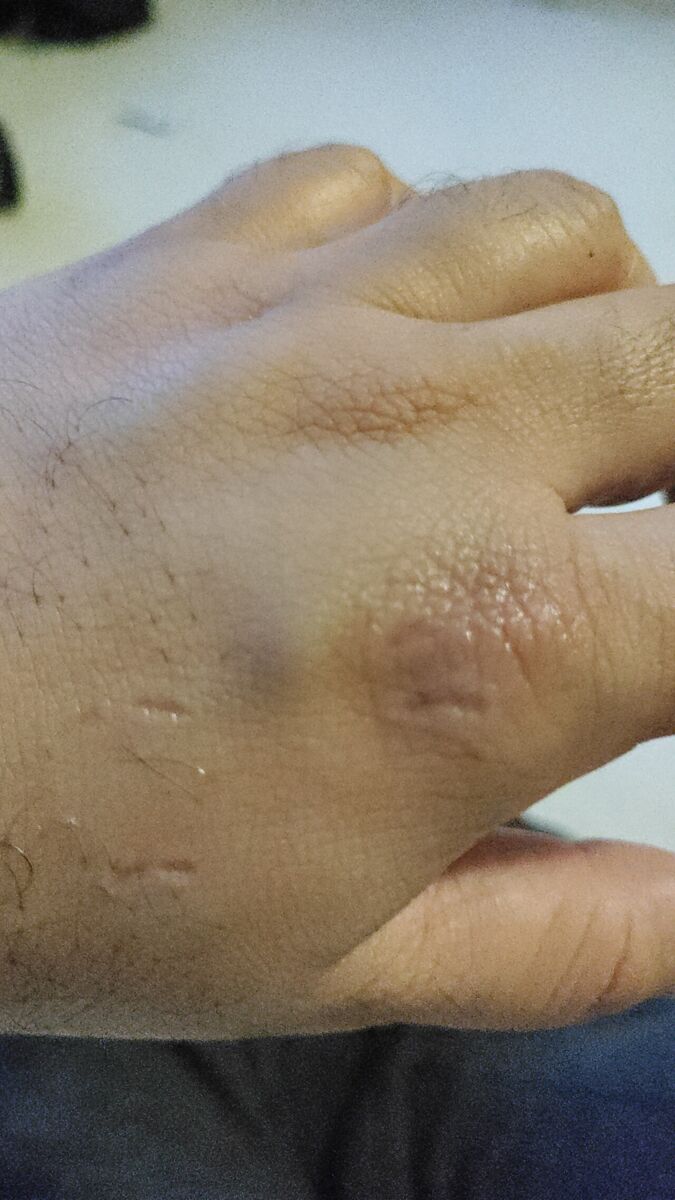
- Amber teething necklaces and bracelets: there is no good evidence they relieve pain, and they pose a real strangulation risk and a choking risk if beads come loose. Never put a necklace on a baby, even under supervision.
- Frozen-solid teethers: too hard for soft gums and can cause injury. Chilled, not frozen, is the rule.
- Teething gels with benzocaine or lidocaine: these numbing agents have been linked to rare but serious side effects in babies and young children, and are not recommended for infants. Do not use any teething gel without first checking with a doctor or pharmacist.
- Unregulated teething tablets, powders or homeopathic remedies: the contents are not always reliable or safe, and some have been recalled overseas. Avoid them.
- Hard or small objects as makeshift teethers: anything that could break, splinter or be swallowed is a hazard.
Because babies put everything in their mouths during this stage, it is a good moment to read up on baby choking first aid so you know what to do in the rare event something goes wrong.
Coping with drool rash in Singapore's humidity
Heavy drooling plus our warm, humid climate is the perfect recipe for a red, irritated rash around the mouth, chin and neck folds. The constant damp is what irritates the skin, so the fix is to keep the area as dry as you reasonably can.
- Use soft, absorbent cotton bibs and change them as soon as they get damp, rather than letting a wet bib sit against the skin
- Pat the chin and neck dry gently through the day instead of wiping hard, which can worsen irritation
- After cleaning, a thin layer of a plain barrier ointment can protect the skin from moisture
- Make sure neck creases are dried after baths and feeds, since trapped moisture in the folds is a common trouble spot
- Keep the room comfortably cool with air-conditioning or a fan so your baby drools and sweats less
Most drool rash settles with simple skin care. If the rash is weepy, spreading, very sore, or not improving, get it checked, since it can be confused with eczema. Our guide to managing baby eczema in Singapore goes into more detail on irritated baby skin.
Starting oral and dental care early
Good habits start before the first tooth even appears. Caring for your baby's mouth from the beginning makes the transition to brushing far smoother.
- Even before teeth come in, wipe your baby's gums with a clean, soft, damp cloth once or twice a day, especially after the last feed
- Once the first tooth appears, brush it twice a day with a soft baby toothbrush and a smear of fluoride toothpaste, following current guidance from your dentist
- Avoid letting your baby fall asleep with a bottle of milk or juice, as pooled sugars on the teeth cause early decay
- Offer water in a cup from around six months to get your baby used to it
Health authorities recommend a first dental visit by around your child's first birthday, or within six months of the first tooth coming through. An early visit is mostly about prevention and advice, and it gets your child comfortable with the dentist. For what to expect and where to go, see our guide to kids' dental care in Singapore. You can browse our wider parenting guides for related milestones too.
Where to get teethers and supplies in Singapore
Teething rings, soft cloths, bibs and baby toothbrushes are widely available in Singapore, so there is no need to track down anything special. You will find them at baby and maternity stores, the baby aisles of major supermarkets and pharmacies, department stores, and through the usual online marketplaces. When choosing, look for products labelled BPA-free and free of small detachable parts, follow the age guidance on the packaging, and check teethers regularly for cracks or wear. We are deliberately not naming brands or prices, since options and costs change often. Pick something well-made, easy to clean, and the right size for little hands.
When to see a doctor
Teething itself rarely needs medical care, but reach out to a doctor if:
- Your baby has a fever of 38 degrees Celsius or higher
- There is persistent diarrhoea, vomiting, or a rash
- Your baby seems genuinely unwell, unusually drowsy, floppy, or hard to settle
- Feeding drops off sharply or there are very few wet nappies
- Discomfort lasts well beyond a day or two, or pain seems severe
- You are simply unsure or worried, which is reason enough to ask
Trust your instincts. You know your baby best, and a quick check with your GP or paediatrician is always worth it for peace of mind.
Frequently asked questions
Can teething cause a fever?
Teething may cause a slightly raised temperature, but it does not cause a true fever of 38 degrees Celsius or higher. If your baby has a genuine fever, treat it as a possible illness and have it assessed rather than assuming it is the teeth.
Does teething cause diarrhoea?
No. Significant or persistent diarrhoea is not caused by teething and should be reviewed by a doctor. Some babies do drool and swallow more saliva, but loose, frequent or watery stools point to something else.
Are amber teething necklaces safe?
No. There is no reliable evidence that they relieve teething pain, and they carry a real risk of strangulation and choking. Paediatric and safety bodies advise against putting any necklace on a baby.
Can I use teething gel?
Be cautious. Gels containing benzocaine or lidocaine are not recommended for babies because of rare but serious side effects. Do not use any teething gel without checking with your doctor or pharmacist first; safe drug-free methods are usually all that is needed.
Is it normal for my baby to wake more at night while teething?
A night or two of lighter sleep around a new tooth is common. A calm bedtime routine, extra comfort and a chilled cloth can help. If poor sleep drags on for many nights or comes with other symptoms, look beyond teething. Our notes on soothing a crying baby may help on the rough nights.
When should my baby first see a dentist?
By around the first birthday, or within six months of the first tooth appearing. Early visits focus on prevention and getting your child used to the dentist, so there is nothing to fear from going early.
My baby is 11 months with no teeth. Should I worry?
Almost certainly not. Teeth can arrive any time up to around 12 months and sometimes later, often following family patterns. If there are still no teeth by about 15 months, mention it at a routine check-up for reassurance.
This article is general information for Singapore parents and is not medical advice. Every baby is different. See a doctor if your baby has a fever, seems unwell, or you are unsure, and always follow product safety guidance and your doctor or pharmacist's advice for any medication.

Baby Choking First Aid: What Every Singapore Parent Should Know
Baby choking first aid in Singapore: spot true choking, do infant back blows and chest thrusts, know when to call 995, a...
11 min read
Colic vs Reflux in Babies: A Singapore Parent's Guide to Soothing and Knowing When to Worry
Tell baby colic, reflux and wind apart in Singapore: what's normal, soothing tips that help, safe-sleep rules and the re...
10 min read
Baby Eczema in Singapore: Calm Skin in a Hot, Humid Climate
A calm, practical guide to baby eczema in Singapore: hot, humid-climate triggers, soak-and-seal moisturising, managing t...
11 min read