

Math Enrichment in Singapore: A Parent's Guide to Approaches, Ages and Keeping It Joyful
In this article
- Enrichment versus tuition, and the main approaches
- Why parents here consider math enrichment
- Choosing by your child's age and needs
- What enrichment typically costs in Singapore
- How to choose a good programme
- Signs it is working, and signs it is not
- Doing maths at home, without the pressure
- Frequently Asked Questions
If your child has come home with worksheets full of little rectangles, or a playground parent has mentioned that their five-year-old is already doing abacus, it is natural to wonder whether math enrichment in Singapore is something your family is missing. The honest answer: enrichment can be genuinely lovely when it fits your child and is done with a light touch, and it can quietly turn maths into a source of dread when it is chosen out of anxiety. This guide is for any parent weighing the options, whether you have a curious preschooler, a Primary 3 child wobbling on a topic, or an upper-primary kid eyeing a competition. We cover what the main approaches do, why parents reach for them, how to choose by age and needs, what to expect on cost, the signs it is or is not working, and how to keep numbers something your child enjoys.
Enrichment versus tuition, and the main approaches
First, separate two things that get lumped together. Remedial tuition closes a gap, getting a struggling child back on track with the school syllabus. Enrichment is broader, aiming to deepen understanding, build confidence, or stretch a child beyond what school offers. A child drowning in school maths needs syllabus-aligned support first, not an olympiad puzzle class; a coasting, bored child needs the opposite. Naming your goal honestly is the most useful thing you can do before signing anything. From there, enrichment falls into four broad families. None is automatically better; they suit different goals, temperaments and ages, and many parents try one, watch how their child responds, and adjust rather than committing for years on day one.
1. Singapore Math, the CPA approach and heuristics
This is the method woven through our national curriculum, so enrichment here reinforces and deepens what the Ministry of Education already teaches. At its core is the Concrete-Pictorial-Abstract (CPA) sequence: children handle real objects, then move to drawings, and only then to symbols and equations. The well-known bar model is that pictorial stage made visible, and one of the most widely used tools for unpacking PSLE word problems. Mastery matters too: understand a concept thoroughly before moving on. Heuristics are the structured problem-solving strategies built into the curriculum, often pictured as a pentagon of concepts, skills, processes, metacognition and attitudes, with problem solving at the centre. Good enrichment here teaches the why behind a method, not a script to memorise.
- Best for: children who want school-relevant reasoning, a stronger foundation, or help with word problems; it directly supports the syllabus and the thinking PSLE rewards.
- Watch for: centres that quietly just hand out more worksheets to drill rather than building genuine understanding.
2. Abacus and mental arithmetic (soroban, mental math)
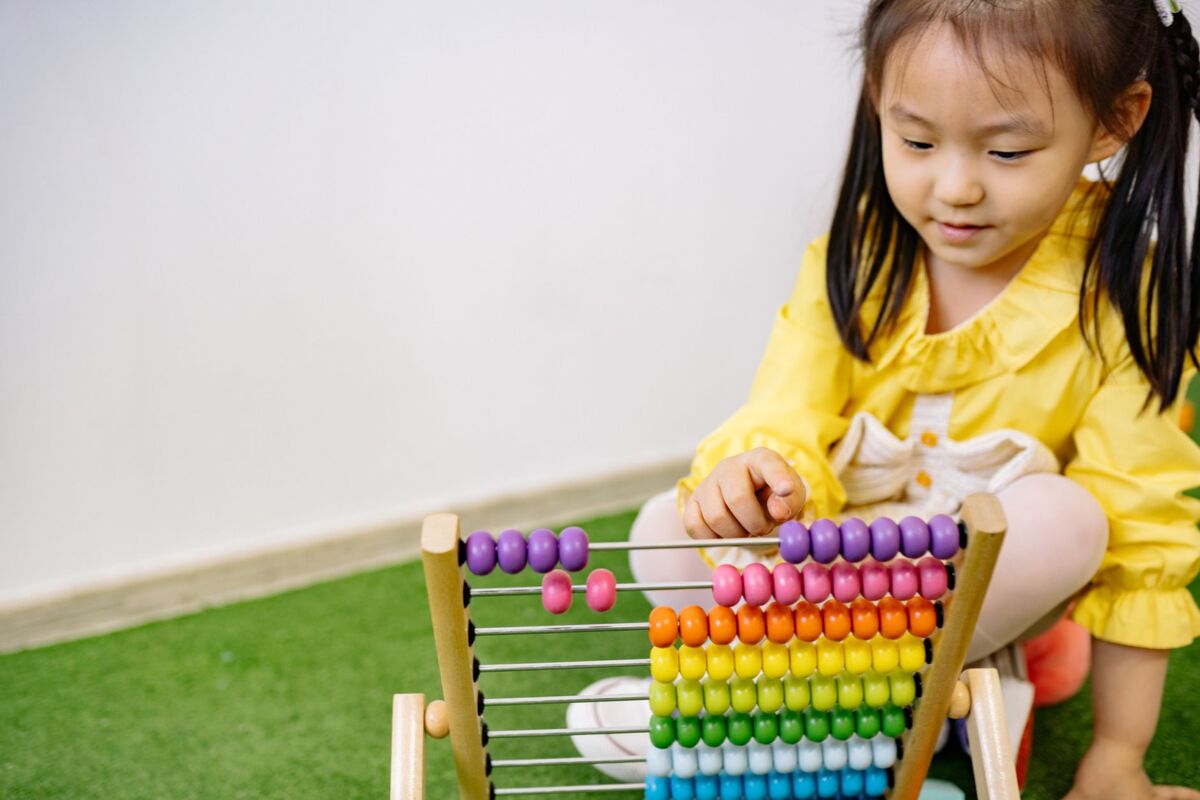
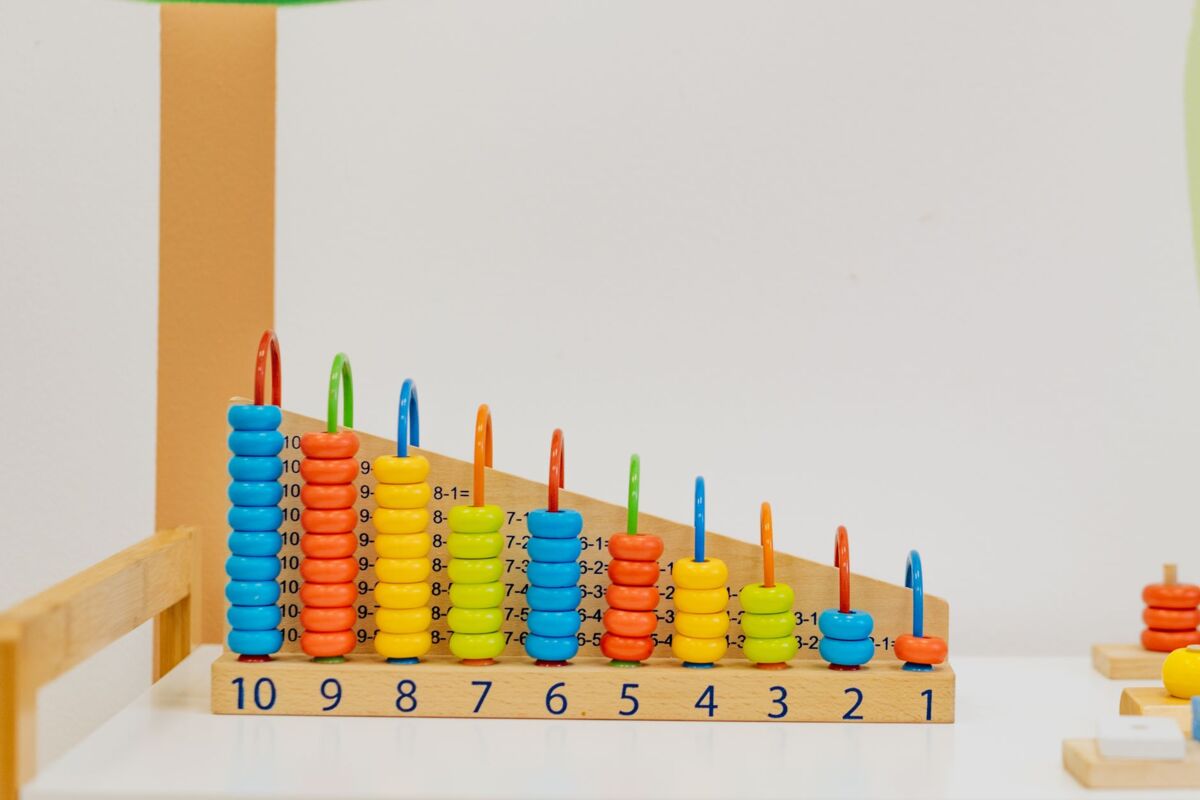
Children first calculate on a physical bead abacus, then learn to picture it in their head and do sums mentally. Parents and providers often report better concentration, sharper visualisation and growing number confidence. Be clear what it is and is not: abacus builds fast, accurate mental calculation, a real and satisfying skill, but distinct from the word-problem reasoning PSLE leans on heavily. Treat it as a complement that builds speed and number sense, not a substitute for the syllabus. Younger children often find the hands-on beads engaging, which is part of the appeal.
- Best for: children who enjoy patterns and repetition, and parents who value mental-calculation speed and focus; progress is visible and motivating.
- Watch for: assuming speed equals deep understanding; the two are related but not the same.
3. Worksheet-based mastery (Kumon and similar)
Kumon and similar programmes are built on self-paced, repetitive worksheet practice. A child works through small, incremental steps, often with daily practice at home, mastering each level before advancing. The idea is that consistent, independent practice builds fluency and study habits. For some children the routine is calming and confidence-building; for others the repetition feels like a grind. It is less about classroom teaching than disciplined practice, so it suits a child who responds well to structure and a parent willing to support the daily habit.
- Best for: children who thrive on routine and self-directed practice, and families who can support short daily sessions; it builds fluency, independence and study habits.
- Watch for: repetition fatigue, and remember it focuses on computation more than open-ended problem solving.
4. Problem-solving and olympiad-style programmes
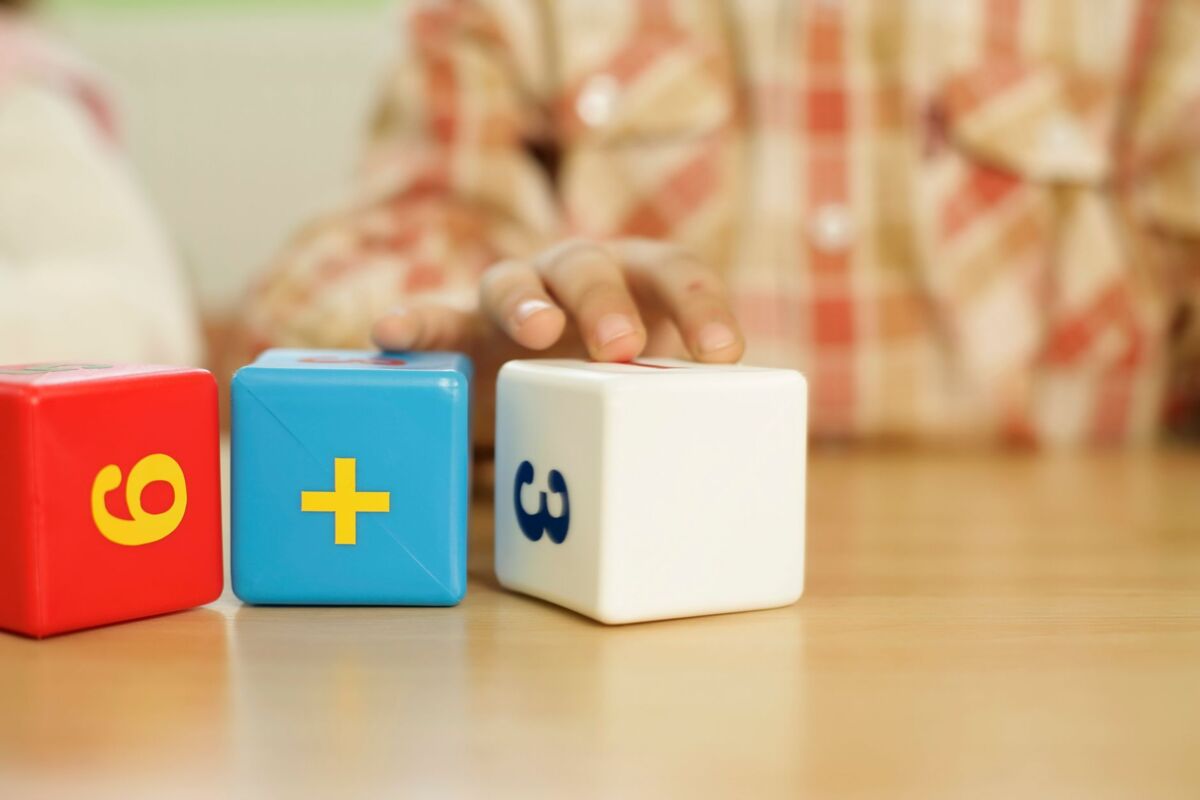
For a child who finishes classwork in five minutes and wants a real challenge, these programmes offer non-routine puzzles, logic, number patterns and creative reasoning well beyond the syllabus. Some feed into established competitions such as SASMO, the Singapore and Asian Schools Math Olympiad run by the Singapore International Math Contests Centre, and APMOPS, the Asia-Pacific Mathematical Olympiad for Primary Schools organised by Hwa Chong Institution. They shine for a genuinely keen child, and are emphatically not the place to push a reluctant or struggling one, where they can dent confidence rather than build it.
- Best for: already-confident, curious children who actively want harder problems; it develops higher-order thinking, resilience and a love of a hard puzzle.
- Watch for: pushing a child in because the topic sounds impressive; interest has to come from them.
Why parents here consider math enrichment
A handful of honest reasons come up again and again, most perfectly sensible:
- Rebuilding confidence, especially when a child has decided early that they are just bad at maths and needs to be shown otherwise.
- Closing a small gap before it widens, when one topic at school has not clicked and is starting to snowball.
- Stretching a child who is bored and breezing through everything the classroom offers.
- Preparing for PSLE problem sums, which reward reasoning and strategy over rote memorising.
- Wanting structure, particularly for working parents who cannot always sit down for consistent practice at home.
All valid. The reason that tends to backfire is enrolling purely because everyone else has: enrichment driven by parental anxiety rather than the child's needs is the version most likely to make a child quietly hate maths. If you are weighing other classes too, our overview of enrichment classes in Singapore helps you see where maths fits among everything competing for your child's week.
Choosing by your child's age and needs
There is no single correct starting age, and earlier is not automatically better. Ask whether your child is curious or already running on empty: a packed schedule plus a tired child rarely produces better maths. A few age-based guides help set expectations.
Preschool, roughly 4 to 6
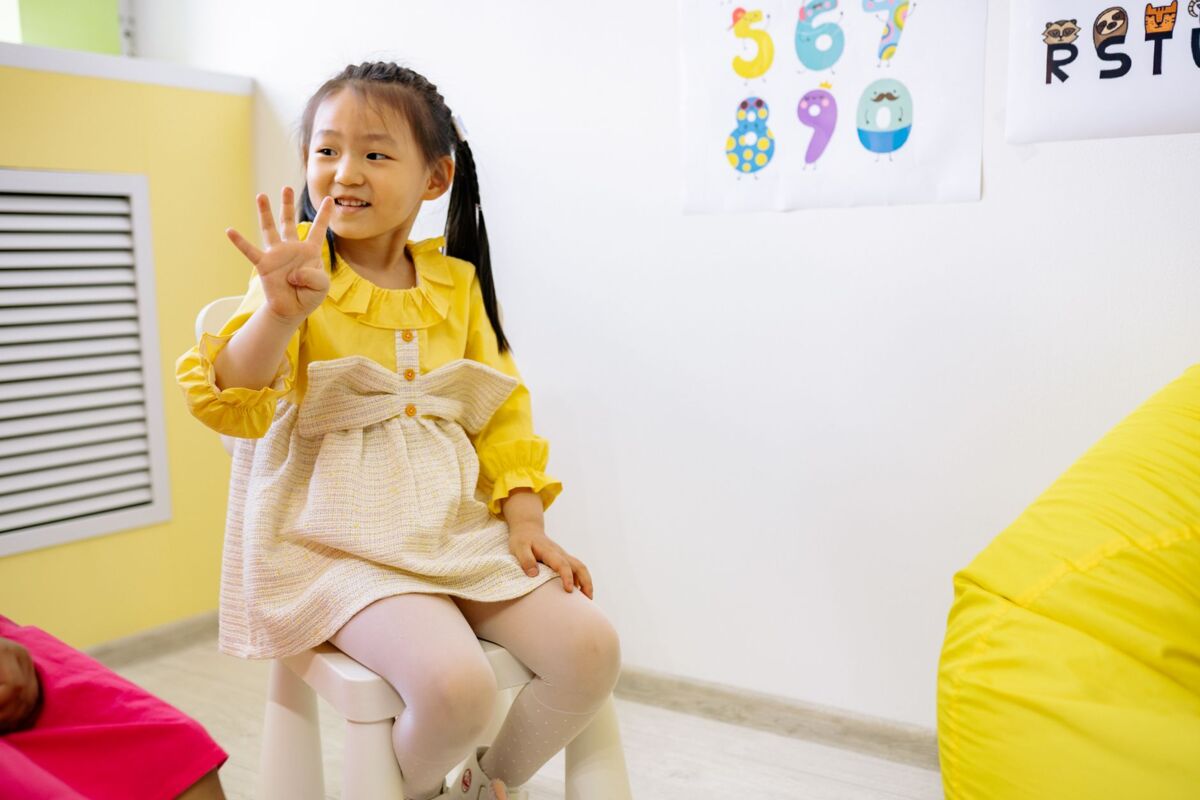
Keep it playful and concrete. At this age the goal is a warm, curious relationship with numbers, not drilling. Counting games, sorting, spotting patterns and simple board games do far more good than worksheets. Hands-on, play-based Singapore Math-style classes or a gentle introduction to abacus suit some children, but plenty of preschoolers thrive on everyday maths at home with no formal class at all. If you do enrol, the test is simple: does your child come out smiling? Building early numbers and literacy together pairs naturally with reading and phonics programmes at this stage.
Lower primary, P1 to P3
This is where the CPA approach and early heuristics really land, and where foundations matter most. If your child is shaky on something fundamental like place value or number bonds, targeted support now pays off far more than rushing ahead. Match the help to the gap, not to the grade. A confident lower-primary child, meanwhile, may simply enjoy enrichment that keeps maths fun and a little challenging.
Upper primary, P4 to P6
Word problems and heuristics dominate, and PSLE looms. The most useful enrichment here teaches genuine problem-solving strategy rather than piling on more drilling. For a child who loves a challenge, this is the window where olympiad-style programmes can be motivating. For an anxious or stretched-thin child, the priority is steadying confidence and filling gaps, not adding competitive pressure on top of school.
What enrichment typically costs in Singapore
We deliberately do not quote exact prices, because fees move and vary enormously between providers, formats and levels. What is useful is knowing how the cost works. Fees are usually charged monthly or per term, and most centres bill extra for registration, assessment and materials, so always ask for the all-in figure rather than the headline rate.
- Format drives price: small-group classes typically cost less per session than one-to-one coaching, and online classes are often cheaper than in-person centres.
- Extras add up: ask about one-time registration fees, deposits, assessment charges and the cost of workbooks or materials.
- Trial classes are common and often free or low-cost; use them before paying for a full term.
- Confirm the latest figures directly with the provider, since published rates go out of date quickly.
How to choose a good programme
Once you know your goal and budget, the quality of the teaching matters more than the brand on the door. Use a trial class to look past the marketing and watch a few concrete things:
- How they teach: do tutors explain the reasoning and let children think, or mainly hand out worksheets to memorise?
- Your child's engagement: sit in if allowed, and watch whether your child is leaning in or quietly switching off.
- Teacher quality: ask about the tutors' training and how they handle a child who is stuck rather than just giving the answer.
- Class size: smaller groups usually mean more attention; ask how many children one teacher manages.
- Logistics: a centre near home or on an easy MRT or bus route, at a time that does not clash with sleep or family meals, is one you will actually keep attending.
- Fit to your goal: state plainly whether you want confidence, a gap closed, or a stretch, and ask how the programme addresses it.
Signs it is working, and signs it is not
Marks are the slowest, noisiest signal, so watch your child instead of waiting for an exam. Healthy enrichment shows up as a child more willing to attempt a hard question, who can explain how they reached an answer, who reaches for a bar model unprompted, and who does not dread class. The warning signs matter even more: tears, stomachaches or genuine dread before class, a child who has started saying they hate maths since enrolling, or rising stress with no growing confidence. That does not always mean enrichment is wrong; it may mean the wrong approach, centre, level, or simply too much on the plate. Reassess each term, and remember that pausing or stopping when it has done its job is a perfectly good outcome.
Doing maths at home, without the pressure
Plenty of children never need a formal class, because everyday life is full of maths. These home habits cost nothing and often do more for a child's relationship with numbers than any programme:

- Cook and bake together, measuring, doubling a recipe and counting portions out loud.
- Play games with numbers, from dice and cards to board games involving counting, money or strategy.
- Talk maths at the supermarket, comparing prices, estimating the total and working out change.
- Praise effort and strategy ("I like how you drew that out") rather than only the right answer.
- Let mistakes be normal, since getting stuck and trying again is how real problem solving works.
- Protect free time, play and sleep, which a developing brain needs as much as any drill.
This low-key, joyful maths at home is the foundation everything else sits on. If your week is already full, swapping one structured class for unstructured play is often the better call; our guides to kids' sports classes and music classes for kids help when balancing a child's overall week rather than stacking academics on academics. For more on raising happy, capable children here, browse our learn hub.
Frequently Asked Questions
Does my child actually need math enrichment?
Not necessarily. Many children do perfectly well with school plus supportive, playful maths at home. Enrichment helps most when there is a clear reason: a specific gap to close, a confidence dip to repair, or a genuine hunger for more. If none of those is true and your child is happy and coping, there is no rule that says you must enrol.
What is the difference between enrichment and tuition?
Tuition is usually remedial, focused on getting a struggling child back on track with the syllabus. Enrichment is broader, aiming to deepen understanding, build confidence or stretch a child beyond what school covers. Decide which job you need before choosing a programme.
Is abacus better than Singapore Math enrichment?
They do different jobs, so neither is simply better. Abacus and mental arithmetic build fast, accurate calculation and focus; Singapore Math and heuristics build the conceptual reasoning the syllabus and PSLE reward. Choose by your goal, and note that some families do both, at different stages as the child grows.
When should we start?
There is no universal right age, and starting early offers no guaranteed advantage. Readiness and interest matter far more. A curious, well-rested child will gain more from a class at any age than a reluctant, overscheduled one who has been signed up to keep pace with friends.
Math enrichment can be a real gift when it builds confidence and curiosity rather than draining them. Work out the job you need done, match the approach to your child, keep the atmosphere warm, and remember you can always adjust or stop. The maths looks after itself when a child still enjoys the thinking.

How to Choose the Best Preschool in Singapore: A Parent's Guide
How to choose the best preschool in Singapore for your child: centre types, curriculum, fee ranges, ECDA subsidies, wait...
11 min read
Childcare Centres in Singapore: A Parent's Guide to Infant Care, Subsidies and Choosing the Right One
How childcare centres in Singapore work: infant care vs full-day childcare, ECDA operators, subsidies, waitlists, fees a...
10 min read
Children's Libraries in Singapore: A Parent's Guide to NLB
A parent's guide to NLB children's libraries in Singapore: kids' sections, story times, free membership, the NLB app, Li...
11 min read