

Family Pizza in Singapore: A Parent's Guide to Kid-Friendly Slices
In this article
- The pizza styles families meet in Singapore
- What makes a pizzeria genuinely kid-friendly
- Family-friendly pizza spots parents return to
- Best ages, timing and rainy-day backup
- Getting there and what to bring
- Halal, gluten-free and vegetarian needs
- Dine-in versus delivery
- Budgeting for family pizza
- Ordering tips for fussy eaters
- Frequently asked questions
Pizza is the quiet hero of family dining in Singapore: one of the few meals almost every child will actually eat, and it lets a fussy four-year-old have a plain margherita while the adults order something more adventurous. But a great pizza and a calm outing are not the same thing. The crust your toddler can chew, the high chair you reserved, and the timing that beats the dinner rush matter just as much as the menu. This guide is for parents feeding kids of any age. It covers the pizza styles you will meet, what makes a spot genuinely kid-friendly, places parents return to, halal and dietary needs, dine-in versus delivery, budgeting and ordering tactics for picky eaters. Because outlets, prices and menus change constantly, we point you to official sources rather than quoting numbers that may already be wrong.
The pizza styles families meet in Singapore
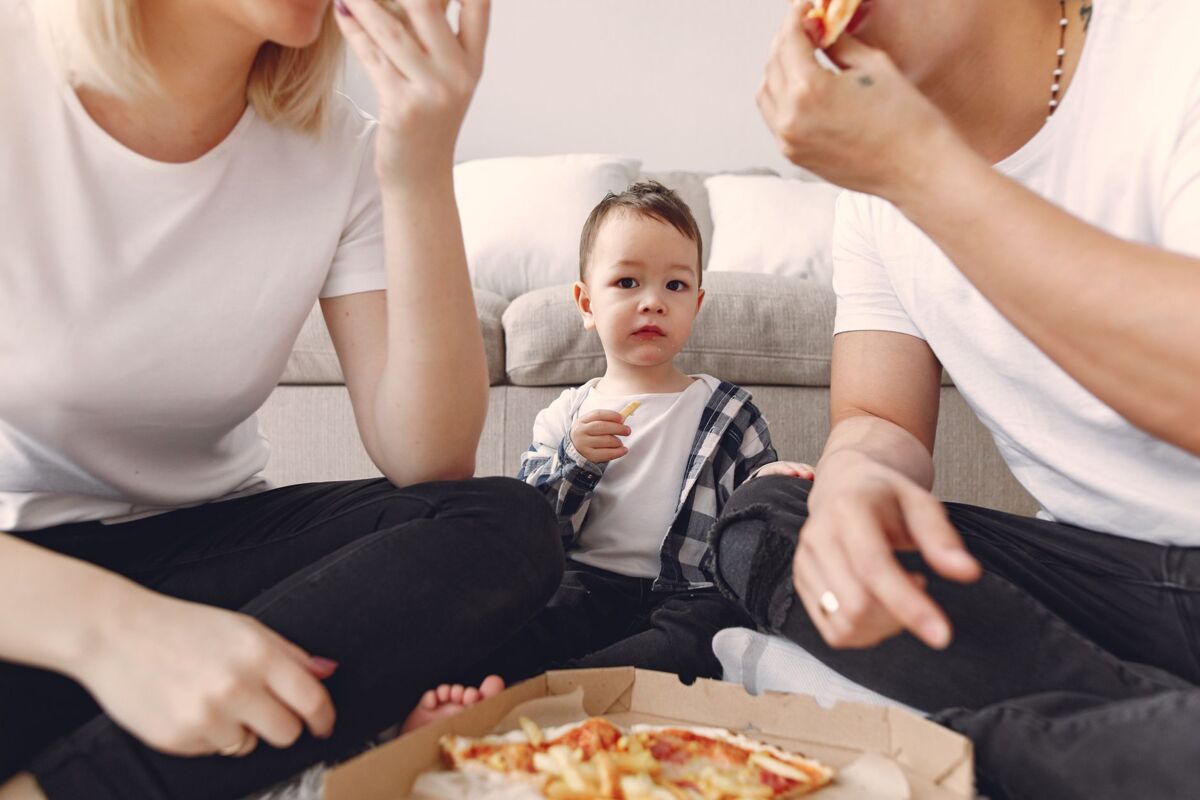
Singapore has a deep pizza scene, and the style genuinely affects how well a pizza suits a child. Here is what the main categories tend to mean at the table.
- Neapolitan - the Naples classic, baked fast in a blistering wood-fired oven. The crust is soft and a little charred, and the wet centre can leave some kids finding it floppy and hard to hold. Toppings are usually simple, which suits plain eaters, but the chew and char are not to every child's taste.
- New York style - larger, thinner and foldable, with a chewy, sturdy crust. The big slices share easily and older children can hold and fold them, a friendly format for mixed ages.
- Thin and crispy - a cracker-like base many children prefer because it is light, not doughy. A good pick when you want a fussy eater to finish a slice rather than peel off the cheese.
- Pan, deep-dish and thick crust - more filling and bread-like, often the format at family chains. Generous, though a very young child may struggle with a tall, heavy slice and fill up fast.
- Sourdough - a longer-fermented dough some find easier to digest. The flavour is tangier and grown-up, so taste-test before assuming a younger child will love it.
- Halal-friendly American and chain styles - several familiar brands run halal-certified outlets loaded with crowd-pleasing toppings kids gravitate to. We cover how to confirm certification below.
There is no single best style for families. A reliable rule of thumb: simpler toppings and a crust your child can actually chew beat the most authentic option every time.
What makes a pizzeria genuinely kid-friendly
A pizza can be excellent and the outing still a slog if the venue is not built for children. When you scan a restaurant's site or call ahead, these are the things worth checking.
- High chairs and booster seats - the single most useful feature for babies and toddlers. Stock is almost always limited, so message or call ahead to reserve one at peak times.
- Pram access and space - look for step-free entry, room between tables and somewhere to park a stroller. Tightly packed wine-bar-style pizzerias can be lovely but miserable with a pram.
- Simple, recognisable toppings - a menu with a plain cheese or margherita, and the option to leave things off, matters far more to a fussy eater than a long gourmet list.
- Make-your-own options - some venues let children top a small base themselves, and a few run pizza-making sessions. It doubles as entertainment and gives a reluctant eater ownership, which usually means they eat it.
- Speed and timing - wood-fired pizzas cook in minutes, a real advantage with hungry, fraying children. Ask how long food takes if you are arriving with a tired toddler.
- Nursing, changing and toilet facilities - a changing table and a quiet corner to feed a baby make a long meal far easier; larger malls reliably have nursing rooms nearby even when the restaurant does not.
- Air-con versus open-air - a cool room is easier with babies, while an open-air spot is more forgiving of noise and a toddler who needs to roam.
Family-friendly pizza spots parents return to
It helps to think in categories of outing, since the right choice depends on your child's age and your energy. The venues below are known for being relaxed about children; outlets, menus, deals and hours change often, so confirm details with each restaurant first.
- Outdoor and playground-friendly: Cafe Melba's garden settings give kids room to move and parents room for a pram, with quick wood-fired pizzas; Trapizza at Sentosa is a beachside spot where children can wander while the oven works; Baci Baci is a casual Italian relaxed with children and easy with strollers.
- Casual sit-down and chains: Peperoni Pizzeria is famous for very large, shareable pizzas; Extra Virgin Pizza and Pizza Express are dependable mall options with simple margheritas and pram-friendly space; Plank Sourdough Pizza suits parents who want a grown-up base.
- Build-your-own fun: Movenpick hotel restaurants have run family brunches with a kids' corner, and any venue offering make-your-own pizza turns lunch into entertainment, great for birthdays and rainy afternoons. Check the current promotion before banking on it.
Best ages, timing and rainy-day backup
- Babies and pre-walkers - you are eating, not them, so prioritise a high chair, a quiet feeding spot and a calm room over the pizza itself.
- Toddlers (roughly 1 to 3) - the hardest age to keep seated. Choose outdoor space or quick service, order their food the moment you sit, and bring a snack for the wait.
- Older kids (4 and up) - foldable slices, make-your-own activities and shareable large pizzas come into their own; the sweet spot for a relaxed pizza night.
- Crowd timing - arrive for an early lunch around 11.30am or an early dinner before 6pm for a calmer room, a free high chair and faster food. Weekend peak hits from 12.30pm and after 7pm.
- Rainy-day backup - rain here is sudden, so favour mall-based or sheltered pizzerias when the sky looks dark, and keep delivery as the fallback.
Getting there and what to bring
- MRT and pram access - most newer stations and malls are lift-accessible, but confirm step-free routes for older or standalone venues; the journey planner on the LTA site helps you avoid stairs-only exits.
- Parking - mall outlets usually sit above a car park, gold with a sleeping baby; standalone and beachside spots may have limited or paid parking, so check before you drive.
- What to bring - a familiar cup, a snack for the wait, wet wipes and a spare top (tomato sauce is merciless), and a quiet activity for the gap between ordering and eating.
- Sentosa and attraction venues - factor island entry, longer walks and weather into the plan, and dress for an outdoor spot.
Halal, gluten-free and vegetarian needs
Singapore's pizza scene caters to a wide range of diets, but the details vary outlet by outlet, so verify before you commit a hungry family.
Halal
Several pizza brands and independents run halal-certified outlets, including some Neapolitan specialists, American-style chains and grab-and-go concepts. Certification in Singapore is issued by MUIS, the Islamic Religious Council of Singapore. A brand having one halal outlet does not mean every branch is certified, so check the official MUIS halal directory or the HalalSG app, or look for the green MUIS certificate at that specific outlet, rather than assuming.
Gluten-free
Gluten-free bases are increasingly common, sometimes for a small surcharge. For a true coeliac the base is only part of the picture: ask about shared surfaces, flour dust in a busy kitchen, and whether toppings are handled separately. Restaurants that label gluten-free items clearly and speak confidently about cross-contamination are the safer bet. If your child has a diagnosed coeliac condition, treat it as a medical question and confirm directly. Our guide to allergy-friendly eating in Singapore goes deeper.
Vegetarian and plant-based
Vegetarian eaters are well served, since a margherita or vegetable pizza is on almost every menu, and plant-based cheese is appearing at more outlets. Vegetarians who avoid animal rennet should check what cheese is used, and anyone avoiding meat entirely should confirm there is no pork or meat-based stock in the sauce rather than assume from the menu name.
Dine-in versus delivery
With children, the choice between eating out and ordering in is really a choice about energy levels, not just food.
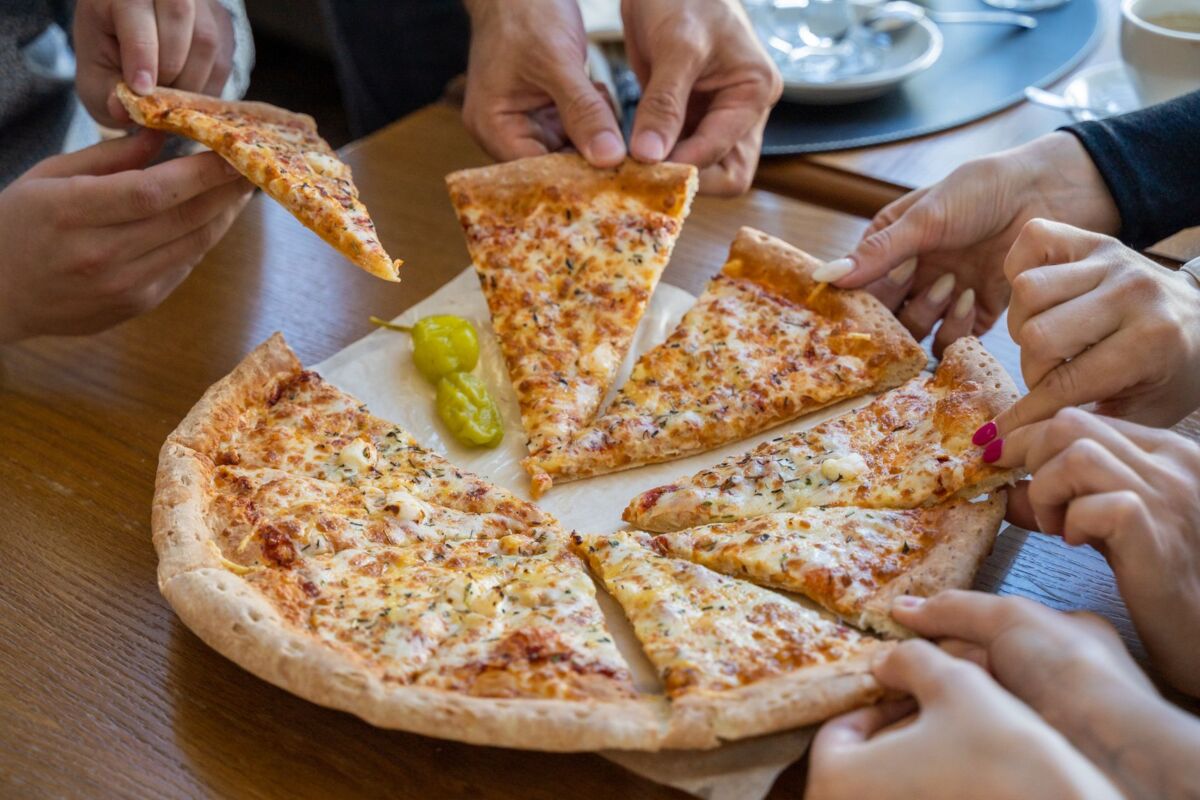
- Dine-in works when the pizza is best fresh from a hot oven, when the outing itself is the treat, or when a make-your-own activity is on offer. The trade-off is travel and managing behaviour in public; go early to beat the dinner rush for a calmer room and faster service.
- Delivery wins on convenience, nap schedules and sick days, and lets fussy eaters eat in their familiar space. The catch: thin and Neapolitan crusts can soften or steam in the box, while thicker pan and chain-style pizzas travel better.
- Takeaway and collection sits in between: fresher than long-distance delivery, faster than a full sit-down meal, ideal for a busy weeknight.
Delivery coverage, minimum spends and fees vary by platform and area, so check the restaurant's own ordering page or app for current details rather than a figure quoted in any guide.
Budgeting for family pizza
- Share large over individual. One or two large pizzas split across the table usually feeds a family more cheaply than a personal pizza each, and wastes less when a child eats two bites.
- Hunt for kids-eat-free and set deals. Some family restaurants and hotels run kids-eat-free promotions tied to a paying adult, or weekday set menus. These rotate, so confirm the current promotion and conditions first.
- Mind the extras. Drinks, sides and service charge add up; tap water and one shared dessert keep the bill in check. Delivery fees and platform markups can quietly inflate a home pizza night, so compare ordering direct against the app.
Ordering tips for fussy eaters
A few small tactics make pizza with a picky child far smoother.
- Order a plain or deconstructed base. A margherita, or cheese pizza with sauce on the side, gives a reluctant eater a safe option while everyone else explores.
- Ask for toppings on the side. Many children will eat a topping they pick up themselves but reject the same thing baked on; a small bowl beside a plain slice can work wonders.
- Mind the heat. Wood-fired slices come out blistering, and molten cheese clings. Cut your child's portion early and let it cool to avoid a burnt-tongue meltdown.
- Right-size it. Big New York slices overwhelm a small child; ask for a half portion or cut slices into easy-to-hold strips.
- Use make-your-own as a win. Letting a child place their own toppings turns a fussy eater into a proud one, and they are far more likely to eat what they built.
- Flag allergies clearly and early. State any nut, dairy or gluten issue when you order, not after the food arrives, and confirm the kitchen has noted it.
Frequently asked questions
What pizza style is best for young children?
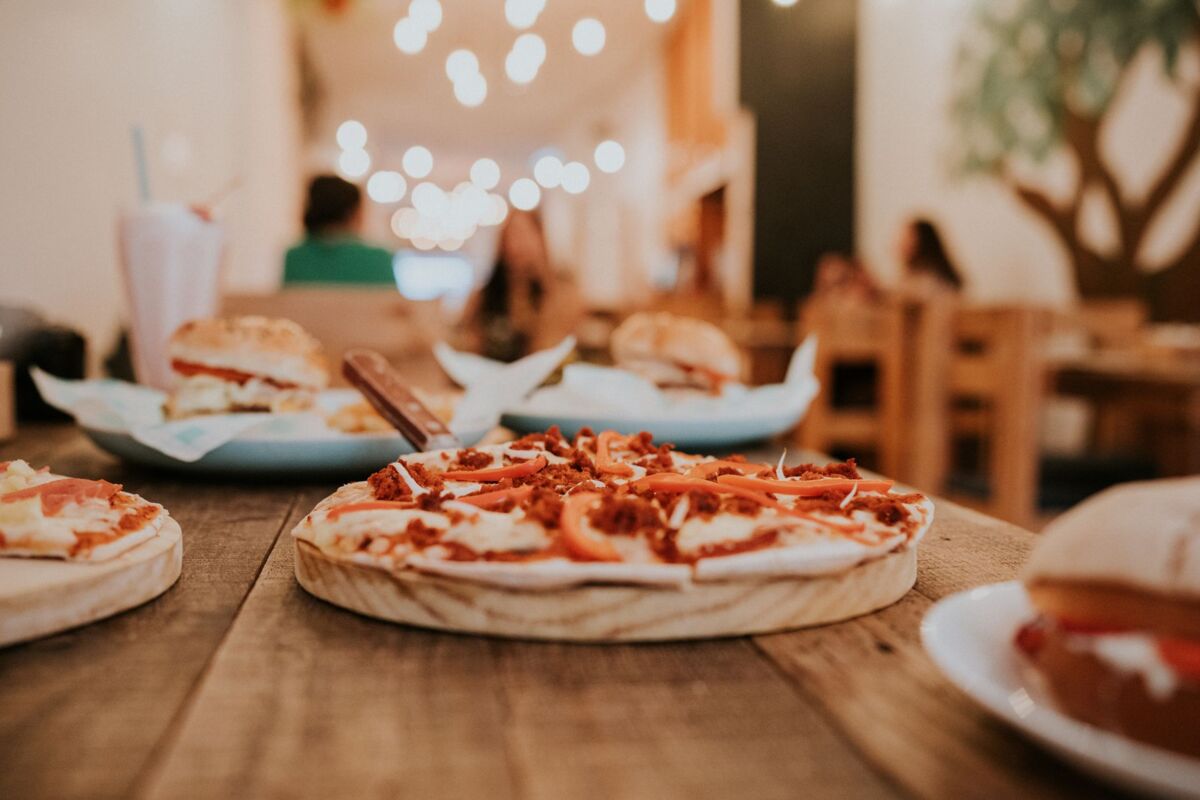
Many young children get on best with a thin-and-crispy base or a foldable New York slice topped simply, because the crust is easy to chew and the flavour is mild. Soft Neapolitan can be floppy for some, while deep-dish can be too heavy. Let your child's preferences lead rather than the most authentic option.
How do I find a halal pizzeria I can trust?
Check the official MUIS halal directory or the HalalSG app for the specific outlet, and look for the green MUIS certificate in store. A brand operating one halal outlet does not mean all its branches are certified, so verify the exact location before you go.
Can I get gluten-free pizza if my child is coeliac?
Gluten-free bases are widely available, but for a diagnosed coeliac you also need to confirm how the kitchen handles cross-contamination, including shared surfaces and flour dust. Treat it as a medical question and check directly with the restaurant rather than relying on the menu label.
Do family pizzerias in Singapore have high chairs?
Many do, but stock is usually limited at busy times. Call or message the outlet ahead and ask them to set one aside, and confirm pram access if you are bringing a stroller.
Are kids' menus or smaller portions available?
Some family-focused venues offer children's menus or smaller bases, while others let you order a personal-size pizza or split a larger one. Portions and any kids' menu vary, and kids-eat-free deals come and go, so check the current menu and promotions before ordering.
What is the best time to take young kids out for pizza?
Aim for an early lunch around 11.30am or an early dinner before 6pm for a calmer room, a free high chair and quicker service, all of which matter more than the pizza when a toddler is involved.
Pizza is rarely the hard part of a family meal out; the high chairs, the timing and the topping negotiations are. Plan around those and a slice becomes one of the easiest wins in your week. For more, browse our guide to the best family buffets in Singapore for build-your-own variety, Singapore's best bakeries for a dough-loving child, and the blog hub for more family dining.
Gluten Free and Allergy-Friendly Eating Out in Singapore: A Parent's Guide
A practical parent's guide to gluten free and allergy-friendly eating out in Singapore: allergens, hawker safety, talkin...
9 min read
Cat Cafe Singapore: A Family Guide to Animal Cafes
A parent's guide to the cat cafe Singapore scene and animal cafes: how they work, age rules, etiquette, welfare, and wha...
10 min read
Bak Kut Teh in Singapore: A Family Guide to the Comforting Pork Rib Soup
A parent's guide to bak kut teh in Singapore: peppery vs herbal styles compared, what to order for kids, spice tips and ...
10 min read