

Foods to Avoid During Pregnancy: A Singapore Guide
In this article
- How to think about food safety in pregnancy
- Raw and undercooked foods
- High-mercury fish (but please keep eating fish)
- Unpasteurised dairy and soft cheeses
- Cold cuts, pate, smoked seafood and other chilled ready-to-eat foods
- Caffeine: kopi, teh and bubble tea
- Alcohol, liver and herbal teas
- Eating out and at the hawker centre
- What about cravings, gestational diabetes and individual needs?
- Frequently asked questions
- The short version
When that second line appears, one of the first things most mums-to-be in Singapore want to know is simple: what can I still eat? The reassuring truth is that the genuine avoid-list is much shorter than the worry around it. Most of your everyday meals, from chicken rice to a bowl of laksa, are perfectly fine, and only a small handful of foods carry a real, if usually small, risk to a developing baby. This guide is for any pregnant woman eating her way through Singapore's hawker centres, zi char stalls and home kitchens, covering each risk with the reason behind it, safe-swaps and tips for eating out. It is general information, not personal medical advice, so always raise your own situation at your antenatal visits.
How to think about food safety in pregnancy
Pregnancy lowers your immune defences slightly, which is why a few normally harmless foods deserve more care for these nine months. Rather than memorising a long list, it helps to understand the four things you are guarding against, since most decisions then become obvious:
- Listeria, a bacterium that thrives in chilled, ready-to-eat foods and can, rarely, cross the placenta and cause serious harm. It is behind the soft-cheese, deli-meat, pate and smoked-seafood cautions.
- Toxoplasma and other parasites, found in raw or undercooked meat and some cured meats, which can affect a baby's development.
- Salmonella and other bacteria, carried in raw or lightly cooked eggs and undercooked poultry; thorough cooking destroys them.
- Mercury and excess vitamin A, cumulative exposures rather than infections: too much mercury (large predator fish) can affect a baby's nervous system, and too much retinol (mainly liver and some supplements) can harm development.
Almost everything below is one rule in disguise: heat kills the bugs, so freshly cooked and piping hot is your safest default, while raw, chilled and left-out items need a second thought.
Raw and undercooked foods
This is the headline group, because thorough cooking neutralises the organisms that can harm a baby. In Singapore, the items to skip until after delivery are:
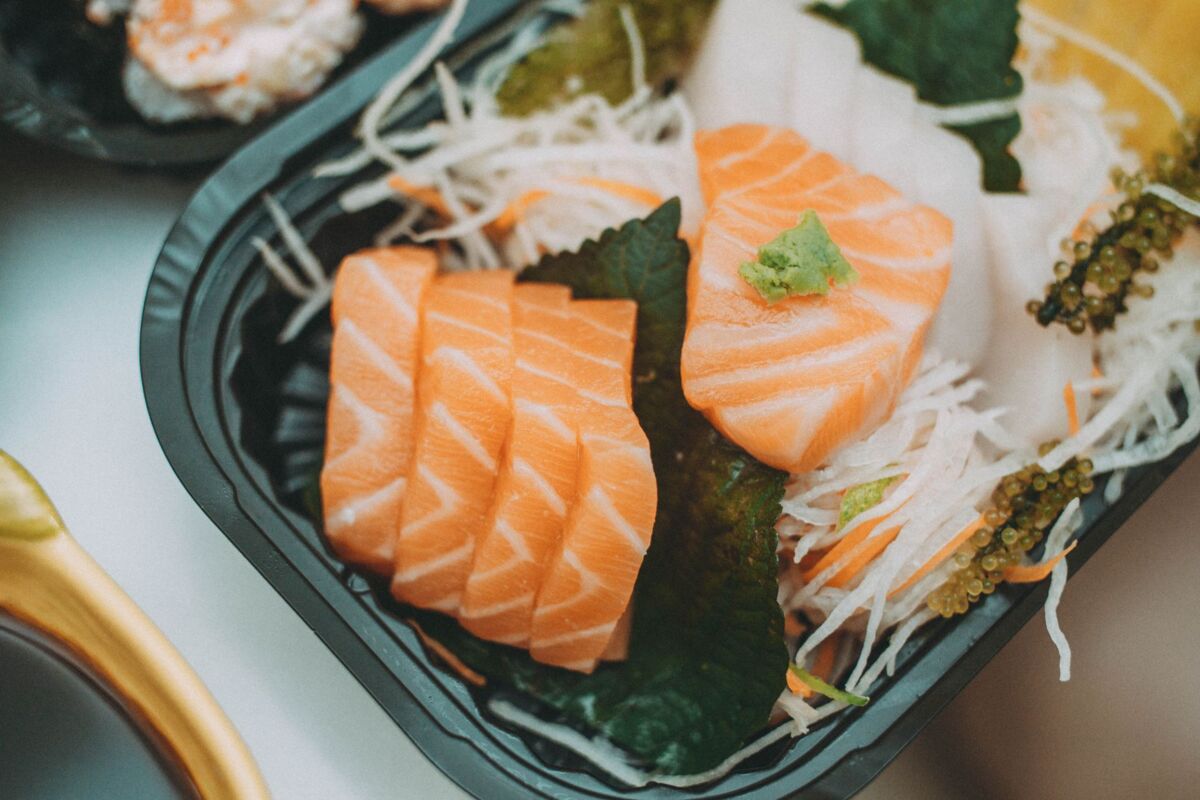
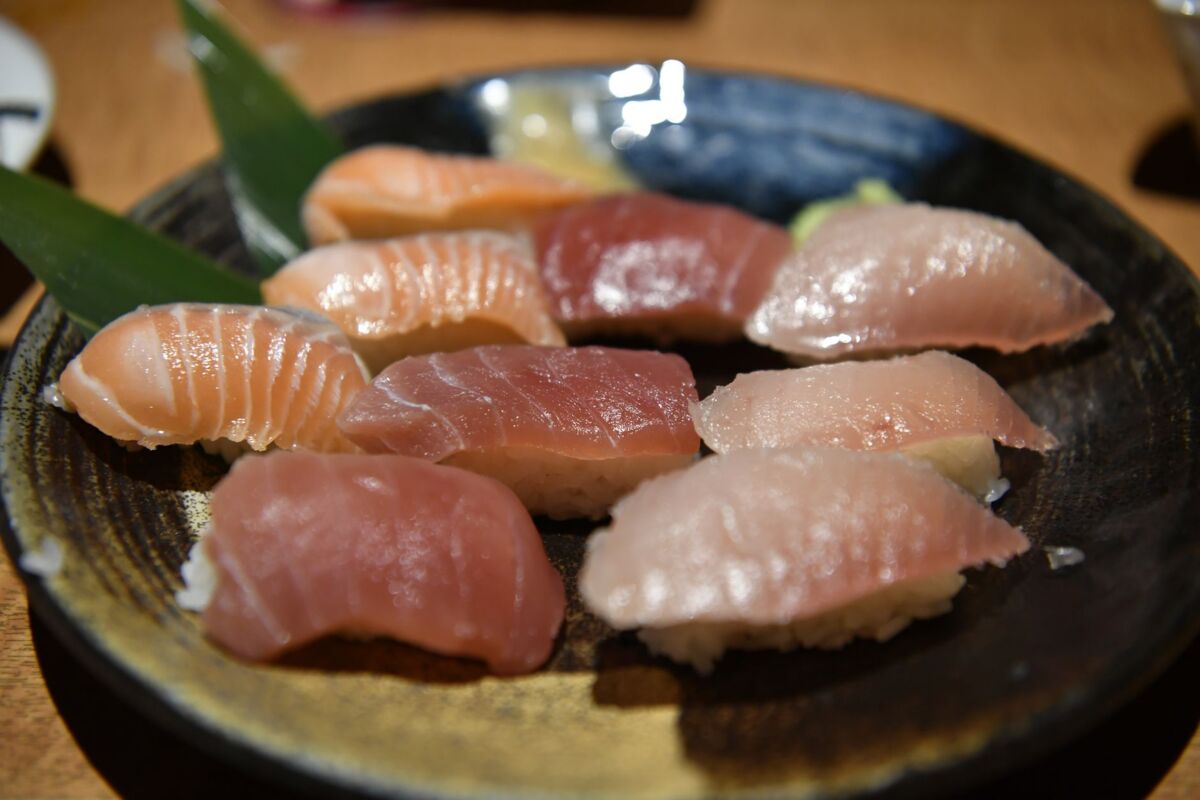
- Sashimi, sushi made with raw fish, and raw or undercooked seafood such as raw oysters, raw scallops and cockles (hum, the little clams often tossed into laksa or char kway teow; ask for them left out)
- Runny or half-boiled eggs, including the soft-boiled eggs in a kaya toast set, plus raw-egg sauces such as some fresh mayonnaise, hollandaise and Caesar dressing
- Undercooked meat, including rare or medium-rare steak, pink minced-meat patties and raw beef dishes
- Raw or barely-warmed shellfish at buffets
- Raw sprouts, such as the beansprouts (tauge) piled on laksa, Hokkien mee, prawn mee or salads
The good news is that cooked-through versions are fine: fully cooked fish, hard-boiled or set fried eggs, well-done meat with no pink, and stir-fried beansprouts carry no special risk. Two local dishes catch people out, though: raw fish (yu sheng) porridge sits in the same bracket as sashimi, so ask for it cooked, and the tossed yusheng of Chinese New Year is best enjoyed without the raw fish slices.
High-mercury fish (but please keep eating fish)
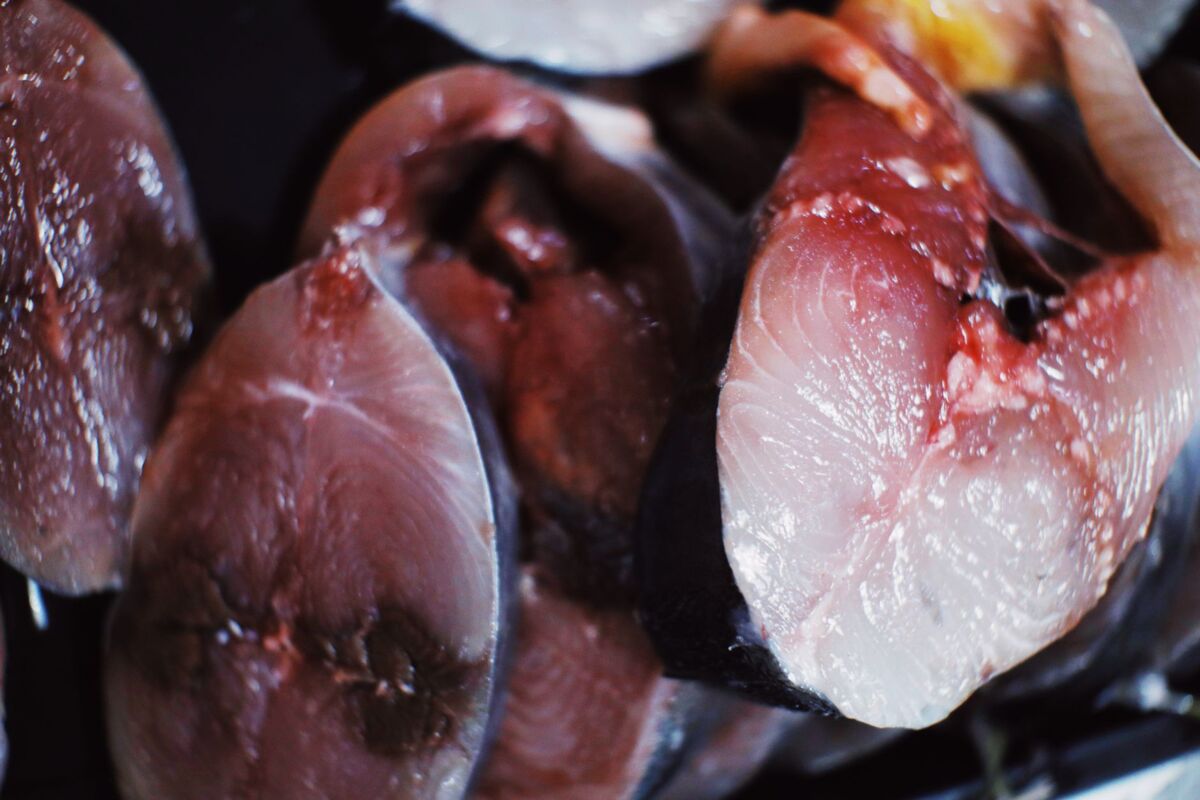
Fish is one of the best things on your plate during pregnancy, so the goal is to eat more of the right kinds, not to cut it out. Oily fish supplies omega-3 fats that support your baby's brain, eyes and nervous system, which is why Singapore's HealthHub and overseas authorities encourage pregnant women to eat fish regularly. The only catch is mercury: a few large, long-lived predator fish accumulate higher levels that can affect a baby's developing nervous system. So the rule is simple: keep eating fish, choose lower-mercury types, and limit the big predators.
- Limit or avoid the high-mercury predators: shark (including shark's fin), swordfish, king mackerel, marlin and bigeye tuna
- Be moderate with large tuna such as fresh tuna steaks and bluefin; current advice generally treats small amounts of canned light tuna as fine
- Enjoy lower-mercury choices freely and often: salmon, seabass, threadfin (ikan kurau / ngoh her), tilapia, pomfret, sardines, anchovies (ikan bilis) and most of the smaller fish you would find at a zi char stall
On portions, the common guidance is a couple of servings of fish a week, including some oily fish, rather than none. US FDA and EPA advice points to roughly two to three servings (about 8 to 12 ounces) of lower-mercury fish weekly, while NHS guidance caps oily fish at two portions. These numbers shift between countries and over time, so treat them as a range and confirm current advice with your doctor.
Unpasteurised dairy and soft cheeses
Unpasteurised (raw) milk and the cheeses made from it are a known listeria risk. The soft, mould-ripened and blue-veined cheeses are the ones to watch: their higher moisture and lower acidity let listeria grow more easily than in firm, dry cheeses.
- Avoid unpasteurised milk and any cheese made from it
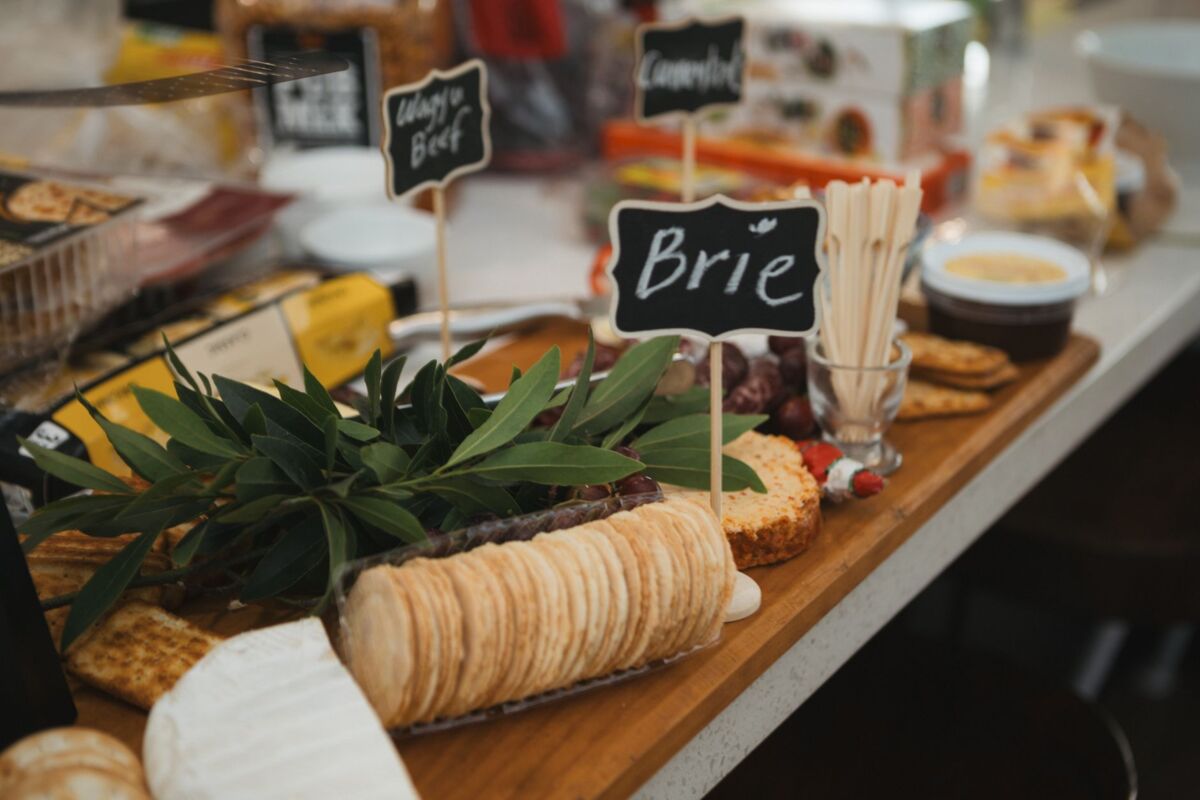
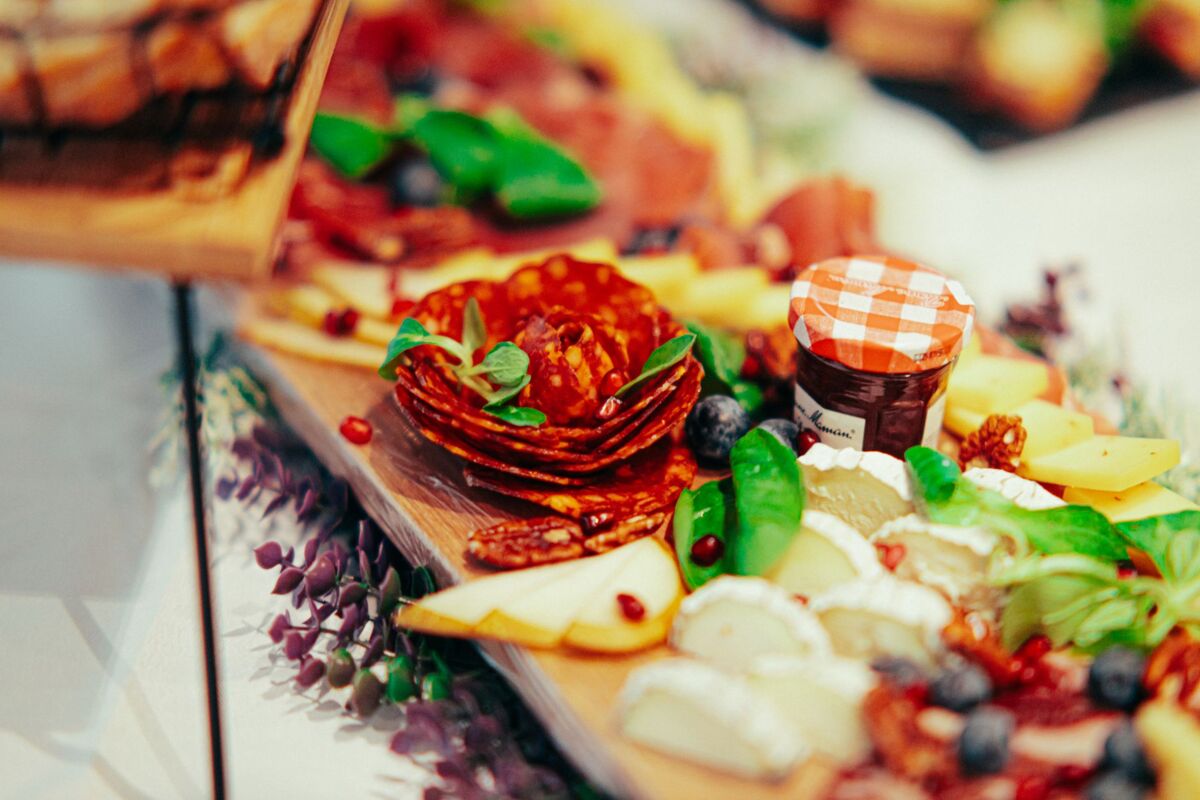
- Avoid soft mould-ripened cheeses such as brie and camembert, and soft blue cheeses such as gorgonzola, danish blue and roquefort, unless cooked until piping hot (a steaming baked brie, for instance, is fine)
- Hard cheeses such as cheddar and parmesan are fine, as are everyday pasteurised options: most supermarket milk, yoghurt, cream cheese, cottage cheese, mozzarella, feta and processed cheese slices
Almost all milk sold in Singapore supermarkets is pasteurised, so your morning Milo or a cheese toastie is not a worry. With imported or artisanal items, check the label for the word pasteurised, and if it is unclear, give it a miss.
Cold cuts, pate, smoked seafood and other chilled ready-to-eat foods
These get overlooked because they feel cooked, but chilled ready-to-eat foods are classic listeria territory, and the bacterium can grow even in the fridge. Heat them until steaming hot, or skip them.
- Cold deli and cured meats such as ham, salami, pepperoni, chorizo and prosciutto; heat them until steaming (think baked pizza topping) rather than eating cold off a charcuterie board
- All types of pate, including vegetable pate, which can carry listeria and, in liver pate, high vitamin A
- Cold-smoked or cured fish such as smoked salmon and gravlax, unless cooked until piping hot
- Pre-prepared salads, sandwiches and cut fruit left out unrefrigerated, plus raw enoki and other mushrooms, which are best cooked through
Caffeine: kopi, teh and bubble tea
You do not have to give up caffeine entirely, but keep a loose eye on the daily total. Current guidance is generally to stay under about 200mg a day, and the tricky part in Singapore is that caffeine hides in far more than coffee.
- Kopi and teh both contain caffeine, and a strong local kopi can use up a large chunk of your daily allowance on its own
- Bubble tea, milk tea and green tea add up faster than people expect, especially the bigger cup sizes
- Cola, some energy drinks and even dark chocolate quietly contribute too
For scale, NHS figures put a mug of instant coffee around 100mg, filter coffee around 140mg, tea around 75mg and a can of cola around 40mg, so a single strong coffee can be most of your day's budget. You do not need to count milligrams: a practical approach is at most one regular caffeinated drink a day, then decaf kopi, kosong drinks or plain water. Staying hydrated also eases the constipation and fatigue of pregnancy; if caffeine is part of a wider pattern of common pregnancy discomforts, mention it to your doctor.
Alcohol, liver and herbal teas
There is no known safe amount of alcohol in pregnancy, so the safest choice is none. That includes wine in cooking that has not been fully boiled off and alcohol-laced desserts such as tiramisu or rum cake. Many confinement dishes use rice wine; if that concerns you, ask for versions where the alcohol is fully simmered out.
Liver and liver products such as pate are a smaller, more specific caution. Liver is very high in retinol, a form of vitamin A, and too much can harm a developing baby. You need not avoid it completely, but go easy: not in large amounts or often, and avoid high-dose vitamin A supplements. This is why pregnancy multivitamins are formulated differently, and why any supplement should be cleared with your doctor or pharmacist first.
Herbal teas are mostly fine in moderation, but a few herbs are best limited in pregnancy, so the general advice is no more than one to two cups a day and to check the blend. Raspberry leaf tea should only be taken with your doctor's go-ahead.
Eating out and at the hawker centre
You can keep eating your favourites; a few small habits cover most of the risk:
- Order food freshly cooked and served hot, rather than dishes sitting out at room temperature, and reheat leftovers until steaming all the way through
- Ask for raw garnishes you cannot wash yourself, such as raw tauge and raw cockles, to be left out or cooked through
- At buffets and steamboat, cook your own portions fully and skip the raw bar and items left under warmers for ages
- Choose freshly cut fruit over platters left out a while, and wash fruit and salad vegetables well at home before eating
- Stick to busy, clean stalls with good turnover, and skip anything that smells off
A simple when-in-doubt rule
If you are ever unsure, ask one question: is this freshly cooked and hot, or is it raw, chilled or sitting out? Hot and fresh is almost always the safe choice, and that single test handles most hawker dilemmas, from whether to add the cockles to whether last night's leftover curry is okay (reheat until steaming).
What about cravings, gestational diabetes and individual needs?
This guide covers safety, but two other things shape what you eat. Cravings, nausea and aversions vary hugely; if smells or textures turn your stomach, work around them rather than forcing food down, and see our morning sickness remedies. Some pregnancies also have specific needs: if you are managing blood sugar, priorities shift toward portions and carbohydrate choices, covered in our gestational diabetes diet guide. For the bigger picture on what to add rather than avoid, including iron, folate, calcium and the best fish for baby, read our companion guide on eating well during pregnancy, or browse our full blog library.
Frequently asked questions
Is half-boiled egg in my kaya toast set safe?
The classic half-boiled eggs are runny by design, so they fall into the raw-egg caution because of salmonella. It is safer to ask for the eggs fully cooked, or enjoy the rest of the set and skip the runny eggs. Fully set fried or hard-boiled eggs are fine.
How much kopi or bubble tea can I have a day?
Current guidance generally suggests keeping caffeine under about 200mg a day, which often means at most one regular caffeinated drink, since a strong local kopi or a large bubble tea can use up much of that on its own. Switch to decaf, kosong drinks or water for the rest, and confirm the latest advice with your doctor.
Can I eat my favourite local dishes like laksa, chicken rice and char kway teow?
Yes. The dishes are fine when freshly cooked and hot. The only tweaks are to ask for raw cockles (hum) and raw beansprouts to be left out or cooked, and to make sure anything served is hot rather than lukewarm. Poached chicken in chicken rice should be cooked through, not pink at the bone.
I ate something on the avoid-list before I knew I was pregnant. What should I do?
Try not to worry. A single, one-off exposure carries a low risk, and most of the time nothing comes of it. Carry on eating safely from now, mention it at your next antenatal appointment, and seek medical advice promptly if you develop a high fever, chills or flu-like symptoms.
The short version
Most of what you eat day to day is fine. Cook animal foods thoroughly, skip raw fish and runny eggs, heat cold cuts and smoked seafood until steaming, stick to pasteurised dairy and skip cold soft cheeses, keep caffeine modest, avoid alcohol, and go easy on liver. When you eat out, choose freshly cooked hot food, wash your fruit and veg, and lean on the when-in-doubt rule. This is general information only, not a substitute for medical or dietary advice: your obstetrician, gynaecologist or a dietitian is the final word for your own pregnancy, and guidelines are updated over time.

Antenatal Classes in Singapore: A First-Time Parent's Guide
Antenatal classes in Singapore explained: what prenatal classes cover, KKH/NUH/Thomson options, when to start, costs, an...
10 min read
Writing a Birth Plan in Singapore: A Flexible Guide for Mums-to-Be
How to write a flexible birth plan in Singapore: pain relief, birth positions, skin-to-skin, vitamin K, C-section and po...
9 min read
Breast cancer in pregnancy in Singapore: a calm, careful guide
A gentle, factual guide to breast cancer in pregnancy in Singapore: how it is diagnosed and treated safely, and where to...
9 min read