

Eating Well in Pregnancy: A Singapore Mum's Practical Guide
In this article
- How much more do you really need to eat?
- Building a balanced pregnancy plate
- The nutrients that deserve extra attention
- Foods and drinks to limit or avoid
- Eating safely at the hawker centre, kopitiam and zi char stall
- Managing nausea, cravings and Singapore's heat
- Gestational diabetes and making local food work harder
- Healthy weight gain in pregnancy
- Frequently asked questions
- Putting it all together
Eating well in pregnancy is not about a punishing diet or literally eating for two. It is about giving your growing baby the building blocks they need while keeping yourself nourished, energised and comfortable. In Singapore, where good food is never more than a lift ride away, the real skill is making sensible choices at the hawker centre, zi char stall, kopitiam and supermarket without feeling deprived. This guide is for any expecting mum here who wants a clear, practical playbook: what to put on your plate, which nutrients matter most, what to limit, how to eat safely with local food, and how to cope with nausea, cravings and the heat. Treat it as general education and check anything specific with your own doctor or a dietitian.
How much more do you really need to eat?
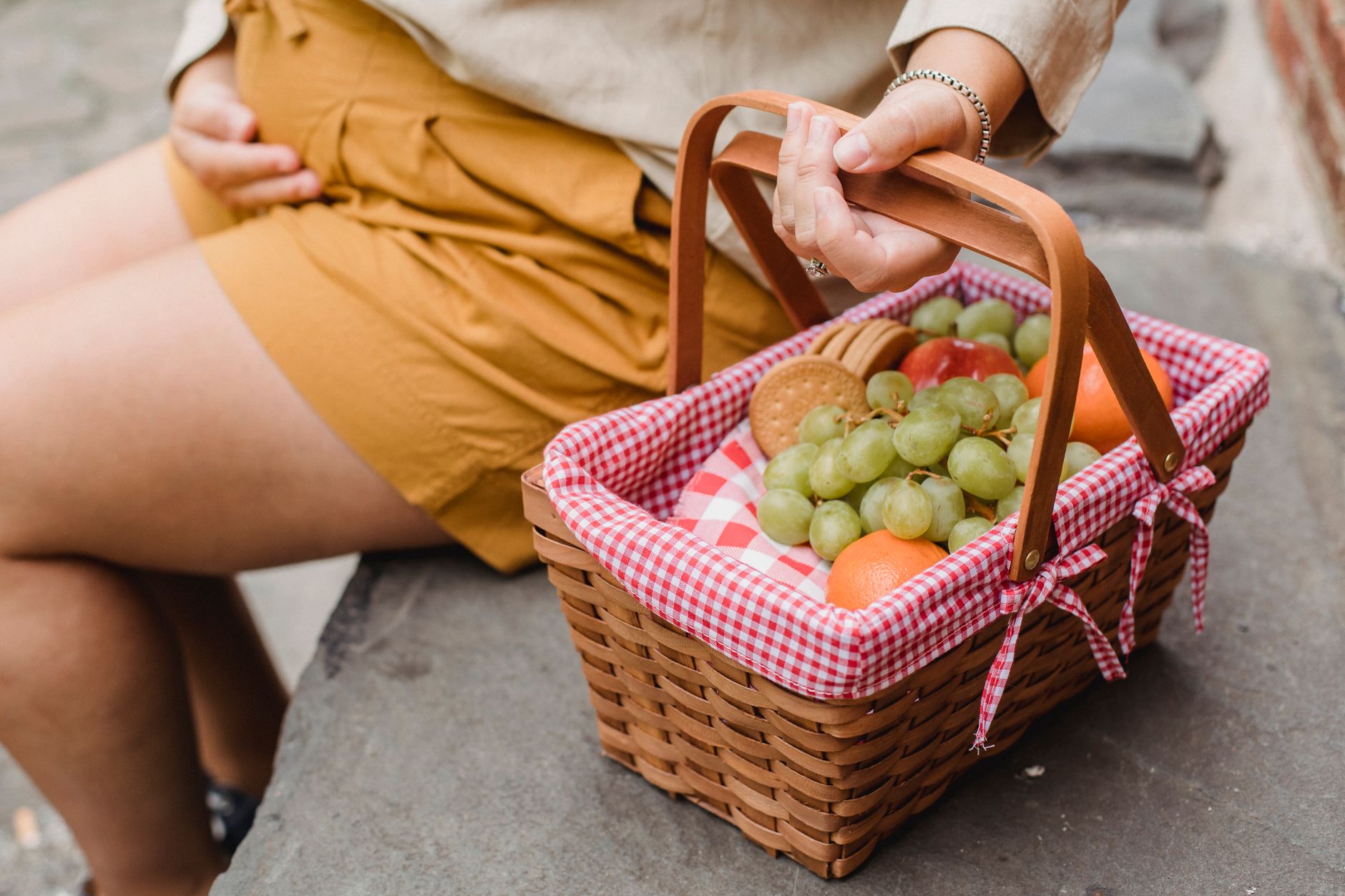
The myth that you must double your food intake drives a lot of unnecessary weight gain. In reality the extra energy your body needs is modest. SingHealth and KK Women's and Children's Hospital (KKH) dietitians put it at roughly an extra 370 calories a day in your second trimester and 480 calories a day in your third trimester, on top of a baseline of around 1,700 calories for a non-pregnant woman, and usually nothing extra in the first. That is about one wholemeal sandwich plus a glass of milk, or a small bowl of fish soup with rice and a fruit; the point is a little more nutrient-dense food rather than super-sizing your char kway teow.
Building a balanced pregnancy plate
The Health Promotion Board's My Healthy Plate is the simplest framework, and it works well for pregnancy. The idea is quarter, quarter, half: fill a quarter of your plate with wholegrains (brown rice, wholemeal bread, oats), a quarter with protein (fish, lean meat, poultry, eggs, tofu, beans), and half with fruit and vegetables. Wholegrains over white rice or bread release energy more slowly, which helps with steadier blood sugar and longer-lasting fullness. Spreading food across small, regular meals also beats two big ones, especially as your bump grows; a mid-morning fruit or a handful of nuts keeps energy steady and heads off the ravenous swings that lead to overeating later.
The nutrients that deserve extra attention
A few nutrients do real heavy lifting during pregnancy. You can get most from food, and your doctor will usually recommend a prenatal supplement to cover the gaps. Here is what each does and where to find it locally.
Folate and folic acid
Folate supports the formation of your baby's neural tube, which becomes the brain and spinal cord, and it matters most in the very early weeks, often before you even know you are pregnant. That is why HealthHub advises starting a folic acid supplement at least three months before trying to conceive and continuing through early pregnancy, alongside folate-rich foods such as dark leafy greens (spinach, kai lan, chye sim), beans, oranges and fortified cereals. Because the timing is so tight, the supplement is the reliable part and food is the bonus.
Iron
Your blood volume rises sharply in pregnancy, so iron needs go up to support it and build your baby's stores. Good sources include lean red meat, chicken, fish, eggs, tofu and dark leafy vegetables. Iron from plants is harder to absorb, so pair it with a vitamin C source in the same meal, for example a squeeze of lime, some tomato or an orange afterwards. Strong tea and coffee can block iron absorption, so keep your kopi or teh away from iron-rich meals.
Calcium
Calcium builds your baby's bones and teeth, and SingHealth puts the requirement at around 1,000 mg a day during pregnancy. Reach it with milk, yoghurt, hard cheese, calcium-set tofu (taukwa), calcium-fortified soy milk, and small fish eaten with the bones such as ikan bilis and canned sardines. Fortified soy milk and tofu are easy swaps if you are lactose intolerant.
Protein
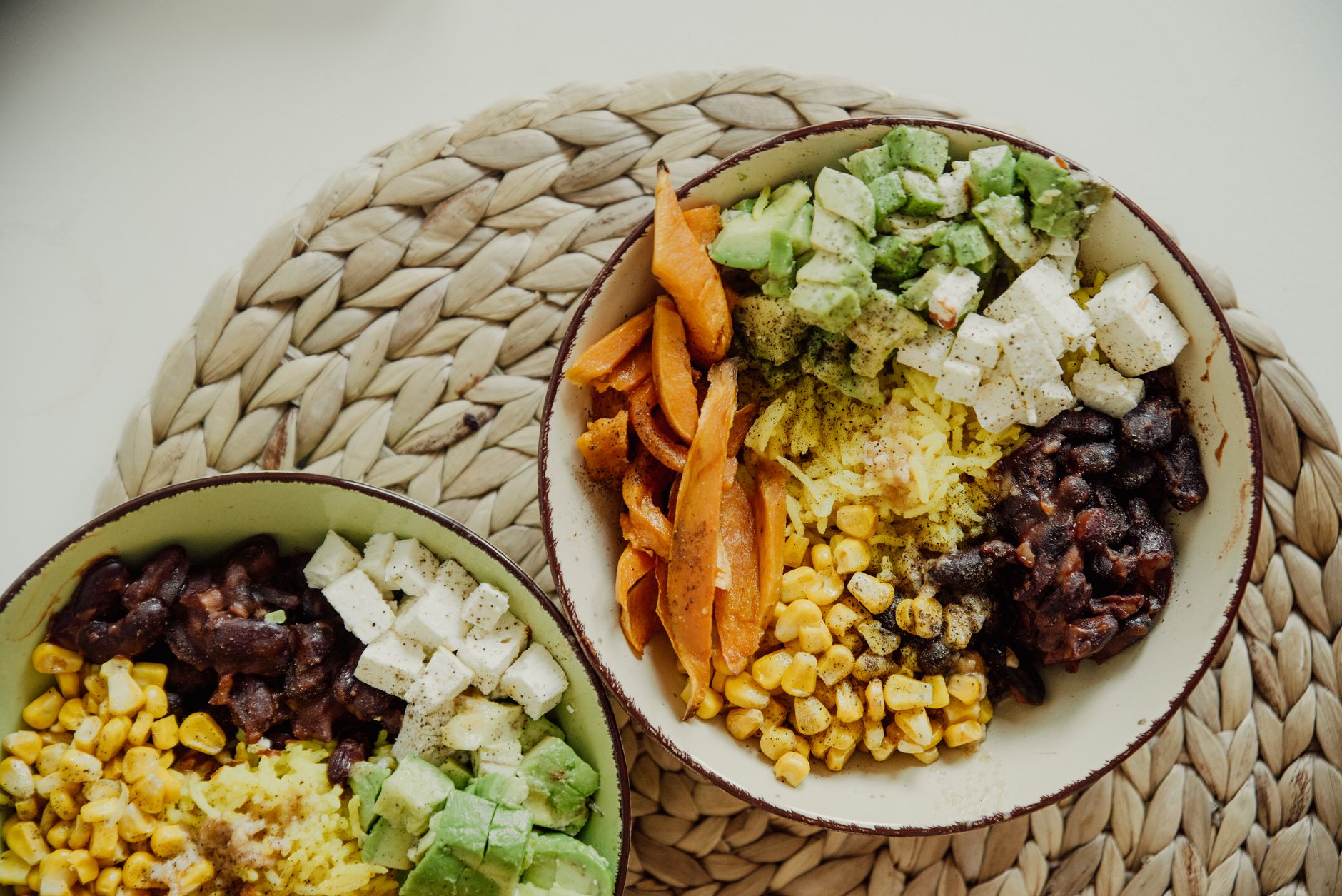
Protein is the raw material for your baby's tissues and the changes in your own body. Spread it through the day rather than loading it all at dinner: an egg at breakfast, fish or chicken at lunch, tofu or dhal at dinner, dairy or nuts as snacks. Beans, lentils and tofu count alongside fish, poultry, eggs and dairy.
Omega-3 and DHA
DHA, a type of omega-3 fat, supports your baby's brain and eye development. Oily fish such as salmon and sardines are the best food sources, within safe limits (more on mercury below). If you eat little or no fish, your doctor may suggest a DHA supplement, which many prenatal multivitamins include.
Iodine
Iodine is easy to overlook but important for your baby's brain development and your own thyroid, and needs rise in pregnancy. Iodised salt, dairy, eggs and seafood are common sources. Because intake can fall short, iodine is often included in prenatal supplements; ask your doctor whether yours covers it rather than buying high-dose products on your own.
On supplements generally: a daily prenatal multivitamin is commonly advised to top up folate, iron, calcium, DHA and iodine, but more is not better. High doses of some nutrients, especially vitamin A, can harm your baby. Bring everything you take to your antenatal visit, including traditional tonics, bird's nest, essence of chicken and herbal products, and let your doctor decide what suits you.
Foods and drinks to limit or avoid
Some foods carry a higher infection risk or contain substances best kept low in pregnancy. Do not panic if you ate something on this list once or twice before you knew; the goal is simply to reduce regular exposure from here on. For a deeper breakdown, see our companion guide on foods to avoid during pregnancy in Singapore.
- Raw or undercooked meat, seafood and eggs: sashimi, raw oysters, half-boiled or runny eggs (including the kopitiam favourite) and pink, undercooked meat. SingHealth flags these for listeria and other food poisoning. Cook them through and ask for fully cooked eggs.
- High-mercury fish: limit large predatory fish such as shark, swordfish, marlin and king mackerel (sometimes sold locally as batang), as mercury can affect your baby's nervous system. Lower-mercury choices like salmon, sardines and most smaller local fish are fine in moderation.
- Unpasteurised dairy and soft cheeses: avoid unpasteurised milk and soft, mould-ripened or blue-veined cheeses such as brie, camembert and blue cheese, plus pates, which carry a higher listeria risk.
- Cold deli and processed meats: uncooked ham, hot dogs and luncheon meats can harbour listeria; heat them until steaming first.
- Raw sprouts: raw beansprouts and other sprouts can carry bacteria; have them cooked into a hot soup or stir-fry rather than raw.
- Excess liver and vitamin A: liver is very high in vitamin A, so SingHealth advises limiting it to no more than 50g per week in the first trimester and avoiding high-dose vitamin A supplements.
- Too much caffeine: keep it under 200 mg a day (see below).
- Alcohol: there is no known safe amount in pregnancy, so the safest choice is to skip it entirely, including wine in cooking that is not fully cooked off and tonics containing alcohol.
How much caffeine is okay?
SingHealth advises keeping caffeine under 200 mg a day. In kopitiam terms, a mug of instant coffee has roughly 60 to 80 mg, a mug of filtered coffee around 140 mg, and a cup of tea about 30 to 50 mg. Bubble tea, cola, energy drinks and even dark chocolate add to the total, so count everything, not just your morning kopi. One regular coffee or a couple of cups of tea spread through the day usually keeps you comfortably under the limit.
Eating safely at the hawker centre, kopitiam and zi char stall
You do not have to give up local food to eat safely. A handful of habits cuts the risk of listeria, salmonella and toxoplasma without taking the joy out of a hawker meal.
- Choose busy, clean stalls where food is cooked to order and served piping hot rather than sitting under a heat lamp.
- Be cautious with chilled, ready-to-eat items left out, such as uncovered cut fruit, cold cooked meats and pre-made cold dishes.
- Ask for eggs fully cooked, not runny or half-boiled, and skip raw garnishes you are unsure about, like raw beansprouts on laksa or hokkien mee.
- Treat raw-fish dishes like sashimi and yusheng as off the menu for now; choose cooked versions instead.
- Reheat any tabao leftovers until steaming hot all the way through, and eat them the same day.
Toxoplasma can also come from soil and cat litter, not just food, so SingHealth recommends washing fruit and vegetables well, washing hands before eating, and wearing gloves (or handing the job over) when gardening or changing the cat litter tray.
Managing nausea, cravings and Singapore's heat
Morning sickness rarely keeps to mornings, and it is very common in the first trimester. When you are queasy, the priority shifts from eating perfectly to simply keeping something down. Be kind to yourself; appetite usually returns as the weeks pass.
- Eat small, frequent snacks instead of three big meals, and try not to let your stomach get completely empty.
- Keep plain, dry options like cream crackers or plain biscuits by the bed for first thing in the morning.
- Reach for cool, bland or slightly sour foods if hot, strong-smelling dishes turn your stomach; cold fruit, plain bread or a sour sweet can help.
- Sip fluids steadily through the day; ginger in tea or soup settles things for some mums.
For more strategies, including what is safe to take, see our guide to morning sickness remedies in Singapore. If you cannot keep any food or fluids down, feel faint or are losing weight, see your doctor promptly, as severe vomiting (hyperemesis) sometimes needs treatment.
Cravings are normal and usually harmless in moderation, so an occasional mala or ice kacang is fine as long as the week stays balanced. Hydration deserves special attention in our climate, where you sweat more without noticing. Plain water is best; go easy on sugary drinks like bandung, sugarcane juice, sweetened kopi and bubble tea, which pile on calories and can spike your blood sugar.
Gestational diabetes and making local food work harder
Gestational diabetes is screened for during pregnancy in Singapore, and if it is picked up your care team will guide you closely, often with a dietitian. Whether or not you are at higher risk, a few swaps make local food gentler on your blood sugar and waistline.
- Ask for less rice or noodles, and choose brown rice or wholegrain options where the stall offers them.
- Request less gravy and less sugar in drinks, and treat syrupy desserts as occasional rather than daily; a kosong (no sugar) or siu dai (less sweet) drink is an easy win.
- Balance starchy dishes with vegetables and a protein source, for example a side of vegetables and an egg with economy rice.
- Pair carbs with protein and fibre rather than eating them alone, which slows the sugar rush.
If you want a fuller plan tailored to blood sugar, our guide to a gestational diabetes diet in Singapore goes into portion sizes and meal ideas in detail.
Healthy weight gain in pregnancy
There is no single right number on the scale. Healthy weight gain depends mostly on your pre-pregnancy weight, so doctors here use your starting BMI as a guide. As a rough sense of scale, SingHealth describes a typical total gain of around 9 to 13 kg for many women, less (roughly 6 to 9 kg) if you started out overweight and more if you began underweight, often about half a kilo a week through the second and third trimesters. These are general ranges, not exact targets. Aim for steady, gradual gain and let your doctor track your progress at each antenatal visit. Pregnancy is never the time to attempt weight loss. Related reading: our guides to gestational diabetes testing and management.
Frequently asked questions
Can I still drink kopi or teh while pregnant?
Yes, in moderation. Keep total caffeine under 200 mg a day. Since a mug of instant coffee is about 60 to 80 mg and a cup of tea about 30 to 50 mg, one regular coffee or a couple of cups of tea is usually fine, but remember bubble tea, cola and chocolate count too.
Is sashimi or raw fish ever okay during pregnancy?
It is safest to avoid raw and undercooked fish, including sashimi and raw oysters, because of listeria and parasite risks. Cooked seafood is fine, and lower-mercury cooked fish such as salmon and sardines are encouraged in moderation. Skip large predatory fish like shark, swordfish, marlin and king mackerel.
Can I eat durian, pineapple or other foods people warn about?
Most popular food taboos are not backed by strong evidence. Durian is fine in small amounts but calorie-dense and sugary, and pineapple in normal quantities is safe. The foods that genuinely matter are the raw, unpasteurised, high-mercury and high-vitamin-A items listed above; if a particular food worries you, check with your doctor rather than relying on hearsay.
Which supplements should I take?
Folic acid is the key one to start before and during early pregnancy, and most mums also take a prenatal multivitamin covering iron, calcium, DHA and iodine. Avoid self-prescribing high-dose single nutrients, particularly vitamin A. Bring everything you take, including traditional tonics, to your antenatal visit so your doctor can advise what suits you.
Putting it all together
Eating well in pregnancy comes down to a balanced plate, sensible portions rather than eating for two, the right nutrients topped up by a prenatal supplement, good food safety, and listening to your body through nausea and cravings. You can keep enjoying Singapore's food while making small, smart swaps at the stall. If you are still mapping out your pregnancy, our week-by-week pregnancy guide covers what to expect at each stage, and you can browse more reads on the Fussy Mama blog.
Every pregnancy is different, and this article is general education, not medical advice. Always follow the guidance of your own doctor, midwife or dietitian for your specific situation, and seek prompt medical attention if you feel unwell.

Antenatal Classes in Singapore: A First-Time Parent's Guide
Antenatal classes in Singapore explained: what prenatal classes cover, KKH/NUH/Thomson options, when to start, costs, an...
10 min read
Writing a Birth Plan in Singapore: A Flexible Guide for Mums-to-Be
How to write a flexible birth plan in Singapore: pain relief, birth positions, skin-to-skin, vitamin K, C-section and po...
9 min read
Breast cancer in pregnancy in Singapore: a calm, careful guide
A gentle, factual guide to breast cancer in pregnancy in Singapore: how it is diagnosed and treated safely, and where to...
9 min read