

Morning Sickness Remedies in Singapore: Safe Ways to Cope With Nausea in Pregnancy

In this article
If you are riding waves of nausea in your first trimester, you are in very good company. Morning sickness affects around three in four pregnant women, and despite the name it can hit at any hour, sometimes all day. The reassuring part is that for the vast majority of mums it is a normal (if thoroughly miserable) part of early pregnancy, it usually eases by the end of the third month, and there are simple, safe things you can do at home to feel more human while you wait it out. This guide is for any expecting mum in Singapore looking for gentle, evidence-based ways to settle her stomach, plus a clear-eyed look at the warning signs that mean it is time to call your gynae.
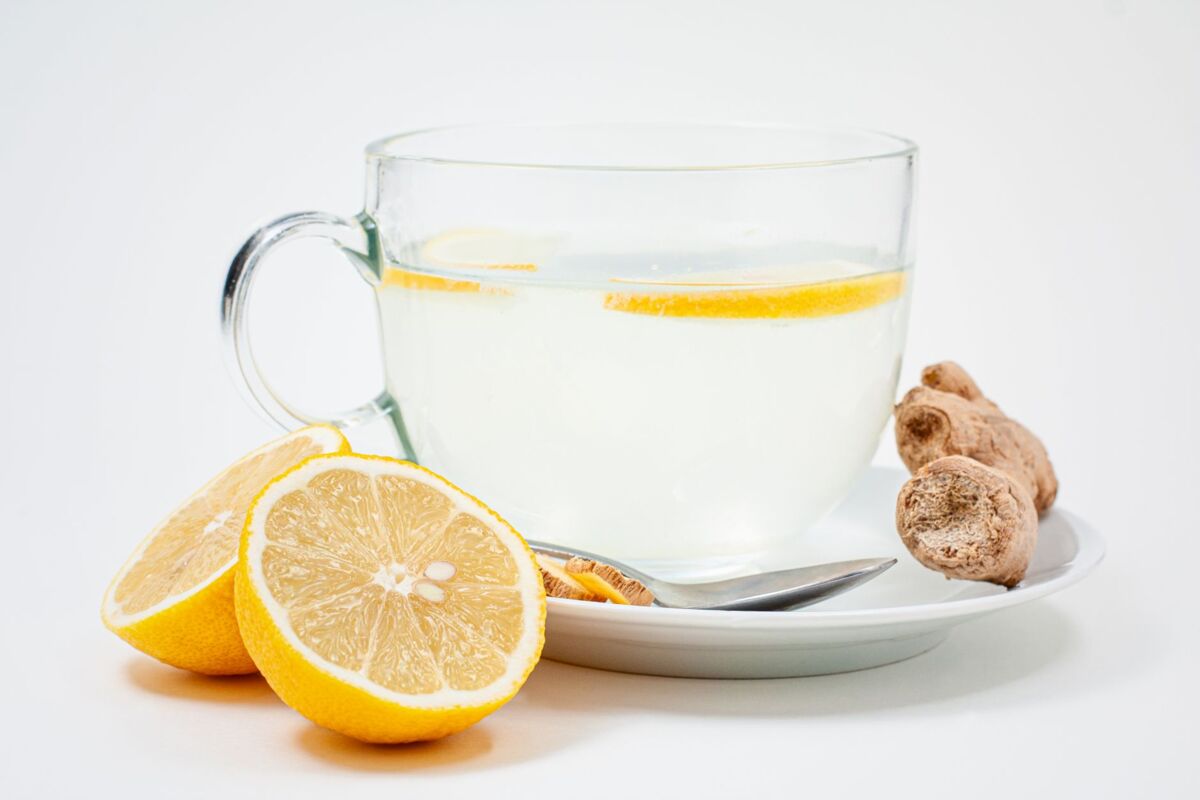
Why morning sickness happens
Nausea and vomiting in pregnancy are thought to be driven mostly by the surge of pregnancy hormones in early pregnancy, especially human chorionic gonadotropin (hCG) and rising estrogen. The exact cause is not fully understood, and genetics, your overall health and even stress may play a part. What matters is that feeling sick is not a sign that something is wrong. In fact, in many women it is associated with a healthy pregnancy. An empty stomach, strong smells, tiredness, an unusually sharp sense of smell and extra saliva can all make it worse, which is why the most effective remedies are about dodging triggers and keeping your body topped up rather than chasing a single magic cure.
When does it start and when does it stop?
For most mums, symptoms appear somewhere between weeks six and nine, peak in the first trimester, and fade for around nine in ten women by the end of the third month, roughly weeks 12 to 16. A smaller group, about one in ten, keep feeling queasy beyond 20 weeks. So if you are counting down, the good news is that the worst of it is usually short-lived. Our due date calculator can help you see how close you are to that first-trimester finish line.
Safe morning sickness remedies you can try at home
None of these is guaranteed to work for everyone, and most mums end up mixing and matching. Start with the gentle, food-and-lifestyle options below before reaching for anything from the pharmacy.
Eat small, frequent, bland meals
An empty stomach often makes nausea worse, so three big meals a day can backfire. Instead, aim for small amounts every couple of hours so your stomach is never completely empty or uncomfortably full. Plain, starchy, low-fat foods tend to sit best: plain biscuits, crackers, dry toast, plain rice or congee, plain noodles, bananas. Protein-rich nibbles such as a boiled egg or a few nuts help some mums too. For ideas that work across the whole first trimester, see our guide to eating well in pregnancy.
Nibble before you get out of bed
Morning nausea is often at its worst the moment you sit up on an empty stomach. Keep a few dry crackers or plain biscuits on your bedside table and eat a couple while you are still lying down, then give yourself ten quiet minutes before slowly getting up. Springing out of bed tends to make the queasiness spike, so move gently.
Try ginger
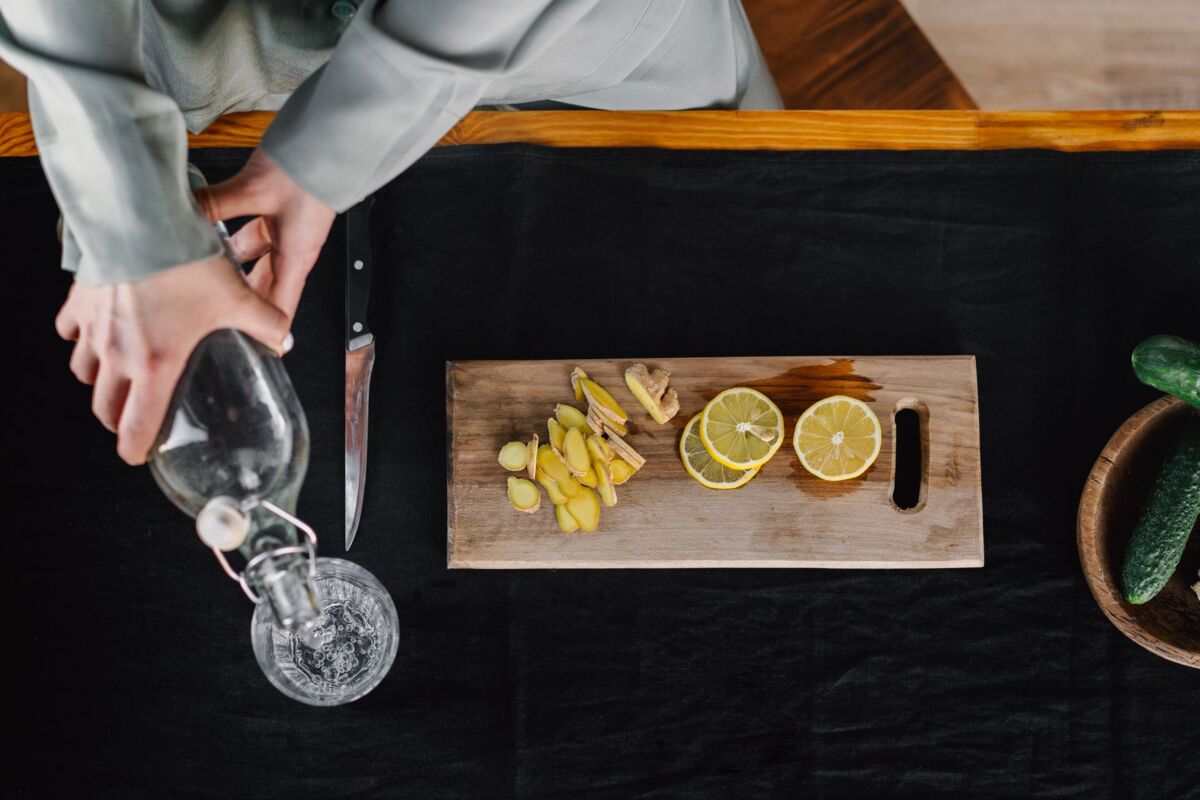
Ginger is one of the few remedies with reasonable evidence behind it for easing pregnancy nausea, and it is everywhere in Singapore. You can try ginger tea, a slice of fresh ginger steeped in warm water, ginger sweets or plain ginger biscuits. It will not work for everyone, but it is a low-risk thing to test. Keep the amount sensible and food-like rather than reaching for high-dose ginger supplements, and check with your doctor or pharmacist before taking any concentrated supplement form.
Stay hydrated, in small sips
Dehydration both worsens nausea and is the main real risk if you are vomiting, so fluids matter even more than food in the early weeks. Sip little and often rather than downing a big glass, which can trigger more sickness. Plain water, cold or iced drinks, weak tea, clear soup, diluted fruit juice or sucking on ice chips can all help. Aim for steady intake across the day. If solid food feels impossible, getting fluids in is the priority. Going easy on strong caffeine is also wise while you are dehydrated.
Avoid your triggers
Pregnancy can crank your sense of smell up uncomfortably high. Take note of what sets you off, whether it is cooking smells, fried or oily hawker food, spicy or acidic dishes, coffee, perfume or a stuffy room, and steer clear where you can. Cold or room-temperature meals give off less aroma than piping-hot ones, so they are often easier to face. Fresh air, an open window, a fan and getting someone else to handle the cooking for a while are all fair game. A few mums find a fresh-cut lemon or a dab of peppermint helps cut through a bad smell.
Try acupressure or anti-nausea bands
Some mums get relief from acupressure on the inner wrist, around three finger-widths up from the crease, in line with the middle finger. You can press the spot firmly with your thumb, or wear the elasticated travel-sickness wristbands sold at most Singapore pharmacies, which press on the same point. The evidence is mixed, but the bands are cheap, drug-free and harmless to try, so plenty of mums keep a pair handy.
Rest and go easy on yourself
Tiredness makes nausea worse, and the first trimester is exhausting on its own. Nap when you can, slow your pace down, and do not feel guilty about it. Gentle movement helps some mums too: a short walk or light stretching after a meal can aid digestion, though now is not the time to push hard. If you want to keep moving safely, our notes on safe exercise during pregnancy cover what is sensible in the early weeks.
Vitamin B6 and anti-nausea medicine (speak to your doctor first)
Vitamin B6 (pyridoxine) is commonly suggested for pregnancy nausea and is often the first thing a doctor will consider before anything stronger. Do not start it on your own, though, and do not assume more is better. Talk to your doctor or pharmacist about whether it suits you and the right amount. If home measures and B6 are not enough, your doctor can also prescribe anti-nausea (antiemetic) medicines that are considered safe in pregnancy, so you do not have to simply grit your teeth and suffer. The key is that the choice and dose come from a professional who knows your stage and history, not from the internet.
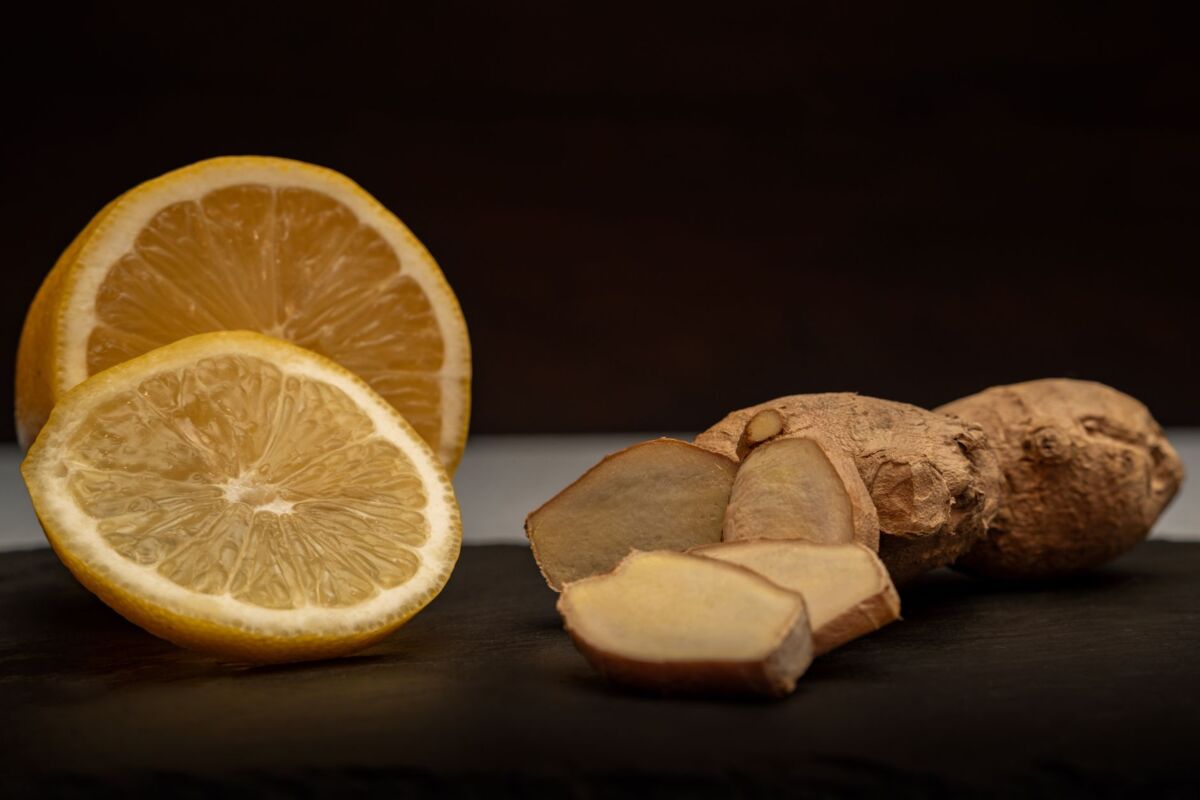
When morning sickness is more serious: hyperemesis gravidarum
A small number of women develop a much more severe form of pregnancy sickness called hyperemesis gravidarum. This is not just bad morning sickness. It is relentless nausea and vomiting that stops you keeping food or even fluids down, and it can lead to dehydration, weight loss and exhaustion that gets in the way of everyday life. As a rough marker, losing more than about ten percent of your pre-pregnancy weight is a sign that you need medical help. The condition is treatable, and getting seen early makes a real difference, so please do not try to tough it out at home.
See a doctor promptly if you have any of the following:
- You cannot keep any fluids down for a day, or you are vomiting many times a day
- You are losing weight, or you feel very weak, faint or dizzy when you stand up
- You are passing very little urine, or your urine is dark and strong-smelling (signs of dehydration)
- You have not passed urine for around eight hours
- You have a high temperature, severe tummy pain, or are vomiting blood
- You feel so unwell that you cannot cope, or you are very worried
Where to get help in Singapore
Start with your own obstetrician or gynae, who knows your pregnancy best, or your GP or nearest polyclinic if you cannot reach them. If you are under a maternity hospital such as KK Women's and Children's Hospital (KKH) or National University Hospital (NUH), their clinics can assess you. If you are seriously unwell, cannot keep any fluids down, or it is after hours, go to a hospital with an obstetric or emergency service rather than waiting. Treatment for severe sickness usually involves a drip to rehydrate you and anti-nausea medication, sometimes with a short hospital stay, and most women recover well with the right support. Choosing the right specialist early helps; our guide on how to choose a gynae in Singapore walks you through it.
Looking after yourself through the queasy weeks
Morning sickness can feel isolating, especially when you are also juggling work and everyday life. Be kind to yourself: eat what you can keep down for now, lower your standards on cooking and chores, and lean on your partner and family for support. Accepting help is not giving up. It also pairs with the other early-pregnancy aches and oddities, so our rundown of common pregnancy discomforts by trimester can help you tell what is normal. If the nausea, exhaustion and worry are weighing on your mind as well as your body, that is valid too, and support is available through our mental wellness resources.
For more on this stage, browse the Pregnancy and Prenatal hub, where you will find everything from your first scans to packing your hospital bag.
Frequently asked questions
Is morning sickness worse in the morning?

It can be, because your stomach is empty after a night's sleep, which is why nibbling a cracker before getting up helps. But the name is misleading. Many mums feel queasy in the afternoon or evening, and some feel it all day. There is no rule, and your pattern may shift from week to week.
Does having morning sickness mean my baby is healthy?
Feeling sick is often a normal sign of the hormonal changes of early pregnancy, and in many women it is reassuring rather than worrying. That said, plenty of women have little or no nausea and go on to have perfectly healthy pregnancies, so a lack of morning sickness is not a cause for alarm on its own. If you ever feel something is off, check with your gynae.
What foods help with pregnancy nausea?
Plain, dry, starchy and low-fat foods tend to be kindest: crackers, dry toast, plain rice or congee, plain noodles, bananas, and small portions of protein such as a boiled egg. Cold dishes smell less than hot ones and can be easier to stomach. Avoid fatty, greasy, spicy and strongly acidic foods, which commonly trigger nausea. Sip fluids steadily between meals rather than with them.
Is ginger safe during pregnancy?
Ginger in normal food amounts, such as ginger tea, ginger sweets or ginger biscuits, is widely used for pregnancy nausea and is generally considered low-risk. The caution is with concentrated, high-dose ginger supplements. Check with your doctor or pharmacist before taking those, and before combining ginger with any other remedy.
When should I go to the hospital for morning sickness?
Get urgent help if you cannot keep any fluids down for around a day, you are passing very little or very dark urine, you feel very weak, faint or dizzy, you have severe tummy pain, a high fever, or you are vomiting blood. These can point to dehydration or hyperemesis gravidarum, both of which need prompt care. Contact your gynae or GP, or go to a hospital with an emergency or obstetric service if it is after hours or you are seriously unwell.
Can I take medication for morning sickness?
Yes, there are anti-nausea medicines and vitamin B6 that doctors consider safe in pregnancy, and you do not have to just suffer if home measures are not enough. The important thing is that a doctor or pharmacist chooses the option and dose for you, rather than buying something off the shelf or following an internet recommendation. Speak to them before taking anything.

Antenatal Classes in Singapore: A First-Time Parent's Guide
Antenatal classes in Singapore explained: what prenatal classes cover, KKH/NUH/Thomson options, when to start, costs, an...
10 min read
Writing a Birth Plan in Singapore: A Flexible Guide for Mums-to-Be
How to write a flexible birth plan in Singapore: pain relief, birth positions, skin-to-skin, vitamin K, C-section and po...
9 min read
Breast cancer in pregnancy in Singapore: a calm, careful guide
A gentle, factual guide to breast cancer in pregnancy in Singapore: how it is diagnosed and treated safely, and where to...
9 min read