

Fussy Eater Toddler? A Calm, Practical Singapore Guide for Parents
In this article
- Why fussy eating is so common (and usually a phase)
- Set the table up for success: routine, environment, portions
- Gentle strategies that actually work
- The Singapore reality: grandparents, helpers and consistency
- What NOT to do
- Get ahead of it: textures and the weaning months
- When to seek help
- Frequently asked questions
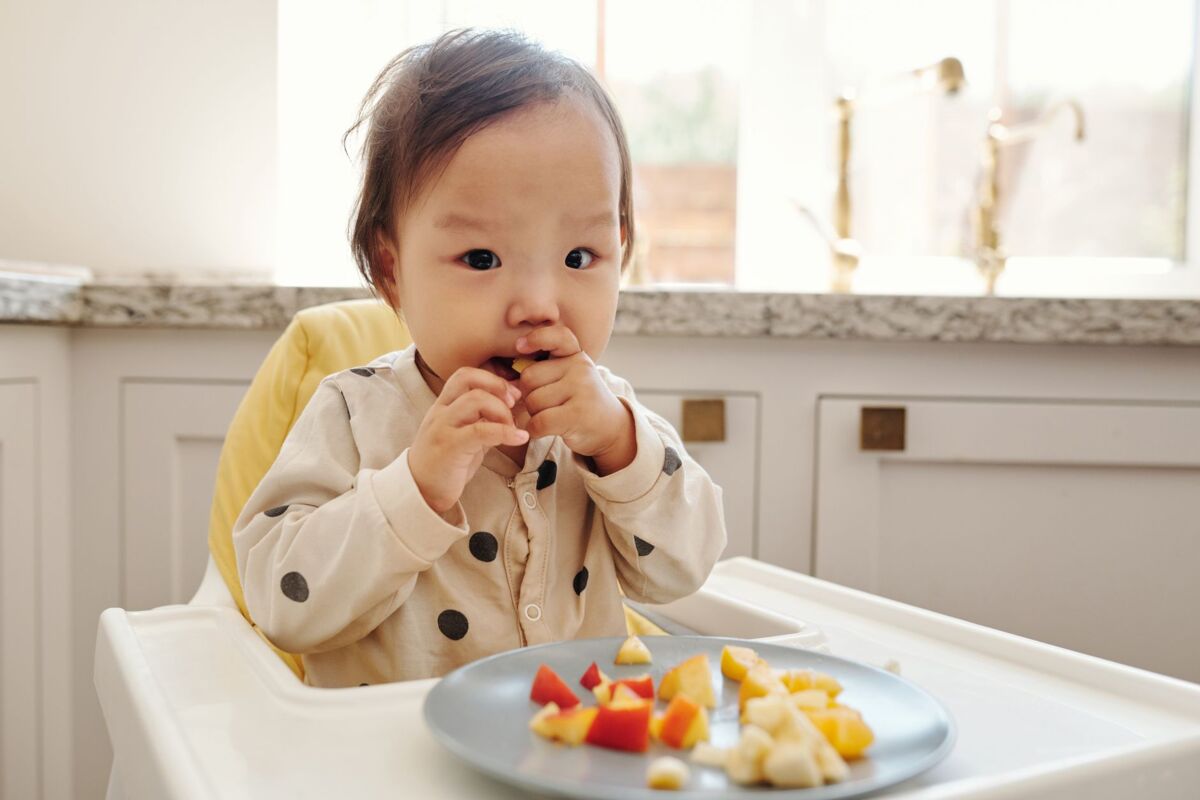
If dinner has become a nightly negotiation, take a breath. You are far from alone: KK Women's and Children's Hospital reports that up to half of Singapore parents of children aged 1 to 10 describe their child as a fussy eater. This guide is for tired parents of toddlers and preschoolers who want practical, reassuring help, not guilt. We will cover why picky eating happens, the gentle strategies backed by Singapore's health authorities, how to handle the local pressures (hawker meals, grandparents, helpers, the milk-and-snack tug-of-war), and the signs that mean it is worth a chat with your doctor.
Why fussy eating is so common (and usually a phase)
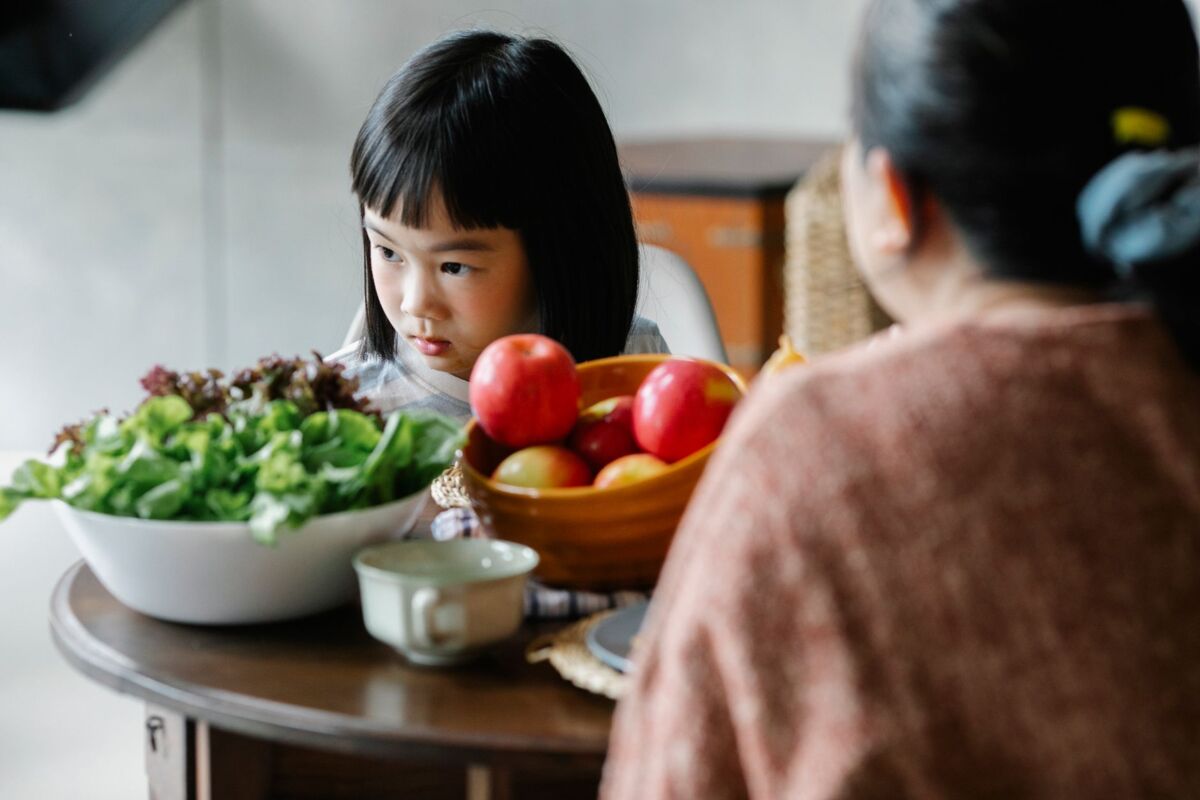
There is a tidy developmental explanation for the broccoli that was loved last week and is suddenly "yucky." After the first birthday, growth slows compared to babyhood, so appetite naturally dips and becomes uneven. At the same time, toddlers are discovering independence, and refusing food is one of the simplest ways to say "I decide."
On top of that, there is a built-in wariness of unfamiliar foods called food neophobia. It is not stubbornness; it is biology. According to KKH, this fear of new foods typically peaks between roughly 18 and 36 months, then eases as children get older. A fussy eater toddler is very often just being a textbook toddler.
The encouraging part: for most children this is a passing stage that does not cause lasting harm. With a calm, consistent approach, the majority slowly widen what they will eat. Your job is to keep the table low-pressure and keep offering; their job is to come around in their own time.
Set the table up for success: routine, environment, portions
Build a predictable meal and snack rhythm
Hungry children eat better, and grazing all day is the quiet enemy of a good appetite. Aim for roughly three meals and one to two small snacks at regular times, with water (not juice, milk or biscuits) in between. KKH suggests keeping snacks to around two hours before a meal so your child arrives hungry. A milk feed too close to dinner is one of the most common reasons a toddler picks at it.
Keep meals calm and screen-free
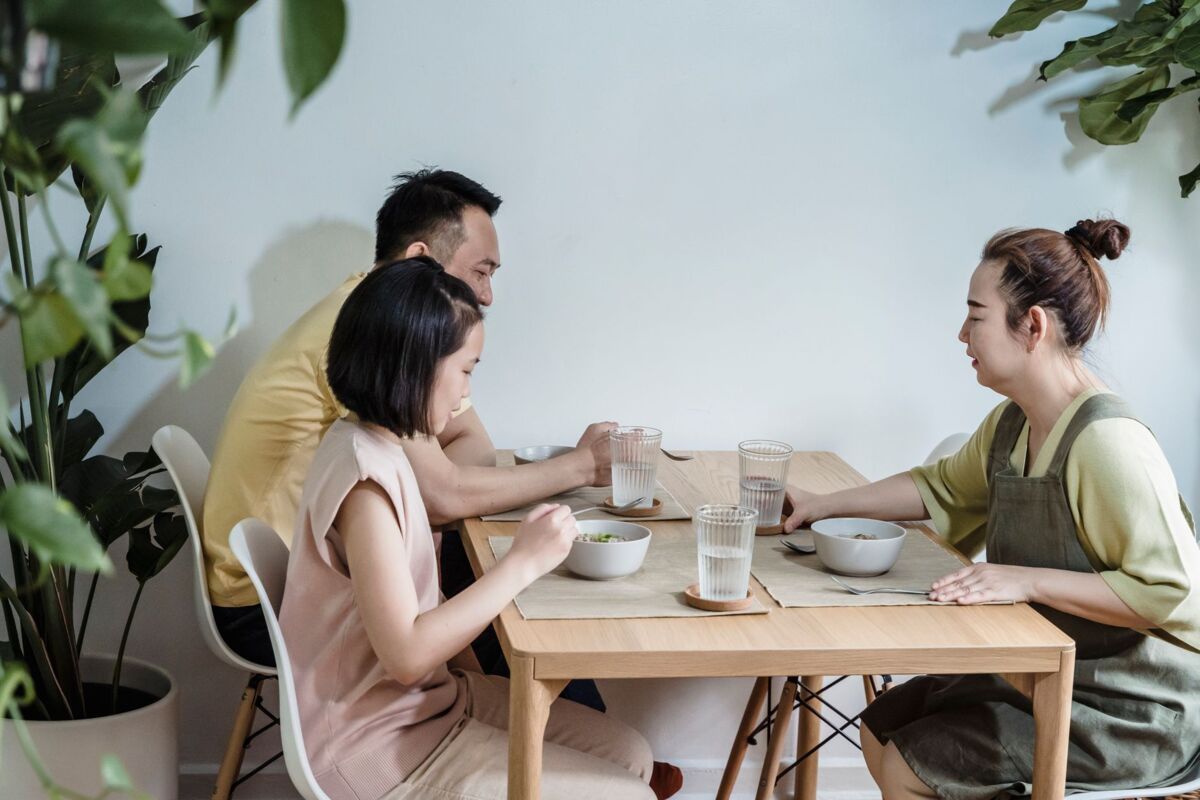
Remove the distractions: no TV, no tablet, no toys at the table. Screens teach a child to eat on autopilot rather than tune into their own hunger and fullness. Sit together, chat, and keep the mood relaxed. It helps to cap the meal at around 20 to 30 minutes, then clear up calmly without comment. A meal that drags on rarely gets more food in; it just builds tension.
Serve toddler-sized portions
Adult-sized servings can overwhelm a small child before they lift a spoon. As a rough guide from KKH's advice, a portion for a 1 to 2 year old is about a fifth to a quarter of an adult portion, and for a 3 to 6 year old about a third to a half. Start small, let them ask for more, and treat a clean-ish plate as a bonus, not the target.
Gentle strategies that actually work
1. Offer without pressure
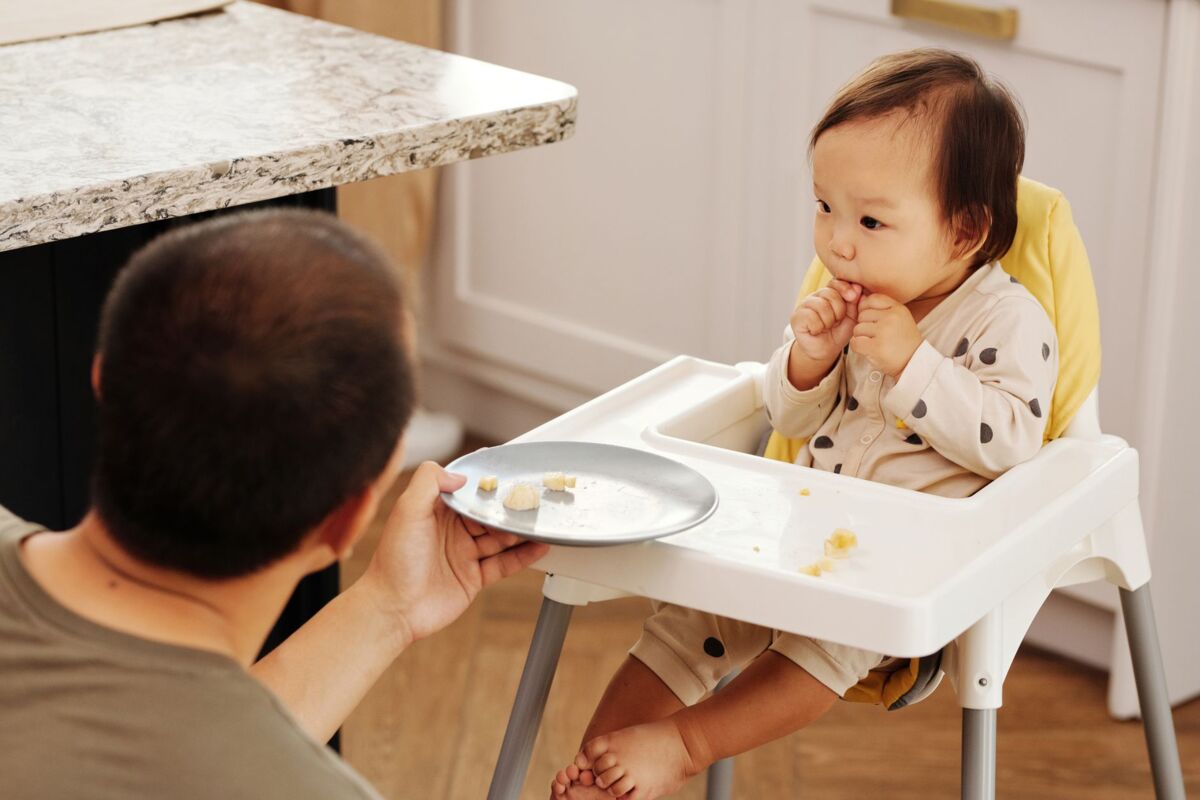
Forcing, coaxing or "just one more spoon" almost always backfires. Pressure makes food feel like a battle, and a stressed child retreats to safe favourites. Instead, put the food down, stay relaxed, and let your child decide. Simply having a new food sit on the plate, even untouched, counts as a small win. The food being present, smelled and looked at is part of the learning.
2. Keep offering: repeated, low-key exposure
This is the single most important strategy, and the one parents give up on too early. HPB's guidance notes it can take in the region of 15 tries for some foods before a child accepts them, and trying is not the same as liking yet. So if your toddler rejects steamed carrot today, that is data, not defeat. Keep popping a small amount on the plate, no commentary needed, and let familiarity do its slow work over weeks.
3. Eat together and let them watch you
Children learn what is safe and normal by watching people they trust. When you and older siblings visibly enjoy a range of foods at the same table, those foods stop looking scary. A simple trick from KKH is to expose children to new foods just by serving them the same dishes the rest of the family is eating, rather than cooking them something separate.
4. Make it look fun, and get little hands involved
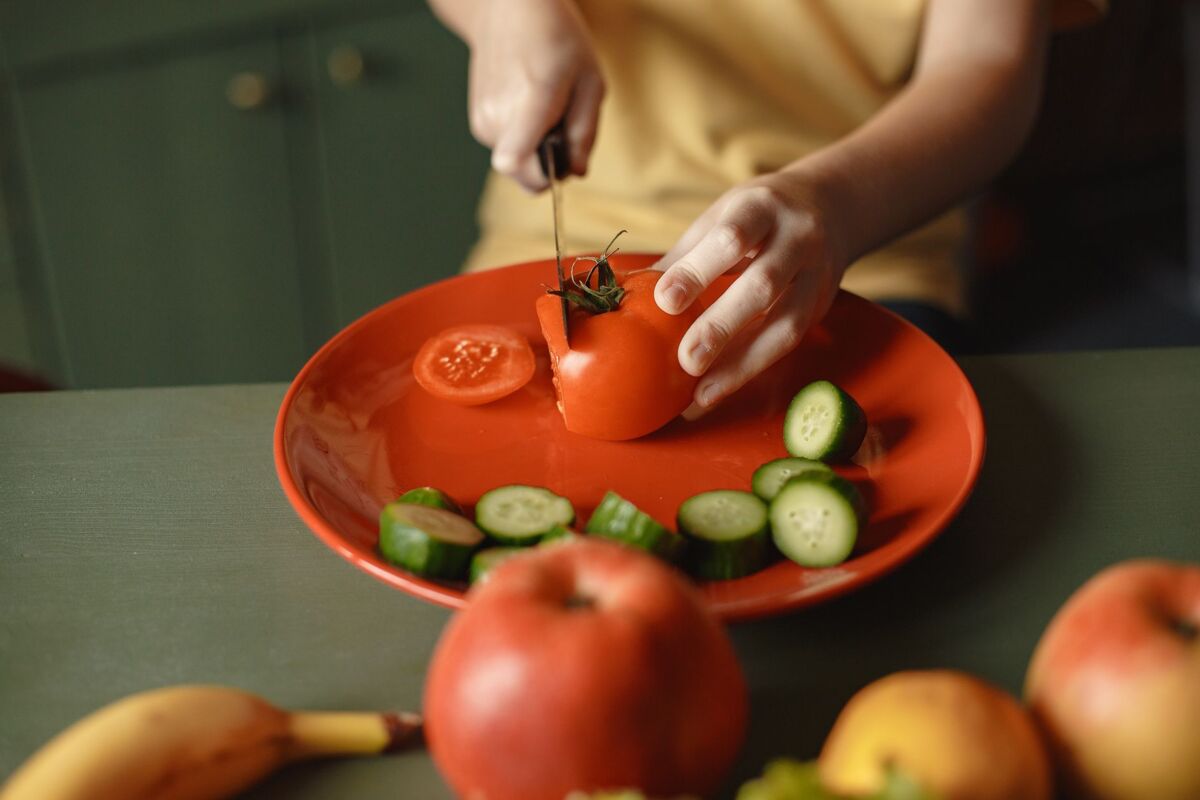
Presentation genuinely helps. Colourful plates, simple shapes, a cookie cutter on the toast or fruit, vegetables arranged into a face, all lower the fear factor for a wary toddler. Then let them help: rinsing the choy sum, tearing bread, scooping rice, or choosing between two vegetables at the supermarket. Touching, smelling and squishing food are all valuable exposures, and a sense of control often turns into a willingness to taste.
5. Lean on familiar local dishes
You do not need imported pouches or fancy purees. Singapore's everyday food is a real asset. Build on what your child already accepts and quietly add variety: plain porridge with a little flaked fish and soft greens, steamed egg in the chawanmushi style, soft tofu, sliced fruit, wholemeal bread, or a mild dhal with rice. Eating out, hawker staples like fishball noodle soup (less salt), steamed chicken rice, soft yong tau foo, or a half-portion of mee can all be toddler-friendly. Small tweaks to a dish they already trust feel far safer than something entirely new.
- Put a tiny, low-stakes amount of the new food next to a trusted favourite, so there is always a safe option on the plate.
- Offer water between meals, not juice and snacks, so your child comes to the table hungry.
- Praise the behaviour you want (sitting nicely, touching or tasting a bite) rather than how much disappeared.
- End the meal calmly and on time; do not turn it into a stand-off.
- Resist becoming a short-order cook: one family meal plus one accepted item, not a separate dish on demand.
The Singapore reality: grandparents, helpers and consistency
In many local homes, a grandparent or a domestic helper does a big share of the feeding while you are at work. That is a strength, more loving adults sharing the routine, but only if everyone follows the same playbook. If one caregiver is firmly no-pressure while another spoon-chases the toddler around the living room, or offers biscuits the moment lunch is refused, the child gets mixed messages and learns that holding out brings rewards.
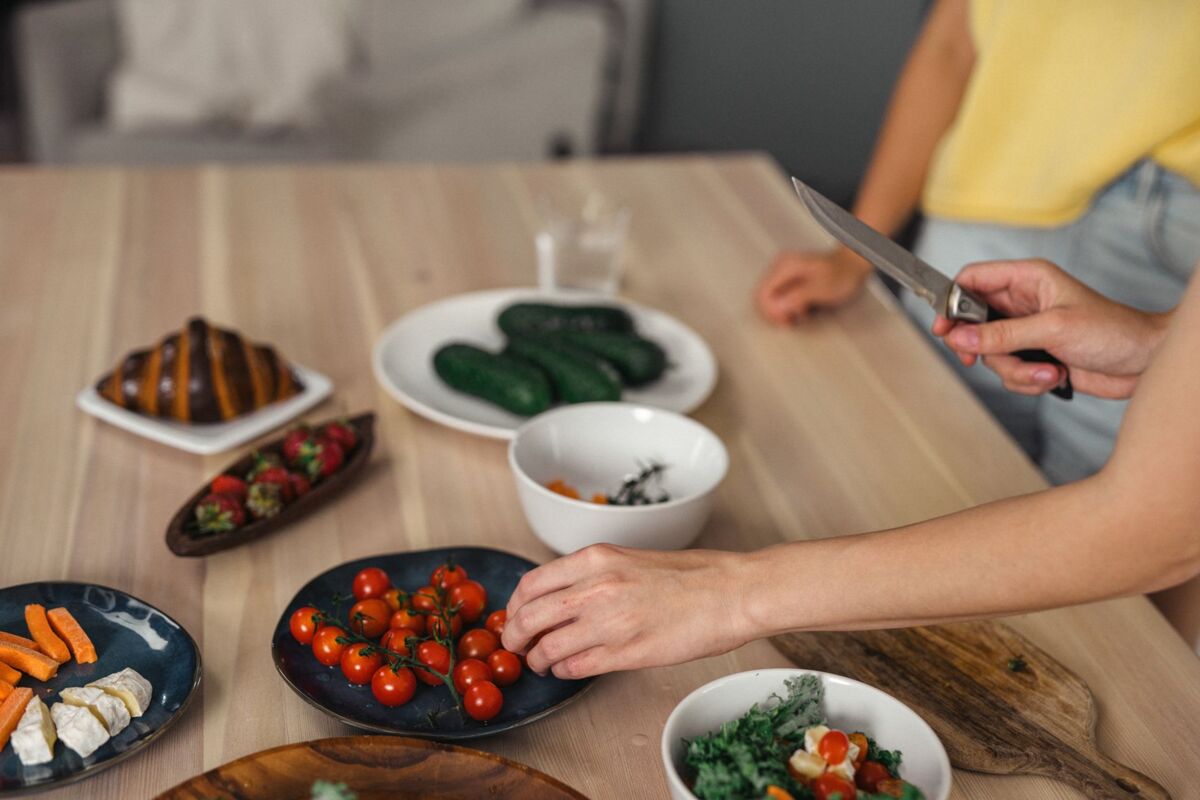
It is worth a calm, blame-free chat to agree the basics: set meal and snack times, water in between, no force-feeding, no bribing with treats or screens, and the family meal served to everyone. Keeping the rules the same across Ah Ma, the helper and you is one of the most underrated fixes for fussy eating.
What NOT to do
Some well-meant habits quietly make fussy eating worse. Across HPB and KKH guidance, the things to avoid are remarkably consistent:
- Force-feeding or holding a child down to get food in.
- Bribing, or using food as a reward or punishment ("finish your rice and you can have ice cream"), which makes the healthy food feel like a chore and the treat more prized.
- Shaming, scolding or labelling your child a "fussy eater" in front of them.
- Distracting with screens or toys so they eat without noticing.
- Letting snacks, milk or sweet drinks fill them up just before a meal.
- Cooking a separate, guaranteed-hit meal every time the family food is refused.
Get ahead of it: textures and the weaning months
If you are still weaning a younger baby, you can stack the odds in your favour now. Singapore's first national feeding guidance, the Guidelines for Eating and Feeding in Infants and Young Children, recommends starting complementary foods at around 4 to 6 months (and no later than about 9 months) alongside continued milk feeds, and respecting your baby's hunger and fullness cues from the start.
Two points stand out for preventing later fussiness. First, move through textures in good time rather than staying on smooth puree too long; the guidelines note that delaying lumpier foods past around nine months is linked with more food refusal and picky eating later. Second, a vegetable-first approach is associated with better vegetable acceptance down the track. So offer a range of textures and flavours across all food groups early, while your baby is most open to it.
When to seek help
Most fussy eating resolves with time and gentle persistence. But some signs deserve a professional eye. As a rough rule, if difficult mealtimes are happening daily for two weeks or more, or you notice any of the flags below, speak to your family doctor, polyclinic or paediatrician:
- Your child is not gaining weight well, is losing weight, or has slowed or faltering growth.
- The diet is very narrow and shrinking, with whole food groups dropped, or fewer than around 20 foods accepted in total.
- Persistent gagging, choking, vomiting, or real difficulty chewing or managing textures.
- Strong distress, refusal of whole textures, or rigid eating that hints at sensory difficulties or a condition like ARFID (avoidant/restrictive food intake disorder), which is more than ordinary pickiness.
- Mealtimes are causing significant, ongoing stress for your child or the whole family.
- You are simply worried. A parent's instinct is worth listening to.
In Singapore, your paediatrician or doctor can check growth, rule out medical causes such as reflux or allergies, and refer on where needed, for example to a dietitian or a feeding team that includes speech and occupational therapists. KKH runs a dedicated feeding service for children who need more support; your doctor can guide a referral. If you are not sure which clinic to start with, our guide to choosing a paediatrician in Singapore walks through what to look for, and our tools hub can help you find one nearby. Seeking advice early is sensible, not an overreaction.
Frequently asked questions
Is it normal for my toddler to suddenly refuse foods they used to love?
Yes, very. Sudden, swinging preferences are classic toddler behaviour, especially between 18 and 36 months when wariness of foods peaks. Keep calmly offering the food without pressure; today's firm "no" is often next month's "yes."
How many times should I offer a new food before giving up?
Far more than feels reasonable. Many children need to see and taste a food around 15 times, sometimes more, before they accept it. Offer a small amount alongside familiar food, say nothing, and try again another day. Giving up after two or three tries is the most common mistake.
Should I cook a separate meal if my child will not eat?
Try not to become a short-order cook. Serve the family meal with at least one item you know your child accepts, so there is always a safe option without cooking a whole separate dish. This keeps mealtimes calm and avoids teaching your child that refusing leads to a preferred replacement.
My child barely eats vegetables. Should I worry?
Many toddlers go light on vegetables for a stretch. Keep offering small amounts, eat them yourself, present them in fun ways, and fold greens into dishes they already like. As long as growth is on track and the overall diet is not extremely narrow, this usually sorts itself out. If the diet is very restricted or growth is affected, check in with your doctor.
Will my fussy eater grow out of it?
Most children do. Picky eating in the toddler and preschool years is typically a phase that fades as they mature, provided the table stays low-pressure and you keep offering variety. The red flags above (faltering growth, a shrinking diet, choking, real distress) are the cues to seek help rather than wait it out.
My toddler eats well for the helper or grandma but not for me. Why?
Children often test boundaries most with the person they feel safest with, usually a parent. It can also signal small differences in routine or pressure between caregivers. Agree consistent rules across everyone who feeds your child, and stay relaxed at your own meals; the calmer you are, the less power the refusal has.
For more practical support, browse our blog for real parent stories, and if mealtimes are tangled up with bigger toddler battles, our guides on managing toddler tantrums and screen time pair well with everything here. You have got this, one calm meal at a time.

Childhood Myopia in Singapore: A Parent's Guide to Signs, Prevention and Eye Checks
A Singapore parent's guide to childhood myopia: why it is so common, early signs, outdoor and screen habits that help, e...
11 min read
Choosing a Paediatrician in Singapore: A Practical Guide for Parents
How to choose a paediatrician in Singapore: GP vs polyclinic vs private PD, cost guidance, vaccinations, first-visit tip...
12 min read
Mosquito Repellent for Kids in Singapore: A Parent's Guide to Dengue Protection
How to choose mosquito repellent for kids in Singapore by age, protect babies from dengue, cover up, use nets, clear sta...
11 min read