

Managing Screen Time for Kids in Singapore: A Practical Parent's Guide
In this article
- Why screen time matters: sleep, eyes and development
- What the Singapore guidance actually says, by age
- How this fits the wider AAP and WHO picture
- Practical strategies by age
- Screen-free zones and routines that stick
- Handling pushback and tantrums
- Online safety for older kids
- Parents modelling the habit
- Frequently Asked Questions
If you have ever handed your toddler a phone to survive a supermarket queue, or argued with a nine-year-old about one more YouTube video at bedtime, you are in very good company. Screens are woven into family life here, from learning devices in classrooms to the tablet that buys you ten minutes to cook dinner. The real question most parents wrestle with is not whether to allow screens, but how much, when, and what kind. This guide is best for Singapore parents of children from babies to primary-school age who want a clear, non-judgmental plan. It pulls together the current screen-use guidance from the Ministry of Health (MOH) and HealthHub, explains why screens matter for sleep, eyesight and development, and turns it all into routines you can actually run at home. Hold onto one thing from the start: MOH frames its numbers as guidance to help families, not as law or a stick to beat yourself with.

Why screen time matters: sleep, eyes and development
It helps to know what is actually at stake, because that makes the rules feel less arbitrary and easier to hold. At a guidance level, the concerns cluster around a few areas. The first is sleep: screens close to bedtime, and the light and stimulation they bring, can make it harder for children to wind down and settle, which is why MOH consistently advises no screens in the hour before bed across every age band. The second is eyesight. Singapore has one of the highest rates of childhood short-sightedness (myopia) in the world, and long stretches of close-up near work, including screens, alongside too little time outdoors, are part of the picture. Swapping some screen time for outdoor play is one of the simplest things you can do, and we go deeper on this in our guide to childhood myopia in Singapore. The third is development and behaviour: the early years are a period of rapid brain growth where back-and-forth interaction with caregivers, play and language matter most, and screens used to occupy or distract can crowd those out. None of this means screens are the enemy. It means balance, content quality and timing are what count.
What the Singapore guidance actually says, by age
MOH's Guidance on Screen Use in Children (first published in 2023, updated January 2025) covers children aged 0 to 12 and sets out age-based recommendations. The document describes itself as practical suggestions rather than strict rules, and says outright that it is not meant to set rigid limits. With that framing in mind, here is how it breaks down. The daily time figures are tied to specific age bands, so read the band that matches your child rather than averaging across them, and check moh.gov.sg for the latest wording.
Under 18 months
For the youngest children, the guidance recommends avoiding screens entirely, with the single exception of interactive video-calling and interacting with family, for example a live video call with grandparents overseas. It also advises against background screen time, meaning the TV or a device left on in the background, because background screens distract young children, affect their attention and reduce the quality of interaction they have with the people around them. This stage is a period of rapid brain development where playing, reading and talking with caregivers matter most. If you do video chat, you can make it richer by naming who is on the screen, repeating what they say and describing what is happening.
18 months to 6 years
For this group, MOH advises limiting screen use to less than one hour a day, outside of any school or educational use, and leans heavily on the idea that screen time should be co-viewed and high quality rather than passive. Children benefit most when a family member watches age-appropriate, educational content alongside them and talks about it, rather than handing over a screen simply to occupy or distract. The advice across this band is no screens during meals, none in the hour before bedtime, and no TV left on in the background. Mealtime screens are singled out because they can get in the way of a child learning to regulate food intake and develop self-feeding skills, which matters if you are also working through fussy eating. In Singapore preschools, screens are used only for teaching and learning purposes across this whole age range.
7 to 12 years
For older children the recommendation is to keep recreational screen use to less than two hours a day, outside of schoolwork, so there is still room for sleep, exercise and face-to-face time with friends and family. The guidance encourages agreeing on a screen-use plan or timetable together, keeping screens away from meals and the hour before bed, using parental control settings, checking content ratings, and talking regularly with your child about what they view online. It advises against giving children under 13 access to social media services (major platforms set 13 as the minimum age), and against handing over mobile devices with unrestricted internet and app access. A device with limited functionality is suggested as an alternative when a child genuinely needs to carry one.
How this fits the wider AAP and WHO picture
Singapore's guidance sits comfortably alongside international recommendations, which is reassuring when you are cross-checking advice online. The American Academy of Pediatrics (AAP) discourages screens for children under 18 to 24 months apart from video chatting, and points families towards a personalised family media plan rather than a single universal cap for older children. The World Health Organization's guidance on physical activity and sedentary behaviour similarly discourages screen time for infants and suggests no more than about an hour of sedentary screen time for children aged 2 to 4, with less being better. The common thread is the same across all three: avoid screens for the very young, co-view and choose quality content in the early years, and build consistent, balanced habits as children grow. Where exact figures differ, the official bodies' own pages are the source of truth, so read them directly rather than relying on second-hand summaries.
Practical strategies by age
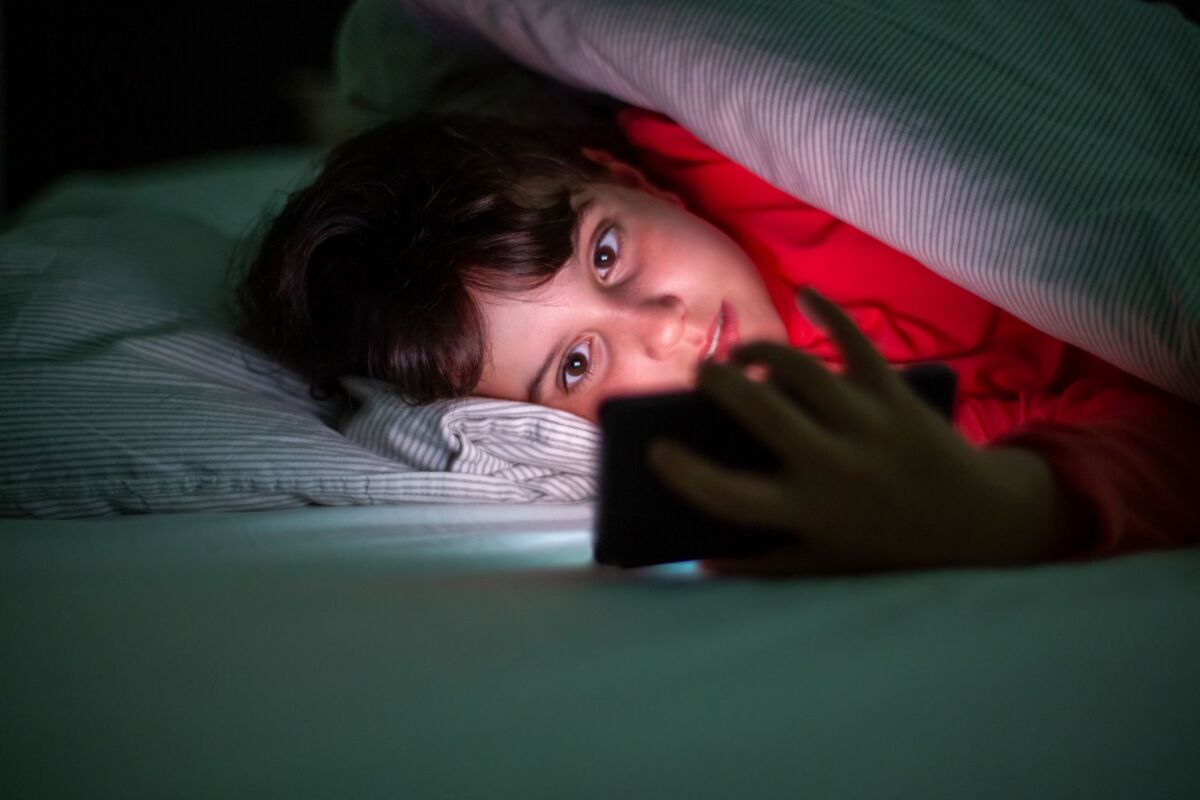
Knowing the numbers is the easy part; running them day after day is the challenge. Here is how the guidance translates into real routines, broken down by stage.
Babies and toddlers (under 3)
- Treat the background TV as the main fix. Switching off a TV that nobody is really watching is one of the highest-value changes for this age, because background screens quietly eat into talk and play time. Try music, a podcast or radio if you want sound while you cook.
- Keep video calls interactive. The one approved use is connecting with family. Make it count by chatting back and forth rather than parking the baby in front of a screen.
- Build a deep bench of alternatives. Board books, stacking cups, water play, a walk to the void deck or playground. The point is to have an easy default that is not a screen when you need a few minutes.
- Protect meals and the wind-down. No screens at the table or in the hour before bed, from the very beginning, so it never becomes a habit you have to break later.
Preschoolers (3 to 6)
- Co-view and talk. Sit with your child, ask questions and name what is happening. This turns a video into language and attention practice, which is exactly the difference the guidance draws between helpful and unhelpful screen use.
- Choose quality on purpose. Pick the show or app before you hand over the device, rather than letting autoplay decide. Children learn from what they watch, so content matters as much as minutes.
- Use a visual timer. Young children cope far better with a clear, agreed ending (a sand timer, a set number of episodes) than with a vague "soon".
- Keep the one-hour figure as a goal, not a guilt trip. A rough day where you go over is not a failure. Aim for the pattern over the week.
Primary-school age (7 to 12)
- Make a plan together. Agree the rules with your child rather than imposing them. Buy-in beats enforcement, and writing the plan down means nobody re-litigates it every afternoon.
- Separate schoolwork from recreation. The under-two-hours steer is for recreational use; homework on a device is treated separately. Be clear which is which so it does not all blur into screen time.
- Turn on the tools. Use parental controls and content ratings, and keep an eye on what apps and platforms your child is using.
- Hold the line on social media under 13. Major platforms set 13 as the minimum age, and the guidance backs that. If a child needs a phone to get to and from school, a basic device with limited functions is the sensible option.
Screen-free zones and routines that stick
The families who find this easiest tend to make the rules about places and times rather than about the child's character. Two protected zones do most of the heavy lifting, and they are consistent across every age band in the guidance.
- Screen-free meals. No devices at the table supports eating habits, self-feeding and actual conversation. It also stops the tablet becoming the price of finishing dinner.
- A screen-free hour before bed. Power down devices an hour before sleep to protect the wind-down. A predictable bedtime routine (bath, book, lights low) gives the screen something to be replaced by.
- Keep devices out of bedrooms. Charging phones and tablets in a shared family spot overnight removes the late-night temptation and the 6am scroll.
- Build in everyday alternatives. Outdoor play, reading, drawing, board games and a bit of unstructured boredom. Children with go-to activities are far less likely to default to a screen the moment they are at a loose end, and outdoor time doubles as protection for their eyesight.
Handling pushback and tantrums
Expect resistance, especially when you first tighten things up, and especially with younger children for whom a screen ending can feel like the end of the world. A few approaches help. Give a warning before the end ("two more minutes, then we switch off") so the stop is predictable rather than a shock. Be matter-of-fact and consistent: the rule is the rule, said calmly, every time, which is far more effective than negotiating in the moment. Have the next thing ready, because the gap right after a screen goes off is when meltdowns bloom; a snack, a walk or a familiar toy fills it. And model the behaviour yourself, which we come back to below. If tantrums are a wider battle in your home, the same calm-and-consistent playbook in our guide to managing toddler tantrums applies directly to screen-time blow-ups. Above all, do not let one rough handover convince you the whole plan has failed; consistency over weeks is what shifts the habit.
Online safety for older kids
As children move towards the upper primary years and devices become part of life, the conversation widens from how long to what and with whom. The guidance and HealthHub both stress talking regularly with your child about what they are doing online rather than relying on controls alone. Practical basics worth covering:
- Use parental controls and content filters, but treat them as a backstop, not a babysitter. Children find workarounds; conversation is what lasts.
- Teach privacy early. Do not share your full name, school, address, passwords or photos with strangers, and think before posting because the internet remembers.
- Make it safe to tell you. Agree that your child can come to you about anything uncomfortable online without getting the device confiscated, so they actually do.
- Hold off on social media until 13, in line with platform minimum ages, and ease into it with supervision rather than all at once.
- Know the school setup. If your child uses a school-issued learning device, understand its controls and how it is meant to be used, and confirm current rules with the school.
Parents modelling the habit
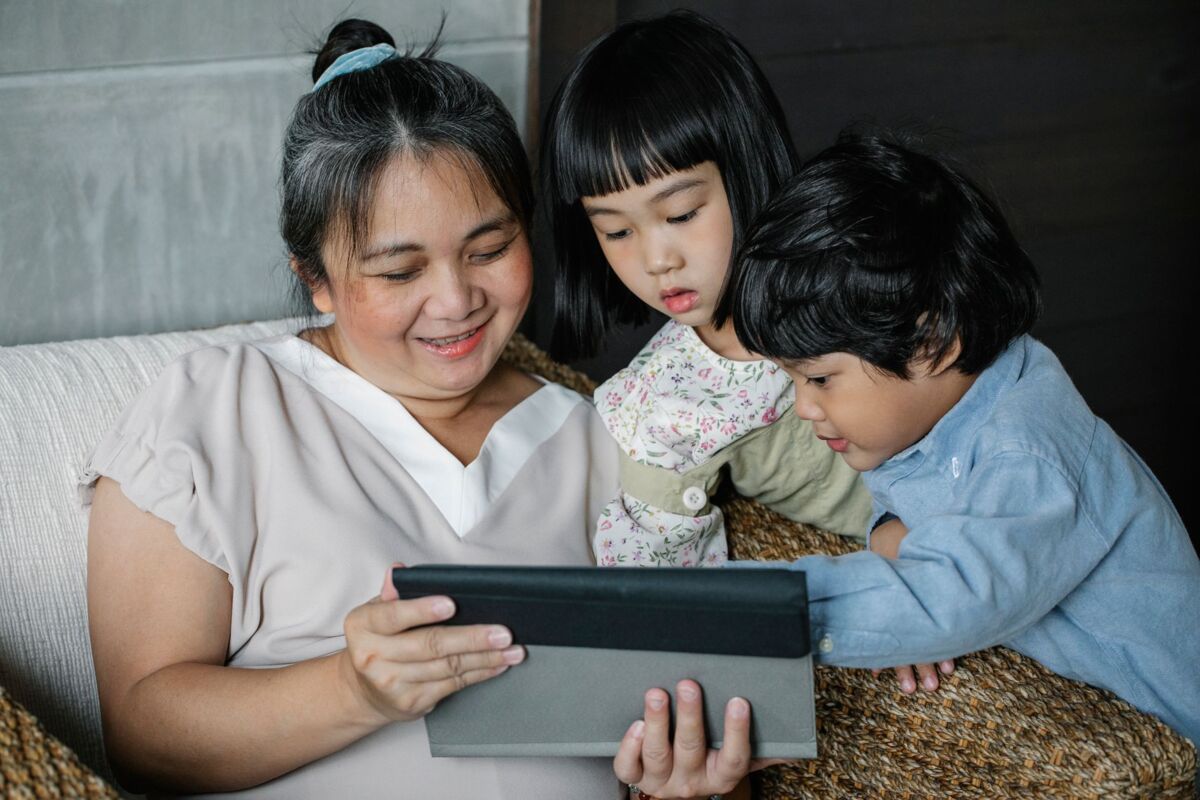
This is the part nobody enjoys hearing. Children copy what they see, and a rule that says "no phones at dinner" lands very differently if the adults are scrolling. You do not have to be perfect, but a few visible habits go a long way: put your own phone away at meals and during play, narrate it when you do ("I'm switching off so we can talk"), and avoid using a screen to soothe yourself in front of the kids any more than you would want them to. Modelling is not about guilt; it is the single most powerful lever you have, because it makes the household rules feel fair and normal rather than imposed only on the children.
Frequently Asked Questions
How much screen time is recommended for a child under 18 months in Singapore?
MOH advises avoiding screens entirely for children under 18 months, with the only exception being interactive video-calling and interacting with family, such as a live call with grandparents. It also advises against background screen time, meaning a TV or device left on in the background, because that affects young children's attention and interaction. Check moh.gov.sg for the latest version.
What is the screen time limit for preschoolers aged 18 months to 6 years?
For children from 18 months to 6 years, MOH suggests keeping screen use to less than one hour a day, outside of school or educational use, and ideally co-viewed with an adult who chooses quality content and talks it through. The guidance also says no screens during meals or in the hour before bed, and no background TV.
What is the screen time limit for primary-school children aged 7 to 12?
MOH suggests keeping recreational screen use to less than two hours a day, outside of schoolwork, so there is still room for sleep, physical activity and face-to-face time. It encourages agreeing a screen-use plan together, keeping screens away from meals and bedtime, using parental controls, and holding off on social media until at least 13.
Is there an official Singapore screen-use timetable I can use?
Rather than a fixed template, MOH and HealthHub encourage families to create their own shared screen-use timetable together with the child and help them keep to it. Check the HealthHub and MOH pages linked in the sources below for the current resources and the latest wording of the guidance.
Are these screen time rules compulsory in Singapore?
No. MOH presents them as guidance to support families, not as law, and explicitly says they are not meant to set rigid limits. Some school-based measures (such as device controls and phone restrictions in schools) are set by MOE and individual schools, so confirm those directly with your child's school and the MOE website.
Does screen time affect my child's eyesight?
At a guidance level, long stretches of close-up near work, including screens, alongside too little time outdoors, are linked to short-sightedness (myopia), which is very common among children in Singapore. Swapping some screen time for outdoor play helps. For prevention and check-ups, see our guide on childhood myopia in Singapore and speak to your doctor or optometrist.
For more family-friendly ideas, browse our other guides over on the Fussy Mama blog, including help with toddler tantrums and protecting your child's eyesight.
Childhood Myopia in Singapore: A Parent's Guide to Signs, Prevention and Eye Checks
A Singapore parent's guide to childhood myopia: why it is so common, early signs, outdoor and screen habits that help, e...
11 min read
Choosing a Paediatrician in Singapore: A Practical Guide for Parents
How to choose a paediatrician in Singapore: GP vs polyclinic vs private PD, cost guidance, vaccinations, first-visit tip...
12 min read
Mosquito Repellent for Kids in Singapore: A Parent's Guide to Dengue Protection
How to choose mosquito repellent for kids in Singapore by age, protect babies from dengue, cover up, use nets, clear sta...
11 min read