

Mosquito Repellent for Kids in Singapore: A Parent's Guide to Dengue Protection
In this article
- Why dengue matters for families in Singapore
- Mosquito repellent for kids: the active ingredients explained
- What repellent is right at each age?
- How to apply repellent safely to children
- Cover up and use nets and screens
- Clear stagnant water: the Mozzie Wipeout at home
- Natural and alternative options: what to expect
- Repellent at preschool, childcare and on the go
- Dengue symptoms and when to see a doctor
- A simple weekly routine for busy parents
- Frequently Asked Questions
If you have ever watched your toddler scratch a cluster of angry red bites after a playground evening, you know mosquitoes are part of life here. The bigger worry is not the itch but what a small number of them carry. Dengue is endemic in Singapore, meaning the virus circulates all year and flares in the warmer, wetter months. The reassuring news is that protecting your child mostly comes down to a few repeatable habits: the right repellent for their age, covering up, nets for the littlest ones, and clearing stagnant water at home. This guide is for parents of babies, toddlers and primary-schoolers who want clear, no-panic answers. It is general information, not medical advice, so follow the product label and check with your doctor or pharmacist if unsure.
Why dengue matters for families in Singapore
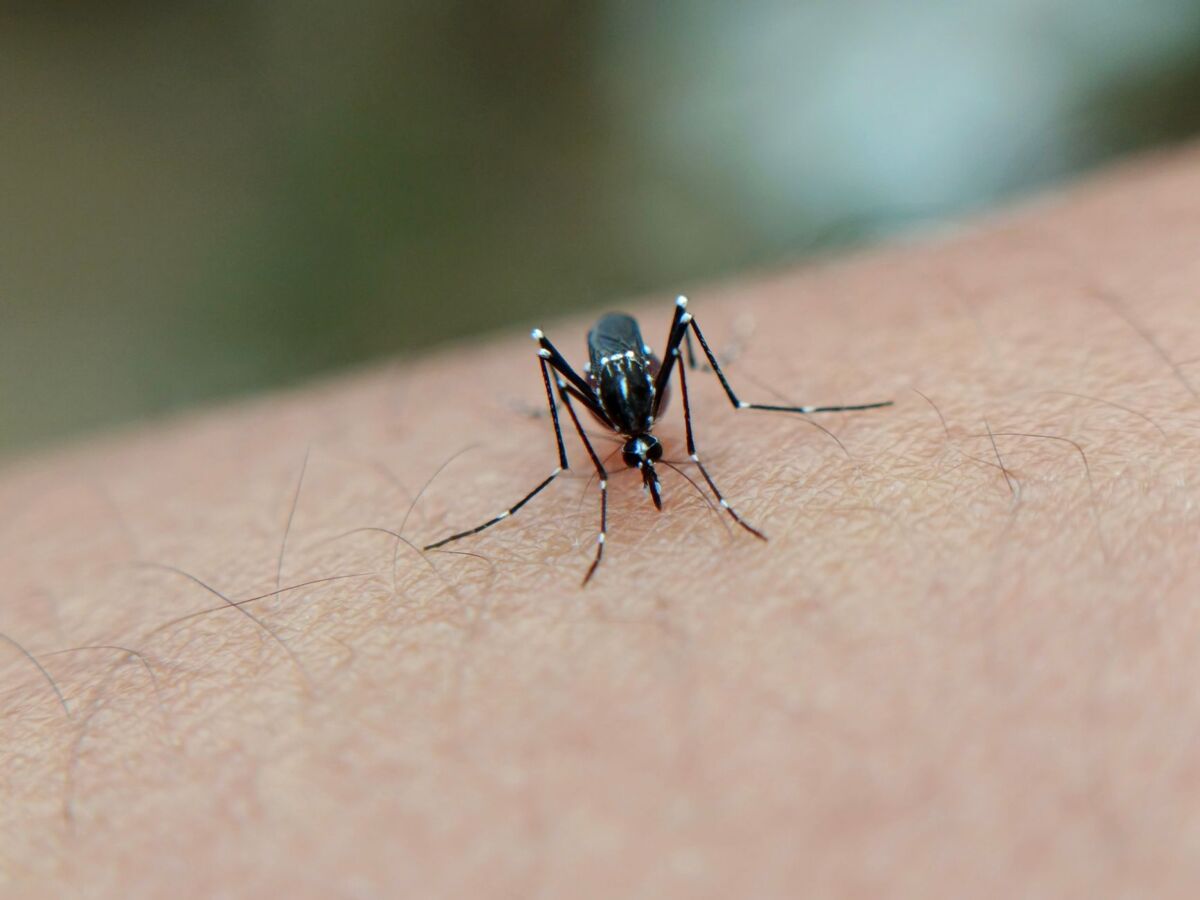
Dengue is spread by the Aedes mosquito, and one fact every parent should remember is that the Aedes is mainly a daytime biter, most active in the hours after sunrise and before sunset. That is the opposite of the evening-only mosquito many of us grew up picturing, which is why a child can get bitten at a mid-morning play date or the after-school pickup. The Aedes also breeds in tiny pockets of clean, stagnant water; the National Environment Agency (NEA) notes that water as small as a 20-cent coin is enough, which is why so many breeding spots sit in and around our own homes.
Because the virus is established locally, NEA runs year-round surveillance and asks every household to play its part. Children are not spared, and a high fever in a young child is always worth taking seriously. The goal is not to live in fear, but to fold protection into your routine the way you already remember sunscreen.
Mosquito repellent for kids: the active ingredients explained
Repellent is one layer of protection, and the right choice depends mostly on your child's age. NEA lists three active ingredients as the most effective, plus one plant-derived option that carries an age limit. Knowing what each does helps you read a pack with confidence.
- DEET is the most studied repellent and works well against the Aedes. Concentration controls how long it lasts, not how strong it is, so a higher percentage just means fewer top-ups. NEA advises that products with less than 10% DEET are suitable for young children and infants from about two months.
- Picaridin (also called icaridin) is odourless, non-greasy and gentle on plastics and fabric. It is a well-regarded alternative to DEET, also suitable from around two months when used as directed.
- IR3535 is another effective ingredient listed by NEA and HealthHub, often in family-friendly formulations.
- Oil of lemon eucalyptus (OLE) and its refined form para-menthane-diol (PMD) is plant-derived but is not recommended for children under three, per paediatric guidance such as the American Academy of Pediatrics. Natural does not automatically mean baby-safe.
Whatever you choose, look for a repellent that is registered with NEA and follow the label for the active ingredient, concentration, minimum age and reapplication. We do not recommend any specific brand, strength or dosage; let the label and a trusted health professional guide you. For the official write-up, see HealthHub's page on insect repellents.
What repellent is right at each age?
Age is the deciding factor, so think in three broad bands rather than fretting over every brand on the shelf.
Babies under two months
Repellents are generally not recommended for babies under two months. HealthHub advises physical barriers instead: a fine mosquito net over the pram, bassinet or carrier, light long-sleeved clothing, and avoiding outdoor time during peak biting hours. This is the safest layer for newborn skin.
From about two months to three years
From roughly two months, a low-DEET repellent (under 10%) or a suitable picaridin product can be used, applied by you and per the label. Keep avoiding OLE and PMD products until your child is over three. For toddlers who mouth everything, pair a small amount of repellent with nets and clothing rather than relying on repellent alone.
Older children
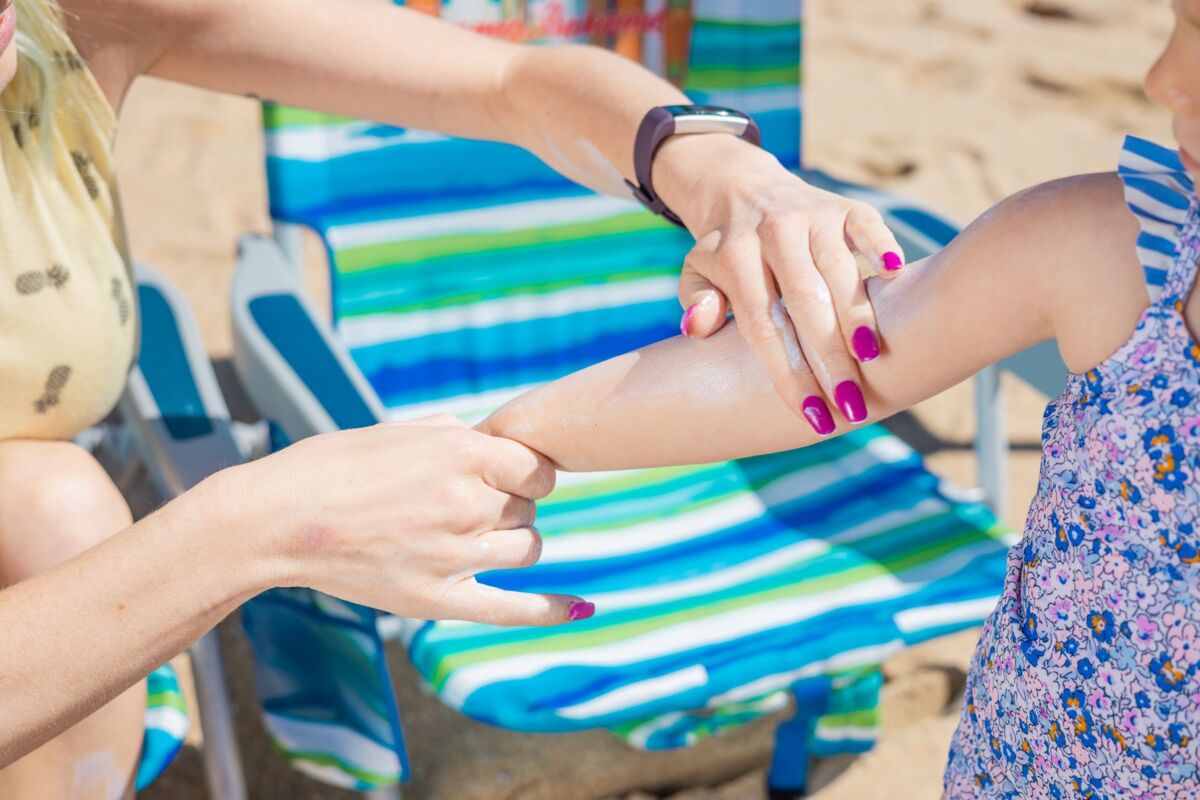
Older children tolerate the same registered repellents, and a higher concentration simply lasts longer between top-ups. Paediatric guidance overseas suggests keeping DEET to no more than about 30% for children, with around 10% giving roughly two hours and 30% closer to five. Reapply per the label, especially after swimming, sweating or a downpour. To ask about your child's skin or allergies, our guide to choosing a paediatrician in Singapore can help.
How to apply repellent safely to children
Most mishaps come from how repellent is applied, not the product itself. A few habits keep it safe and effective:
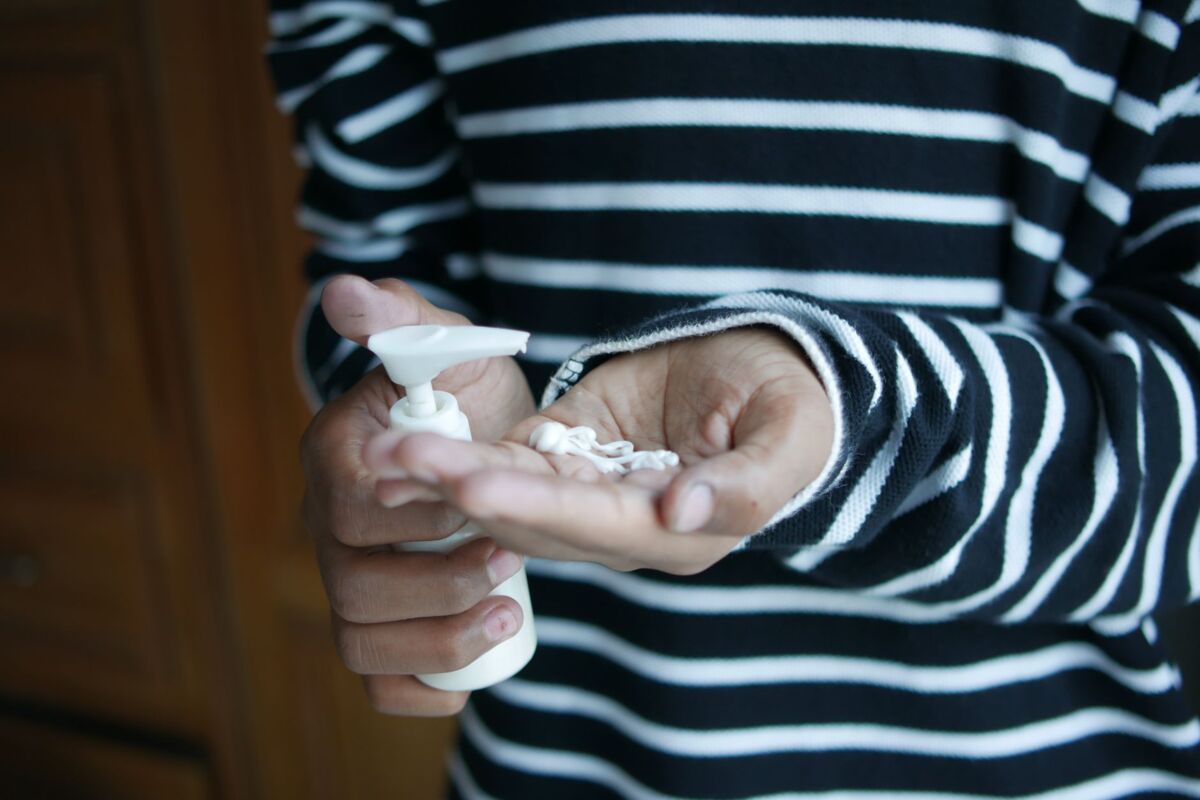
- Apply to your own hands first, then smooth it onto exposed skin. Never let a child spray themselves.
- Avoid the eyes, mouth, cuts and broken skin, and keep it off little hands that go back into mouths.
- Sunscreen first, then repellent. If using both, let the sunscreen settle, then add repellent.
- Hold sprays about 15cm from the skin in a ventilated spot, never in a child's face; spray your hands and wipe it on.
- Use just enough. A thin, even layer is plenty; piling it on does not help.
- Wash it off back indoors with soap and water, and wash treated clothing before the next wear.
Cover up and use nets and screens
Repellent works best alongside physical barriers, which matter most for babies and toddlers who cannot tell you they are bitten. These are your no-chemical layer:
- Dress kids in loose, light-coloured, long-sleeved tops and long pants around greenery, parks and during peak biting hours, as NEA recommends.
- Use a fine-mesh mosquito net over prams, bassinets and cots, the main defence for infants under two months.
- Keep windows and doors screened where you can, and consider a bed net during higher-risk periods or if you live near a cluster.
- Light colours make a landed mosquito easier to spot, and lighter use of scented lotions can mean fewer bites.
Clear stagnant water: the Mozzie Wipeout at home
The Aedes needs only a thimble of stagnant water to breed, and most breeding happens inside or just outside our homes. NEA's 5-Step Mozzie Wipeout targets the most common breeding spots and turns easily into a weekly family habit, with the kids roped in as water detectives. The steps follow the acronym B-L-O-C-K:
- Break up hardened soil in plant pots so water cannot collect on top.
- Lift and empty flowerpot plates, then wipe them dry.
- Overturn pails and wipe their rims.
- Change the water in vases and bowls regularly.
- Keep roof gutters clear, and place BTI insecticide where needed.
NEA recommends doing this at least once a week. After heavy rain, do a quick extra sweep: tip away water pooling on balconies, tray bases and outdoor toys, cover bamboo pole holders, and scoop out water in plant axils. With our wet weather, an after-storm check is five of the highest-value minutes you will spend. For the official checklist, see NEA's Stop dengue now page and the gov.sg Stop Dengue Now with B-L-O-C-K explainer.
Natural and alternative options: what to expect
Patches, wristbands, repellent plants and essential-oil blends are everywhere in Singapore, and parents reach for the gentle-sounding ones. They are fine to use, but set expectations rather than treat them as your only shield:
- Patches and stickers (often citronella or eucalyptus based) can help, but protection is localised and shorter-lived than a skin repellent. Place them where a child cannot peel and mouth them.
- Wristbands tend to protect only near the band, so treat them as an add-on, not full coverage for exposed arms and legs.
- Citronella, lemongrass and other plant oils are generally less effective and wear off faster, needing frequent reapplication.
- Repellent plants on the balcony look lovely but do little to clear an actual mosquito problem.
Treat natural products as a comfort layer, and let a NEA-registered repellent, clothing and nets do the heavy lifting, especially for babies and during clusters.
Repellent at preschool, childcare and on the go
Outdoor play does not stop at your front door, so plan for where your child spends the day. Many preschools and childcare centres apply repellent before garden time, but policies differ, so check what they use and whether you can supply your child's own (labelled) product, especially for sensitive skin. If your child is settling in, this dovetails with our guide to starting childcare and separation anxiety. Keep an age-appropriate repellent, a spare net and light long sleeves in the bag for weekend outings, and remember the after-rain bite risk near nature spots.
Dengue symptoms and when to see a doctor
Even with good habits, bites happen, so knowing the signs matters. Dengue often starts with a sudden high fever lasting several days, with a headache and pain behind the eyes, muscle, joint and bone aches, a rash, and nausea or vomiting. There is no specific cure, so care focuses on rest, fluids and managing fever under medical guidance. If you think your child may have dengue, see a doctor early so they can be assessed.
Crucially, the most dangerous phase can arrive after the fever drops, usually a day or two later, exactly when families let their guard down. Health authorities flag warning signs that need immediate medical attention:
- Severe abdominal pain that is not just hunger pangs
- Persistent vomiting, even when only sipping fluids
- Bleeding from the gums or nose, blood in vomit, easy bruising, or black, tar-like stools
- Fast or difficult breathing
- Unusual drowsiness, restlessness or lethargy, or a child who is cold, clammy, pale and very unwell
If you spot any of these, do not wait. Take your child to a doctor or A&E right away. For the official list, read the gov.sg explainer on dengue warning signs. A note clinicians often repeat: do not self-medicate a suspected dengue case, since some painkillers are not appropriate. Confirm any medicine and dosing with a healthcare professional; this article does not give medication advice. If your little one falls ill often around childcare season, our piece on kids falling sick at childcare adds context on coughs, colds and fevers.
A simple weekly routine for busy parents

Pulling it together: once a week, do the B-L-O-C-K Mozzie Wipeout as a family, plus a quick check after heavy rain. Apply an age-appropriate, NEA-registered repellent per the label before outdoor play, pack light long sleeves for daytime outings since the Aedes bites by day, use a net over the pram or cot for babies under two months, and keep windows screened. Then watch for sudden high fever and know the warning signs above. For more reads, browse our blog or our guide to haze and kids in Singapore.
Frequently Asked Questions
Can I use mosquito repellent on my baby?
For babies under two months, repellents are generally not recommended; HealthHub advises mosquito netting, light clothing and avoiding peak biting times instead. From about two months, a low-concentration DEET (under 10%) or suitable picaridin product can be used as directed. Check the pack and ask your doctor or pharmacist if unsure.
Is DEET safe for children in Singapore?
Yes, when used as directed. NEA lists DEET as one of the most effective repellents and advises that products with less than 10% DEET are suitable for young children and infants from about two months. Follow the label and a healthcare professional rather than any specific strength we could quote.
What is the best mosquito repellent ingredient for kids?
NEA points to DEET, picaridin and IR3535 as the most effective; picaridin is popular for being odourless and non-greasy. Oil of lemon eucalyptus (OLE) should not be used under three. Choose a NEA-registered product suited to your child's age.
Do natural mosquito patches and bands work?
They can help a little, but protection is usually localised and short-lived compared with a proper skin repellent. Plant-based options like citronella are less effective and need frequent reapplication. Treat patches, bands and oils as a comfort layer, and rely on a registered repellent, clothing and nets for real protection, especially for babies.
How do I stop mosquitoes breeding at home?
Do NEA's 5-Step Mozzie Wipeout (B-L-O-C-K) at least once a week: break up hardened soil in pots, lift and empty flowerpot plates, overturn pails, change vase and bowl water, and keep gutters clear. Tip away pooled rainwater after storms, since water as small as a 20-cent coin is enough for the Aedes to breed.
When should I take my child to the doctor for fever?
See a doctor early if you suspect dengue, and seek immediate care for the warning signs listed above, which can appear after the fever subsides. This is general information only, so consult a doctor for your child's situation.

- NEA - Stop Dengue Now (dengue prevention and Mozzie Wipeout)
- gov.sg - Stop Dengue Now with B-L-O-C-K (repellents, DEET under 10% from 2 months)
- gov.sg - Dengue warning signs that need urgent care
- HealthHub - Insect Repellents (ingredients, application, under-2-months guidance)
- American Academy of Pediatrics - Insect Repellents (DEET limits, OLE under 3)
Childhood Myopia in Singapore: A Parent's Guide to Signs, Prevention and Eye Checks
A Singapore parent's guide to childhood myopia: why it is so common, early signs, outdoor and screen habits that help, e...
11 min read
Choosing a Paediatrician in Singapore: A Practical Guide for Parents
How to choose a paediatrician in Singapore: GP vs polyclinic vs private PD, cost guidance, vaccinations, first-visit tip...
12 min read
Fussy Eater Toddler? A Calm, Practical Singapore Guide for Parents
A calm, evidence-based guide to feeding a fussy eater toddler in Singapore: why picky eating is normal, no-pressure stra...
10 min read