

Katong and Joo Chiat: A Family Guide to Singapore's Peranakan Heart
In this article
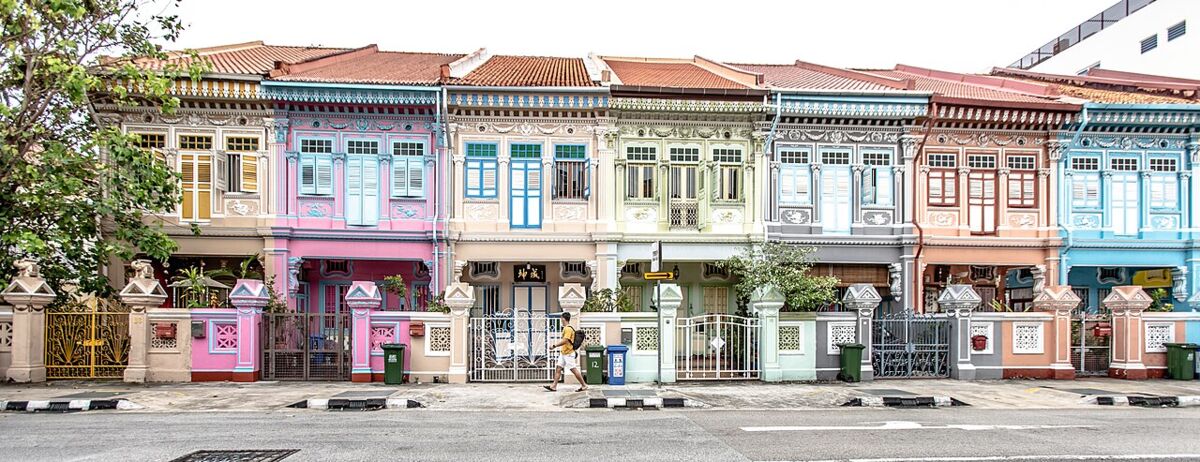
If you want one corner of Singapore that delivers old-world charm, brilliant food and an easy, walkable day with the kids, Katong and Joo Chiat is hard to beat. This is the colourful heart of Peranakan Singapore: candy-pastel shophouses, the much-photographed terraces on Koon Seng Road, and a food map that runs from a famous bowl of laksa to nyonya kueh, kaya toast and gelato. It suits families with babies through to primary-schoolers, works as a half-day food walk or a full day paired with East Coast Park, and it stays do-able even in the heat because air-conditioned escapes are never far. Here is how to plan it like a parent who has done it before, stroller and all.
Why families love Katong and Joo Chiat
Katong and Joo Chiat sit side by side in the east, roughly between East Coast Road and the inland stretch of Joo Chiat Road. The area began as a breezy seaside enclave before land reclamation pushed the coastline out to where East Coast Park now sits, and over generations Chinese, Peranakan (Straits-born Chinese), Eurasian and Tamil families all put down roots here. That blend is exactly why the streets look and taste the way they do: ornate shophouse facades, hand-painted tiles, Hindu temple towers, and a kitchen culture that marries Chinese ingredients with Malay spices.
For children, it is a compact, vivid neighbourhood with plenty to point at, ice cream within reach, and a mall to duck into when the afternoon turns sticky. For parents, it is one of the most satisfying food walks in the city. It also slots neatly into a wider east-coast outing, so it is worth bookmarking alongside our wider eat and play ideas.
Best for which ages?
- Babies and toddlers: short stroller-friendly stretches of Joo Chiat Road and East Coast Road, plenty of snack stops, and indoor playgrounds for a cool-down. Plan a nap window around lunch.
- Preschoolers (around 3 to 6): old enough to enjoy the murals, temple towers and ice cream, and happy in a soft-play centre when energy dips.
- Primary-schoolers: can handle a longer heritage walk, a museum-style Peranakan house visit, and a cycle or scoot at East Coast Park to finish.
- Whole-family days: easiest if you anchor the morning here, then move to East Coast Park or i12 Katong for the afternoon.
The highlights: heritage and the colourful shophouses
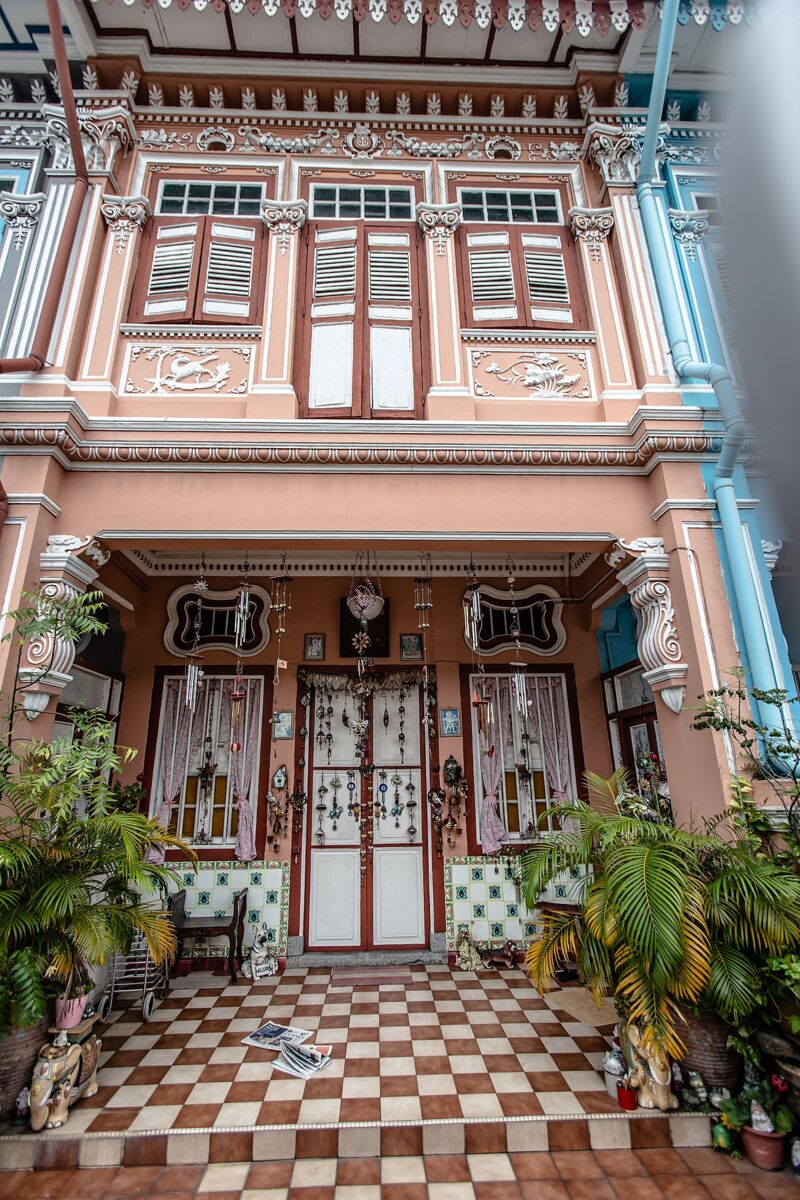
The single most photographed spot is Koon Seng Road, a short street lined on both sides with pastel two-storey terrace shophouses from the 1920s and 1930s. The facades carry detailed plasterwork and ceramic tiles featuring flowers, birds and geometric motifs, blending European tile-making with Eastern design. It is a small, residential stretch, so it gets busy with photographers and these are people's homes; keep voices down, do not block doorways, and go earlier in the day for softer light and fewer crowds. Stand on the opposite pavement to fit a full row of facades into one frame, and the kids can play spot-the-colour while you shoot.
Joo Chiat as a whole is a designated conservation area, recognised by the Urban Redevelopment Authority for its concentration of historic shophouses and terrace houses. Walking Joo Chiat Road and East Coast Road, you will pass more conserved facades, traditional kopitiam (coffee shops), antique and craft shops, and a scattering of street murals that are fun to hunt down with children. If your kids are curious about how a Peranakan family once lived, look for one of the small heritage homes and Peranakan-culture shops along the corridor; opening days, ticketing and whether young children are suited vary, so confirm on the venue's own channels before making a special trip.
On Ceylon Road, the Sri Senpaga Vinayagar Temple is one of Singapore's older Hindu temples and a striking landmark to pause at, with a tall, sculpture-covered gopuram (entrance tower) that children always notice. It was gazetted as a Historic Site by the National Heritage Board, and you can read its background on NHB Roots. As with any place of worship, dress modestly, remove shoes where required, keep little ones close, and check current visiting arrangements and prayer timings on the temple's own site before you go.
What to eat (with kids in tow)
This is laksa country. The area is famous for Katong laksa, a rich coconut-curry noodle soup served with the noodles cut short so you can eat the whole bowl with just a spoon, which happens to be ideal for little hands. Several long-running shops along East Coast Road and Joo Chiat Road serve their own versions, and queues are normal at peak meal times. Arrive a little before or after the lunch rush, and bring some cash, as a few older stalls still prefer it. We round up the city's best bowls in our guide to the best laksa in Singapore if you want to compare styles.
Beyond laksa, this is one of the best stretches in Singapore for letting kids graze. Lean into Peranakan and old-school local flavours rather than a single big sit-down meal, so everyone stays happy:
- Nyonya kueh: brightly coloured, often coconut-and-pandan steamed cakes and snacks, usually mild and a hit with toddlers. Many are sold by the piece, perfect for sharing.
- Kaya toast and soft-boiled eggs: the classic kopitiam breakfast, a gentle, familiar start for fussy eaters before the spicier stuff.
- Ngoh hiang: savoury five-spice meat-and-prawn rolls, sliced into kid-sized pieces and not spicy.
- Otah: grilled spiced fish paste in a banana-leaf parcel; tasty but can carry a chilli kick, so taste before you hand it over.
- Chicken curry with bread or rice: a Peranakan staple; ask for a milder version or keep some plain bread aside for younger ones.
- Bakeries and desserts: traditional bakes, gelato and ice cream parlours with playful flavours are everywhere here, an easy reward at the end of a walk.
For more sit-down treats, our picks for the best bakeries in Singapore and the best ice cream in Singapore both feature spots in this part of the east. Prices, menus and which outlets are still open change often, so treat any list as a starting point and confirm before you build a meal around it.
Indoor play and rainy-day backup
The east coast gets afternoon downpours, and Singapore heat builds fast by midday, so it pays to know your indoor options before you need them. Within easy reach of the heritage streets you will find soft-play and creative indoor playgrounds, some aimed at babies and toddlers, others spanning preschool to primary ages, plus the activities inside i12 Katong. Capacities, session times, sock rules and age bands differ by venue and change with school holidays, so book or check directly on each venue's site rather than turning up and hoping. As a rule of thumb, slot indoor play into the 1pm to 4pm window when it is hottest and the lunch crowds thin out.
- For babies and young toddlers, look for centres with padded under-ones zones and shorter play slots.
- For mixed-age siblings, choose a larger creative-play space that admits a wide age range so nobody is left out.
- Bring grippy socks for everyone; most soft-play venues require them and charge for replacements.
- A change of clothes is worth packing if your child plays hard or you are heading to the beach afterwards.
Getting there with a stroller
Getting to Katong and Joo Chiat is far easier since the Thomson-East Coast Line reached this part of the east. Marine Parade MRT (TE26) sits near where Joo Chiat Road meets Marine Parade Road, putting you within a short walk of the main eating and heritage streets. Dakota MRT (CC8) on the Circle Line is a further-out alternative. Plenty of buses serve East Coast Road and Marine Parade Road too. Routes, station exits and timings do change, so check the official LTA site or a transport app before you set off, and look for lift-access exits if you have a pram.
On strollers: the main roads have proper kerbed pavements, and the MRT stations and malls have lifts, so the area is broadly pram-friendly. The catch is the old five-foot ways, the covered walkways in front of the shophouses, which can be narrow, uneven, stepped, and crowded with shop displays. You will often need to dip onto the main pavement to pass. A compact, easily folded stroller, or a baby carrier for the tightest stretches, is the most relaxed choice here.
Driving and parking
If you drive, there is paid parking at i12 Katong and at some HDB and roadside lots nearby, but on-street spaces fill quickly at weekends and peak meal times. Many parts of Joo Chiat are residential with limited kerbside parking, so a mall car park is usually the calmer bet with kids. Confirm current rates and operating hours via the mall or the relevant parking operator, and have a contactless card ready, as cash parking is increasingly rare.
Nursing, nappy changes and toilets
This is the practical stuff competitor guides often skip. Out on the heritage streets, dedicated baby-care rooms are scarce, so plan your nursing and change stops around the indoor anchors:
- i12 Katong is your most reliable bet for nursing rooms, nappy-change facilities and family toilets, usually on more than one level; check the mall directory or information counter on arrival.
- Larger cafes and casual restaurants will often let you nurse or use a toilet for a change at a pinch, but space can be tight in older shophouse units.
- Carry a portable changing mat and a few nappies; you may end up changing on a bench or in a roomier accessible toilet between stops.
- East Coast Park has public toilets along its length, handy if you finish the day there, though facilities vary by zone.
What is nearby
When you need air-conditioning, a clean change stop or a quick supermarket run, head to i12 Katong at the junction of East Coast Road and Joo Chiat Road, with cafes, restaurants, a supermarket, family facilities and a cinema. For an outdoor finish, East Coast Park is close by: one of Singapore's largest parks, with long cycling and walking paths, playgrounds, beach stretches and picnic spots. You can confirm facilities, cycling-path rules and any closures on the NParks site. Pairing the heritage streets with the park turns a morning food walk into a full, easy family day.
Good to know before you go
- Go in the morning for cooler temperatures, easier photos on Koon Seng Road, and shorter food queues.
- Pack water, sun protection and a hat. Shade is patchy between buildings, and the walk is mostly outdoors.
- Carry some cash for hawker stalls and older shops, even though many places now take cards and e-payment.
- Treat it as a walk with food stops rather than one big meal, so kids stay engaged and you can pace around naps.
- Have a wet-weather plan ready: i12 Katong or an indoor playground if an afternoon storm rolls in.
- Pair the heritage streets with i12 Katong or East Coast Park for a cool-down, a feed or playtime.
- Wear comfortable closed shoes; the five-foot ways are uneven and the kerbs are frequent.
Frequently asked questions
Is Katong and Joo Chiat suitable for young children?
Yes. It is walkable and colourful, full of snack and ice cream stops, and has a mall (i12 Katong), indoor playgrounds and East Coast Park nearby for breaks. Just plan around the midday heat, the narrow shophouse walkways, and your child's nap window.
What is the nearest MRT to Joo Chiat?
Marine Parade MRT (TE26) on the Thomson-East Coast Line is the closest and sits near where Joo Chiat Road meets Marine Parade Road. Dakota MRT (CC8) on the Circle Line is a further-out alternative. Check the LTA site or a transport app for the lift-access exit if you are bringing a stroller.
What food is Katong famous for?
Katong laksa, a creamy coconut-curry noodle soup eaten with a spoon, is the signature dish. The area is also known for nyonya kueh, kaya toast, ngoh hiang, otah, traditional bakeries and a lively cafe and dessert scene. See our best laksa in Singapore guide for more bowls to try.
Is it stroller-friendly?
Mostly yes on the main roads, which have proper pavements, kerb ramps and lift-served MRT stations and malls. The tricky bit is the covered five-foot ways in front of the shophouses, which are narrow, uneven and often blocked by displays, so you will dip onto the pavement to pass. A compact fold-up stroller or a carrier makes the day easier.
Where can I nurse or change a nappy?
i12 Katong is the most reliable spot for nursing rooms and nappy-change facilities, usually on more than one level. Out on the streets, baby-care rooms are limited, so carry a portable changing mat and use cafe or accessible toilets between stops. East Coast Park has public toilets if you finish the day there.
What is the best time to visit with kids?
Morning is ideal: it is cooler, the food queues are shorter, and the light on Koon Seng Road is softer for photos. Use the hot 1pm to 4pm window for indoor play, a mall break or an air-conditioned lunch, then head outdoors again, or to East Coast Park, in the late afternoon.
Is there a rainy-day backup?
Yes. i12 Katong gives you shops, food, a supermarket and a cinema under one roof, and the area has indoor playgrounds that span baby to primary ages. Book or check session times directly with each venue, especially during school holidays when they get busy.
Gluten Free and Allergy-Friendly Eating Out in Singapore: A Parent's Guide
A practical parent's guide to gluten free and allergy-friendly eating out in Singapore: allergens, hawker safety, talkin...
9 min read
Cat Cafe Singapore: A Family Guide to Animal Cafes
A parent's guide to the cat cafe Singapore scene and animal cafes: how they work, age rules, etiquette, welfare, and wha...
10 min read
Bak Kut Teh in Singapore: A Family Guide to the Comforting Pork Rib Soup
A parent's guide to bak kut teh in Singapore: peppery vs herbal styles compared, what to order for kids, spice tips and ...
10 min read