

The Best Laksa in Singapore: A Family Guide for Parents and Kids
In this article
- What laksa is, in plain terms
- The laksa styles you will meet (and which suits kids)
- How spicy is laksa, really?
- How to order a milder, kid-friendly bowl
- Ingredients and allergens to watch for
- Where to find great laksa with the family
- Introducing laksa to kids, gently
- What to pair laksa with, and where to go next
- Frequently asked questions
Laksa is one of those bowls that says Singapore in a single spoonful: warm, spiced, fragrant, and built where Chinese and Malay kitchens meet. For families it can feel like a dish to put off, because the word "laksa" usually brings to mind serious heat and a strong seafood backbone. Here is the reassuring part: laksa is far more flexible than its reputation suggests, and with a little know-how you can turn it into a shared meal that even a cautious young eater will happily try. This guide is for parents who want a great bowl out with the kids, whether at a heritage stall in Katong or your neighbourhood hawker centre, covering what laksa is, the styles you will meet, how spicy it really gets, the allergens to watch, how to order milder, and the practical things nobody tells you, from high chairs to crowd timing.
What laksa is, in plain terms
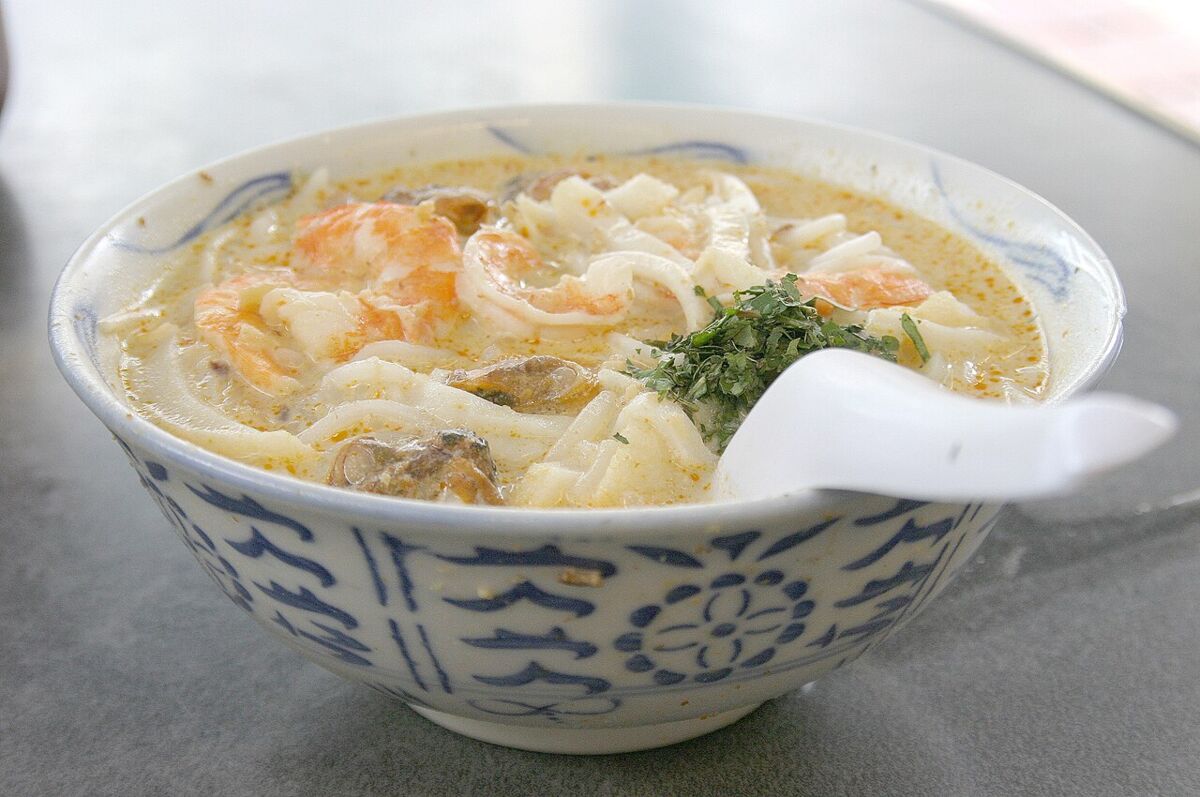
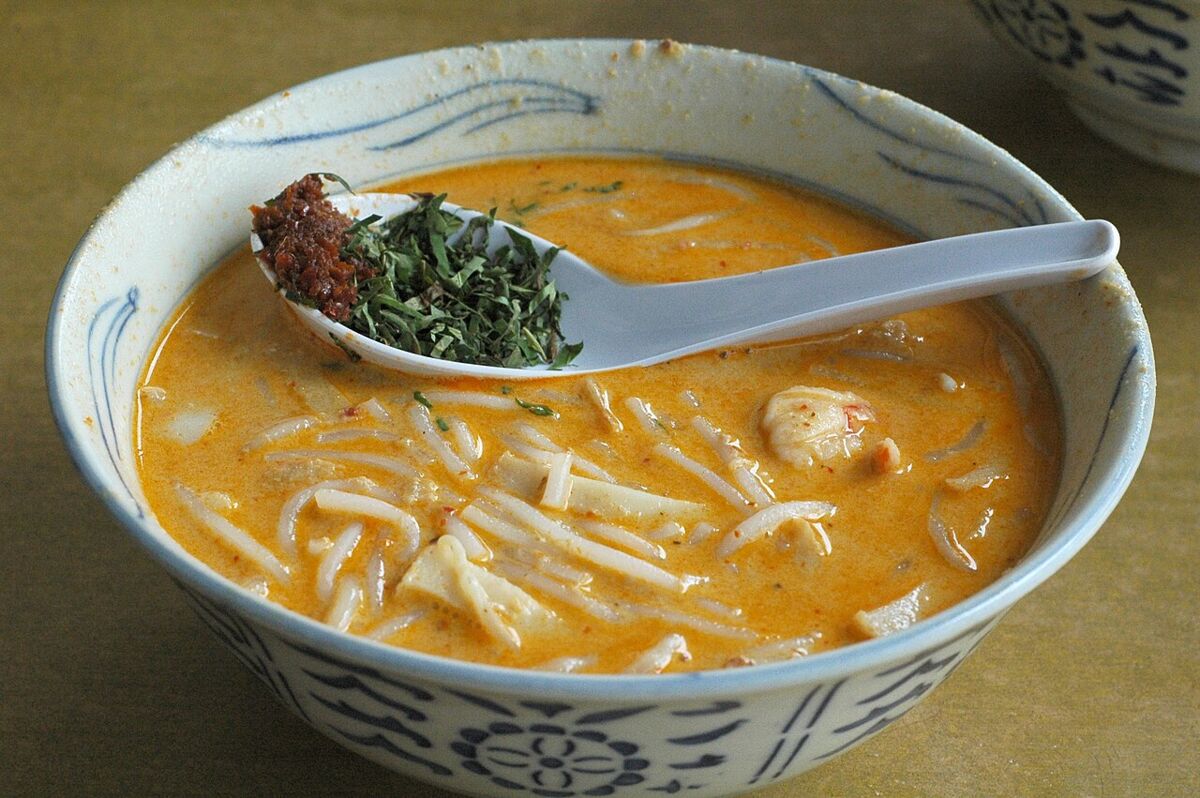
Laksa is a spiced noodle dish in a flavour-packed broth. In Singapore it is widely understood as a Peranakan creation, also called Straits Chinese or Nyonya, born from families of mixed Chinese and Malay or Indonesian heritage. That blended ancestry shows up in the bowl: rice noodles, a Chinese staple, are paired with a Malay-style spice paste called rempah, built from chilli, lemongrass, galangal, turmeric, candlenuts, shallots, garlic, and a fermented shrimp paste called belacan. From there the styles diverge, depending on whether the broth leans creamy and coconut-rich or light and tamarind-sour. For a family, the coconut style is almost always the friendlier place to start.
The laksa styles you will meet (and which suits kids)
You do not need to memorise an encyclopedia. Knowing three broad styles is enough to pick a bowl your family will enjoy.
- Katong (Nyonya) laksa: the style most associated with Singapore, named after the Katong neighbourhood on the east of the island. The broth is creamy and coconut-rich, often lighter and more soupy than a heavy curry, and a defining quirk is that the thick rice noodles are cut short so the whole bowl can be eaten with just a spoon. That spoon-only format is genuinely handy with younger children. Toppings typically include prawns, fish cake, cockles, and laksa leaf.
- Curry laksa: the everyday, no-fuss coconut-curry bowl at hawker stalls everywhere. It shares the creamy coconut base but is usually served with longer, uncut noodles, sometimes with yellow noodles, and a slightly earthier, curry-forward flavour. Toppings vary by stall and may include tau pok (fried beancurd puffs) and chicken.
- Assam laksa: a sour, tamarind-based broth with no coconut milk at all, more strongly fish-flavoured and tangy than rich. Its chilli heat can be gentler than the coconut styles, but the sourness and fishiness are an acquired taste many young children do not take to until they are a bit older.
A quick note on names: "laksa lemak" (lemak means rich or creamy in Malay) covers the coconut-based styles, while assam refers to the tamarind sourness. If a stall does not label its style, it is normal to ask which it is. For first outings with kids, the coconut Katong style is the easiest win.
How spicy is laksa, really?
This is the question most parents care about, and the answer is reassuring. The everyday coconut broth tends to sit at a moderate heat that most adults handle comfortably, because the coconut milk is rich and slightly sweet and softens the chilli rather than amplifying it. Much of the depth that makes laksa taste "strong" comes from shrimp paste and aromatics, which add savoury umami rather than burning heat.
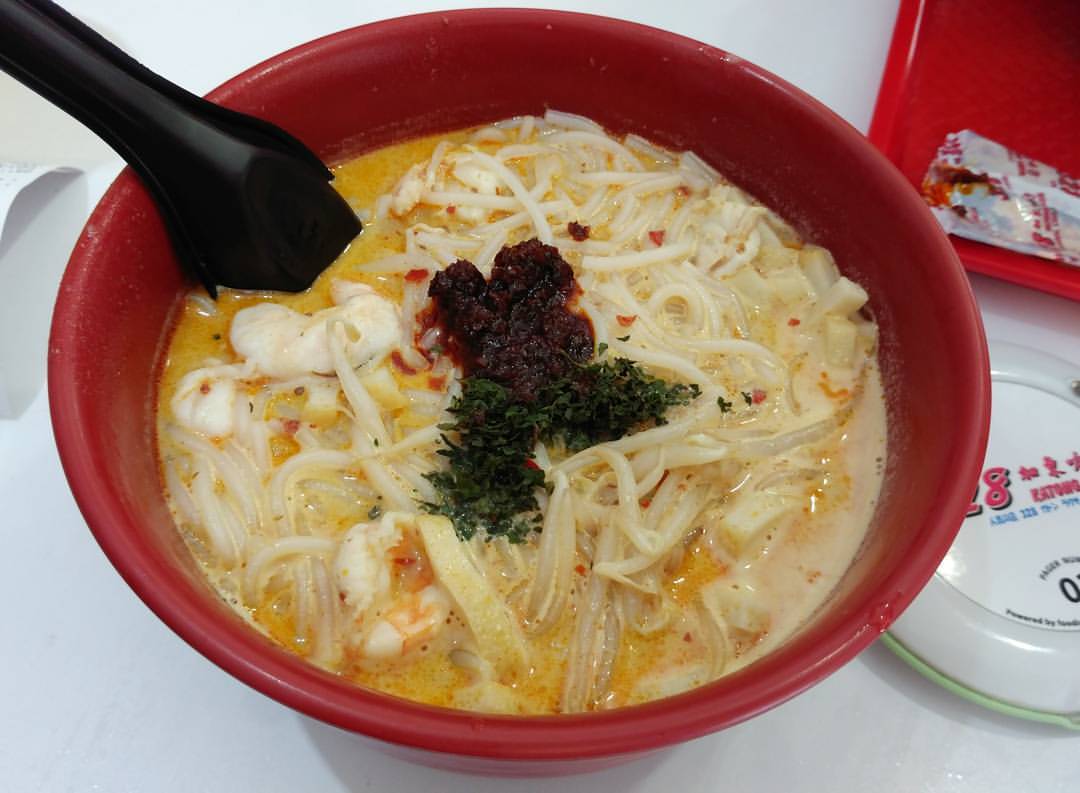
Just as importantly, a lot of the fiercest heat does not come from the broth at all. It comes from sambal, a chilli paste stirred in at the end, which you control entirely. Leave the sambal out or on the side and the base bowl is usually far milder than its colour suggests. Heat still varies by stall, so treat any bowl as a sample and always taste before passing a spoon to a child.
How to order a milder, kid-friendly bowl
Singapore hawkers are used to customisation, and asking for a gentler bowl is completely routine. A few phrases and tactics go a long way:
- Ask for "less spicy" or "no sambal." Requesting the sambal on the side, or left out, is the single most effective way to bring the heat down while keeping the dish recognisable. Some stalls will also do a "siro" mild version on request.
- Give kids the gentle parts. Hand your child the noodles, prawn, and fish cake with only a little gravy, rather than a full soupy bowl. The solids carry the flavour without the concentrated chilli of the broth.
- Share one bowl first. Let your child taste a spoonful before committing to a full portion. This avoids waste and tells you fast whether the heat suits them.
- Soften it at the table. A splash of plain warm water takes the edge off a bowl that turns out too spicy, and a side of plain rice helps stretch a rich broth for small eaters.
- Keep a cooling drink close. Water and milk- or coconut-based drinks tame chilli far better than fizzy ones. Build up gradually too: start with a coconut bowl and no sambal, then nudge the heat up over future visits.
Ingredients and allergens to watch for
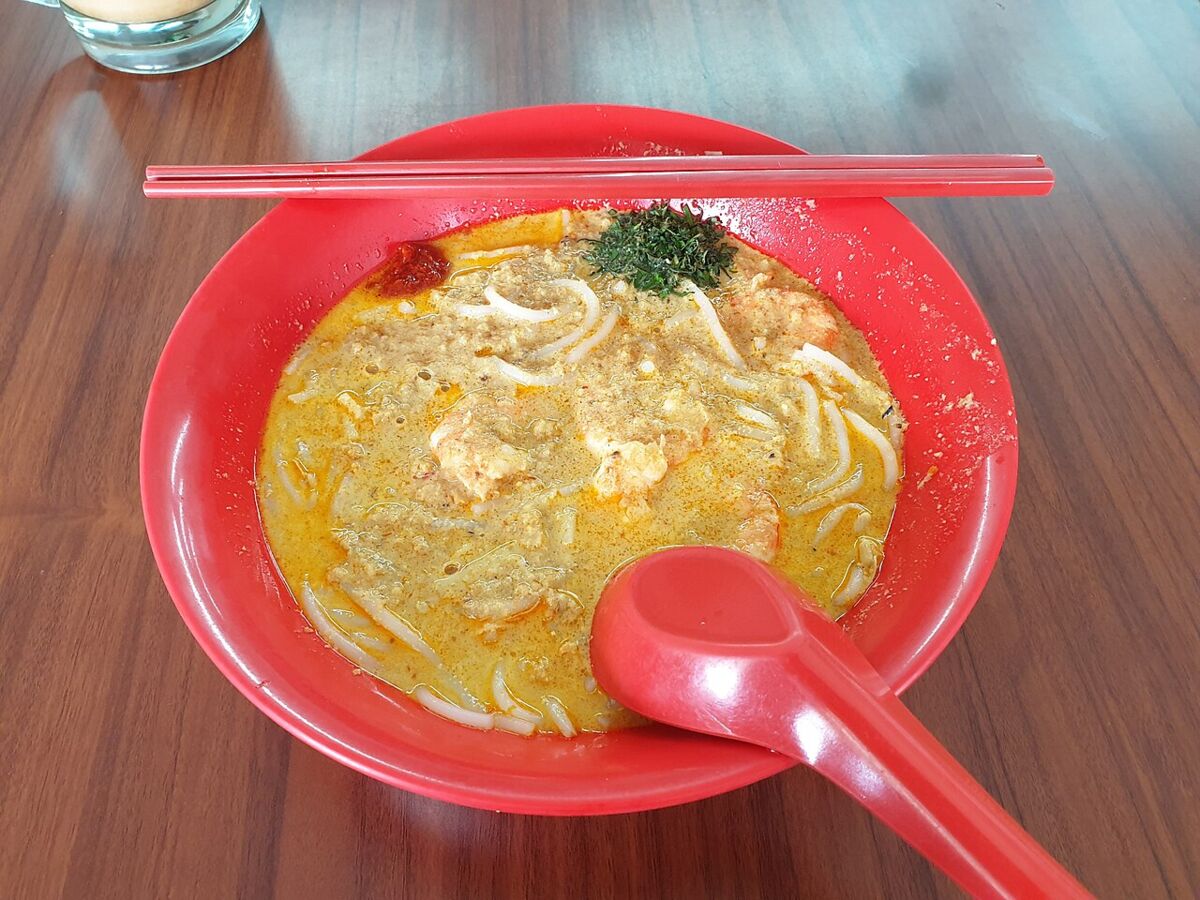
Laksa is delicious partly because it is built on seafood, which is exactly what makes it a dish to approach carefully if anyone in your family has a shellfish allergy. The flavour base itself is the issue, not just the visible toppings.
- Shellfish is woven through the dish. Belacan (fermented shrimp paste) and dried shrimp are core to the paste and broth, so a bowl can contain shellfish even when no whole prawns are visible. Toppings frequently include prawns, fish cake, and cockles.
- Cockles deserve extra thought. Cockles, known locally as see hum, are often only lightly blanched, sitting between raw and cooked. Many parents skip them for very young children, and pregnant women are generally advised to avoid undercooked shellfish. Asking for "no see hum" is a routine request.
- Eggs and fish. A halved hard-boiled egg is a common garnish, and fish or fish cake features in many bowls, especially assam laksa, which is fish-based.
- Coconut and nuts. Coconut milk is central to the creamy styles and candlenuts often appear in the paste. Coconut is generally not classed as a peanut or tree-nut allergen, but flag any nut concern with the stall.
- Sodium and richness. Laksa broth can be salty and high in fat from the coconut milk, so a smaller portion plus plain rice keeps it from being too heavy for a small stomach.
- Cross-contamination is realistic. Shared woks, utensils, and oil mean even a modified bowl may carry traces of shellfish, and a stall may not be able to guarantee a shellfish-free bowl.
Where to find great laksa with the family
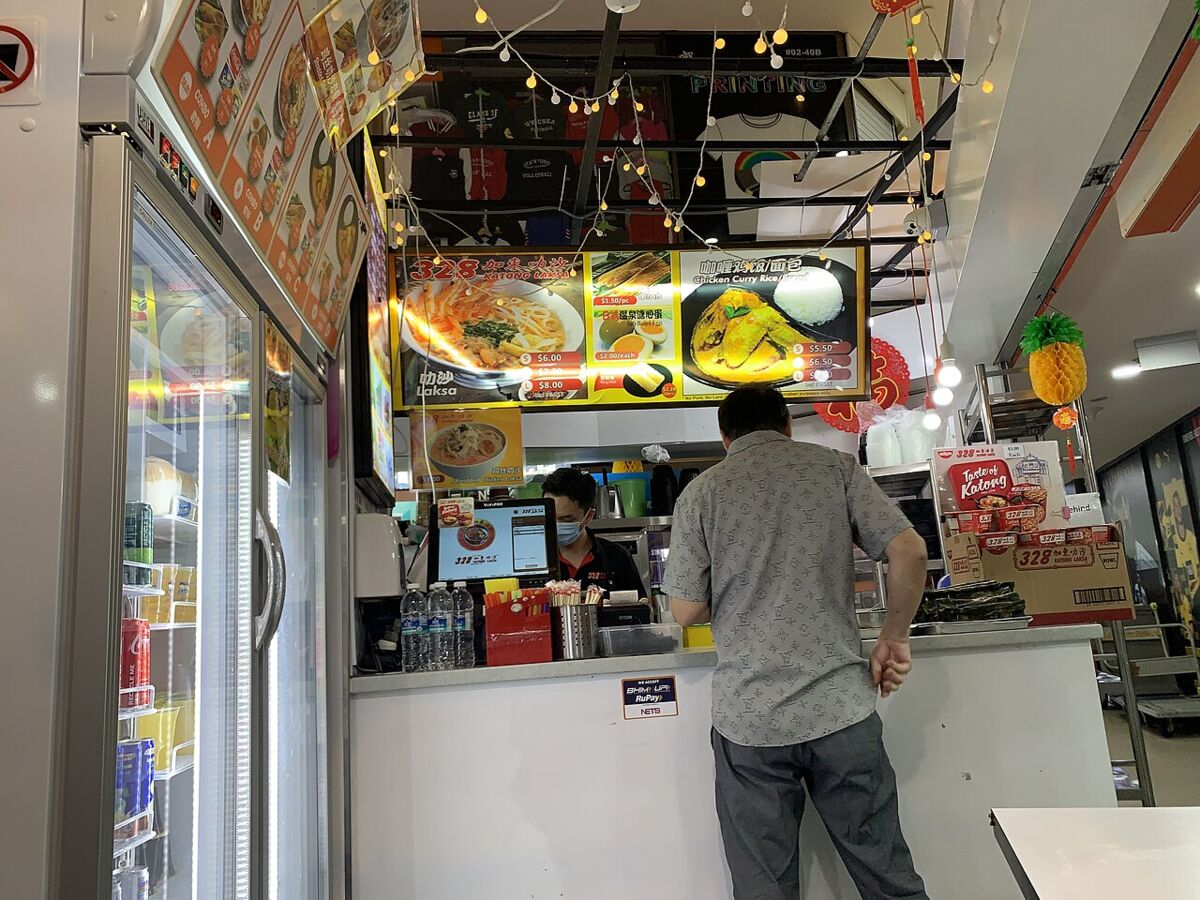
In broad terms, the east-coast neighbourhood of Katong, with the adjacent Joo Chiat area, is the district most tied to laksa's Peranakan story, a recognised heritage precinct full of colourful shophouses where the coconut-style bowl carries the Katong name for good reason. Several well-known names here and across the island, including 328 Katong Laksa, Janggut Laksa, Sungei Road Laksa, Terry Katong Laksa, and 928 Yishun Laksa, draw steady queues, though menus, prices, and opening hours change, so confirm before a special trip. The bigger point for families is that you do not need a pilgrimage; laksa is a staple at hawker centres everywhere, so where to eat with kids often comes down to the practicalities below rather than a food blog's ranking.
Getting there and the practical stuff
- MRT over driving where you can. Many famous stalls sit in older shophouse rows or busy hawker centres where parking is tight. If a stall is near an MRT station, the train with a stroller is usually less stressful than circling for a carpark.
- Stroller access varies. Hawker centres are generally flat and stroller-friendly, but small heritage shophouse units can be cramped. A compact, foldable stroller or a carrier gives you more flexibility.
- High chairs are not a given. Larger hawker centres sometimes have a few baby chairs, but standalone stalls often do not, so a portable fabric chair harness or clip-on seat is worth packing.
- Nursing and diaper changes. Hawker centres rarely have dedicated nursing rooms, though some newer ones and nearby malls do. Scout a nearby mall or bring a nursing cover.
- What to bring: wet wipes (laksa is messy), a bib or change of top, your own small spoon for the baby, and a water bottle. A small container is handy for portioning out a mild share.
Timing and crowd tips
- Avoid the lunch rush. Popular stalls can have long queues from around noon to 1.30pm. Going earlier, near 11am, or mid-afternoon usually means shorter waits and an easier time finding a table.
- Many stalls sell out and close early. Some best-known laksa stalls run morning to early afternoon and stop once they run out, so treat laksa as a breakfast or lunch outing rather than dinner, and check hours first.
- Rainy-day backup. Hawker centres are sheltered, but the walk in can be exposed. If the forecast looks grim, a food court inside a mall gives you laksa plus air-conditioning, toilets, and a nursing room.
- Split the work. With two adults, one holds a table and minds the kids while the other queues. "Choping" a table with a packet of tissues is the accepted local custom.
Introducing laksa to kids, gently
Laksa rewards a relaxed, share-and-taste approach. The Katong spoon-only format is especially toddler-friendly, with no long noodles and no chopsticks. Many children happily eat the noodles and a little broth while skipping the cockles, raw onion, or squeeze of calamansi lime, and there is no shame in deconstructing the bowl down to noodles, mild gravy, and a side of cucumber if that is what gets them eating. Coconut broth is rich, so a smaller portion plus plain rice keeps it from being overwhelming. The herb on top, usually laksa leaf (daun kesum), is easy to remove, and because laksa is served hot, stir and let it cool a minute before the first spoonful.
What to pair laksa with, and where to go next
Laksa is filling on its own, but a hawker outing is a chance to graze. Mild sides like plain rice, a fresh popiah roll, or cut fruit round out the table. If your kids are not sold on laksa, the same hawker centres serve gentler crowd-pleasers: our guide to the best chicken rice in Singapore is the classic no-spice option, and nasi lemak offers fragrant rice with the sambal on the side. For more on these settings as a family, see the best hawker centres for families, or browse the full Eat hub.
Frequently asked questions
Is laksa too spicy for young children?
Not necessarily. The everyday coconut broth is usually moderate, and the fiercest heat comes from sambal added at the end, which you can leave out or have on the side. Give your child the noodles, prawn, and fish cake with only a little gravy, and always taste the broth yourself first, since heat varies between stalls.
What is the difference between Katong laksa, curry laksa, and assam laksa?
Katong and curry laksa are both creamy coconut-based bowls. Katong laksa is the local style with thick noodles cut short so you can eat the whole thing with a spoon. Assam laksa is a sour, tamarind-based broth with no coconut milk and a stronger fish flavour, which tends to be more of an acquired taste for kids.
Can my child eat laksa with a shellfish allergy?
Approach with caution. The broth and spice paste typically contain shrimp paste and dried shrimp, and shared cooking equipment makes cross-contamination likely. If your child has a diagnosed shellfish allergy, talk to your doctor first and confirm ingredients with the stall rather than relying on how the bowl looks.
Should kids and pregnant women eat the cockles?
Cockles (see hum) are often only lightly blanched, so they sit between raw and cooked. Many parents prefer to skip them for very young children, and pregnant women are generally advised to avoid undercooked shellfish. Just ask for "no see hum" when you order; it is a routine request.
What age can children start trying laksa?
There is no fixed rule; it depends on your child's spice tolerance and allergy history, so check with your doctor if unsure. Many families let toddlers try the noodles and prawn from a no-sambal bowl with minimal broth, then build up the heat over time.
The best laksa outing is the one that fits your crowd timing, your stroller, and your child's spice level, not just the highest ranking on a food blog. Order milder, share generously, and let the kids ease into one of Singapore's great everyday meals at their own pace.
Gluten Free and Allergy-Friendly Eating Out in Singapore: A Parent's Guide
A practical parent's guide to gluten free and allergy-friendly eating out in Singapore: allergens, hawker safety, talkin...
9 min read
Cat Cafe Singapore: A Family Guide to Animal Cafes
A parent's guide to the cat cafe Singapore scene and animal cafes: how they work, age rules, etiquette, welfare, and wha...
10 min read
Bak Kut Teh in Singapore: A Family Guide to the Comforting Pork Rib Soup
A parent's guide to bak kut teh in Singapore: peppery vs herbal styles compared, what to order for kids, spice tips and ...
10 min read