

Children's Dental Care in Singapore: A Parent's Guide to Healthy Smiles
In this article
- When should my child first see a dentist?
- Your three options: school, polyclinic or private
- How much does children's dental care cost?
- Daily dental care by age
- Preventing early childhood caries (bottle and feeding traps)
- What to expect at a visit (and how to prepare)
- When to see a dentist sooner rather than later
- Frequently Asked Questions
- The takeaway
That first tiny tooth poking through the gum is a milestone worth a photo, and it is also your cue to start thinking about your child's dental care. If you are searching for a children's dentist in Singapore and feeling unsure about when to go, what it costs, or whether the school dental visits are enough, you are in good company. This guide is built for parents of babies, toddlers and primary-schoolers who want one trustworthy resource: when to start, the school, polyclinic and private routes, a daily routine by age, the subsidies you can tap, and what happens at a visit. Where fees change, we point you to official sources for current information.
When should my child first see a dentist?
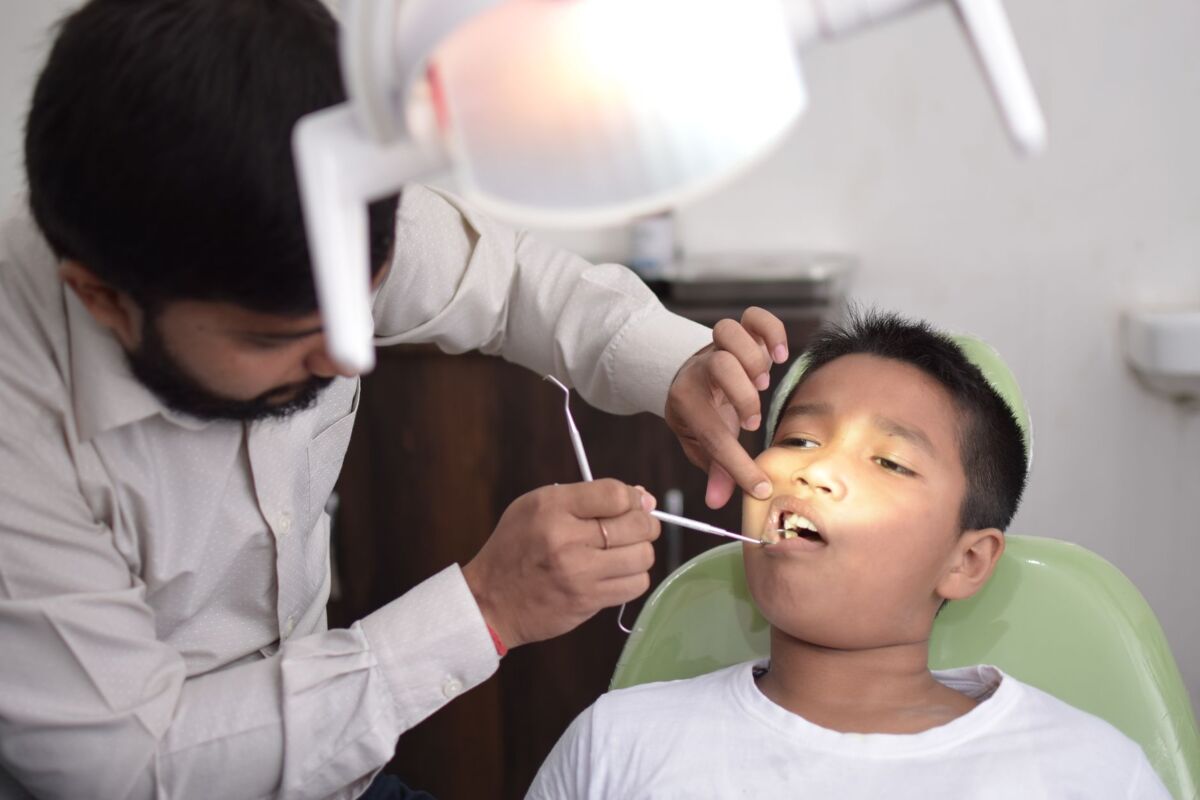
The widely recommended guidance, shared by Singapore's HealthHub and the National Dental Centre Singapore (NDCS), is to bring your child for a first dental check-up about six months after the first tooth appears, or by their first birthday, whichever comes first. It can feel early when there is barely a tooth to look at, but that first visit is far more about prevention than treatment. The dentist checks how the teeth are erupting, looks for early signs of decay, and gives you advice tailored to your child on brushing, feeding and habits like thumb-sucking or pacifier use.
There is a strong reason not to wait. NDCS notes that about one in two preschool children in Singapore already has tooth decay, and that children who had their first dental visit before 18 months were around three times less likely to develop decay than those who started later. Starting early also helps your little one get used to the chair and the light, so check-ups feel routine rather than frightening. Think of it as building a relationship, not just booking an appointment.
Your three options: school, polyclinic or private
Singapore families generally choose between three routes, and most use a mix across the years. The best fit depends on your child's age, their risk of decay, your budget and how much continuity you want with one dentist who knows your child.
1. The School Dental Service (free, school-age)
Once your child is in school, the Health Promotion Board provides free basic dental care for Singaporean students through the School Dental Service, delivered via on-site school dental clinics and mobile dental clinics that visit schools. Check-ups are scheduled at certain levels, and parental consent is collected at entry points such as Primary 1 and Secondary 1. Services typically cover screening, cleaning, fillings and dental health education. It is a useful, no-cost safety net, but it is built for routine population screening, not a substitute for a personal dentist if your child has had decay, an injury, crowding or any ongoing concern. See the School Dental Programme on HealthHub for current details.
2. Polyclinic dental clinics (subsidised)
Several polyclinics run dental clinics at subsidised rates for Singapore Citizens and Permanent Residents, including selected SingHealth Polyclinics, NHG Polyclinics and National University Polyclinics. This is often the budget-friendly choice for general check-ups, cleaning and fillings once your child is a little older and able to sit cooperatively. Availability varies by location, so always confirm which branches offer dental services, eligibility, payment options and current fees on the official polyclinic site before you book.
3. Private and paediatric dentists
Private clinics offer the most flexibility on timing, often with evening and weekend slots, online booking and a child-friendly setting. A paediatric dentist has completed about three years of additional specialty training in treating children, including behaviour management and child development, which shows if your child is very young, anxious, has special needs, or a more involved issue. NDCS runs an Infant Oral Health Programme and a full paediatric service for complex cases, with treatments ranging from fluoride varnish and fissure sealants to crowns, sedation and, where needed, dental work under general anaesthesia. Fees vary widely, so ask for an estimate when you book.
How much does children's dental care cost?
It depends on the route and the treatment. As a rule of thumb: the School Dental Service is free for Singaporean students, polyclinic dental care is the most affordable paid option for citizens and PRs, and private clinics sit higher, with paediatric specialists typically charging more than a general dentist for the same procedure. A routine check-up and clean costs far less than a filling, which costs far less than treatment under sedation or general anaesthesia. We are not quoting dollar figures because they change and differ between clinics. Always ask for a written estimate before treatment, and ask whether CDA, CHAS or MediSave can apply.
Daily dental care by age
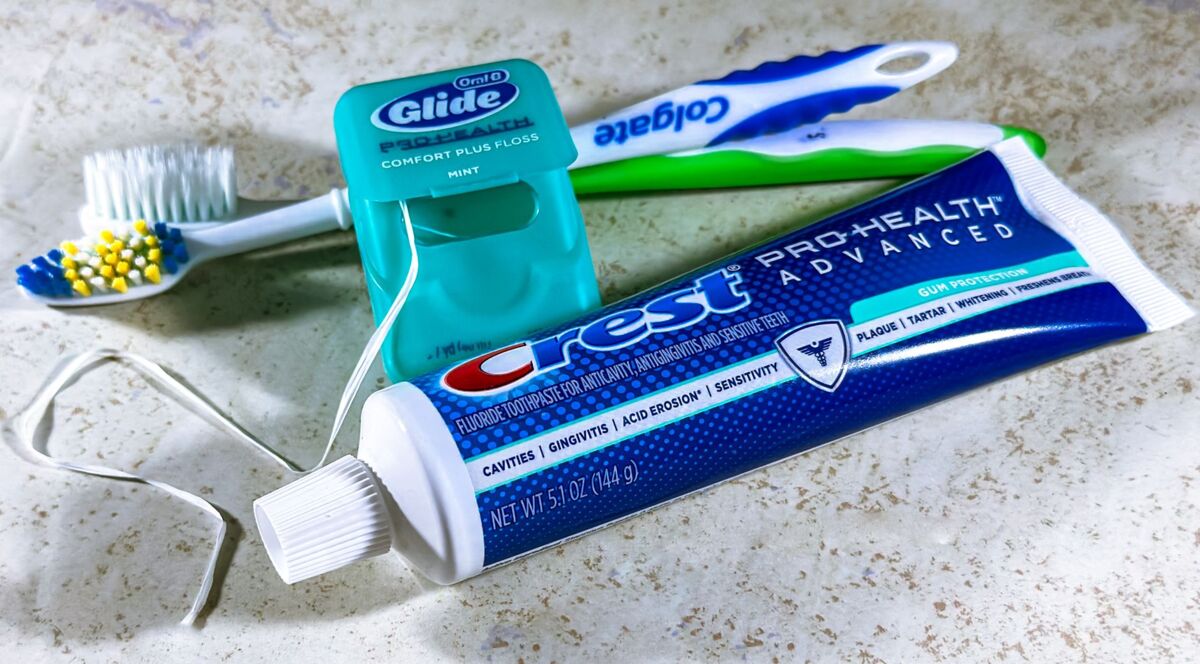
What happens at home matters more than any single appointment. Here is a simple, age-based routine drawn from HealthHub and NDCS guidance. The fluoride toothpaste amount changes as your child grows, so it is worth getting this right.
- Before the first tooth: wipe your baby's gums gently with a clean, damp cloth after feeds.
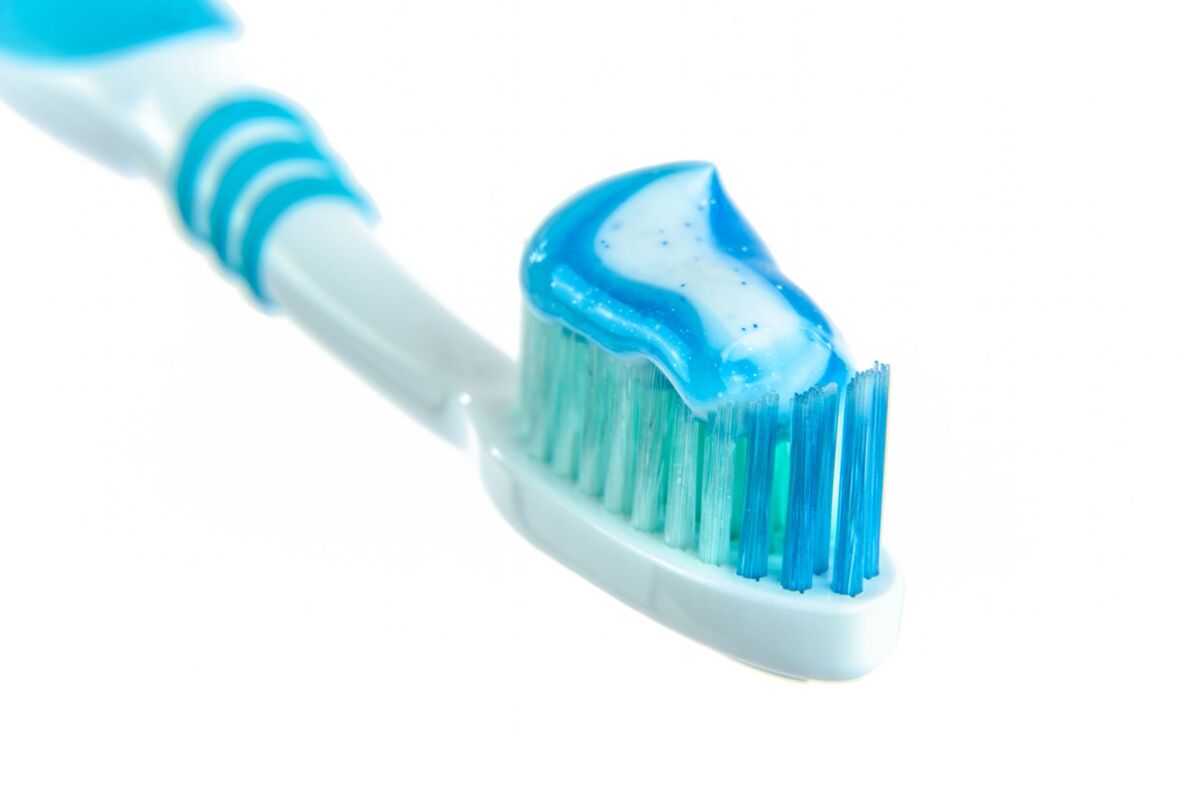
- First tooth to age 3: brush twice a day with a soft, small toothbrush and a smear of toothpaste about the size of a grain of rice. HealthHub advises at least 1000ppm fluoride; for under-threes the smear amount is mainly recommended for higher-risk children, since too much swallowed fluoride can mark developing teeth.
- Age 3 and up: move to a pea-sized amount of fluoride toothpaste, and teach your child to spit out the foam rather than swallow it.
- All ages: brush or supervise until your child can do a thorough job alone, usually around age 7 or 8. Pay special attention to the back teeth, which are easy to miss.
- Toothbrush care: replace the brush every three to four months, or sooner if the bristles splay out.
Getting the fluoride amount right is the part parents most often miss. Too much swallowed fluoride over time can cause fluorosis (faint white marks on the permanent teeth), while too little misses out on decay protection. The smear-then-pea progression keeps your child on the safe side of both.
Preventing early childhood caries (bottle and feeding traps)
Early childhood caries is decay in baby teeth: common but largely preventable. The pattern NDCS highlights is sugar sitting on teeth for long stretches, feeding the bacteria that produce tooth-damaging acid. A few everyday habits do most of the damage, so a few everyday changes do most of the prevention:
- Never put your baby to sleep with a milk or juice bottle. Pooling milk or sweet drink against the teeth overnight is a classic cause of decay on the front teeth.
- Avoid using the bottle as a pacifier with sweet liquids, and skip sugary drinks in the bottle altogether.
- Watch the snacking clock, not just the snack. NDCS suggests limiting eating occasions to about five a day, including milk feeds, so teeth get acid-free recovery time in between. Constant grazing keeps teeth under attack.
- Choose savoury or dairy snacks such as cheese or plain yoghurt over sweets and sticky snacks, and try to finish a meal within about 30 minutes.
- For on-demand breastfeeding, still clean the gums or teeth after feeds, especially overnight, since frequent feeding without any oral hygiene can also contribute to decay.
If you are also navigating mealtime battles, our guide to helping fussy eaters in Singapore pairs well with this, since the snack and drink choices that protect teeth are often the same ones that build healthier eating habits.
What to expect at a visit (and how to prepare)
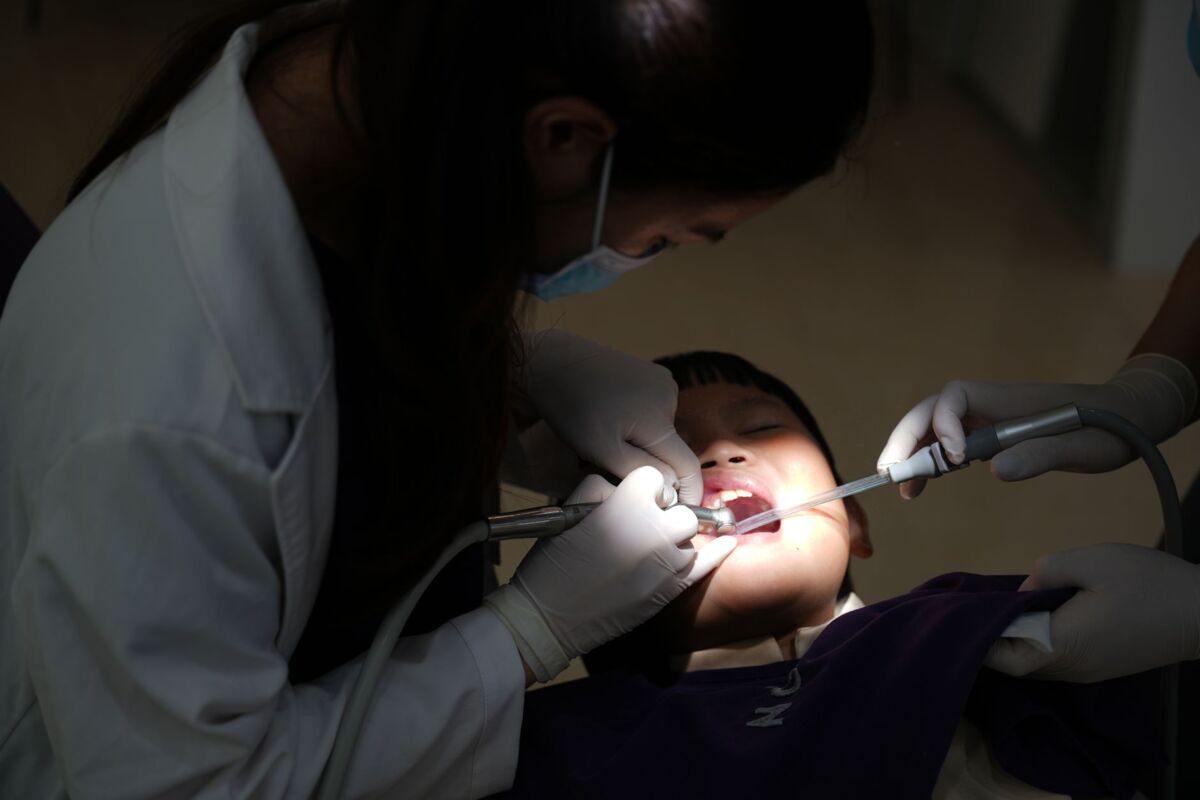
A first or routine visit for a young child is usually short and gentle. The dentist asks about your child's medical history, feeding and brushing habits, then examines the teeth, gums and bite, checks for early decay, and may do a clean or apply fluoride varnish. For toddlers, much of the visit is acclimatisation, letting them touch the mirror and sit in the chair, plus practical coaching for you. NDCS suggests bringing your child's own toothbrush, a list of any long-term medications, and one parent, who is needed to give consent.
How you set it up at home makes a real difference:
- Book a morning slot when your child is rested and less likely to melt down.
- Use calm, neutral language and avoid words like pain, hurt, needle or injection beforehand.
- Read a fun picture book or watch a friendly video about visiting the dentist beforehand, so the chair feels familiar.
- Bring a comfort toy, and keep your own tone positive, since children read parental nerves quickly.
- Do not use the visit as a bribe or a threat.
Some children take a couple of visits to warm up, and that is normal. Consistency builds trust, so a calm, regular six-monthly rhythm works better than a single dramatic visit only when something hurts. If your child is anxious about new places, the gentle preparation that helps with starting childcare and separation anxiety works for the dentist too.
When to see a dentist sooner rather than later
Routine six-monthly check-ups catch most issues, but some signs are worth an earlier call rather than waiting for the next scheduled visit:
- White, brown or black spots on the teeth, which can be early decay.
- A knocked-out, chipped or loosened tooth after a fall, which is a same-day priority for a baby or adult tooth.
- Persistent toothache, swelling of the gum or face, or a child who avoids chewing on one side.
- Bleeding, swollen or sore gums that do not settle.
- A thumb-sucking or pacifier habit that continues well past the toddler years and starts affecting the bite.
For broader help finding the right child health professionals, our guide on choosing a paediatrician in Singapore covers the same decision-making for your child's wider medical care.
Frequently Asked Questions
Are baby teeth really that important if they fall out anyway?
Yes, very. Healthy baby teeth let your child chew properly, help with clear speech, and hold the right spaces for the adult teeth coming in underneath. Decay in baby teeth can be painful, can lead to infection, and can affect the permanent tooth developing below. Looking after baby teeth is not wasted effort; it sets up the adult smile.
How often should my child see a dentist?
The general guidance from HealthHub and NDCS is roughly every six months. Your dentist may recommend a shorter or longer interval depending on your child's individual risk of decay, so follow their personalised advice rather than a fixed rule.
Is the free school dental check-up enough on its own?
For many healthy school-age children, the School Dental Service covers the basics well. But it is a population screening service, not continuity of care. If your child has had decay, an injury, crowding or any ongoing concern, a personal dentist or paediatric specialist who knows their history will give better follow-up.
How much fluoride toothpaste should I use for my toddler?
For children under three, use a smear about the size of a grain of rice of a toothpaste with at least 1000ppm fluoride, and supervise so they do not swallow it. From age three, move to a pea-sized amount and teach them to spit. Because needs vary, your dentist can confirm the right amount based on your child's age and decay risk at their first visit.
At what age can I stop brushing my child's teeth for them?
Most children do not have the hand control to brush thoroughly on their own until around age seven or eight. Until then, do the brushing yourself or closely supervise and finish off, paying attention to the back teeth that young children tend to miss.
Can I use Baby Bonus, CDA, CHAS or MediSave for dental care?
Possibly. CDA savings can be used at Baby Bonus Approved Institutions, which include many dental clinics; CHAS may subsidise eligible families; and MediSave can be used for certain approved procedures. Eligibility and coverage change, so confirm on the MSF Baby Bonus and Ministry of Health pages, and with your clinic, before assuming a cost is covered.
The takeaway
Start early, keep brushing simple, consistent and age-appropriate, watch the bottle and snacking habits, and lean on the support Singapore offers: the free School Dental Service, an affordable polyclinic, or a private paediatric dentist for younger or complex cases. Pair good habits at home with regular six-monthly check-ups and you give your child the best shot at a lifetime of healthy smiles. For more, explore our parenting tools while you are here.
- HealthHub (Health Promotion Board) - Guide to Oral Care for Your Toddler
- HealthHub - How Can I Prevent Tooth Decay in My Child?
- National Dental Centre Singapore - Infant Oral Health Programme
- National Dental Centre Singapore - Preventing Early Childhood Caries
- National Dental Centre Singapore - Your Child's First Visit
- HealthHub - School Dental Programme
Childhood Myopia in Singapore: A Parent's Guide to Signs, Prevention and Eye Checks
A Singapore parent's guide to childhood myopia: why it is so common, early signs, outdoor and screen habits that help, e...
11 min read
Choosing a Paediatrician in Singapore: A Practical Guide for Parents
How to choose a paediatrician in Singapore: GP vs polyclinic vs private PD, cost guidance, vaccinations, first-visit tip...
12 min read
Mosquito Repellent for Kids in Singapore: A Parent's Guide to Dengue Protection
How to choose mosquito repellent for kids in Singapore by age, protect babies from dengue, cover up, use nets, clear sta...
11 min read