
Why Is My Child Always Sick at Childcare? A Reassuring Guide for Singapore Parents
In this article
- Why young children fall sick so often at childcare
- What counts as normal, and what is worth checking
- The common childcare bugs in Singapore
- How to support recovery at home
- How to limit the spread at home
- When to keep your child home, and the childcare rules
- When to see a doctor, and the red flags
- Coping as a working parent
- The good news for the long run
- Frequently Asked Questions
You drop your little one at childcare on Monday, and by Wednesday there is a runny nose and a cough. The fever follows, a sibling catches it, and then you go down too. If it feels like your child is always sick at childcare, you are not imagining it and you are far from alone. This guide is for parents of babies, toddlers and preschoolers in their first year or two of group care, the season when the colds seem relentless. The short, reassuring version: a long run of mild bugs at this age is normal, expected, and usually a sign your child's immune system is working exactly as it should. Here is why it happens, what is normal versus worth a doctor's eye, how to help recovery and limit spread at home, the local exclusion rules, and how working parents can cope.
A quick but important note first. This is general information to reassure and orient you, not medical advice for your specific child. If you are worried at any point, or your gut says something is not right, see your GP or paediatrician. For an emergency, go straight to the nearest Children's Emergency.
Why young children fall sick so often at childcare
Two things collide the moment a young child starts group care: an immune system still learning its job, and a room full of brand-new germs. Babies and toddlers have immature immune systems that have not met most common viruses yet. There are more than 200 viruses behind the ordinary cold alone, and every one your child catches is a first introduction, so one bug seems to roll straight into the next.
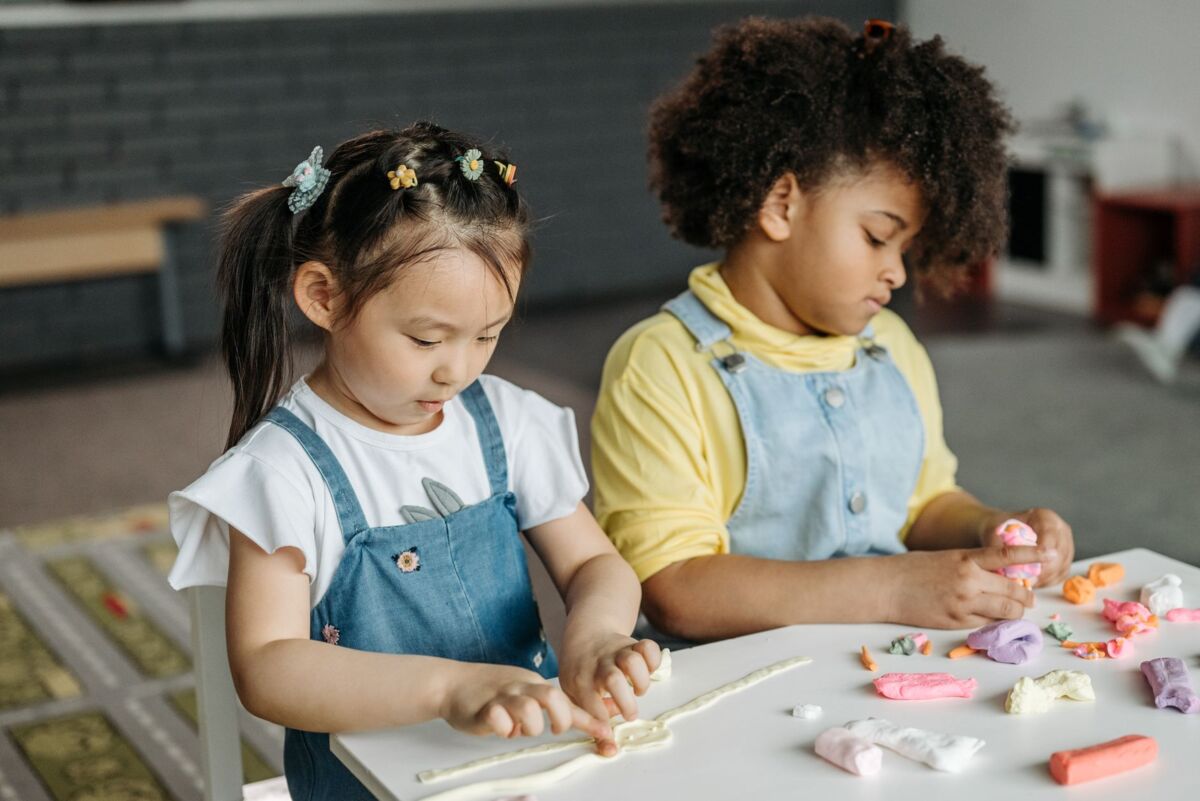
Now add the setting. Group care means small children in close contact indoors, sharing toys, holding hands and exploring everything by putting it in their mouths. Little ones have not mastered covering a cough or blowing a nose, so droplets travel freely and hands carry germs from surface to surface. It is why a child at home with one carer typically catches fewer bugs than one in a busy childcare room.
Here is the part worth holding onto: this is not weakness, it is training. Each mild illness teaches the immune system to recognise and fight off another germ, building defences your child carries for life. Paediatric guidance commonly cites that young children in group care catch roughly 8 to 12 viral infections a year, especially in the first year or two, and that the number tapers off as they grow. Children who pick up these bugs early in childcare are not getting sick more overall; they are simply meeting their germs sooner.
What counts as normal, and what is worth checking
It helps to separate the everyday from the genuinely unusual. The normal picture is a string of self-limiting viral illnesses, with your child recovering between them, gaining weight, hitting milestones and being themselves once the worst passes. It is the pattern and severity, not the sheer number of sniffles, that matters most.
Worth a closer look is a different pattern: illnesses that are unusually severe, infections that keep needing antibiotics, a child not gaining weight or persistently exhausted long after a bug should have cleared, or symptoms dragging well past the usual week. These are uncommon and usually have a simple explanation, but they are cues to raise with your paediatrician rather than wait out. If you are choosing a regular doctor, our guide to choosing a paediatrician in Singapore covers what to look for.
The common childcare bugs in Singapore
The good news is that the vast majority of childcare illnesses are mild, viral, and clear on their own with rest and comfort. These are the usual visitors in Singapore centres:
- Colds and coughs (upper respiratory tract infections). Runny or blocked nose, sneezing, sore throat and a cough. The most frequent, usually settling within about a week. Antibiotics do not help a viral cold.
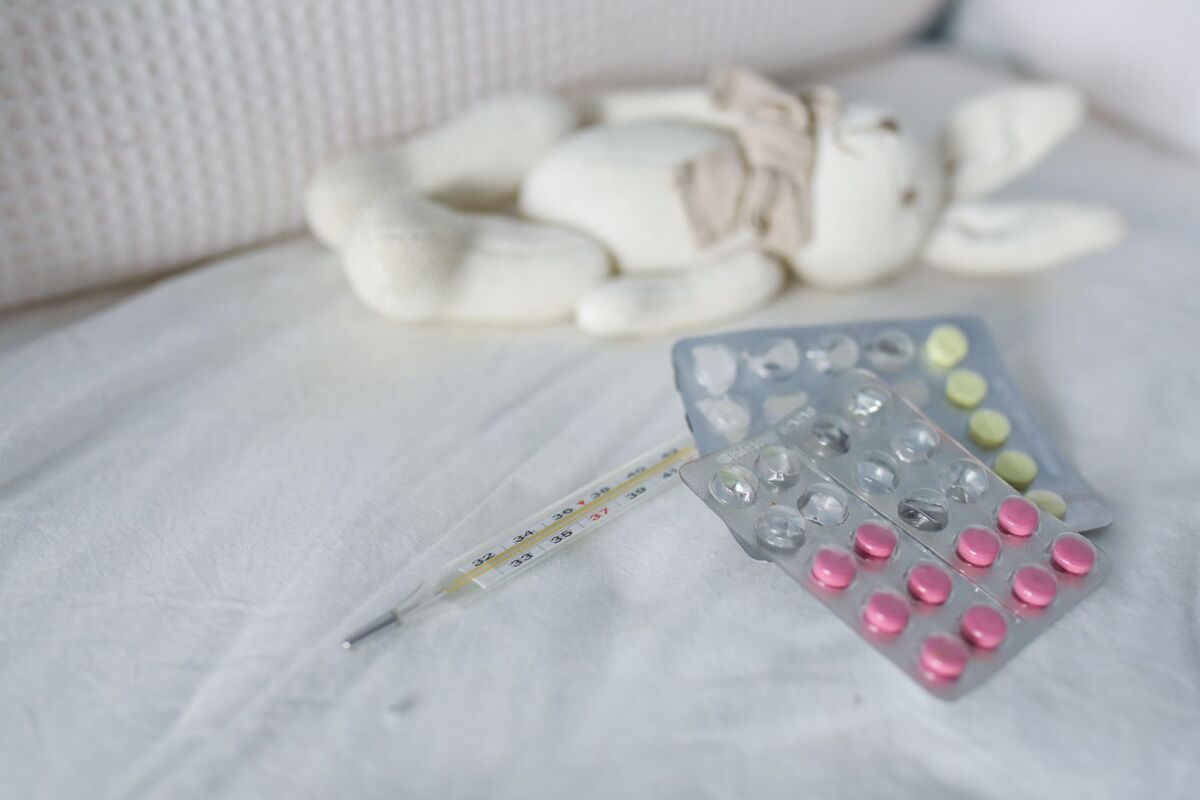
- Viral fever. A raised temperature with few other signs as the body fights a circulating virus. A healthy child sits around 37 degrees Celsius; above 38 degrees Celsius counts as a fever.
- Hand, foot and mouth disease (HFMD). A highly infectious viral illness that is endemic in Singapore. It brings fever, sore throat, mouth ulcers and a blister-like rash on palms, soles and sometimes buttocks. There is no specific cure; most children recover well with supportive care.
- Gastroenteritis (stomach flu). Vomiting and loose, watery stools, sometimes with fever, usually from a virus picked up hand-to-mouth. The main job is keeping fluids up to prevent dehydration.
- Conjunctivitis (pink eye). Red, watery or sticky eyes that spread quickly via shared hands and surfaces.
- Sore throat. Often part of a viral cold, occasionally bacterial. A sore throat with fever or one that lingers is worth a doctor's check.
- Influenza (flu). Hits harder than a cold, with higher fever, body aches and real fatigue. A flu jab, on your doctor's advice, can reduce the risk and severity.
For trusted, plain-English explainers on these conditions, Singapore's HealthHub has parent-friendly guides on HFMD and fever in children.
How to support recovery at home
For most mild illnesses, the aim is comfort while your child's body does the work of healing. You are not curing the virus, just helping them feel better while it runs its course.
- Rest. An unwell child needs downtime far more than activity. Keep things calm and quiet, and let extra naps happen.
- Fluids, often and in small amounts. Offer water, milk or breastmilk frequently, especially with fever, vomiting or sore mouth ulcers. Steady hydration is the single most useful thing you can do, and it heads off dehydration.
- Comfort measures for fever. HealthHub notes that fever medicine such as paracetamol can help an uncomfortable child feel better, though it treats the discomfort rather than the cause. Follow the dose for your child's age and weight on the label or as advised by your doctor or pharmacist, and never guess. For babies under three months, give fever medicine only on a doctor's advice.
- Light, easy foods. Appetite often dips when children are ill. Do not force meals; offer soft foods and keep fluids going. If yours is a reluctant eater anyway, our tips on handling fussy eaters in Singapore may help once they recover.
- Keep them home while unwell or infectious. It speeds recovery and protects their classmates and teachers.
How to limit the spread at home
You will never stop every bug at the door, but a few habits genuinely slow them down across the household:
- Handwashing is the big one. Soap and water for around 20 seconds, for everyone, after toileting and nappy changes, before meals, and after coughing, sneezing or wiping noses. The most effective single habit there is.
- Teach cough and sneeze manners early. Into a tissue or the elbow, then bin the tissue and wash hands.
- Clean shared surfaces and toys regularly, and step this up during a HFMD wave.
- Do not share cups, utensils, towels, toothbrushes or bedding while someone is sick.
- Support the immune basics year-round: enough sleep (toddlers need roughly 11 to 14 hours a day including naps), a varied diet with fruit and vegetables, and staying up to date with the national childhood vaccinations and any flu jab your doctor recommends. These do not make a child invincible, but they help.
When to keep your child home, and the childcare rules
Singapore preschools follow Ministry of Health guidance and run daily temperature and health checks at drop-off. An unwell child is usually rested in the sick bay until you can collect them. As a general rule, keep your child home if they have a fever, are too unwell to take part, or have a contagious illness such as diarrhoea, vomiting or conjunctivitis, until they are well again.
HFMD has stricter rules because it spreads so easily. Children with HFMD should stay home until all the blisters have dried up and they have fully recovered, after any medical certificate from the doctor has expired, which can take one to two weeks. Centres are required to report cases to the authorities, and may be advised to close temporarily during larger outbreaks to break the chain of transmission. Reassuringly, a well child does not automatically need to stay home simply because a sibling has HFMD. Policies vary, so always follow your centre's rules and the latest official guidance from MOH and your doctor.
When to see a doctor, and the red flags
Most childcare illnesses can be managed comfortably at home, but some signs mean it is time to see a doctor rather than wait. Based on Singapore health guidance, take your child to a doctor if they:
- Are under three months old and have any fever (38 degrees Celsius or above). Babies this young should be seen at the Children's Emergency promptly, and do not give fever medicine without a doctor's say-so.
- Have a fever lasting more than about three days, or one that will not settle while you grow more worried.
- Show signs of dehydration: far fewer wet nappies, no tears when crying, a dry mouth, sunken eyes or unusual sleepiness.
- Are feeding or drinking poorly, or refusing fluids for a prolonged stretch.
- Have HFMD-type symptoms (fever with mouth ulcers and a rash on palms, soles or buttocks) so it can be confirmed and an MC issued.
- Are unusually drowsy, floppy, irritable or hard to rouse, or simply not themselves in a way that worries you.
Coping as a working parent
The illnesses are hard on children, but the logistics can be just as hard on working parents. A few things make the sick-day scramble manageable:
- Know your leave. Working parents in Singapore are generally entitled to paid childcare leave for young children, on top of their own sick leave. Check your eligibility and HR policy so you are not caught out mid-fever.
- Line up backup care in advance. Agree with a partner, grandparents, a helper or another childcare-parent who you can call when one of you cannot take the day. Having the plan before you need it removes the panic.
- Keep a sick-day kit ready: a working thermometer, age-appropriate paracetamol, oral rehydration sachets, and your clinic and paediatrician numbers saved on your phone.
- Plan for the seasonal clusters. Singapore sees waves of HFMD and respiratory bugs through the year, so expect a heavier patch now and then and build in some slack.
- Mind your own health too. Parents catch these bugs as well. Rest when you can and accept help without guilt.
If the early weeks are also bringing tears at drop-off, the illness and the upheaval often arrive together; our guide on starting childcare and separation anxiety in Singapore covers the emotional side of the same transition.
The good news for the long run
This phase genuinely passes. As your child's immune system matures and their hygiene improves, the run of back-to-back illnesses slows down, often noticeably by the later preschool and early primary years. Those early bouts are not a setback; they are how the body builds defences it will lean on for years. Hang in there, keep the hand soap topped up, and remember that a thriving child who catches a lot of mild colds is usually a healthy child doing exactly what young children do.
Frequently Asked Questions
How many colds a year is normal for a child in childcare?
It varies, but paediatric guidance commonly cites around 8 to 12 mild viral infections a year for young children in group care, especially in the first year or two. In an otherwise healthy, growing child this is usually nothing to worry about and tends to ease with age. If the pattern concerns you, or illnesses seem unusually severe, speak to your doctor.
Does being sick this often mean my child has a weak immune system?
Almost always no. Frequent mild colds at this age reflect a still-maturing immune system meeting many germs for the first time, not a weak one. Each illness is part of how the immune system learns. The cues that occasionally point to something more, such as repeated severe infections, poor weight gain or persistent exhaustion, are uncommon and worth raising with a paediatrician rather than worrying over alone.
Should I pull my child out of childcare because they keep getting sick?
Usually not. The frequent-illness phase is normal, it eases over time, and the immunity children build is real; children cared for at home tend to catch up on these same bugs later. Focus on hygiene, good recovery and keeping sick children home, and discuss any specific worries with your paediatrician before making a big change.
When can my child go back to childcare after HFMD?
Children with HFMD should stay home until all the blisters have dried up and they have fully recovered, and after any medical certificate from the doctor has expired. This often takes one to two weeks. Always follow your centre's policy and your doctor's advice before returning.
How can I tell if my child is dehydrated?
Watch for far fewer wet nappies than usual, no tears when crying, a dry mouth, sunken eyes and unusual drowsiness. Offer fluids in small, frequent amounts, plus oral rehydration solution if vomiting or diarrhoea is involved. If your child cannot keep fluids down or shows these signs, see a doctor promptly.
Can vaccinations and the flu jab stop my child getting sick at childcare?
No vaccine prevents every bug, since most childcare colds are caused by viruses there are no jabs for. But staying up to date with the national childhood immunisations, and having the annual flu jab if your doctor recommends it, protects against several more serious illnesses and can reduce how hard flu hits. Ask your doctor what is appropriate for your child's age.
Childhood Myopia in Singapore: A Parent's Guide to Signs, Prevention and Eye Checks
A Singapore parent's guide to childhood myopia: why it is so common, early signs, outdoor and screen habits that help, e...
11 min read
Choosing a Paediatrician in Singapore: A Practical Guide for Parents
How to choose a paediatrician in Singapore: GP vs polyclinic vs private PD, cost guidance, vaccinations, first-visit tip...
12 min read
Mosquito Repellent for Kids in Singapore: A Parent's Guide to Dengue Protection
How to choose mosquito repellent for kids in Singapore by age, protect babies from dengue, cover up, use nets, clear sta...
11 min read