
Gymnastics for Kids in Singapore: A Parent's Guide to Classes, Benefits and Choosing Right
In this article
If your little one is forever cartwheeling across the living room, bouncing off the sofa or hanging upside down from the monkey bars, a gymnastics class might be the happiest place to channel all that energy. Gymnastics is one of the most popular early-childhood activities in Singapore, and for good reason: it builds the kind of strength, balance and body awareness that quietly helps with every other sport, and with sitting still in class too. This guide is for parents weighing up their first class, deciding between a play-based toddler session and a structured programme, or simply trying to work out whether their cartwheeling four-year-old is ready. We have kept it general on specific providers and prices on purpose, so always confirm the latest fees, ages and schedules directly with the school you are considering.
What gymnastics actually does for kids
Gymnastics is often called a foundation sport because it develops the fundamental movement skills almost everything else is built on. Children practise running, jumping, balancing, rolling, swinging and landing safely, and all of that feeds straight into coordination and confidence. Unlike a single-skill sport, a good gymnastics class touches a wide range of movement patterns in one hour, which is part of why it transfers so well to swimming, ball sports and dance.
The benefits parents tend to notice most include:
- Gross motor skills and coordination - learning to control the body through space, which carries over to swimming, football, dance and ball sports.
- Strength and flexibility - core, upper-body and lower-body strength built through age-appropriate, body-weight movement, with the range of motion that protects little joints.
- Balance and body awareness - knowing where their limbs are, which reduces clumsy falls, helps posture, and makes them feel surer on their feet.
- Confidence and resilience - mastering a forward roll or a beam walk gives a genuine sense of achievement, and learning to try again after a wobble quietly builds grit.
- Focus, listening and taking turns - following a coach, queuing for the equipment and waiting for a turn are useful social and school-readiness skills that show up well beyond the gym.
As a general rule, children build fundamental movement skills most rapidly in the early years, which is part of why activities like gymnastics suit little ones so well. SportSG describes this early grounding as physical literacy: the basic ability to move, play and take part in sport. That said, kids genuinely benefit from starting at any age, so do not worry if your child is older and only just keen now.
The main types of classes
Most gymnastics schools in Singapore organise their programmes along a pathway, from playful toddler sessions through to serious competition. Understanding the steps makes it far easier to pick the right entry point rather than signing up for whatever has a free slot.
Parent-and-tot (toddlers)
These are play-based classes for babies and toddlers, usually from around walking age, where a parent or carer joins in on the mat. They are often branded with names like Gym Tots, KinderGym or Romper, and they focus on crawling, climbing, balancing and rolling through fun obstacle-style circuits rather than formal skills. At this stage it is as much about bonding, confidence and building water-tight basics as it is about gymnastics. Sessions are typically short, around an hour, and class sizes are kept small so coaches can keep an eye on a roomful of wobbly walkers.
Recreational classes
From roughly preschool age onward, children move into recreational gymnastics, where they learn proper technique on the floor, beam, bars and, at some clubs, trampoline, but with no competitive pressure. This is where most kids stay happily for years, and there is nothing second-best about it. Classes are grouped by age and ability, and children progress through skill levels at their own pace. Some centres also fold tumbling, parkour or aerial arts under the same recreational umbrella, which can be a great fit for a child who loves movement but is not drawn to traditional apparatus work.
Ninja and parkour streams
A growing number of gyms now run ninja-style classes that blend gymnastics, obstacle-course running, climbing and a dash of martial-arts movement, often for kids from around preschool age up to about ten. These lean into agility, problem-solving and sheer fun, and tend to win over children who think traditional gymnastics is not for them but love the idea of an indoor warrior course. The underlying benefits, strength, coordination and body awareness, are much the same as a recreational class.
Competitive pathways
For children who show talent and real enthusiasm, many clubs run a competitive squad or pre-competitive stream with more training hours and a focus on routines for competition. Singapore Gymnastics, the national governing body, oversees the recognised disciplines here: Men's Artistic, Women's Artistic, Rhythmic and Trampoline gymnastics. A handful of long-established clubs can develop gymnasts all the way from beginner to national-team level, so there is a genuine pathway if your child catches the bug, though it asks a lot more of family time and budget.
Choosing the right class by age
As a rough guide to match a class to your child:
- Walking toddler to about age 3 - parent-and-tot or KinderGym-style play classes, with you on the mat.
- Around 3 to 5 (preschool) - independent preschool or KinderGym classes where they learn without you alongside them.
- School age (around 5 and up) - recreational classes grouped by ability, with the option of a ninja or parkour stream, and a pre-competitive squad later for keen kids.
Exact age cut-offs vary by school, and some draw the line at the child's birthday while others go by school year, so always confirm the minimum age and class groupings with the provider. If you are still mapping out the week, our roundups of kids' sports classes and swimming lessons pair nicely with gymnastics for a well-rounded active routine.
Safety and choosing a good school
Gymnastics is very safe when it is taught well, and the school you choose matters far more than the brand name on the door. A few things are worth checking before you commit:
- Coach qualifications - look for coaches certified through recognised pathways such as the Singapore Gymnastics coaching courses, ideally with early-childhood or sports-science training and current first-aid.
- Class size and ratio - smaller groups generally mean more attention and better spotting, especially for younger kids. Ask each school what their coach-to-child ratio is for your child's exact age group, not just the centre average.
- Facilities and equipment - proper sprung floors or thick matting, foam pits where relevant, well-maintained apparatus, and a clean, age-appropriate space scaled to small bodies.
- Cleanliness and hygiene - mats and shared equipment take a lot of bare feet and small hands, so look for a centre that wipes down regularly and keeps the changing and toilet areas tidy.
- How coaches communicate - watch whether they encourage and correct kindly, manage the group calmly, and keep children engaged rather than queuing bored for most of the hour.
When in doubt, recreational first is the right call for almost every child. It delivers all the benefits with none of the pressure, and a good school will spot a child with the interest and aptitude for a competitive stream and invite them up when they are genuinely ready.
Cost, commitment and what to expect
Most schools sell gymnastics in terms rather than single lessons, so you are typically committing to a block of weekly classes at a time, with a one-off registration or uniform fee on top. A few centres offer drop-in sessions, which suit families with unpredictable weekends but usually work out pricier per class. Competitive squads cost considerably more once you add extra training hours and competition fees. Because prices and term structures move around, treat any figure you see online as a rough guide and confirm the current fee, the number of weeks in a term, and the refund or make-up policy directly with the school.
Practical things worth asking about up front: whether they offer make-up classes if your child is sick, how mid-term joining is pro-rated, what happens when a child is ready to move up a level, and whether siblings can be timetabled back-to-back so you are not doing two separate trips.
Location, timing and rainy-day reliability
Gymnastics is fully indoor and air-conditioned, which makes it one of the most weather-proof activities on the island, no small thing during a wet monsoon stretch when outdoor sport gets cancelled.
- Pick somewhere realistically close - the best class is the one you will actually get to every week, so weigh travel time and traffic, not just the centre's reputation.
- Check MRT and parking - some gyms sit near a station while others are in industrial or lifestyle clusters that really need a car; ask about nearby parking and whether it is free or paid before you sign up.
- Be honest about timing - weekend morning slots fill first and can feel busy, while weekday late-afternoon classes are often calmer and easier to book; an off-peak slot can mean a quieter room and more coach attention.
- Plan the after-class hour - many centres sit near cafes or food options, so factor in a snack stop for a hungry, tired gymnast on the way home.
What to wear and bring
You do not need to buy anything special for a first class. The aim is fitted, comfortable clothing that lets a coach see and correct body position, with nothing that can catch or scratch on the apparatus.
- Fitted, comfortable clothes - a leotard, or a snug t-shirt and shorts or leggings. Avoid loose, baggy outfits, and skip anything with buckles, zips, buttons or hoods.
- Bare feet - gymnastics is usually done barefoot for grip and balance, so socks and shoes come off; bring a small bag for them.
- Hair tied back - long hair up and away from the face so it does not get in the way during rolls and beam work.
- No jewellery - leave earrings, watches and chains at home or remove them before class.
- A labelled water bottle - little gymnasts work up a sweat even in air-con, so a quick drink between rotations helps.
- Arrive a few minutes early - time to use the toilet, settle nerves and let your child watch the room fill up before the warm-up starts.
Use a trial class
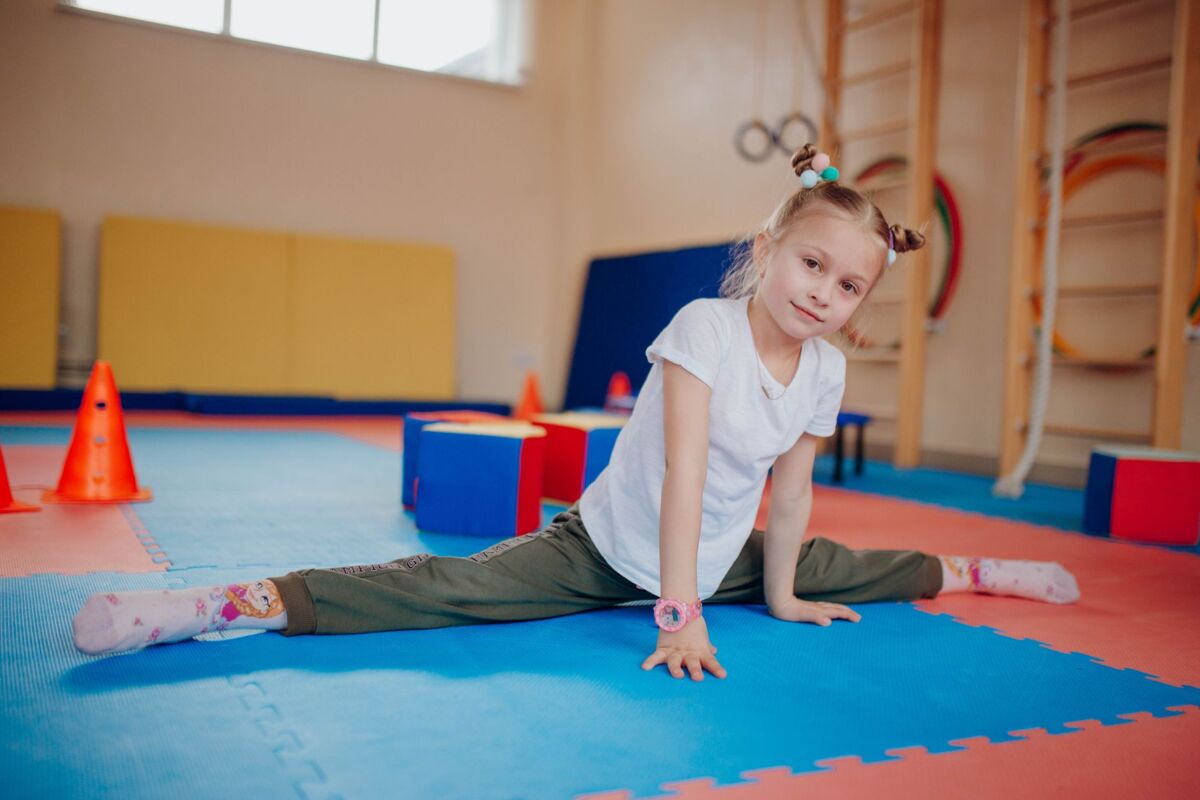
Almost every reputable school offers a trial or taster session, and it is the single best way to decide. Use it to watch how your child responds, how the coach runs the room, and whether the atmosphere is warm and patient or rushed. Booking trials at two or three centres before committing is completely normal and genuinely useful, because it lets you compare teaching style, class size, location and how convenient the timetable really is for your family. Pay attention to small things on the day: do children spend most of the hour moving, or queuing? Does your child come out buzzing or deflated? Those signals tell you more than any brochure. If you want to widen the search beyond gymnastics, our guide to enrichment classes and the wider learn hub are good next stops.
FAQ
What age can kids start gymnastics in Singapore?
Many schools take toddlers from walking age, often around 18 months, in parent-and-tot classes, with independent preschool classes from around age three. There is no upper limit, and older children benefit just as much when they start fresh. Confirm the exact minimum age with each provider, as cut-offs vary.
Is gymnastics safe for young children?
Yes, when classes are run by qualified coaches with proper matting, sensible group sizes and age-appropriate progressions. The points above on coach certification, ratios and facilities are the key things to verify before you book.
Recreational or competitive - which should we pick?
Start recreational. It covers all the benefits with no pressure, and a good school will spot and invite children with the interest and aptitude for a competitive stream when they are genuinely ready.
How much does kids' gymnastics cost in Singapore?
Most schools charge by the term, with a registration or uniform fee on top, and competitive training costs significantly more once extra hours and competitions are added. Because fees and term lengths change often, ask each school for its current price, number of weeks per term, and refund or make-up policy rather than relying on figures you find online.
What is the difference between gymnastics and ninja classes?
Both build strength, coordination and body awareness. Traditional gymnastics teaches technique on apparatus like the floor, beam and bars, while ninja or parkour-style classes focus on obstacle courses, climbing and agility. Ninja classes can be a great way to win over a child who thinks formal gymnastics is not for them.
What should my child wear to their first class?
Fitted, comfortable clothing with no buckles or zips, hair tied back, no jewellery, and bare feet, since gymnastics is usually done without socks or shoes. Bring a labelled water bottle and arrive a few minutes early so your child can settle.
Do I need to stay during the class?
For parent-and-tot classes, yes, you are on the mat with your toddler. From preschool age onward, classes are usually independent, though many centres have a viewing area so you can watch. Check the centre's policy, as some prefer parents out of sight to help younger children settle.
Ready to round out an active week? Browse our music classes for kids for a gentler counterbalance, and explore the wider learn hub for more class ideas across Singapore.
How to Choose the Best Preschool in Singapore: A Parent's Guide
How to choose the best preschool in Singapore for your child: centre types, curriculum, fee ranges, ECDA subsidies, wait...
11 min read
Childcare Centres in Singapore: A Parent's Guide to Infant Care, Subsidies and Choosing the Right One
How childcare centres in Singapore work: infant care vs full-day childcare, ECDA operators, subsidies, waitlists, fees a...
10 min read
Children's Libraries in Singapore: A Parent's Guide to NLB
A parent's guide to NLB children's libraries in Singapore: kids' sections, story times, free membership, the NLB app, Li...
11 min read